

What’s not to love about thrift shopping? After all, you can find designer items for less than a cup of coffee while also helping Mother Nature! Unfortunately, it’s not as simple as that. Behind the racks of vintage jeans & unique teapots, there are some secrets that’ll make you question that $1 clothes bin. Here are 11 dark facts about thrift shopping.
Featured Image Credit: grinvalds /Depositphotos.com.
Straight to the Landfill
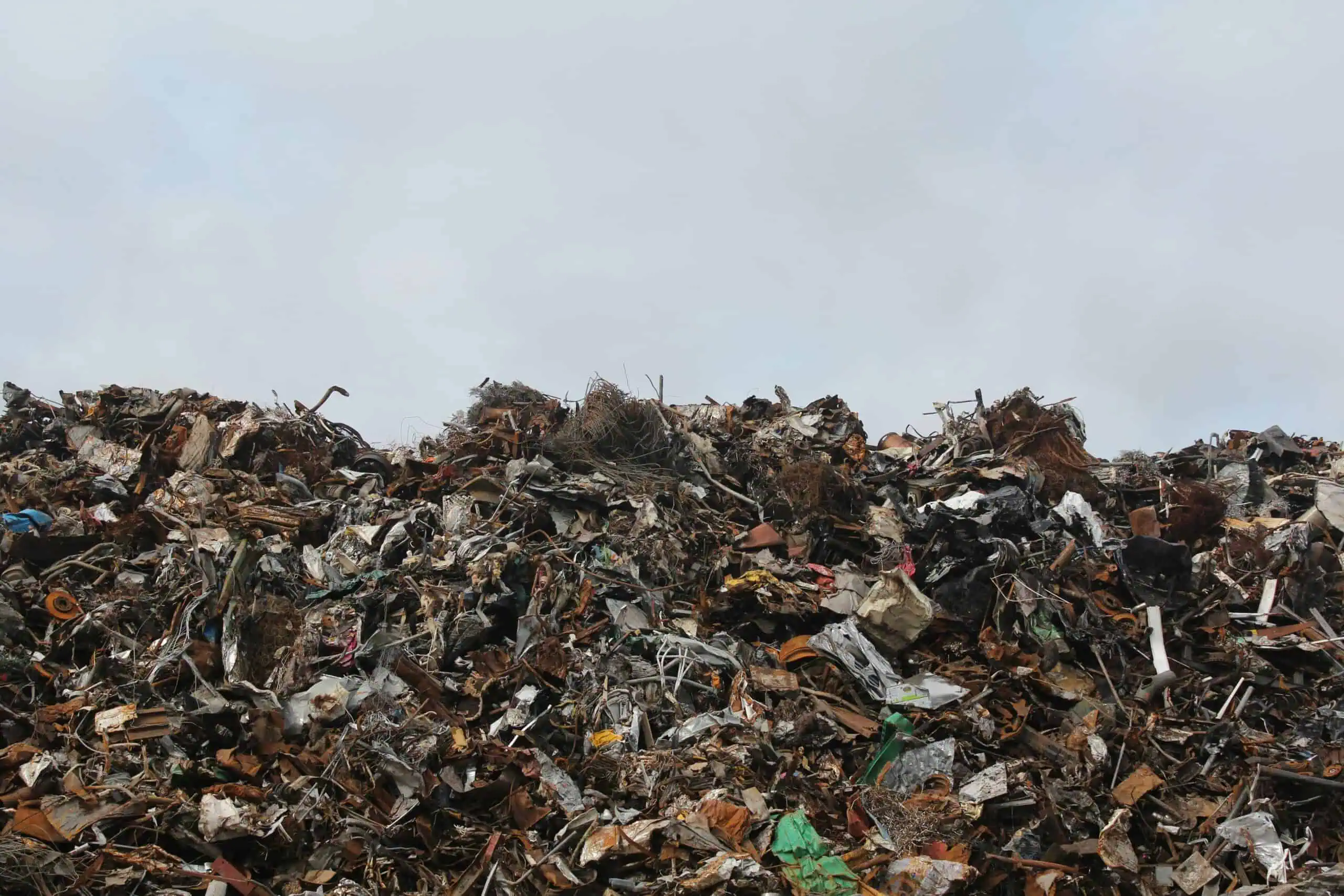
We all love the idea that our old clothes can get a second life with someone else but the truth is that a lot of donations end up in landfills. Thrift stores can’t sell everything they receive—and the overflow has to go somewhere. As such, donating things to thrift stores may not be as good for the environment as you realize.
Fast Fashion Finds a Second Home

Unfortunately, thrift stores have become overrun with fast-fashion donations. While people think they’re helping out, these pieces don’t last and they actually contribute to the waste problem. They may get a second round in the thrift store—but their final resting place is on a trash heap somewhere.
Like our content? Be sure to follow us.
Beware of Unwanted Hitchhikers

Just think about what might be lurking in that vintage sweater you just picked up. Although most thrift stores are rigorous with cleaning, not all of them are so careful. You could bring home more than you bargained for—for example, bed bugs & allergens. Yikes! Make sure you thoroughly clean anything you buy before wearing it.
David vs. Goliath
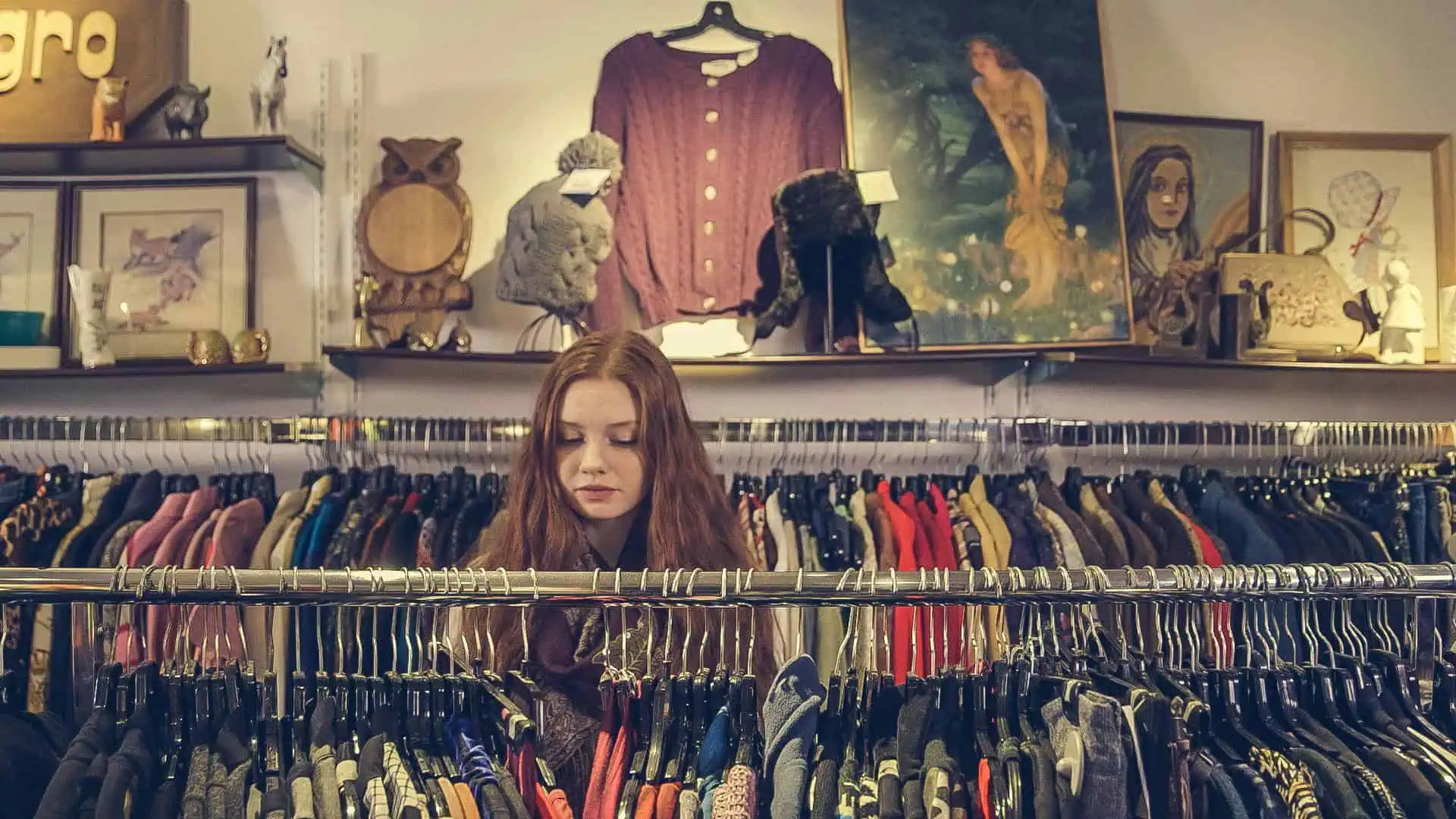
Thrift stores, especially the big-name ones, make life harder for smaller, local shops. After all, they have all kinds of products at prices that local businesses can’t compete with. People flock to these stores because they’re cheaper, yet they can hurt the mom-and-pop shops trying to survive.
The Thrill Can Lead to Overconsumption

You can’t deny that getting a bargain gives you a rush. Unfortunately, this good feeling encourages us to buy more than we need because it’s easy to justify purchasing something just because it’s cheap. This eventually leads to a cycle of buying & donating—that’s not as sustainable as we might think.
Not All Stores Support Charities

One of the best feelings when shopping at a thrift store is knowing that you’re supporting a charity yet not all stores are non-profit. Even among those that are, a big chunk of the proceeds often goes towards running the store instead of the cause you had in mind. You might not be shopping with a conscience after all.
The Dilemma of Rare Finds Pricing

Some thrift stores catch on to the value of rarer finds & price them way higher than you’d expect. Such a change in valuing certain items can make thrifting less accessible for people on a tight budget. It makes a once-affordable shopping option no different than buying something new.
The Question of Ethical Sourcing
Sadly, not all thrift stores are clear about where their donations come from. Some items come from the unsold stock of morally questionable brands that support poor labor practices. You may be trying to make ethical choices—but the story behind your thrifted items isn’t always that green.
The Problem with Stolen Goods

Similarly, some of the items in thrift stores are actually stolen goods. It’s an ethical dilemma yet also a legal one for the stores that may be unknowingly selling these items. There’s not really an easy way out either—how are store employees supposed to trace the origins of every single donated item?
Inadequate Safety Checks on Electronics and Toys

Many thrift stores lack the resources to do thorough safety checks on electronics & toys. As such, some unsafe items (like those recalled for safety reasons) can end up on the shelves. You should always check the safety of any second-hand items before you bring them into your home.
Exploitation of Labor in Donation Sorting Facilities
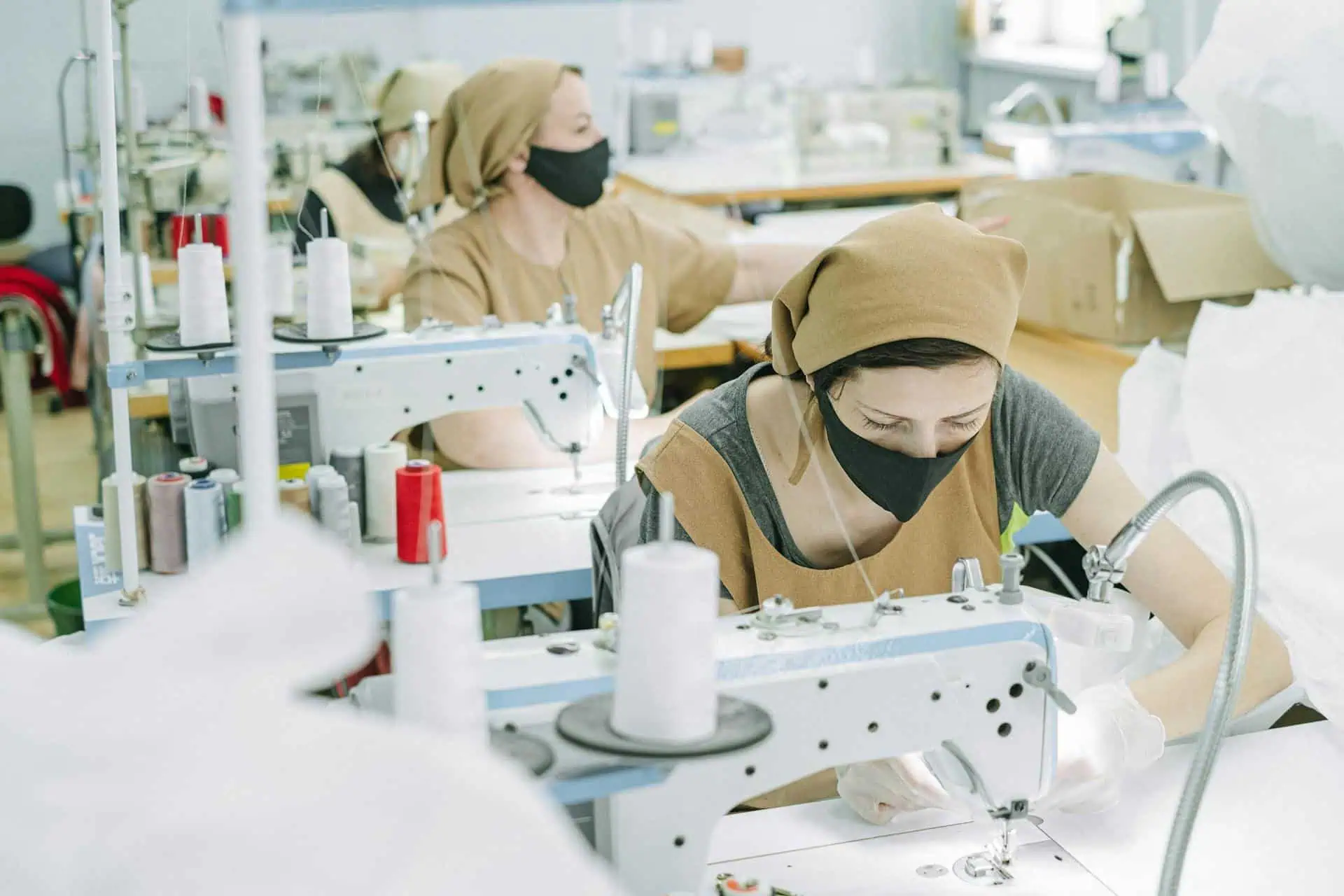
Not everything is so great behind the scenes at some donation centers & sorting facilities for thrift stores. In some cases, workers receive very low wages and work in conditions that don’t meet safety standards. While the thrift industry might have a socially responsible image, the reality is quite different.
Disclaimer: This list is solely the author’s opinion based on research and publicly available information.
Like our content? Be sure to follow us.
Read More: