
If you’ve ever felt like California lives in its own universe, you’re not wrong because the laws there do prove it. They have frogs with more rights than people’s lunch, birds acting like they own the road and cities that are much too specific about the food you may eat. Let’s look at eleven strange laws that only exist in California. These laws are weird—and real.
Featured Image Credit: Shutterstock.
Vacant Parking Distance

In Long Beach, if you’re trying to “save” a parking spot with a chair or a cone, you’re out of luck, as there’s actually a local law that says you can’t block an empty public parking space with any object or person. It doesn’t matter if someone’s just gone to grab the car—the space has to stay open until a vehicle is physically there. It’s meant to keep street parking fair for everyone, although it does annoy people who thought they were being clever by saving one.
Cowboy Boots in Blythe

There’s an old law in Blythe that says you’re not allowed to wear cowboy boots unless you actually own two or more cows, although the government doesn’t usually enforce this law. Still, it’s part of the city code and it was originally written to keep people from posing as ranchers when they weren’t. The law makes sense, since Blythe is a rural place with a lot of farming history, so this was probably their way of keeping it “authentic.”
No Dead Frogs Allowed

Every year in Calaveras County, there’s a frog jumping contest—but if your frog kicks the bucket mid-leap, you can’t cook it, bury it, or even keep it. California law says it has to be destroyed “immediately” under Section 6884 of the Fish and Game Code and it’s surprisingly specific. It only applies if the frog dies during a competitive event, so if your pet frog dies at home, you’re not legally required to rush out and destroy it.
Whistling For a Lost Canary Before 7 AM

Anytime your canary escapes in Berkeley and you’re out at dawn whistling for it, technically, you’re breaking the law, as the city’s noise code bans “unusual sounds” before 7 a.m. The ordinance doesn’t specifically call out birds, but it covers any sound that could “disturb the peace,” including musical instruments and whistling. The goal is to give the neighborhood a calm start to the day.
No Nuclear Weapons Allowed Within City Limits In Chico

Chico has a law against nuclear weapons that they passed in the ’80s and anyone caught making, testing, or transporting a nuke must pay a $500 fine—despite the fact that nukes are only something people would make on the federal level. This ordinance still exists today, even if no one’s showing up to City Hall with uranium, so it’s more of a symbolic than a practical law. But technically, the law’s still enforceable.
Peacocks Have the Right of Way

In Arcadia, if a peacock is taking its sweet time crossing the street, you wait because the law states that they have the right of way. The city officially protects them under municipal code, and complaints about noise or damage don’t really go far—if one slows you down on the way to work, that’s just how it is. These birds are descended from a flock brought over by a ranch owner in the 1930s and now, they strut through neighborhoods like they own the place.
Alcohol at Nudist Colonies

Not all poolside margaritas are welcome in Palm Springs and if the pool happens to be in a nudist colony, selling booze isn’t allowed. This is due to city zoning laws that regulate alcohol permits in “clothing-optional” resorts, and although it doesn’t ban alcohol entirely, you do need the right paperwork to sell it. Some resorts get around it by letting guests bring their own, but either way, if you’re planning a cocktail party with no pants, check the local laws first.
No Flying Drones Over Parks
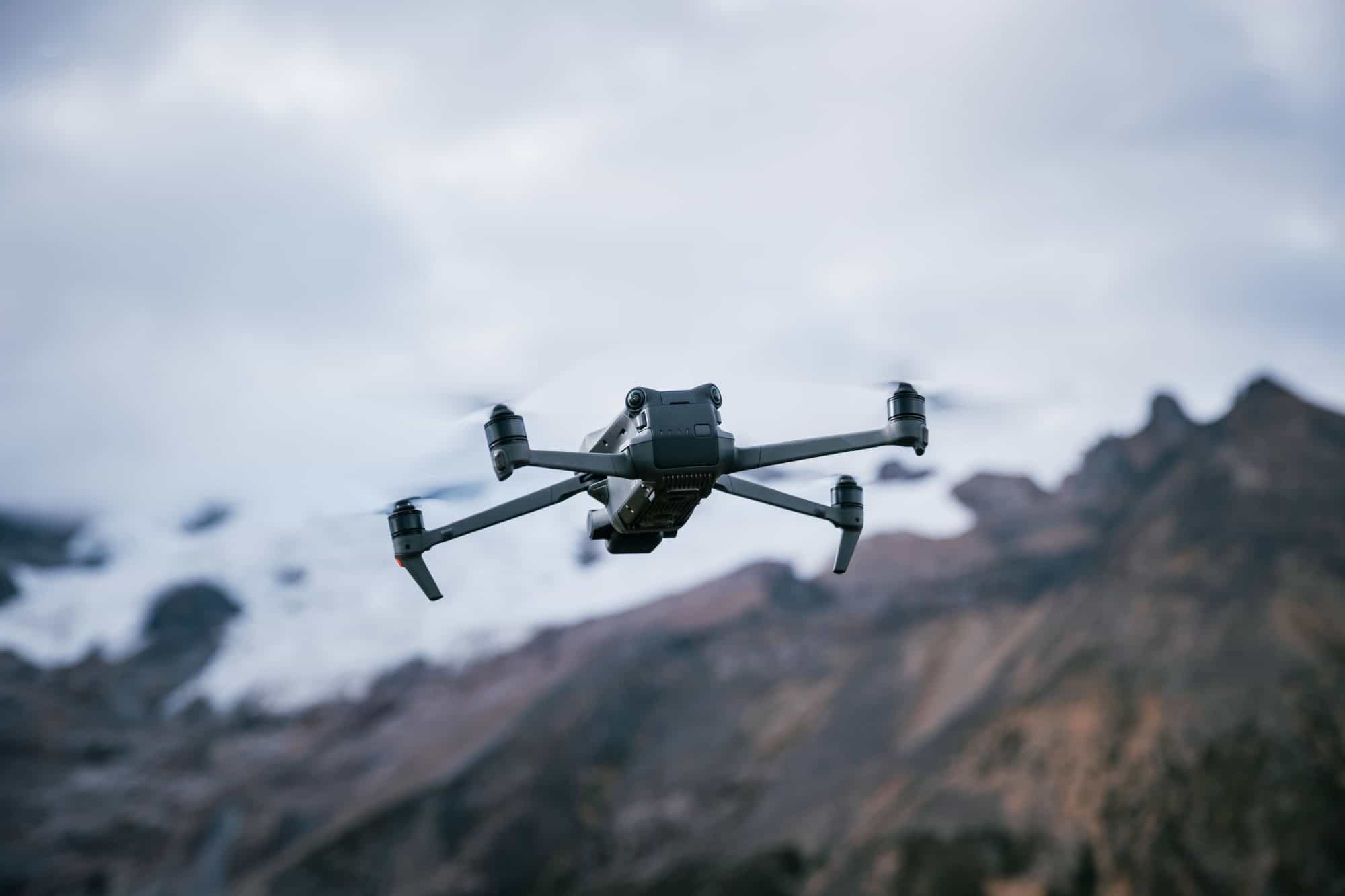
Local rules in Santa Monica say you can’t fly drones over the parks, beaches, or the pier, which is mostly to stop people from having creepy flyovers, but also to avoid drones hurting wildlife. The drone restrictions are part of their municipal code, and they’re stricter than what the state requires, so even if you’re a hobbyist, you’ll need special permission to fly one in public spaces. Police and emergency responders are the only ones who get a pass.
San Francisco’s Trash-Sorting Law

San Francisco doesn’t play around with garbage as the city has very specific rules about recyclables & landfills—get it wrong and you might face a fine. The Department of the Environment does random inspections, especially for larger buildings, and the city also requires businesses to post signs about how to sort waste. Landlords are responsible for making sure tenants follow the rules and as such, you should do your best to follow them.
Jumping Into or Out of Moving Vehicles

In Glendale, there’s an official law that bans “jumping in or out of moving cars,” which sounds like common sense, but it must’ve happened enough times that the city had to write it down. The ordinance doesn’t care about how slow the car is going because the law still counts and it also applies to any public street in the city. Anyone caught doing it could be charged with a misdemeanor, regardless of whether you’re a passenger or a driver.
Bees Must Be 600 Feet From Homes

Anyone thinking of raising bees in San Diego should measure first, as hives have to be at least 600 feet away from any homes, unless you’ve got a special permit. There are also limits on how many hives you can keep based on your lot size, with the city having a map tool for checking if your spot qualifies. Beekeepers must register their hives and follow strict guidelines on fencing & water access to ensure everything stays above board.
Disclaimer: This list is solely the author’s opinion based on research and publicly available information.
Like our content? Be sure to follow us.


