

Times are changing and it’s affecting some beloved American traditions & places, including industries that have been around for generations as well as some unique cultural experiences. Certain things that hold a special place in American hearts are fading away due to a range of factors. These treasures might not be around much longer! Here are thirteen things that Americans love but could soon disappear from our lives—let’s hope we can stop that from happening.
Featured Image Credit: Krakenimages.com/Depositphotos.com.
Sears Department Stores

Sears opened in 1925 and became a major shopping spot for everything you needed and its catalog allowed people to order practically an entire house! Over time, financial struggles & changing trends led to numerous store closures and only a handful are still open. It’s a fraction of what the chain used to be & shoppers who grew up flipping through the Sears Wish Book are left with just a memory.
Kmart

Kmart opened in 1962 and once included thousands of stores around the United States—it’s most famous for its Blue Light Specials that offered spontaneous discounts in the aisles. But by the early 2000s, ongoing financial issues led to repeated bankruptcies and many locations shut down, with just a few branches continuing to operate. Sadly, the last full-sized store closed down in 2024 and there’s only one small Kmart store left in America.
Paperboys On Bikes
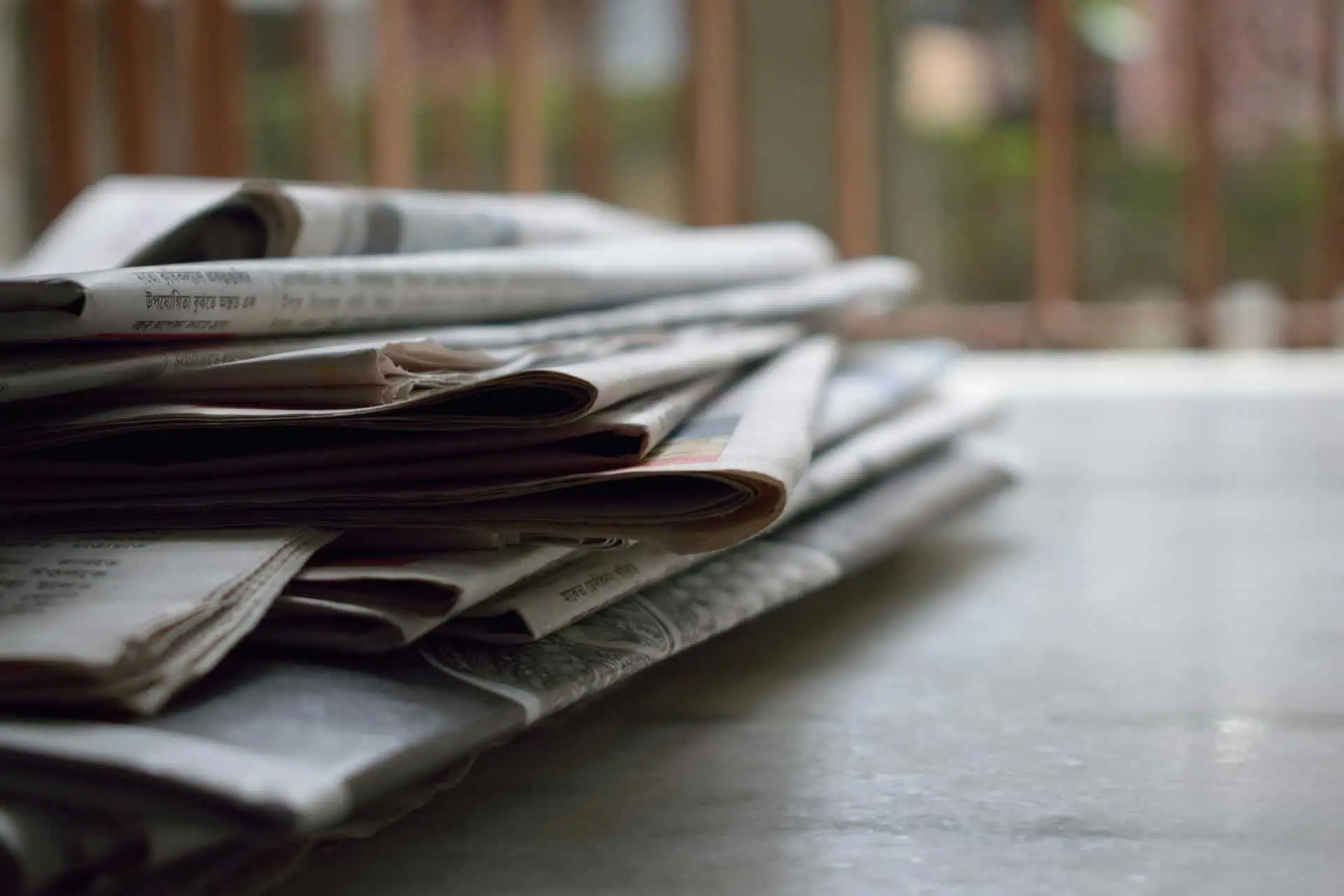
Young carriers once rode through neighborhoods at sunrise, throwing newspapers onto porches or lawns—it gave kids part-time work & taught them basic business skills. But online news has taken over and large delivery services have expanded, meaning that the paperboy role has started to fade away. Some rural towns still have a few kids delivering but it’s become less common across the country since people are more likely to check headlines on their phones.
Original Route 66 Neon Signs
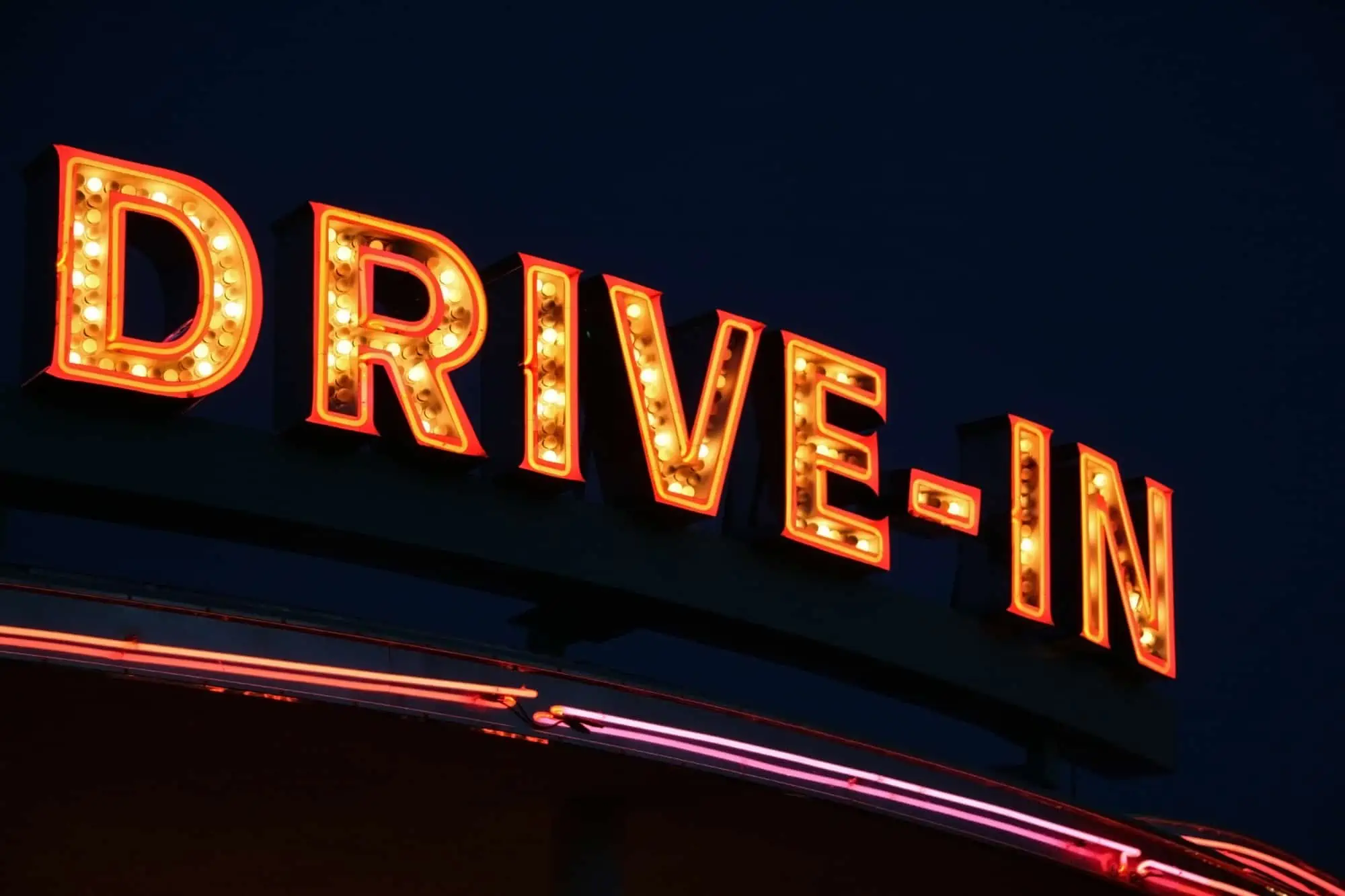
Along Route 66 (aka the Mother Road), you used to find neon lights marking classic gas stations & roadside diners, with each sign tempting travelers to stop for a quick meal or rest! Unfortunately, many of these old fixtures have been removed due to high energy costs and closures, with preservation groups managing to save just a few. You might still spot a couple of these glowing signs but they’re not nearly as common as before.
Drive-In Banks
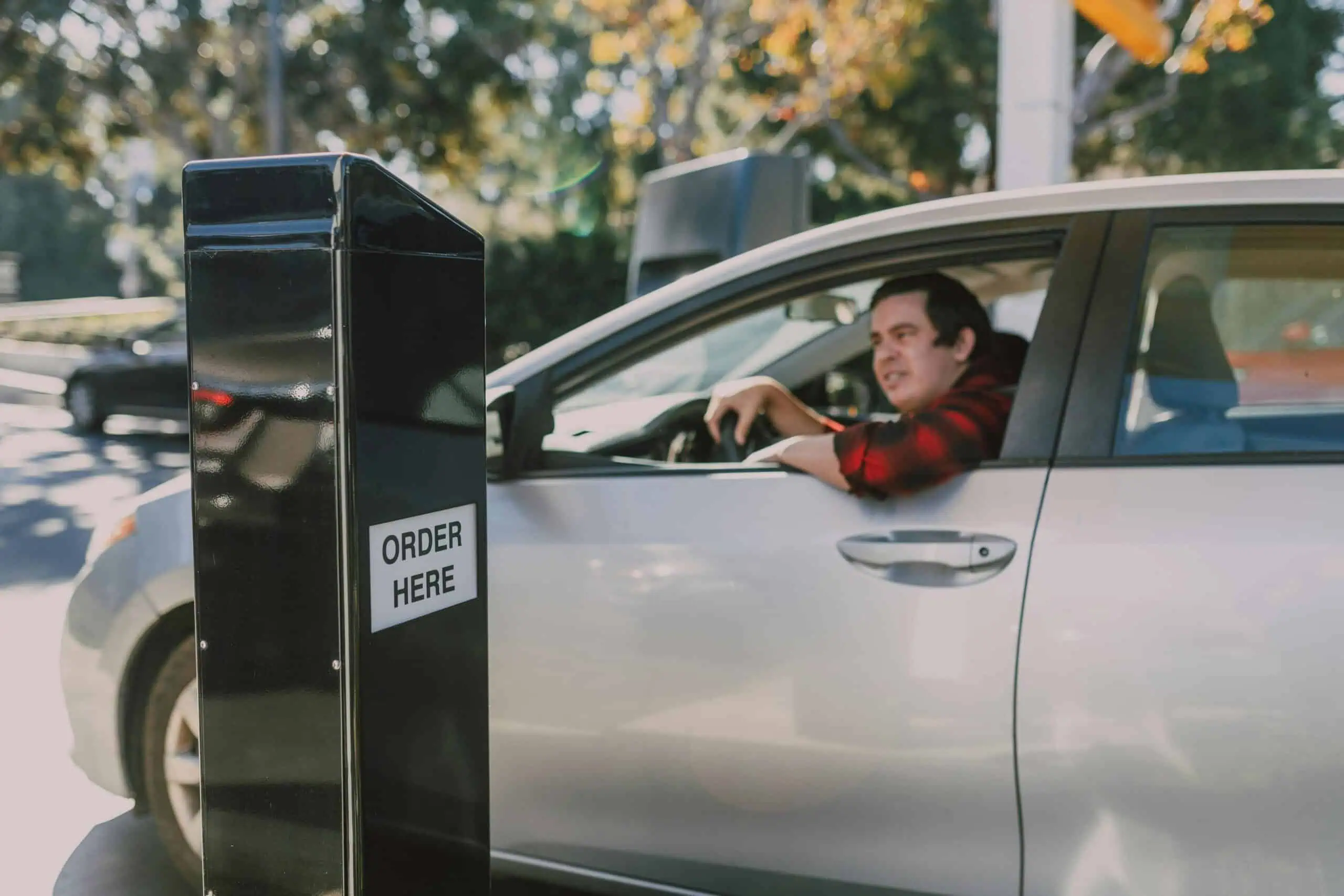
Drive-in banking is on the decline because online banking & mobile apps give customers greater convenience, so fewer people are using these drive-thru lanes. Banks have started closing them since they’re expensive to maintain & underused—being able to handle your transactions from the comfort of your car could soon be a thing of the past. Let’s hope that other drive-thrus don’t go the same way as the banks!
The Louisiana Shrimping Industry
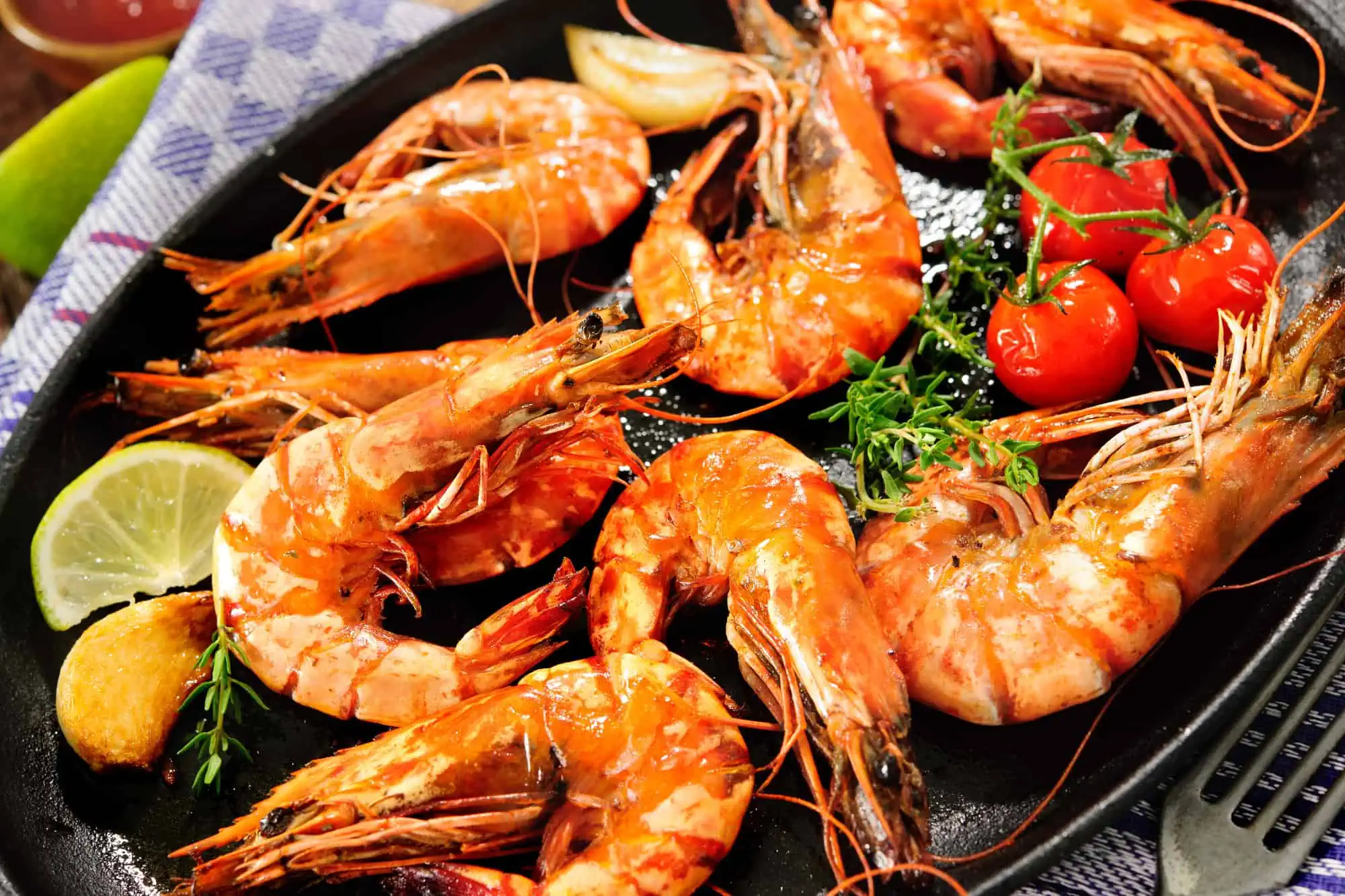
Louisiana’s traditional shrimping industry is facing hard times as environmental challenges like rising sea levels & competition from imported seafood have impacted these coastal communities. Families who have fished the Gulf waters for generations are finding it difficult to sustain their livelihoods, with their way of life disappearing. At the same time, the culture and economy of the region are at risk of going extinct too.
Pacific Northwest Sockeye Salmon Runs

Likewise, sockeye salmon runs in the Pacific Northwest are declining due to overfishing & climate change that affects their spawning habitats. The annual event of salmon returning to their natal streams could disappear entirely. As such, indigenous communities & local fishing industries that rely on these migrations must prepare to deal with a rather uncertain future.
Overnight Cross-Country Train Trips
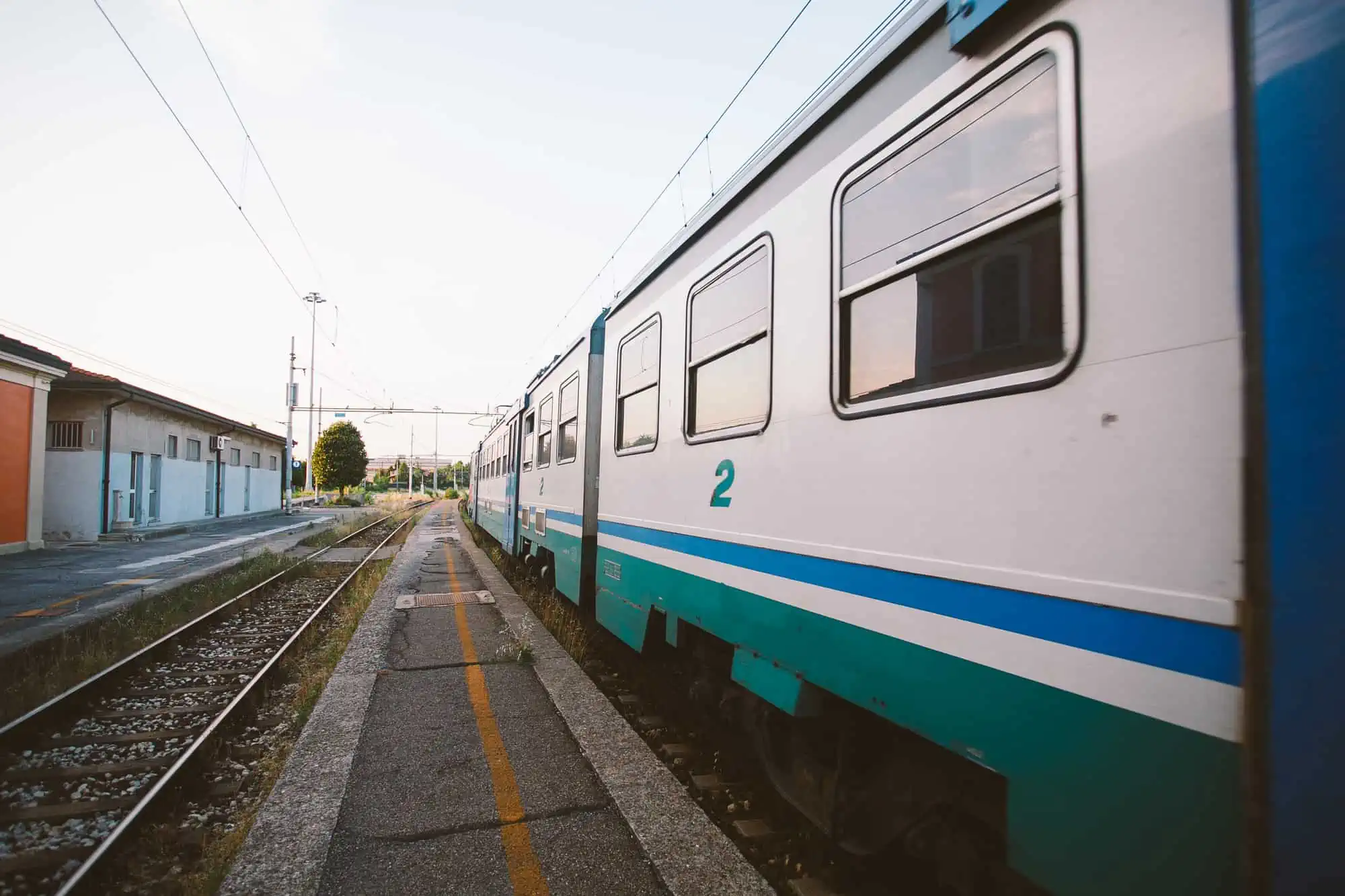
Long-distance train travel across the United States is under threat because funding cuts & decreased ridership have caused reduced services. Being able to travel along an Amtrak route and watching the world go by from a train window is becoming less common—it might not even be available to future generations. It’s a real shame because traveling via Amtrak is quite the experience.
The American Diner Pie Case
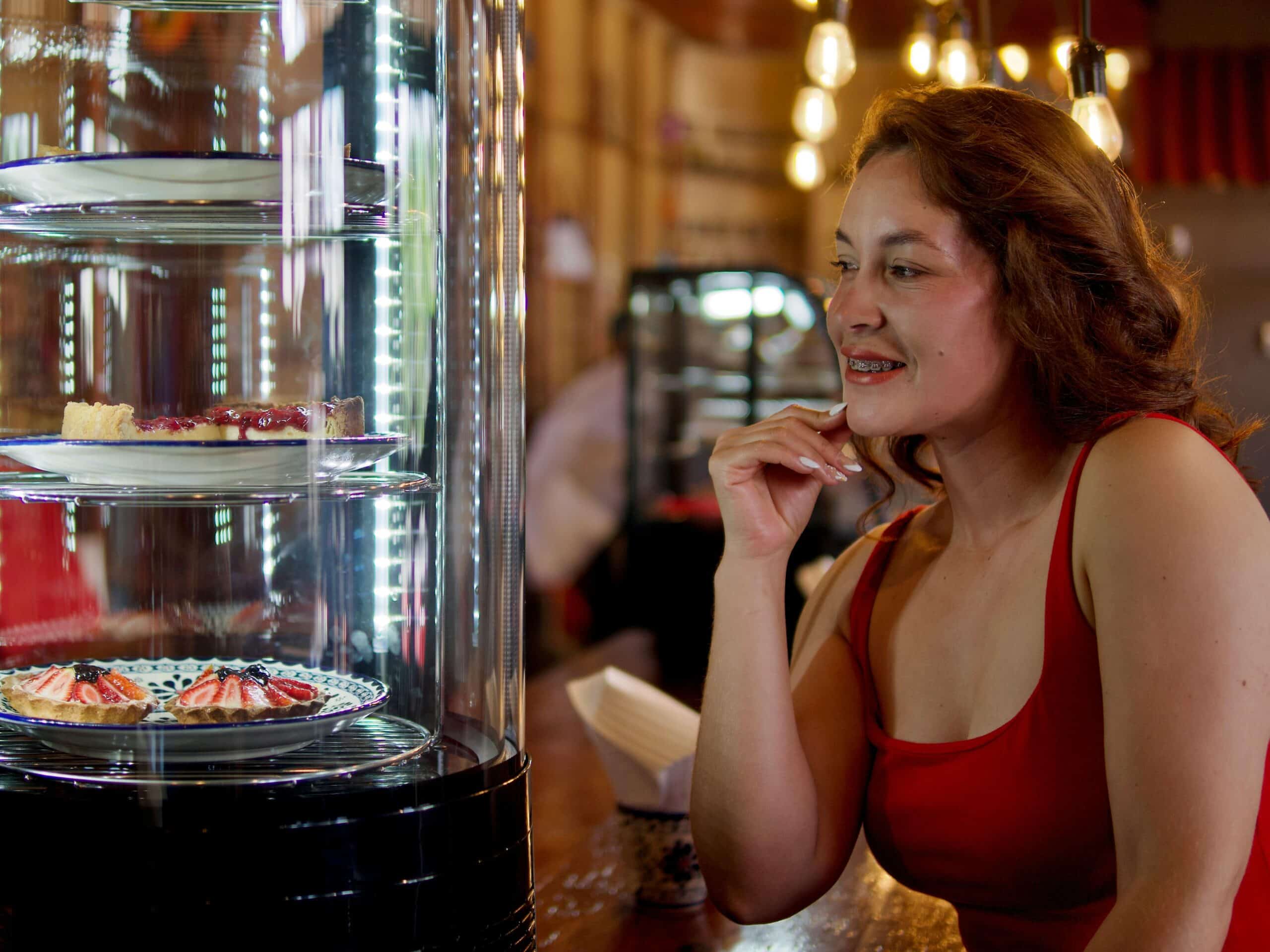
The classic spinning pie case in diners, filled with all the homemade desserts you could ever want, is also becoming rare, mostly because of changes in health regulations. There are also the costs of baking fresh pies daily and shifting consumer preferences that have led diners to ditch this tradition. The classic American dining experience is completely changing and not necessarily for the better.
RadioShack

RadioShack opened in 1921 and became a major name in electronics for everyday hobbyists, peaking in the 1980s with malls & standalone stores. However, the majority of large stores have closed down, with only smaller versions of the brand still existing in certain areas. The company launched a comeback attempt in early 2025—only time will tell if it’s successful.
Shoney’s
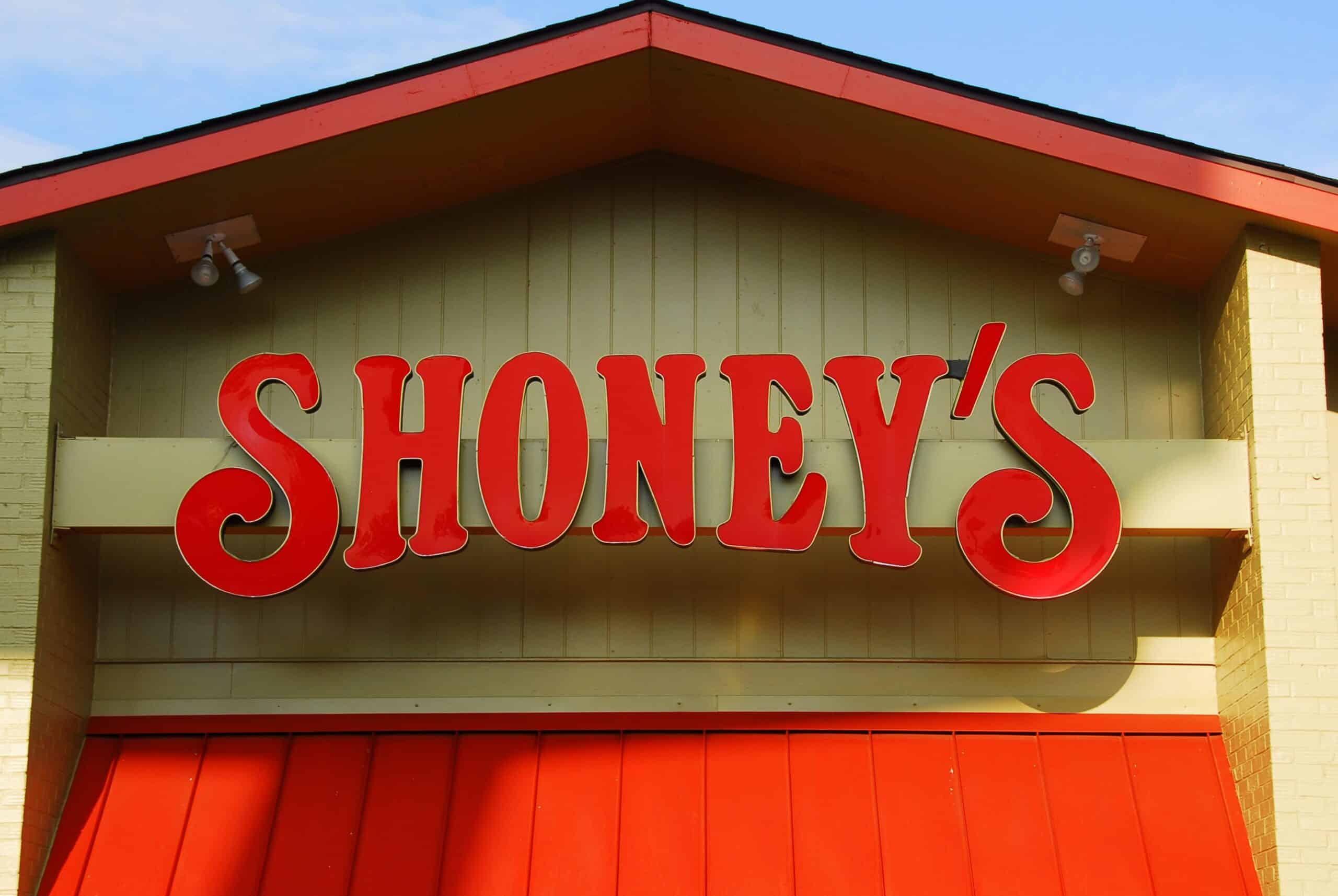
Shoney’s began in 1947 and spread throughout the South & beyond, thanks to its family-friendly dining—not to mention its huge breakfast bar! Its biggest competitor was Denny’s and it seems like Denny’s has mostly won out, with Shoney’s closing numerous stores. Some long-running spots continue to serve fried chicken, salads, & pies, although the number of them is much lower.
The Closure of Small-Town Post Offices
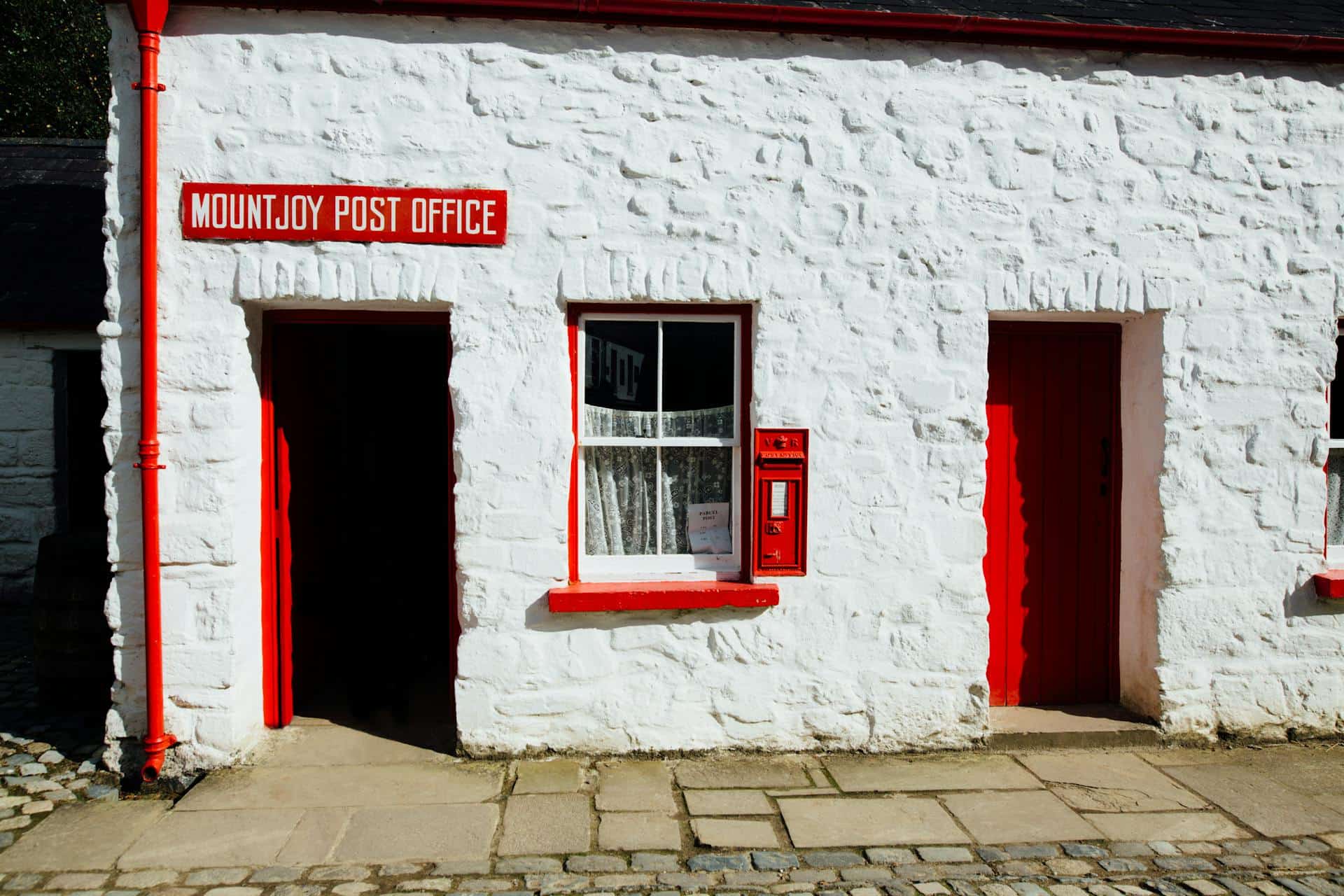
Small-town post offices are shutting down across the country because people are sending fewer letters and handling bills online—mail volumes have dropped quite a bit. It’s a shame because the local post office used to be a symbol of the identity of many small towns. Residents have lost an important area where they could catch up with neighbors or share the news.
The Decline of Traditional American Covered Bridges

Lots of covered bridges are disappearing, mostly because they’re so old and often neglected—let’s not forget the impact of modernization, too. New roads have bypassed these places while maintenance costs are rising, so these historic bridges are being torn down. Losing them means saying goodbye to a piece of American history that once connected communities.
Disclaimer: This list is solely the author’s opinion based on research and publicly available information.
Like our content? Be sure to follow us on MSN.


