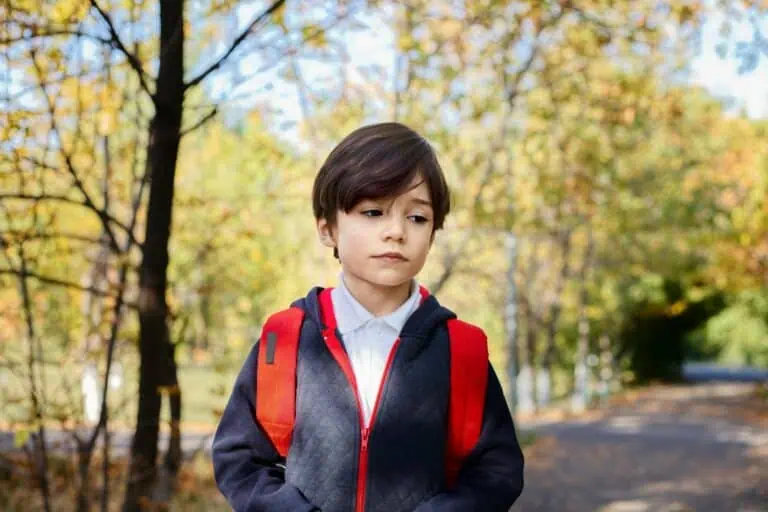

Childhood experiences undoubtedly play a major role in shaping our emotional well-being and behavior as adults. While many individuals fondly reminisce about their childhoods, others may recall a more challenging or unhappy upbringing.
Recognizing the signs of an unhappy childhood can be the initial stride towards understanding and healing from past traumas. Here are 11 signs that might indicate someone had an unhappy childhood.
Featured Image Credit: jonas mohamadi /Pexels.com.
#1. Difficulty Forming Healthy Relationships

An unhappy childhood can impact one’s ability to form healthy relationships later in life. Children who experienced neglect, abuse, or inconsistent caregiving may struggle to trust others or fear abandonment. As adults, they may find it challenging to form and maintain close relationships due to underlying trust issues and attachment insecurities.
#2. Low Self-esteem

Consistent criticism, neglect, or emotional mistreatment during childhood can diminish a child’s self-esteem and result in a diminished sense of self-worth. Being raised feeling unloved or insignificant can translate into enduring feelings of incompetence or uncertainty in adulthood, affecting different facets of life like career, interpersonal connections, and individual aspirations.
#3. Perfectionism

Children raised in environments where high expectations were set or where mistakes were met with harsh criticism may develop perfectionist tendencies as adults. The need to meet unrealistic standards and fear of failure can lead to chronic stress, anxiety, and dissatisfaction, even when they achieve success.
#4. Difficulty Expressing Emotions

In households where emotions were invalidated, ignored, or punished, children may learn to suppress or avoid expressing their feelings. As adults, they may struggle to identify and communicate their emotions effectively, leading to difficulties in forming intimate connections and seeking support when needed.
#5. Fear of Conflict

Growing up in an environment marked by hostility, conflict, or emotional volatility can instill a deep-seated fear of confrontation. As adults, individuals may go to great lengths to avoid conflict, sacrificing their own needs and opinions to maintain peace and avoid triggering negative emotions or reactions in others.
#6. Chronic Stress or Anxiety

Children raised in chronically stressful or unpredictable environments, such as those characterized by family dysfunction, financial instability, or substance abuse, may develop chronic stress or anxiety disorders. The constant state of alertness and hyper-vigilance required to navigate such environments can have long-term consequences on their mental and physical health.
#7. Difficulty Setting Boundaries

In households where boundaries were not respected or where personal space was routinely violated, children may struggle to establish and enforce boundaries as adults. This can result in difficulties asserting their needs, saying no, or protecting themselves from exploitation or abuse in personal and professional relationships.
#8. Substance Abuse or Addiction

Some individuals may turn to substance abuse or addiction as a coping mechanism to numb emotional pain or escape from traumatic memories of their childhood. Substance use disorders can develop as a way to self-medicate underlying psychological distress or as a maladaptive attempt to cope with unresolved trauma.
#9. People-pleasing Tendencies

Children who grew up feeling unloved, neglected, or unworthy of attention may develop people-pleasing tendencies as a way to seek validation and approval from others. As adults, they may prioritize the needs and desires of others over their own, sacrificing their authenticity and well-being in the process.
#10. Chronic Feelings of Emptiness
Unmet emotional needs during childhood, such as a lack of nurturing, validation, or affection, can leave individuals with a persistent sense of emptiness or inner void. Despite external successes or achievements, they may struggle to find true fulfillment and satisfaction in life, longing for the love and acceptance they never received.
#11. Recurrent Feelings of Guilt or Shame

Children who experienced abuse, neglect, or trauma may internalize feelings of guilt, shame, or self-blame, even when they were not responsible for the circumstances. As adults, they may carry these toxic emotions with them, leading to self-destructive behaviors, low self-esteem, and difficulties forming healthy relationships.
While experiencing one or more of these signs does not definitively indicate an unhappy childhood, they may serve as red flags warranting further exploration or support from a mental health professional. Healing from past traumas and building resilience often requires acknowledgment, validation, and compassionate self-care.
Disclaimer – This list is solely the author’s opinion based on research and publicly available information.
Like our content? Be sure to follow us.
11 Things That Will Vanish With the Baby Boomer Generation

Change is on the horizon, and as the baby boomer cohort gracefully transitions into their senior phase, a consensus among many users emerges: specific facets of life are destined to become relics of the past. Let’s explore a selection of social media remarks that illuminate the potential contours of the times ahead.
14 Modern Luxuries That Were Standard For Baby Boomers 40 Years Ago

In our rapidly evolving world, what used to be standard fare has now become a rarity for many. From tailored clothing to personalized travel, the things we once took for granted are now seen as special treats. In this slide show, we’ll explore how these everyday items and experiences have shifted from being necessities to privileges. Join us as we unravel the journey from common to exclusive and understand the evolving landscape of modern luxuries.


