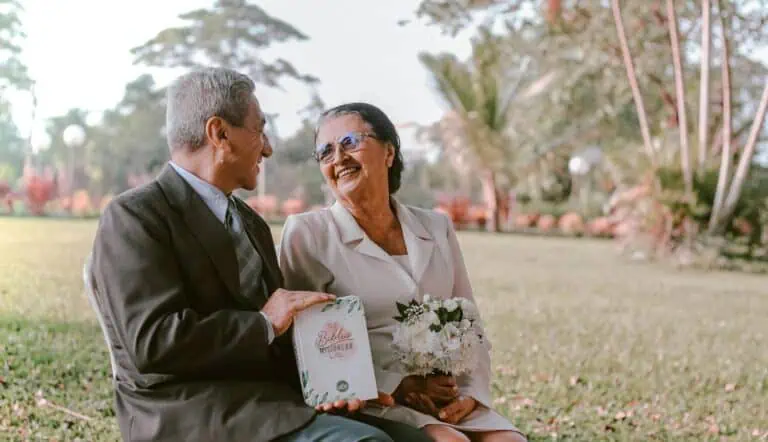

Traditional values have long been the backbone of society, shaping how we live and interact with each other. But it’s becoming clear that these values aren’t holding the same weight as they used to. What was once considered important or even sacred is now often seen as outdated or irrelevant. In many ways, society is moving away from these old ideas in favor of new ways of thinking.
Let’s look at 11 signs that traditional values are losing their place in today’s world and what that might mean for the future.
Featured Image Credit: Pexels.
Marriage Isn’t a Priority Anymore

Fewer people are choosing to get married these days. Many prefer to live together without feeling the need to make it official. This shift shows that marriage, once a cornerstone of traditional values, is losing its appeal. More people are questioning if it’s necessary at all, and that says a lot about how our attitudes toward commitment have changed.
Family Structures Are Changing

The idea of the “traditional” family—mom, dad, and kids—is becoming less common. We’re seeing more single-parent families, blended families, and other arrangements that don’t fit the old mold. This shift reflects a growing acceptance of different ways to define what a family looks like. Society is becoming more open to the idea that there’s no one right way to be a family.
Religion Isn’t as Central Anymore

Religion used to be a big part of people’s lives, but that’s not the case for everyone anymore. More people are stepping away from organized religion or identifying as spiritual rather than religious. As religion’s influence wanes, the traditional moral and ethical guidelines it provided are less central to how people make decisions and live their lives.
Authority Is Being Questioned

Respect for authority figures like parents, teachers, and leaders isn’t as strong as it once was. People, especially younger generations, are more likely to question or challenge those in power. This reflects a shift toward valuing individual opinions over blindly following authority. The old idea of respecting someone just because of their position or age is becoming less relevant.
Careers Are Taking Center Stage

For many, career goals are now taking priority over starting a family. The traditional value of putting family first is being replaced by the pursuit of personal success and financial independence. This shift shows how the definition of success has changed—now focusing more on individual achievement than on building a family life.
Casual Relationships Are the Norm

Casual dating and relationships are more accepted today, with less focus on finding a life partner. The idea of settling down with “the one” is becoming less common, as people prioritize personal happiness and freedom. This reflects a broader shift toward valuing independence over traditional notions of love and long-term commitment.
Gender Roles Are Blurring

The old-fashioned idea that men should be the breadwinners and women should stay home is fading fast. Society is embracing a more flexible approach to gender roles, where anyone can take on any role, regardless of gender. This change highlights a move toward equality and personal choice, breaking down the rigid expectations of the past.
Parenthood Is Being Delayed or Avoided

Many couples are waiting longer to have children or deciding not to have them at all. The traditional expectation that marriage should quickly lead to kids is no longer the norm. People are focusing on other aspects of life, like careers or personal growth, before considering parenthood – if they consider it at all.
Alternative Lifestyles Are More Accepted

Society is becoming more open to lifestyles that don’t fit traditional norms. Different sexual orientations, open relationships, or other non-traditional ways of living – there’s a growing acceptance of diversity. This shift shows that people are moving away from rigid definitions of what’s considered “normal” or acceptable.
Frugality Isn’t as Valued

The old value of saving money and being frugal is taking a backseat to spending and enjoying life now. Many people prioritize experiences and material goods over saving for the future. This change reflects a shift toward living in the moment rather than planning for long-term security.
Community Bonds Are Weakening

Traditional values placed a strong emphasis on community and knowing your neighbors, but that’s becoming less common. People are more mobile and connected through technology, which can weaken the sense of local community. This shift toward individualism and away from close-knit neighborhoods reflects a broader trend in how we live and interact.
Disclaimer: This list is solely the author’s opinion based on research and publicly available information.
Like our content? Be sure to follow us.
Read More: