Shopping today is incredibly convenient, especially with online stores & deals everywhere. Yet along with that ease comes a host of scams that many Americans keep falling for, like fake websites & subscription traps. These schemes may catch even the savviest shoppers off guard—don’t let that be you! Here are eleven common shopping scams that continue to trip people up. Scammers have found all sorts of new ways to trick people out of their money so staying alert is more important than ever.
Featured Image Credit: FranRodriguezFotografia /Depositphotos.com.
Fake Online Retailers
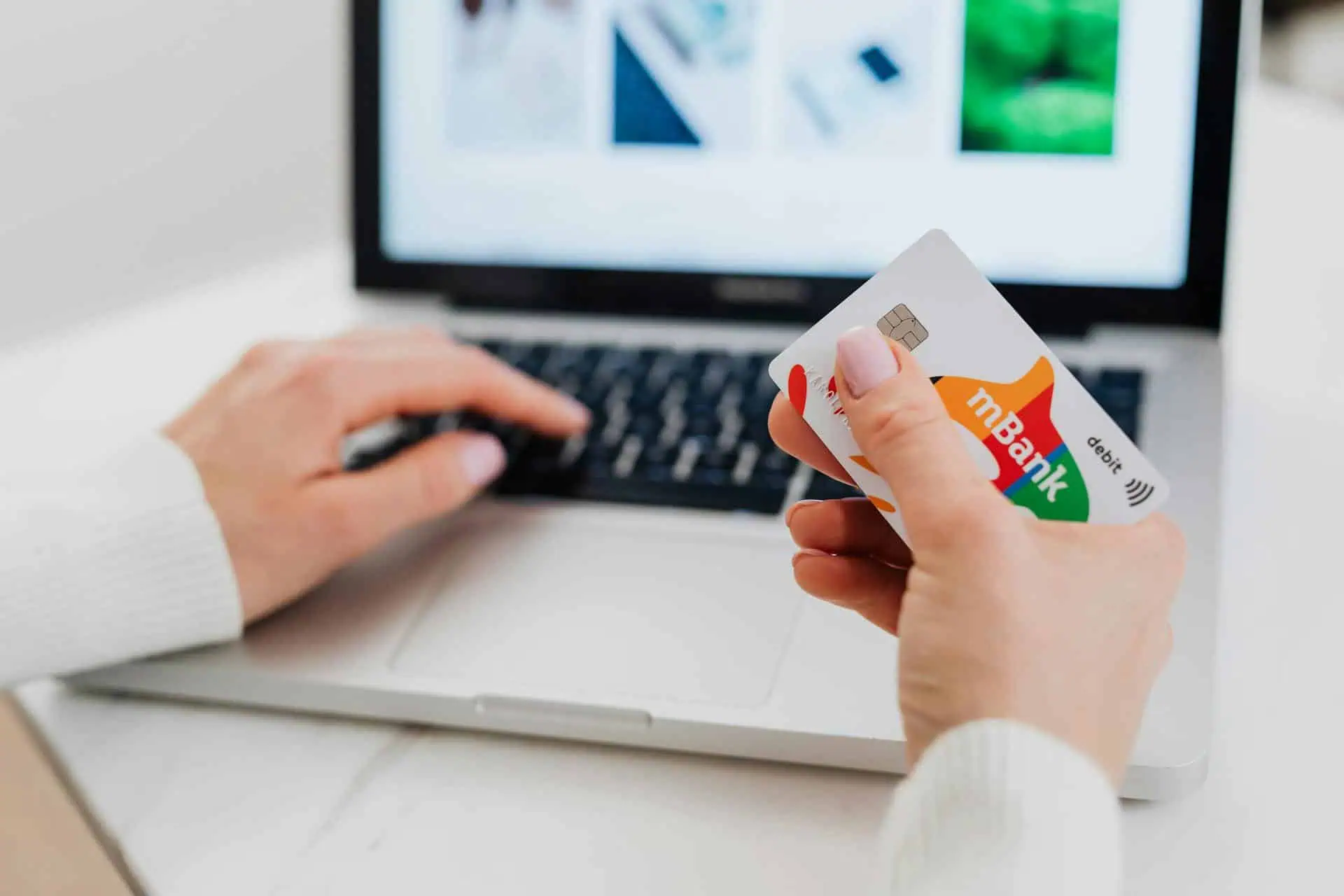
Scammers create websites that mimic well-known online retailers, complete with official-looking logos & product photos—unsuspecting shoppers believe they’re scoring a great deal. But after making a purchase, the items never show up and the fakes have stolen their credit card details! You should always make sure the website URL is correct before entering any payment information and try reaching out to them directly to make sure it’s legit.
Fake Customer Service Numbers Online

Likewise, you might find fake customer service numbers online set up by scammers and calling these numbers connects you to fraudsters who, despite what they say, aren’t there to help. They’ll ask for personal information or remote access to computers, which could help them steal your identity—and your money. Instead, it’s much safer to get contact information directly from official websites and check your account statements yourself.
Counterfeit Products Sold as Authentic

Seeing high-end products advertised at unbelievably low prices is quite tempting and many shoppers think they’re getting the real thing. Unfortunately, what arrives is a poorly made knockoff that’s nowhere near as good as expected and it comes without warranty or support. Buying counterfeit items also supports illegal operations & that’s another reason to be careful with deals that seem too good to be true.
Like our content? Be sure to follow us on MSN.
Subscription Traps Masked as Free Trials

Signing up for a free trial of a product sounds like a risk-free way to try something new yet before long, unexpected charges start popping up on your bank statements. That’s because, buried in the fine print, you’ll find that these trials automatically roll over into paid subscriptions—and canceling them is a hassle. Many people don’t realize they’re being charged until several payments have been taken so make sure you read the terms carefully!
Prize and Sweepstakes Frauds

Most people can’t help feeling excited when they get a message that they’ve won—and then they’re told they need to pay a fee or provide personal information to claim it. It’s a scam because there’s no prize waiting and the scammers are just trying to get your money or steal your identity. Legitimate contests will never require you to pay to receive a prize and you can’t win them if you’ve never entered!
Bait-and-Switch Sales Tactics

Stores sometimes advertise incredible deals on popular items to lure customers in and excited shoppers head to the store—only to find out the advertised product is mysteriously “sold out.” Salespeople then try to steer them toward a similar but more expensive item. This is a bait-and-switch tactic that makes customers spend more than they planned as the original deal was just a ploy to get people through the door.
Credit Card Skimming at Payment Terminals

Credit card skimming happens when criminals attach small devices to real payment terminals so that when shoppers swipe or insert their cards, these skimmers capture the card information. Later, victims will notice fraudulent charges start appearing on the cardholder’s statement & it could take a while to recover the lost money. Skimming devices are hard to spot because they’re designed to blend in—always inspect card readers for signs of tampering, especially at gas stations or ATMs.
Online Auction Frauds

Many scammers exploit online auction platforms by listing products they don’t actually own or by misrepresenting what they’re selling. A bidder might win an auction and pay on time but the item never shows up, or it arrives very differently from what was advertised. The buyer’s left out of pocket and disappointed—to stop this from happening to you, check seller ratings and read reviews. You should also use secure payment methods so you can claim back any lost funds.
Downloading Fake Shopping Apps

Many shoppers download apps, without realizing that fraudsters create fake shopping apps that mimic real retailers, and victims install malware that steals their personal data. Some fake apps track your activity or infect your devices with viruses that could destroy your devices. As such, you should only download apps from official app stores & check that the developer’s information matches the retailer’s official website, too.
Gift Card Scams Targeting Shoppers

Scammers trick people into using gift cards to pay for all sorts of things—they’ll pretend to be from the IRS or a utility company, threatening fines & service shutdowns unless people make payments immediately with gift cards. Once the scammer has the gift card numbers & PINs, the money is gone and nearly impossible to recover. Remember that legit organizations will never ask for gift cards as payment and it’s a huge red flag if someone insists on it!
QR Code Scams in Stores

You’re not safe shopping in-person either as some scammers put their own QR codes over real ones in stores, on posters—even on products. Scanning these codes takes you to malicious websites that’ll steal your personal information or install harmful software. It’s impossible to know which QR codes are real at a glance so you should double-check with store employees if something seems off.
Disclaimer: This list is solely the author’s opinion based on research and publicly available information.
Like our content? Be sure to follow us on MSN.