

As society progresses and awareness of social issues expands, certain traditional sayings that were once commonplace are now viewed through a more critical lens. Woke culture, which emphasizes social justice and inclusivity, has prompted a reevaluation of language, leading to the recognition that many traditional sayings contain outdated or offensive elements.
In this exploration, we dive into 20 traditional sayings that may be considered offensive by woke culture, examining their origins and explaining why they are problematic in contemporary discourse, as well as why they are no longer in common use.
Featured Image Credit: cottonbro studio /Pexels.com.
#1. “Rule of Thumb”

While commonly used to denote a general principle, this phrase has historical roots in English common law, where it was once believed to have referred to the width of a stick with which a man was legally allowed to beat his wife. Its offensive connotations have led to its decline in use.
#2. “Sold Down the River”

Originating from the practice of selling slaves from the Upper South to the Deep South, where conditions were harsher, this phrase perpetuates the trauma of slavery and the forced separation of families. Its association with a dark chapter in history has led to its disuse.
#3. “Gypsy”

Originally used to refer to the Roma people, this term has been associated with stereotypes and discrimination, perpetuating negative portrayals of a marginalized ethnic group. Increased awareness of its derogatory nature has led to its decline in use.
#4. “No Can Do”
Though commonly used as a casual way to decline or express inability, this phrase is associated with mocking pidgin English, which was historically used to ridicule non-native English speakers. Its origins in cultural insensitivity have led to its decreased usage.
#5. “Peanut Gallery”

Originating from the segregated seating areas for African Americans in theaters, this phrase perpetuates the marginalization of Black voices and dismisses their contributions. Its association with racial segregation has led to its disfavor.
#6. “Uppity”
Historically used to demean African Americans who were perceived as exceeding their social station, this term carries connotations of racial superiority and reinforces hierarchical power structures. Its offensive nature has led to its decline in use.
#7. “Indian Giver”

Derogatory and inaccurate, this phrase originated from misunderstandings of Native American gift-giving customs and perpetuates negative stereotypes about Indigenous peoples. Awareness of its harmful implications has led to its rejection.
#8. “Eskimo”

Considered derogatory by many Indigenous peoples, this term was imposed by colonizers and is associated with cultural appropriation and erasure of Indigenous identities. Its offensive nature has led to its replacement with more respectful terminology.
#9. “Long Time No See”

Though seemingly innocuous, this phrase is thought to have originated from pidgin English or stereotypical portrayals of Native American speech, perpetuating stereotypes and mocking non-native English speakers. Its association with cultural insensitivity has led to its disfavor.
#10. “Crazy”

Used to dismiss or delegitimize individuals’ experiences or emotions, this term stigmatizes mental illness and contributes to harmful stereotypes. Increased awareness of its impact on mental health has led to its reduced usage.
#11. “Lame”

Originally referring to physical disability, this term is now widely recognized as ableist and offensive, perpetuating negative attitudes toward people with disabilities. Greater awareness of ableism has led to its disfavor.
#12. “Man up”

Reinforcing harmful gender stereotypes, this phrase implies that qualities associated with masculinity, such as strength and resilience, are inherently superior. Its promotion of toxic masculinity has led to its decreased use.
#13. “You Throw Like a Girl”

Derogatory and sexist, this phrase perpetuates the notion that femininity is inferior to masculinity and reinforces harmful gender stereotypes. Awareness of its sexism has led to its rejection.
#14. “Call a Spade a Spade”
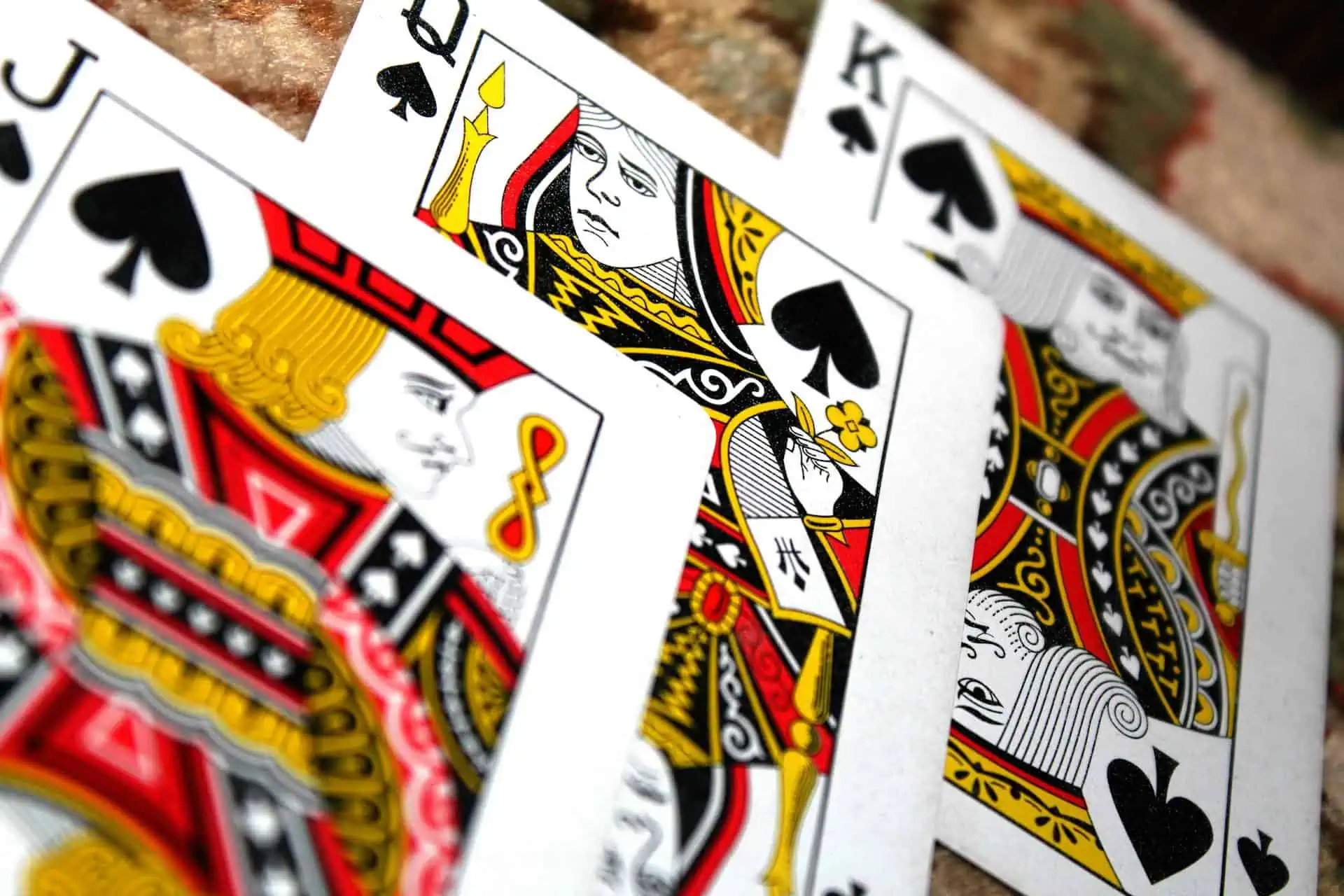
While seemingly innocuous, this phrase has been used historically as a racial slur against Black people, making its usage potentially offensive and insensitive. Its racist connotations have led to its decline in use.
#15. “Take a Shot In the Dark”

Though commonly used to denote a guess or estimate, this phrase may be considered insensitive as it trivializes blindness and perpetuates negative stereotypes about blindness and visual impairment. Its association with ableism has led to its disfavor.
#16. “Powwow”

Originally a term for Indigenous ceremonial gatherings, the casual use of this term appropriates and trivializes Indigenous culture and traditions. Its cultural appropriation has led to its rejection in non-Indigenous contexts.
#17. “Cakewalk”

Originating from a pre-Civil War dance performed by enslaved African Americans, this term trivializes the struggles and oppression faced by Black people and perpetuates racial stereotypes. Its association with racial insensitivity has led to its decreased usage.
#18. “Blacklist/Whitelist”

Though originally neutral terms, their association with racial dynamics and discrimination has led to criticism, prompting calls for alternative terminology to avoid reinforcing racial biases. Awareness of their racial connotations has led to their replacement with more inclusive language.
#19. “Ghetto”

Originally used to describe segregated areas where Jewish people were confined, this term has evolved to describe economically disadvantaged or marginalized neighborhoods, perpetuating negative stereotypes and stigmatizing those who live there. Awareness of its derogatory nature has led to its disfavor.
#20. “Hip Hip Hooray”
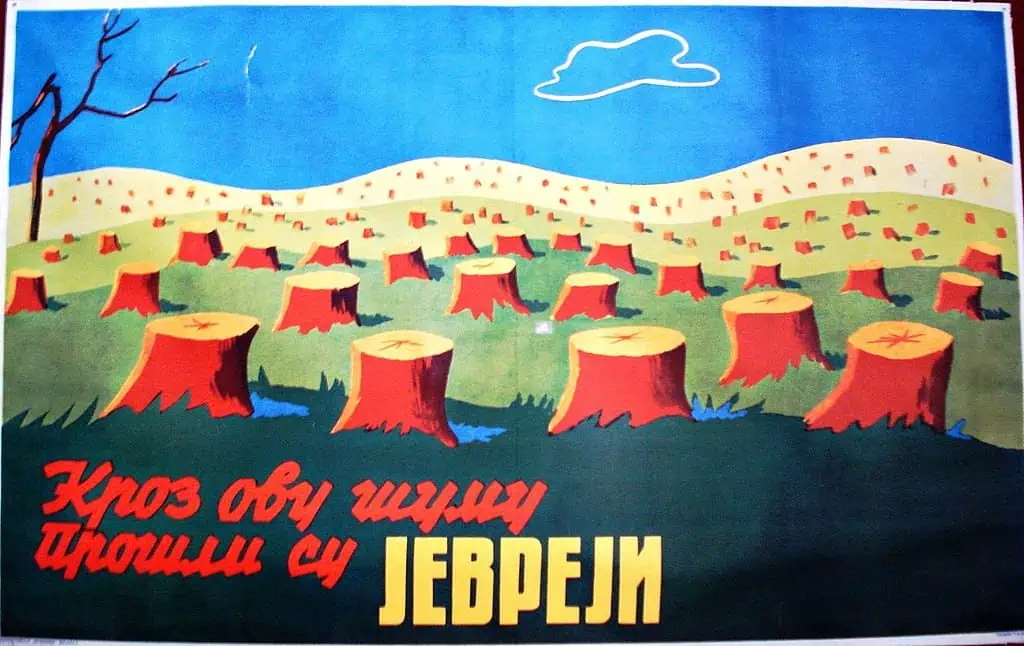
With origins in a German anti-Semitic chant, this phrase has historical associations with anti-Semitism and perpetuates harmful stereotypes about Jewish people. Its association with anti-Semitism has led to its disfavor.
Language is a powerful tool that shapes perceptions and reinforces social norms. As awareness of social issues grows, it’s crucial to critically examine the words and phrases we use, recognizing that many traditional sayings contain elements that are offensive or insensitive in contemporary discourse. By challenging and ultimately discarding these outdated expressions, we can foster a more inclusive and respectful society that values the dignity and humanity of all individuals.
Disclaimer – This list is solely the author’s opinion based on research and publicly available information.
Like our content? Be sure to follow us.
11 Things That Will Vanish With the Baby Boomer Generation

Change is on the horizon, and as the baby boomer cohort gracefully transitions into their senior phase, a consensus among many users emerges: specific facets of life are destined to become relics of the past. Let’s explore a selection of social media remarks that illuminate the potential contours of the times ahead.
14 Modern Luxuries That Were Standard For Baby Boomers 40 Years Ago

In our rapidly evolving world, what used to be standard fare has now become a rarity for many. From tailored clothing to personalized travel, the things we once took for granted are now seen as special treats. In this slide show, we’ll explore how these everyday items and experiences have shifted from being necessities to privileges. Join us as we unravel the journey from common to exclusive and understand the evolving landscape of modern luxuries.