

School rules are supposed to keep things running properly yet they sometimes seem a bit over the top—even teachers admit as much! Many teachers think some of these rules don’t make much sense & might be more trouble than they’re worth but they have to comply since it’s part of their job. Here are ten school rules that some teachers think are quite pointless. It’s quite refreshing to know that we’re not the only ones who think these rules are ridiculous!
Featured Image Credit: HayDmitriy /Depositphotos.com.
Strict Dress Code Policies

Many schools have dress codes but some take it to extremes and overly strict dress codes are as much a hassle for the teachers as they are for students. Spending time measuring skirt lengths or checking if straps are the right width takes away from teaching while also damaging the relationship between teachers & students. Really, minor uniform infractions shouldn’t lead to big punishments.
Prohibiting Hats Indoors

Many schools ban students from wearing hats inside but most teachers think it’s pretty pointless since hats don’t really interfere with learning—telling students to take them off just creates unnecessary arguments. Students wear hats to show their style or cover up a bad hair day & some teachers feel it’s not worth the hassle. Instead, they’d rather spend time teaching than dealing with headwear and you can’t really blame them for this.
No Chewing Gum Allowed

While nobody wants gum stuck under desks or on chairs, some teachers think banning it completely is a bit much because chewing gum may actually help some students focus during class. Teachers would like to concentrate on teaching instead of spending time policing what students put in their mouths. Plus, teaching students to be responsible would stop the gum from making a mess anyway, which is surely better than making them follow a strict rule.
Mandatory Use of School Planners
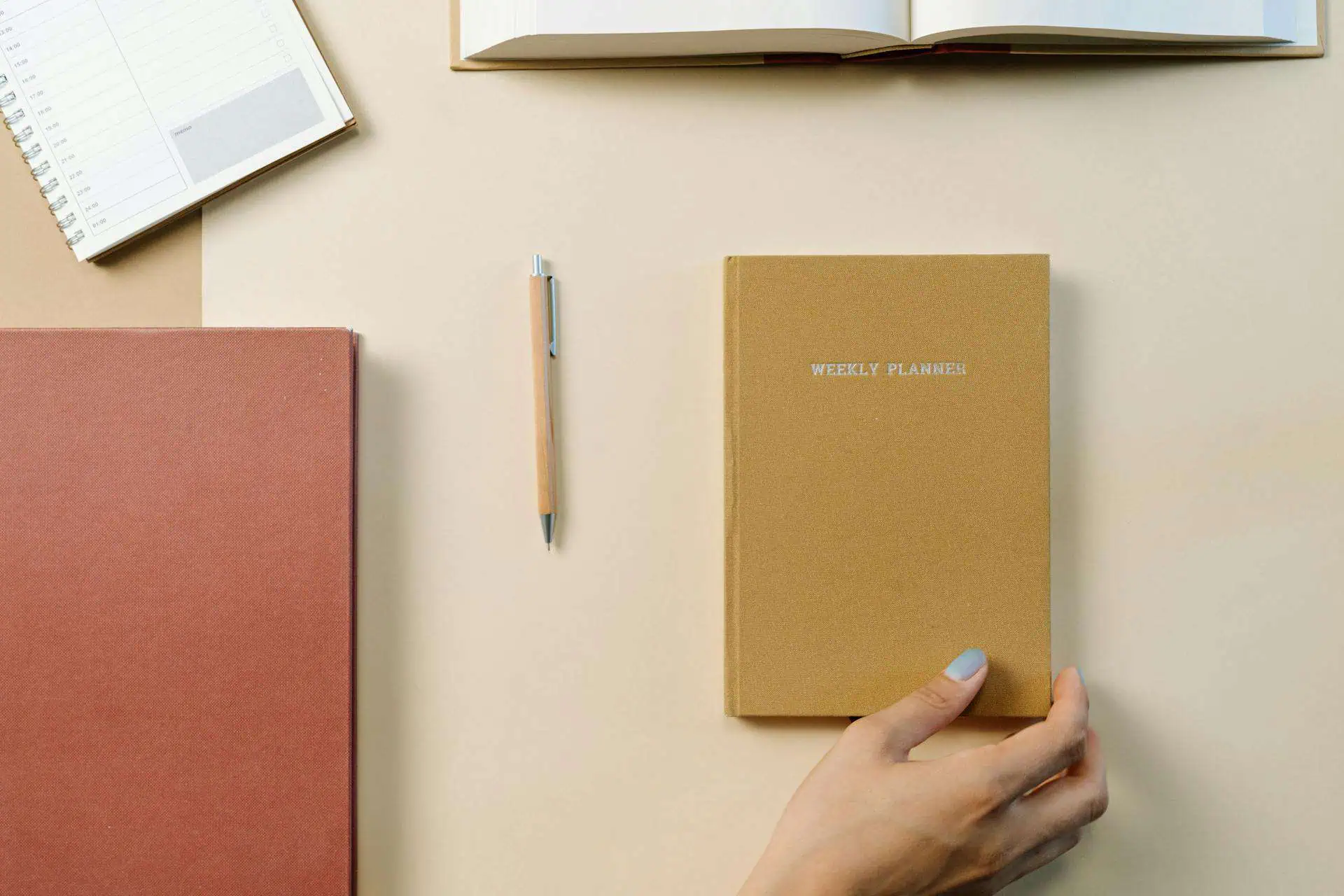
Students in some schools have to use the official paper planner to write down homework & assignments—yet teachers argue that forcing everyone to use a paper planner doesn’t make sense. Many students prefer to use apps or digital calendars on their phones or computers and they should be allowed to do so. As long as students are keeping track of their work, it shouldn’t matter how they do so, especially since using paper planners is quite wasteful.
Zero Tolerance Policies

Zero tolerance rules mean that any violation gets the same punishment, no matter what, and some teachers think this is too strict, nor does it make sense. For example, treating a student who accidentally brings a plastic knife for lunch the same as one who brings a real weapon seems unfair—teachers would rather have the ability to use their judgment. They’d like to handle each situation based on the details because rigid rules do more harm than good.
No Backpacks in Classrooms

Students aren’t always allowed to bring their backpacks into the classroom and the goal is to reduce clutter by keeping aisles clear. But many teachers think such a rule is impractical because without backpacks, students have to carry books, notebooks & supplies in their arms. Teachers often spend time helping students find misplaced things or deal with the chaos of loose paper, creating more problems than it solves.
Restricting Bathroom Breaks

We’ve all had to deal with strict rules about when you’re able to use the bathroom at schools, like only during lunch or specific times. Yet teachers know that you can’t always wait when nature calls and they worry that limiting bathroom breaks may cause health issues for students. Nobody wants a student to have an accident because they weren’t allowed to go—and when you’re an adult, you may go whenever you want, so why not give students the same freedom?
Assigned Seating at Lunch

Students sometimes have assigned seats in the cafeteria but many teachers think this rule doesn’t make much sense because lunch should be a break for students. They should be able to choose where to sit & who to sit with and enforcing seating charts means extra work for teachers. It also stops students from socializing with friends—they should be able to pick their own seats if they behave.
Banning Cell Phones Entirely
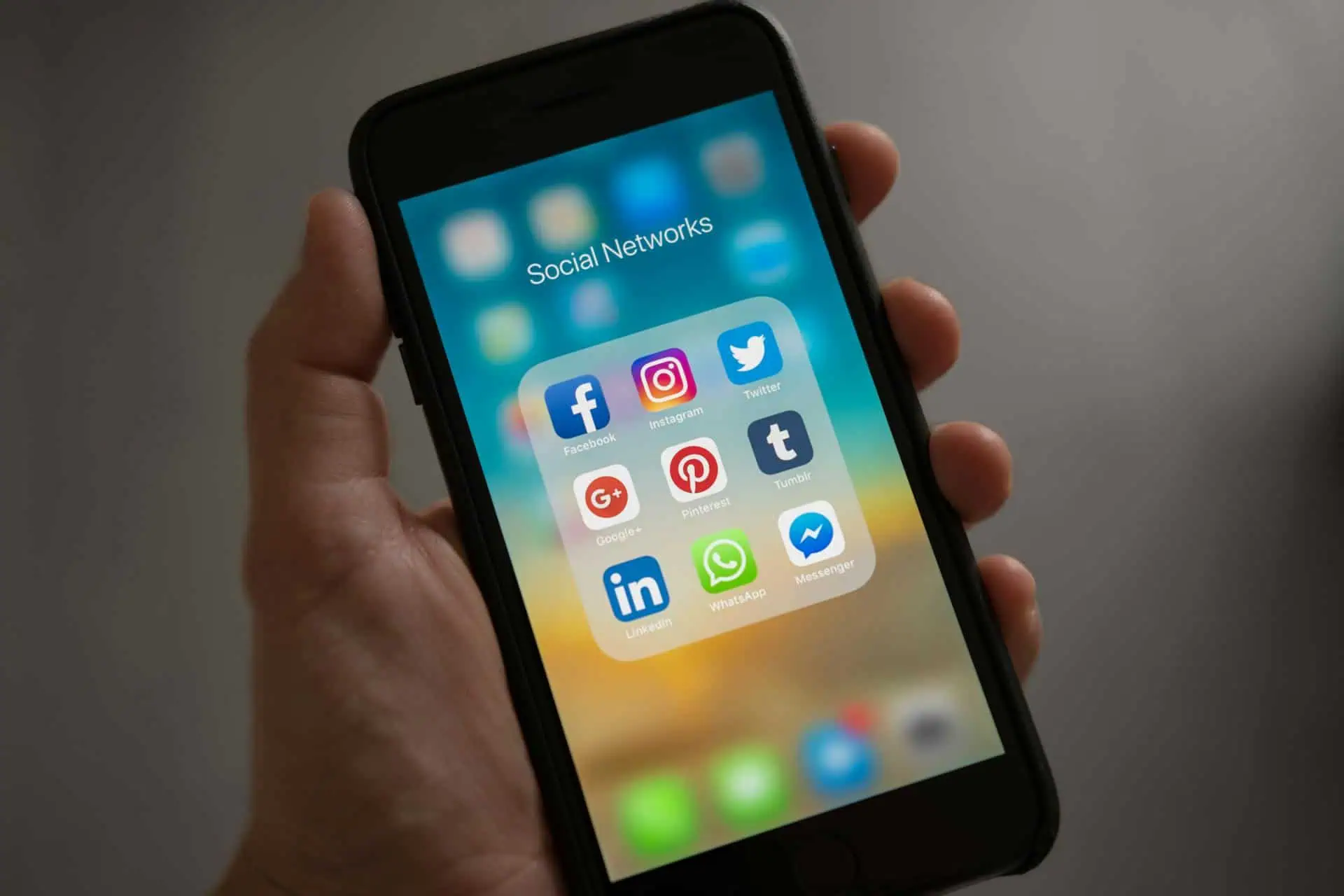
The complete ban on cell phones is rather silly because even though smartphones may be a distraction at times, they’re also useful for research or educational apps. Plus, in emergencies, having a phone is important, which is why many teachers are against a ban. Instead, they believe there should be rules about when & how students may use their phones so that they benefit from technology without it disrupting class.
No Talking in Hallways

In some schools, students aren’t allowed to talk in the hallways between classes, even though such a rule is unnecessary & hard to enforce. Hallways are the only chance some students have to catch up with friends or ask quick questions, so trying to keep everyone silent adds stress. A little chatter doesn’t hurt anyone and, if anything, it’ll help students feel more connected.
Disclaimer: This list is solely the author’s opinion based on research and publicly available information.
Like our content? Be sure to follow us on MSN.


