
You have your gloves & a shiny new trowel, as well as big dreams of growing some fresh tomatoes—but the truth is, gardening has a way of humbling you. It’s the little things nobody warns you about that will really cause you problems. But don’t stress because we’re here to help. Here are ten rookie mistakes that every new gardener makes and how to avoid them.
Featured Image Credit: Koldunova_Anna/Depositphotos.com.
Planting Against the House or Fence
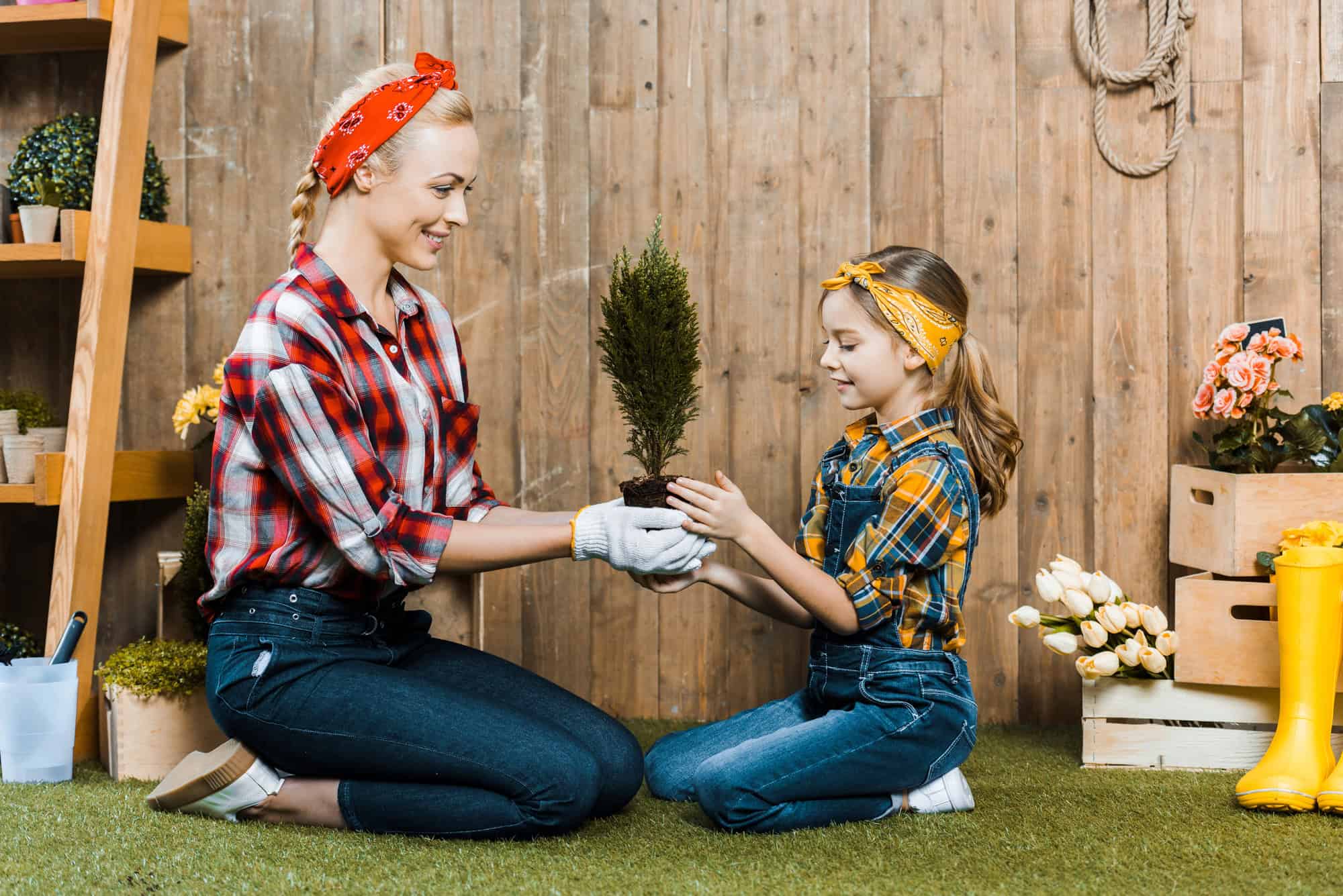
While you might be trying to make that sad little side yard look cute, squishing your plants against a wall or fence is a bad idea because these places don’t get enough sun. They also don’t allow the wind to help your plants, and it also gets much too hot back there, which isn’t ideal for healthy plants. You’ll struggle to weed or prune properly when everything’s crammed like this.
Watering at Night Because It’s Cooler
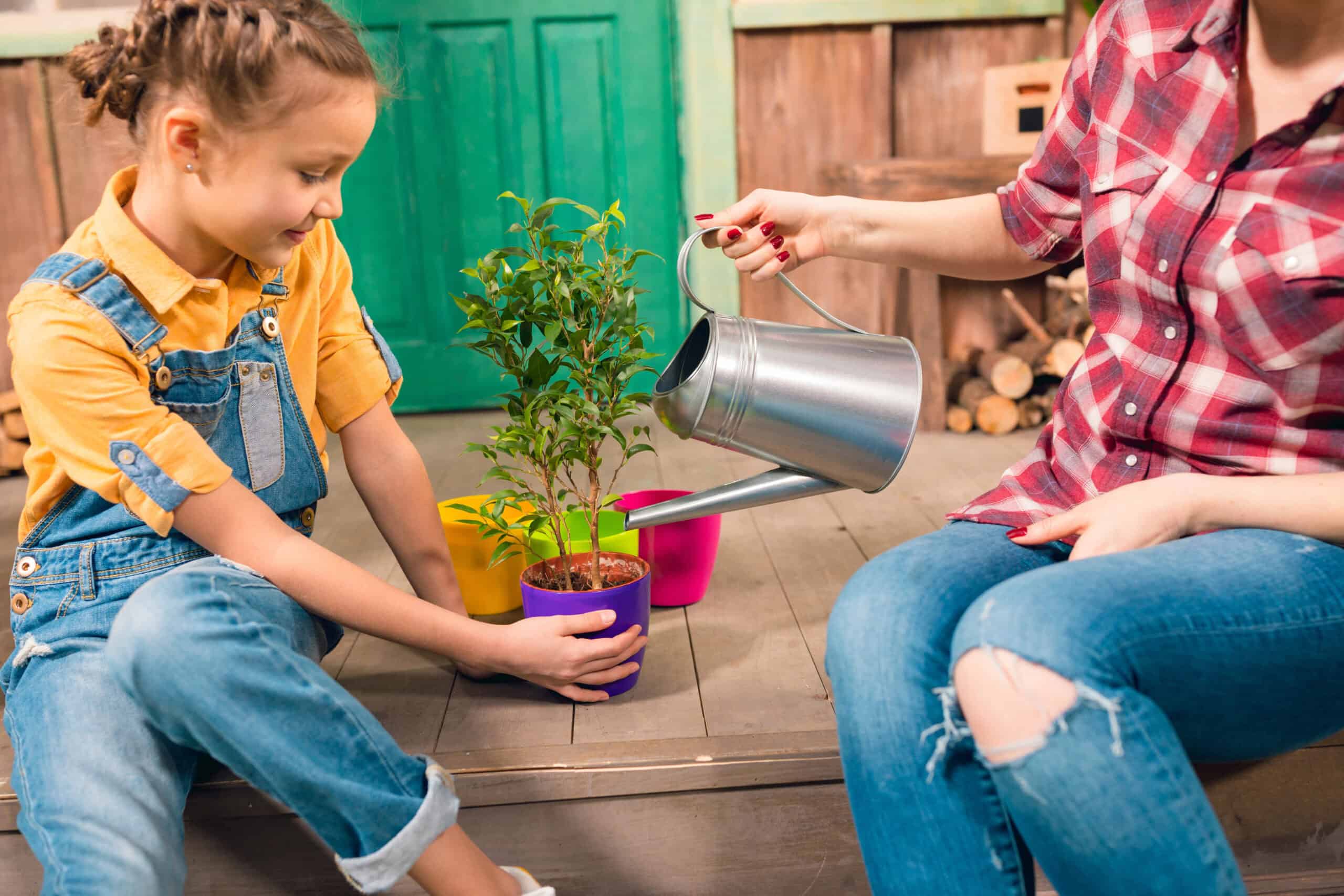
It might be easier to water at night, but it’s not smarter because the water doesn’t disappear, and your plants will be stuck in a damp mess—that’s a breeding ground for fungus. Watering in the mornings is a much better idea, as your plants can dry off & stretch with the sun. At night, water just lingers on the leaves and soil, while morning watering gives the moisture time to soak in and the rest to dry out.
Using Bagged “Garden Soil” in Pots
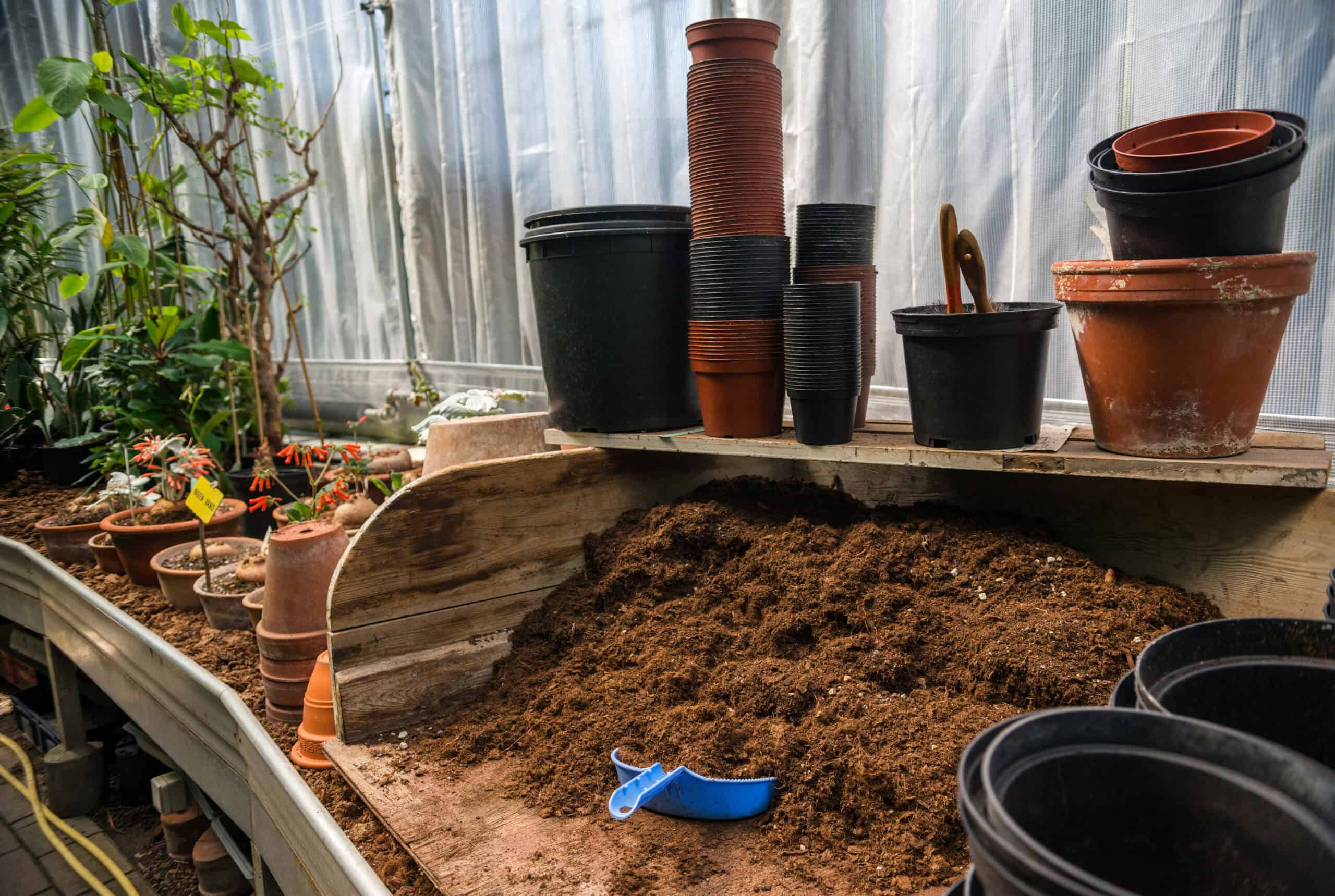
Those giant bags at the store that say “garden” aren’t what you want for your cute patio pots because that stuff’s made for the ground. Garden soil in a container turns into a heavy, soggy mess that chokes roots and holds way too much water. Instead, using potting mix is a much better idea since it has better drainage & it’s lighter. It also includes things like perlite or coco coir that help with airflow.
Reusing Last Year’s Potting Mix Without Refreshing It
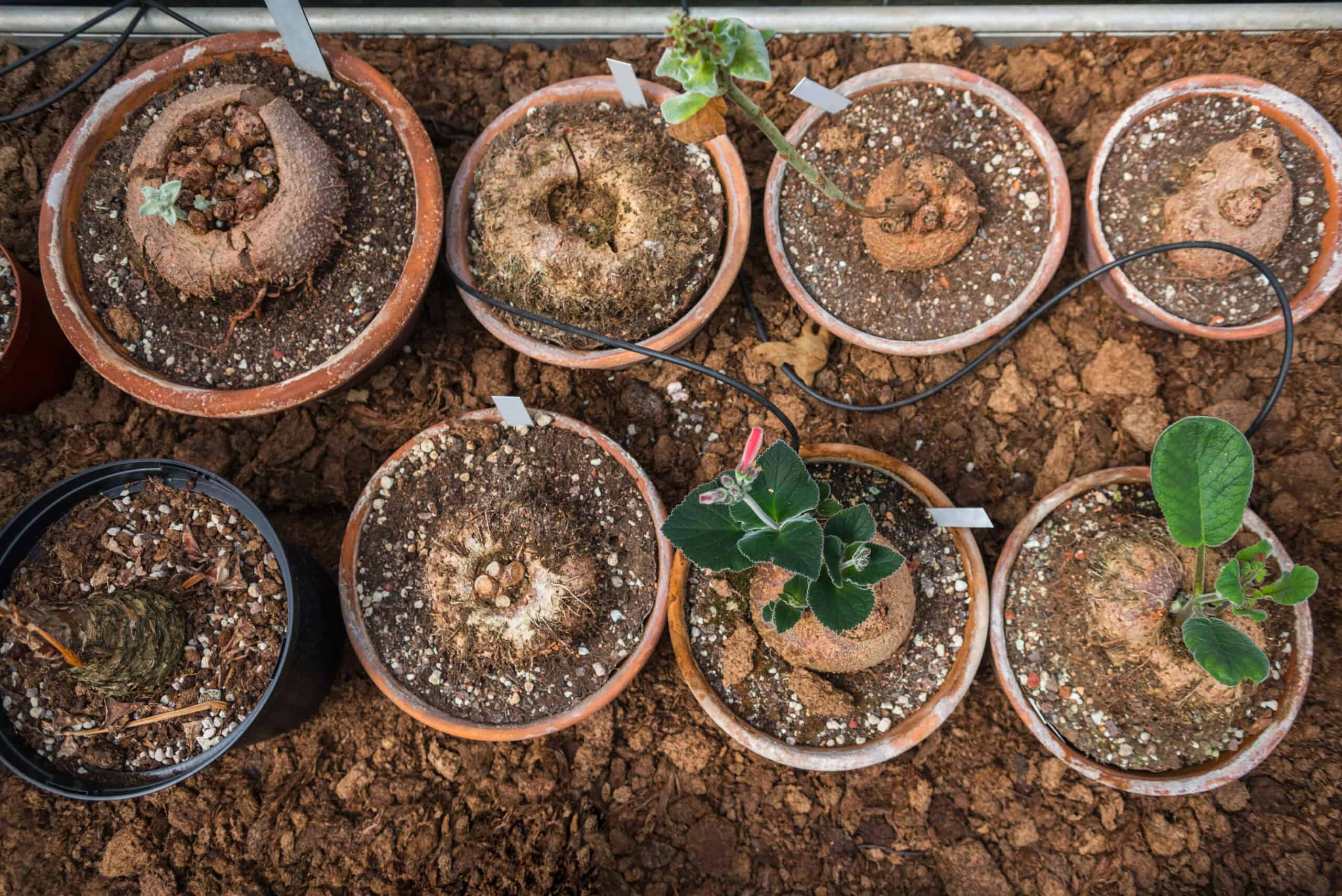
Speaking of potting mix, it’s not meant to be forever, and you should think of reusing it like reusing bathwater—it might technically work, but it’s gross & not doing anyone any favors. If you’re insistent on reusing it, mix in some fresh compost or new soil to give it a refresh, as over time, nutrients wash out. The mix also just loses its fluffiness, which plants absolutely hate, and there could also be pests or fungus from last season lurking in there.
Ignoring Plant Spacing Guides
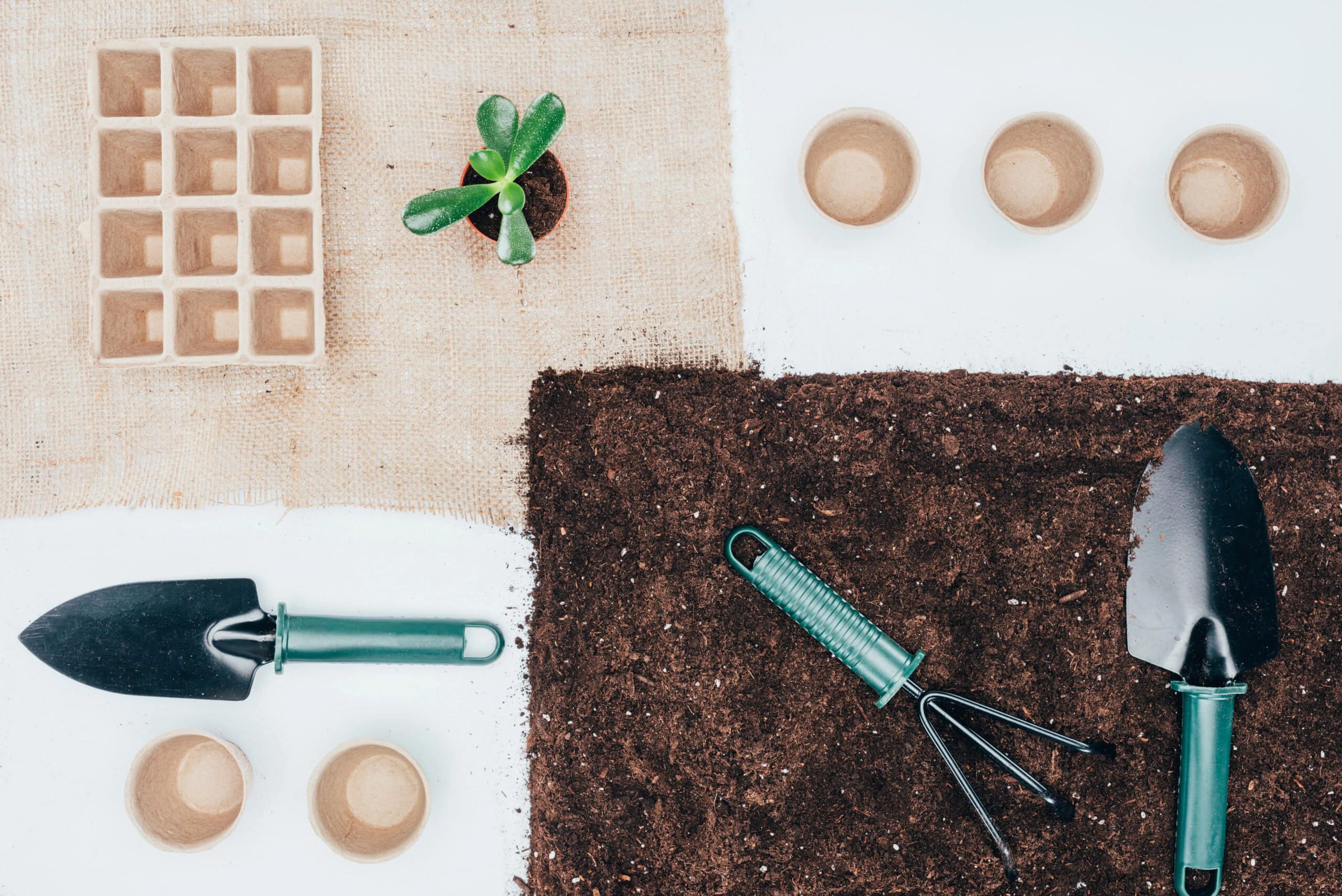
We all hate being crammed into a tiny elevator with a bunch of people, and plants feel the same way—you have to follow those little spacing charts on the seed packet. Having too many plants close together causes bad airflow & reduced sunlight, as well as more bugs. Crowded roots cause issues underground, too, since they suck up water and nutrients faster than you can replace them. Soon enough, your “full” garden will become an overgrown patch where nothing has space to thrive.
Over-Mulching and Burying Stems
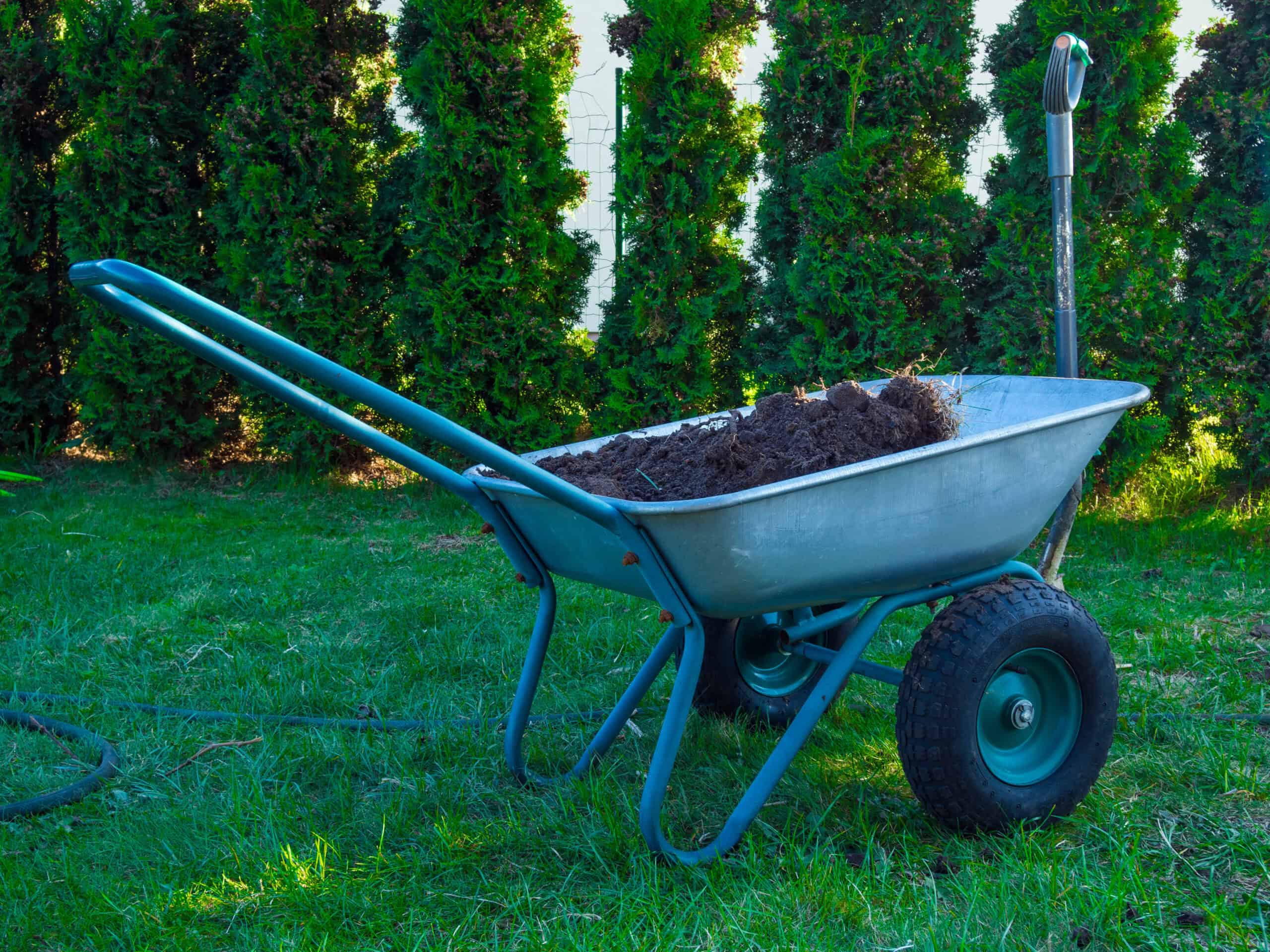
Mulch is something that works well, but often goes too far—dumping a huge pile and burying the plant’s stem keeps everything damp and could rot the base. Leave some space around the stem so it’s able to breathe, and remember that two to three inches is usually plenty. You should also make sure it’s spread out evenly since mulch piled too high attracts pests like earwigs and slugs who love the damp. It could also block rain from actually reaching the soil if it crusts over.
Not Checking Drainage
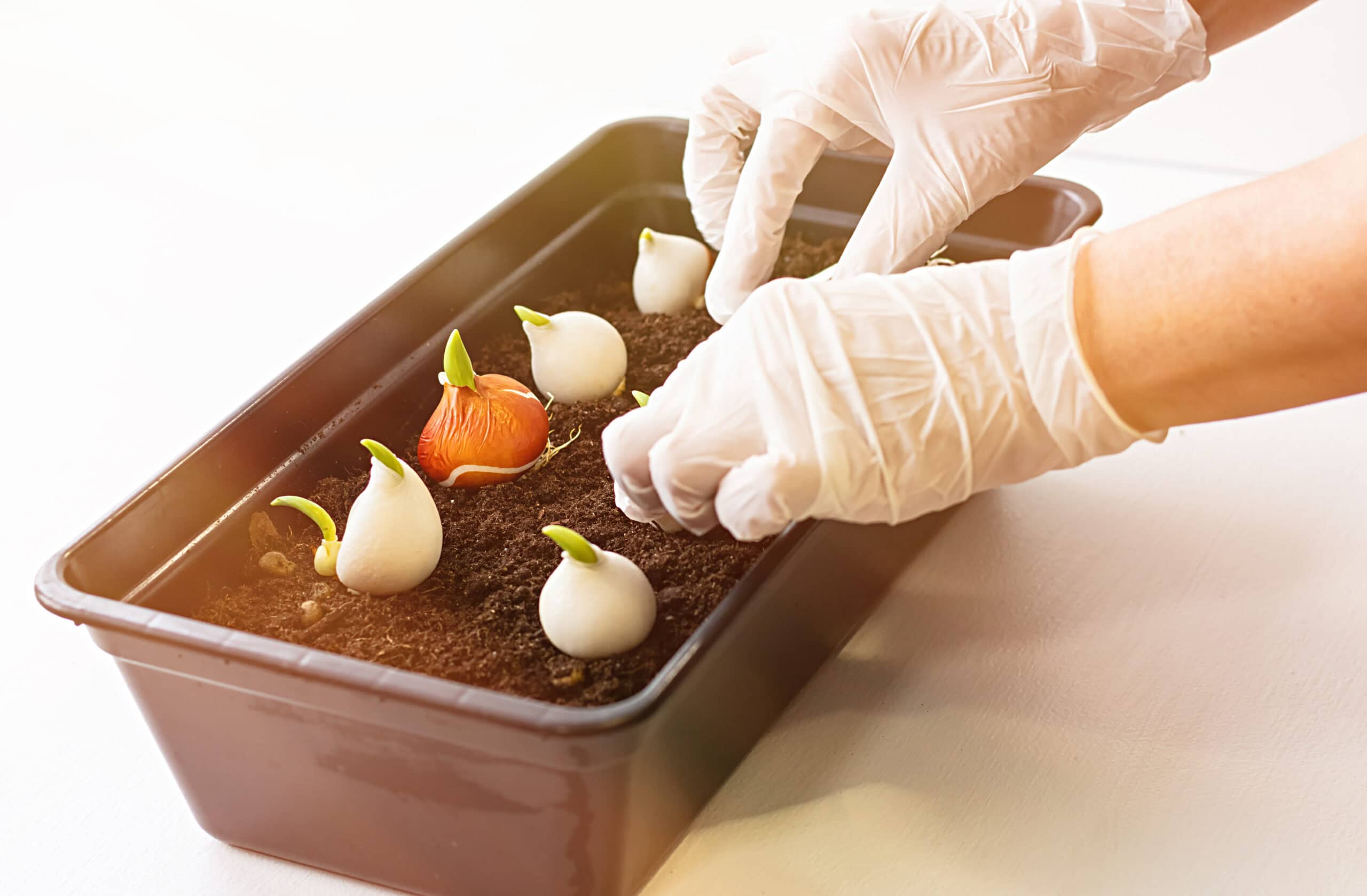
People love using whatever containers they have, like yogurt cups or soup cans, for their plants, but if the water has nowhere to go, then the roots will drown. You don’t wanna turn your seed tray into a swamp, so make sure whatever you’re using has holes. If it doesn’t have any, go and make some by using a drill or a fork—this is especially important for seedlings, as too much moisture will make them rot before they ever get a chance to grow.
Using Fertilizer Too Early On Seedlings
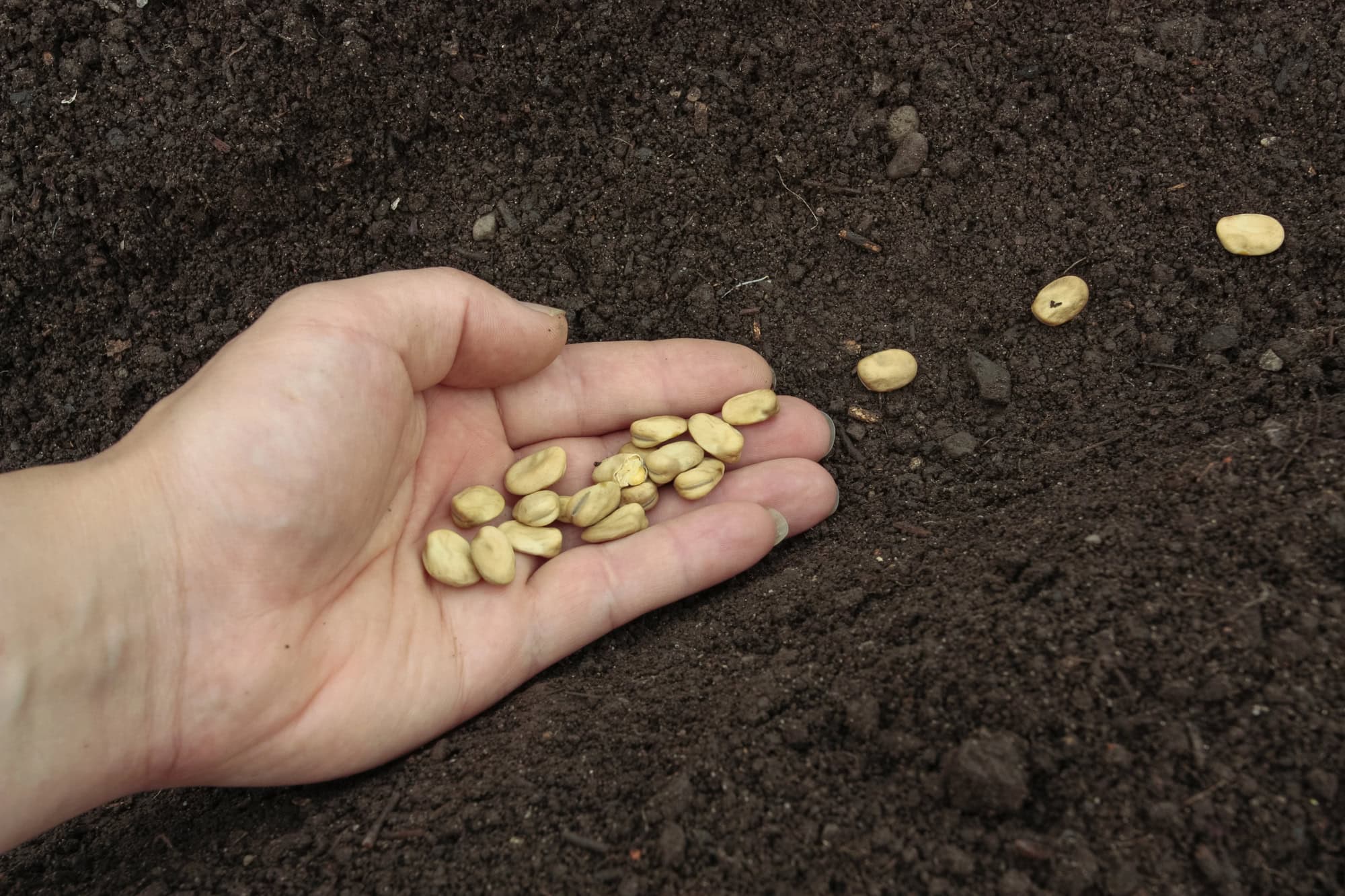
New seedlings don’t need fertilizer right away because they have all they need in the seed itself for a while—putting in fertilizer too early could burn them or make them grow weirdly. You should wait until the seedling has at least a couple of true leaves before adding anything extra, and even then, go easy. Try using diluted fertilizer and watch how the plants respond.
Skipping the Label
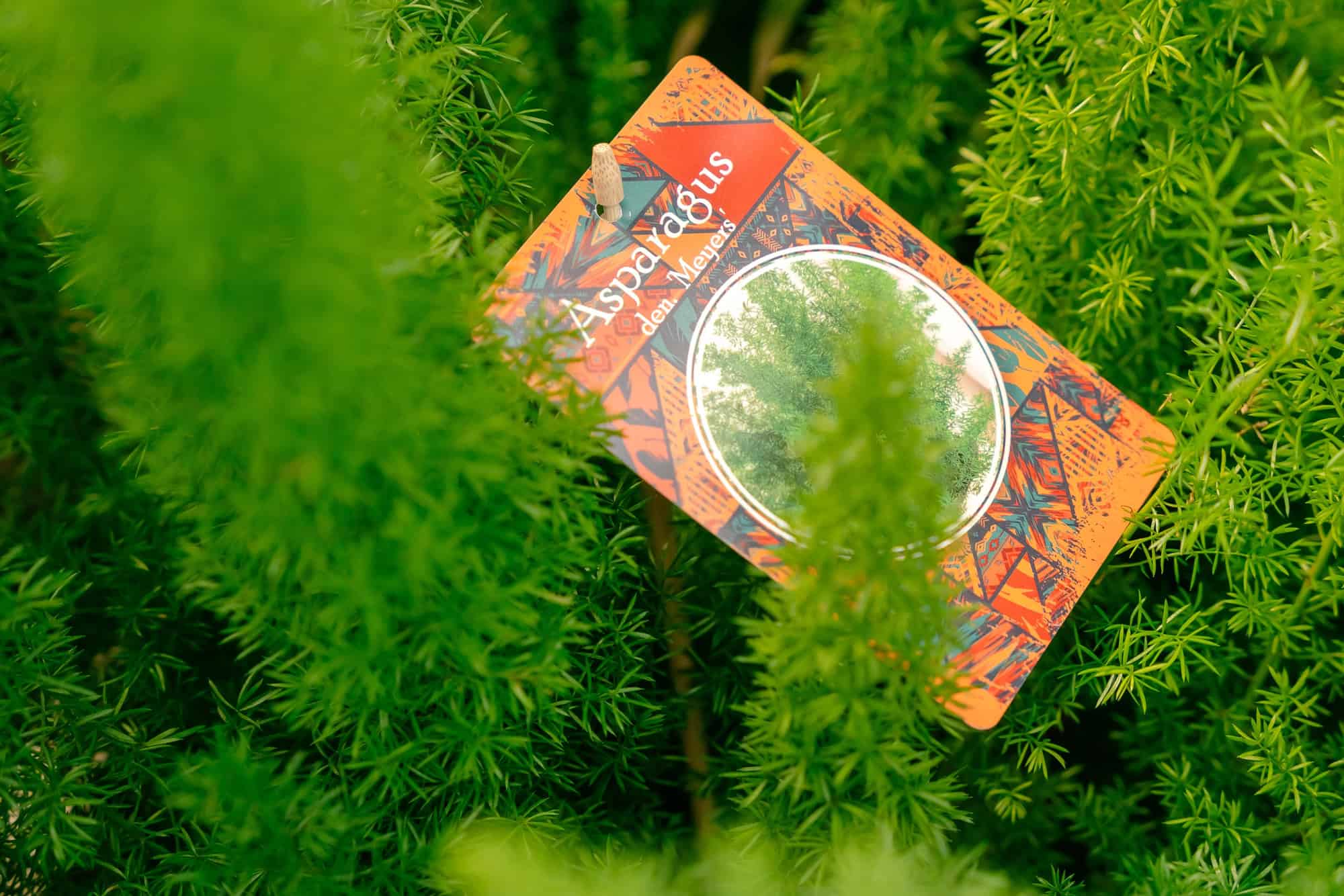
Every gardener says, “I’ll remember what this is,” at one point, right before forgetting which sprout was basil and which was a weed—once they grow a little, the plants all start looking the same. Just get a popsicle stick or something and label them, as it just takes a few seconds to stick a label in the dirt. You may want to use a waterproof marker, too.
Starting Too Many Seeds at Once
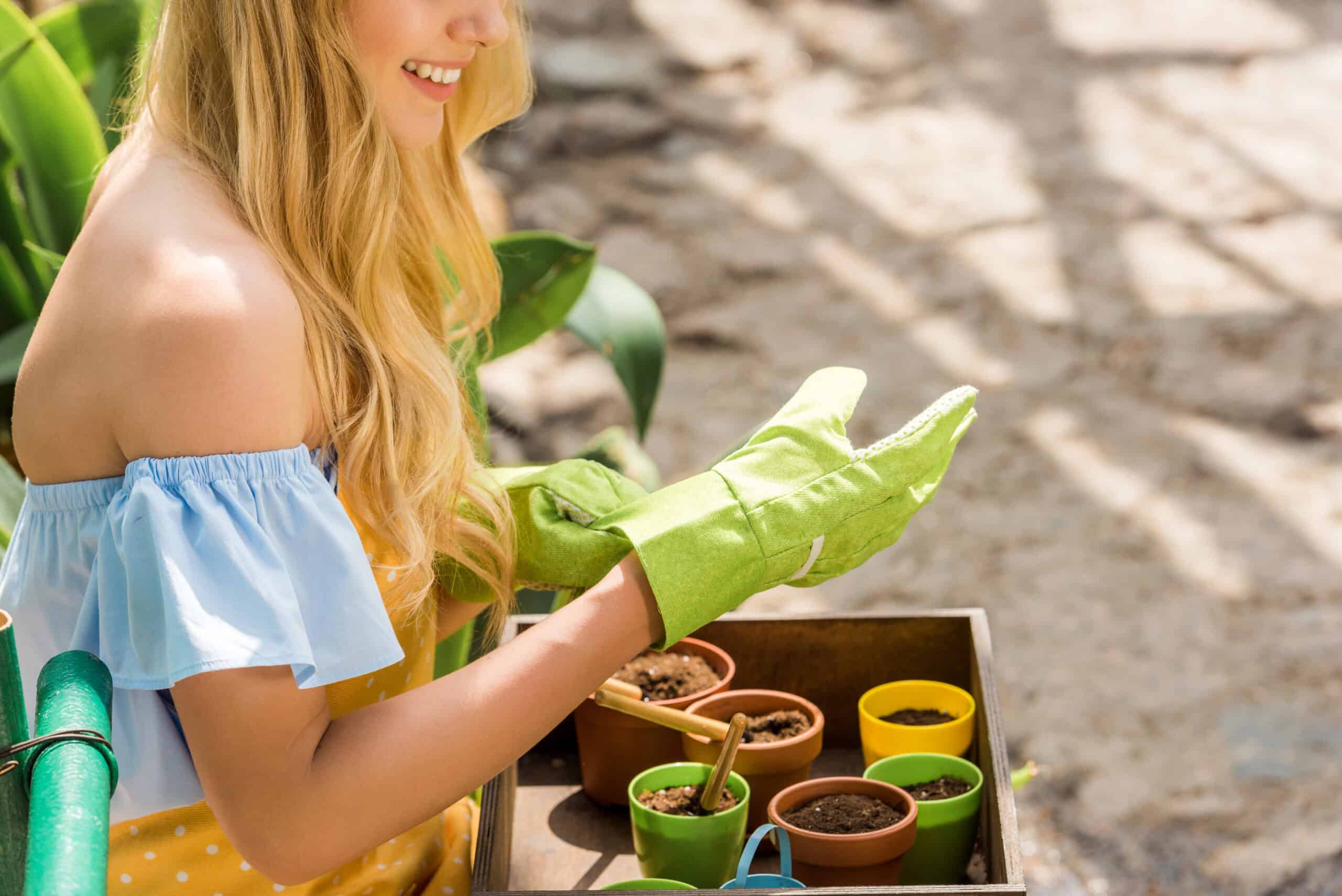
You may be tempted to plant a ton of seeds when you’re excited about gardening, but you’ll probably just plant a lot more than you can handle. Once those seedlings come up, you have to water them & pot them, then eventually plant them outside—it’s quite a bit of work. It’s better to start small and see how much time and space you really have, especially since you can always plant more later. Once they sprout, they’re your responsibility.
Disclaimer: This list is solely the author’s opinion based on research and publicly available information.
Like our content? Be sure to follow us.
Read More: