

Below is a list of U.S. states ranked by estimated average IQ in 2025.
North American Community Hub Statistics and World Population Review estimated the national average IQ in the USA to be around 98. As a comparison to the lowest scores below, Massachusetts and New Hampshire score the highest with average scores near 104–105, attributed to their educational advantages.
The 2025 state data is derived from public tests and surveys based on education with adjustments for population and sample sizes. The data show average results and have many limitations and cannot represent the complete range of reality.
Please remember that some regions in the country are still facing so many challenges with schools, funding, infrastructure and resources that contribute to this lower average. Behind the data are real individuals, both children and adults, who are naturally intelligent in various forms that these standard tests cannot measure.
Mississippi

Mississippi has an average IQ of about 94.2. In Mississippi, there are schools that are just barely scraping by with what they have. And college seems light years away and children face problems with health and nutrition. All of that combined drags down the state score.
Louisiana

Next we have Louisiana with an average IQ of 95.3. Schools are still behind in many regions of the state. Many children grow up in poverty-stricken areas with little to no academic support.
Adults face tough situations when they need to improve job skills through training programs and skills evaluations.
California

California’s IQ is 95.5, which may surprise many. Within the same state, you can find pockets with some of the highest performing schools and universities in the world. A few hours drive in the opposite direction, and students may not have even have the basic supplies to learn, or don’t speak the language. So, the final number represents an average that paints this gloomy picture.
Hawaii

The IQ in Hawaii is approximately 95.6. That’s low for such a beautiful state. But, being an island means everything is more costly and difficult to obtain: schools, teachers, textbooks, etc.
Children are diverse here and they come from different backgrounds and even speak different languages. So the exams sometimes fail to accurately represent the students here. Combined, all that brings the score down.
New Mexico

New Mexico gets 95.7. It’s one of those states where rural lifestyles make education difficult. Some children must travel for hours to get to school. Many schools have funding issues, and a lower percentage complete post-secondary education.
Alabama
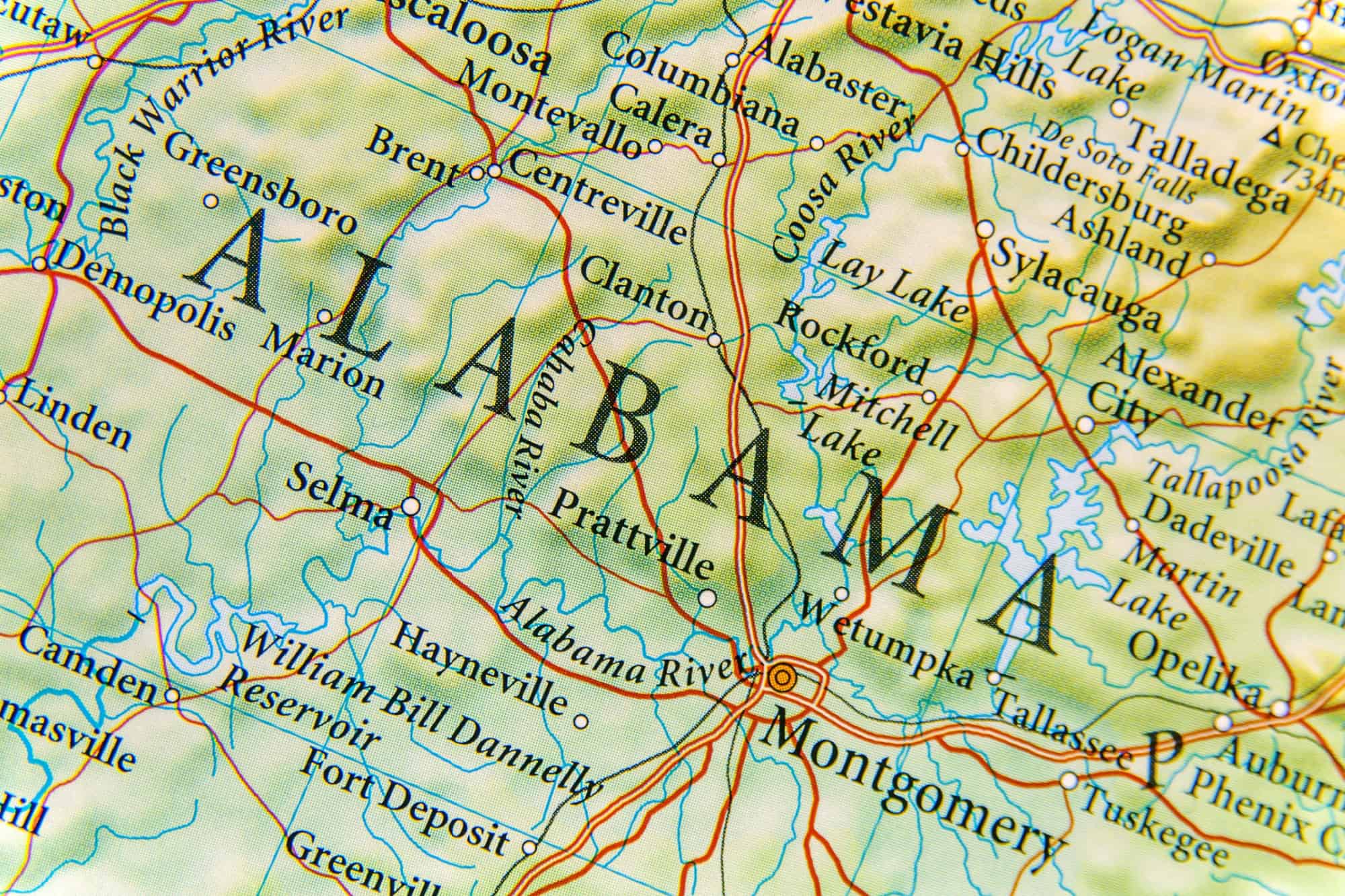
Alabama’s state IQ is about 95.7 as is the case with New Mexico. A large number of children attend rural schools with underqualified staff and limited resources.
Financial and medical issues families face can distract them from education. All that adds up and is reflected in the IQ state score.
Nevada

Nevada’s IQ is approximately 96.5. The state has some densely populated urban areas as well as vast rural regions. It has a lot of immigrant families, many of which speak a language other than English, and there is substantial inequality in its educational system.
Arizona

IQ in Arizona is about 97.4. Some children have good schools, some have poor ones. Large Native American and immigrant populations don’t always conform to standardized test formats. That combination lowers the state average.
Arkansas

At 97.5, Arkansas is at the lower end. Rural school systems and lower family income make it difficult for children to advance. Education is below the national average, which is reflected in the state score.
Tennessee

Tennessee scores a 97.7. Some schools are good here, some are barely hanging on.
Rural children have less access to support than urban children. Poverty and health disparities contribute to the problem, and all together the state number is dragged down.
Georgia

Georgia’s average IQ is 98.0. Atlanta and other neighboring cities do well, but small towns and rural communities are often overlooked. Schools can be of low quality and poverty is an issue here.
South Carolina
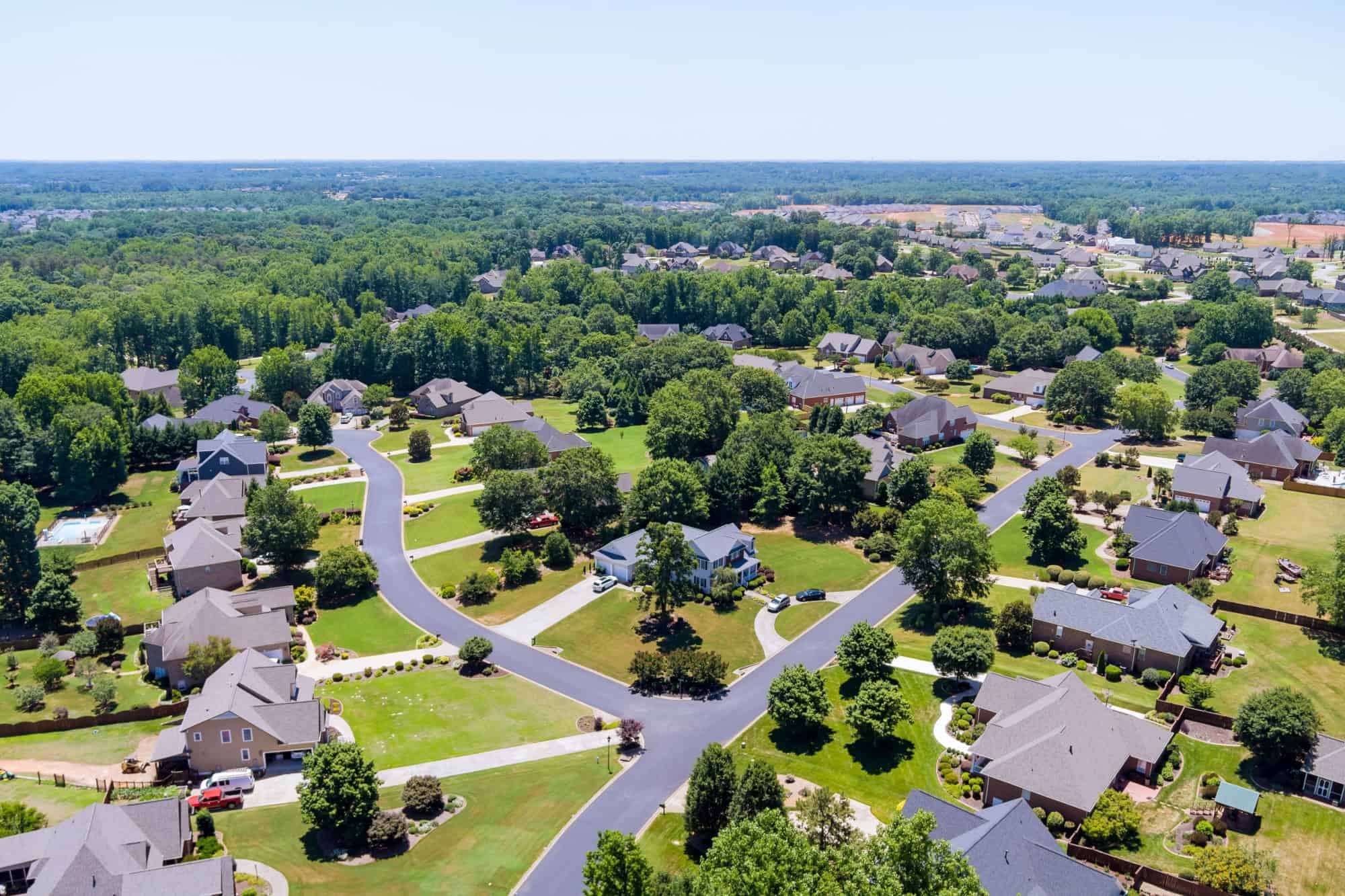
South Carolina’s average IQ is around 98.4. Some of the urban areas are doing well, but most of the rural areas are below standard. Children have to travel a long way to get to good schools, and family help can be limited. The gap between the better and worse areas is bringing down the average for the state as a whole.
Florida
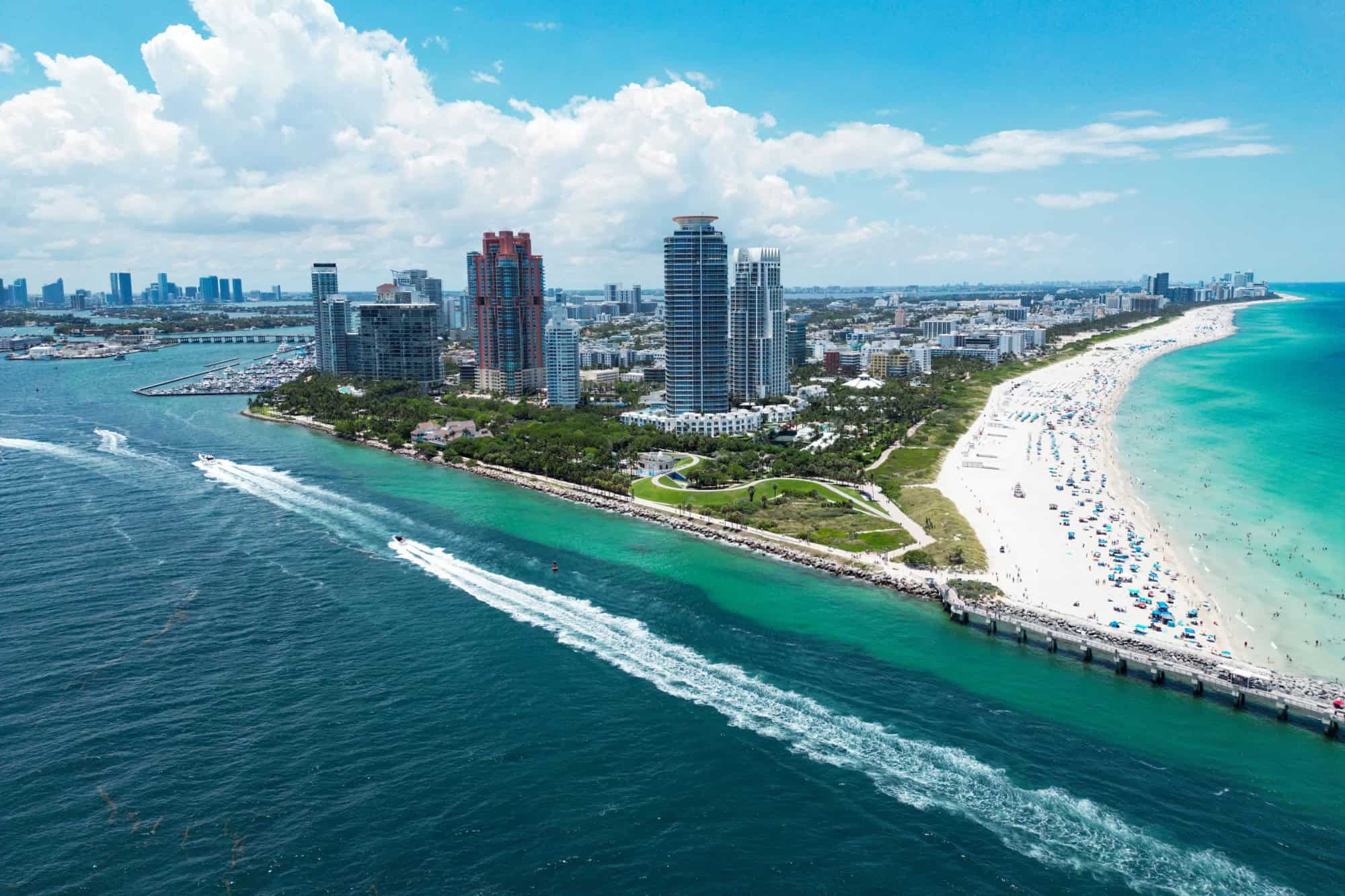
Florida scores 98.4. The wealthy coastal communities in Florida do well, but there are pockets of struggling municipalities in rural inland areas that have poorer schools and lower incomes. The large diversity of language speakers as well as retirees also brings down the statewide average with this patchwork of differences.
West Virginia
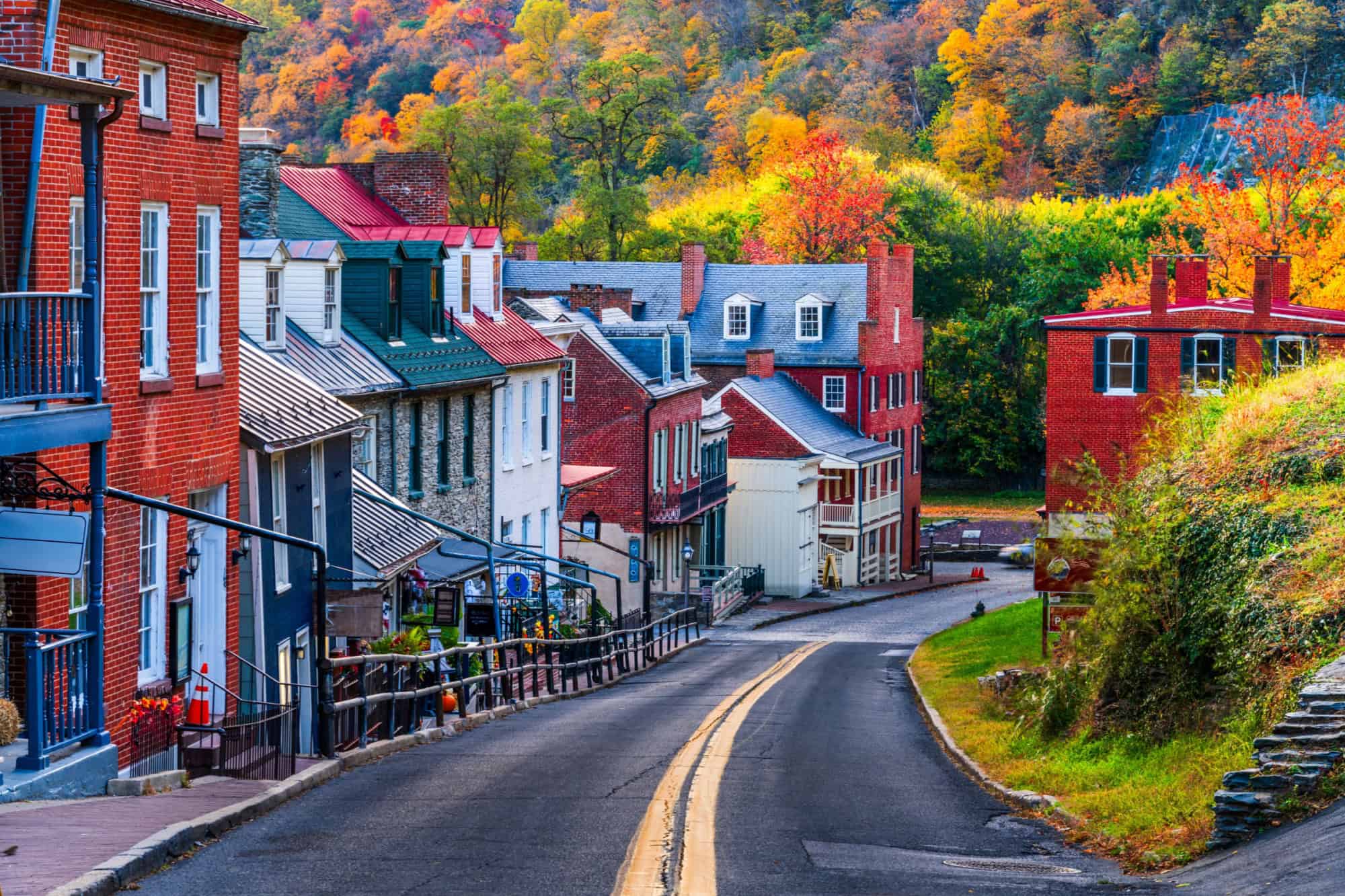
The average IQ in West Virginia is about 98.7. Lots of children in the state live in rural areas where there’s no school nearby, few jobs, and families with health and financial struggles. The mix just sort of brings the number down slightly.
Alaska

In Alaska, the score of 99.0 demonstrates the impact of distance and diversity. Although some resource-rich communities have above-average access to high-quality schools, many rural or Native communities have fewer opportunities for their children.
Oklahoma

The average IQ in Oklahoma is approximately 99.3. Some towns have higher-quality schools than others. Rural kids suffer from long commutes, less educated parents and family financial problems. And all these factors are responsible for the poor state score.
Kentucky

Kentucky’s IQ is approximately 99.4. Some communities have relatively good public schools, but many children who live in rural areas struggle with the quality of their schools and lack of opportunity.
The income levels and health status of families also contribute to Kentucky’s IQ.
Sources: Please see here for a complete listing of all sources that were consulted in the preparation of this article.
Related Stories:
