

Buying in bulk usually feels smart. But then half of what you stored goes bad before you ever had a chance to use it, mostly because a lot of everyday items don’t age well at all. Here are ten things you should avoid stockpiling because they expire so quickly. Which of these has gone bad for you before?
Brown rice

A huge bag of brown rice isn’t supposed to stay in your pantry for years because the natural oils in the bran layer will break down after a few months. You may notice that the rice has a weird smell & taste.
However, that’s not to say that you can’t keep rice at all, since white rice lasts practically forever. Keep brown rice in your fridge or freezer for a longer shelf life.
Whole-grain flour
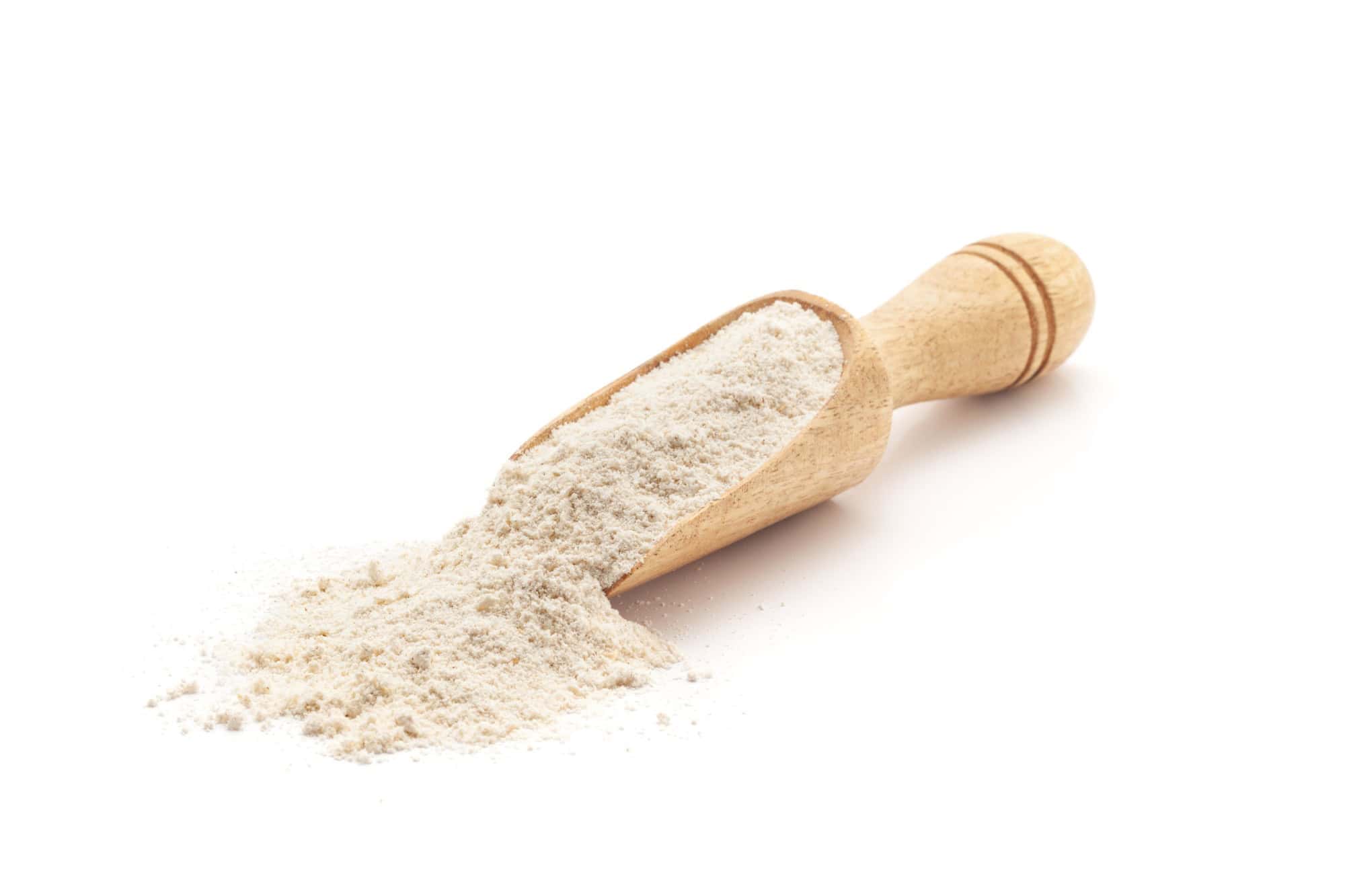
Flour that smells off does so for a reason. Whole-grain flour contains bits of wheat germ that contain oil, and you can’t leave this oil sitting around for ages.
Instead, keep the flour in the freezer or the fridge. Leaving it at room temperature will give you a couple of months maximum before the flour begins to taste more nutty than you might like.
Vegetable oils

Unfortunately, many people forget to check the date on oil because the bottle looks fine. That’s not good. It’s okay if it stays unopened, but once you open the bottle and expose the oil to the air & light, it’ll start breaking down.
It takes just six months for that fresh oil to taste more like crayons than anything good. Keep any unopened bottles in a dark cabinet to make them last up to a year.
Baking powder
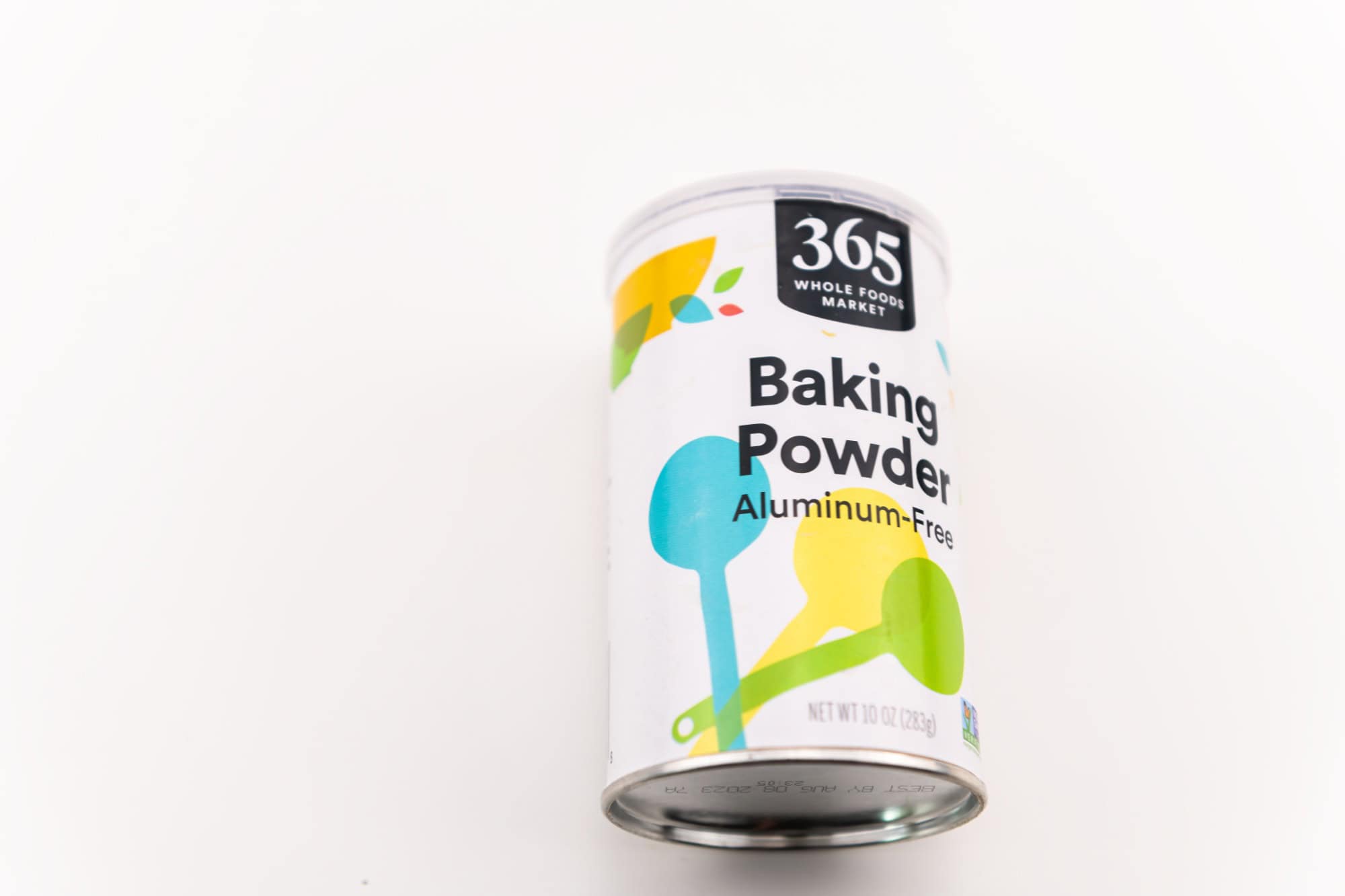
Pancakes that come out flat are likely caused by bad baking powder. Just as with oil, air & humidity cause the powder to lose its potency, even though it might still look normal.
It won’t make your cakes rise in the way that they used to. You should try to replace baking powder roughly three months after you open it, or else you’ll suffer from lackluster cakes.
Hydrogen peroxide
Chemicals have a shelf date, too, and a bottle of hydrogen peroxide won’t last forever. Once you’ve opened the bottle, it will eventually turn into plain water, and light & air speed up the process.
It doesn’t matter that the bottle itself looks fine. Most bottles lose their punch after a year, so you should keep a fresh one on hand & label the open date next time.
Household bleach
Bleach has a similar issue to hydrogen peroxide. While it may smell strong forever, it doesn’t stay strong because the chemical inside, sodium hypochlorite, starts to break down in six months. It breaks down faster in heat.
The bleach may still clean, but it won’t disinfect anything in the way that you would like.
Sunscreen

Check the date on any half-used tubes of sunscreen because it also breaks down over time. After three years, it’s often useless. The rate at which it breaks down is faster when you leave it to bake in a hot car or bag.
However, you may not notice it because it still looks the same. But it won’t actually help your skin in any meaningful way.
High-acid canned foods

Yes, cans of tomatoes & peaches do taste tangy, but they unfortunately don’t last as long as you might think they should. The acidity of some fruits and vegetables will eat away at the can lining after roughly a year and a half.
As long as the can is in good shape, the food should still be safe. It may not taste or look good, though.
Active dry yeast
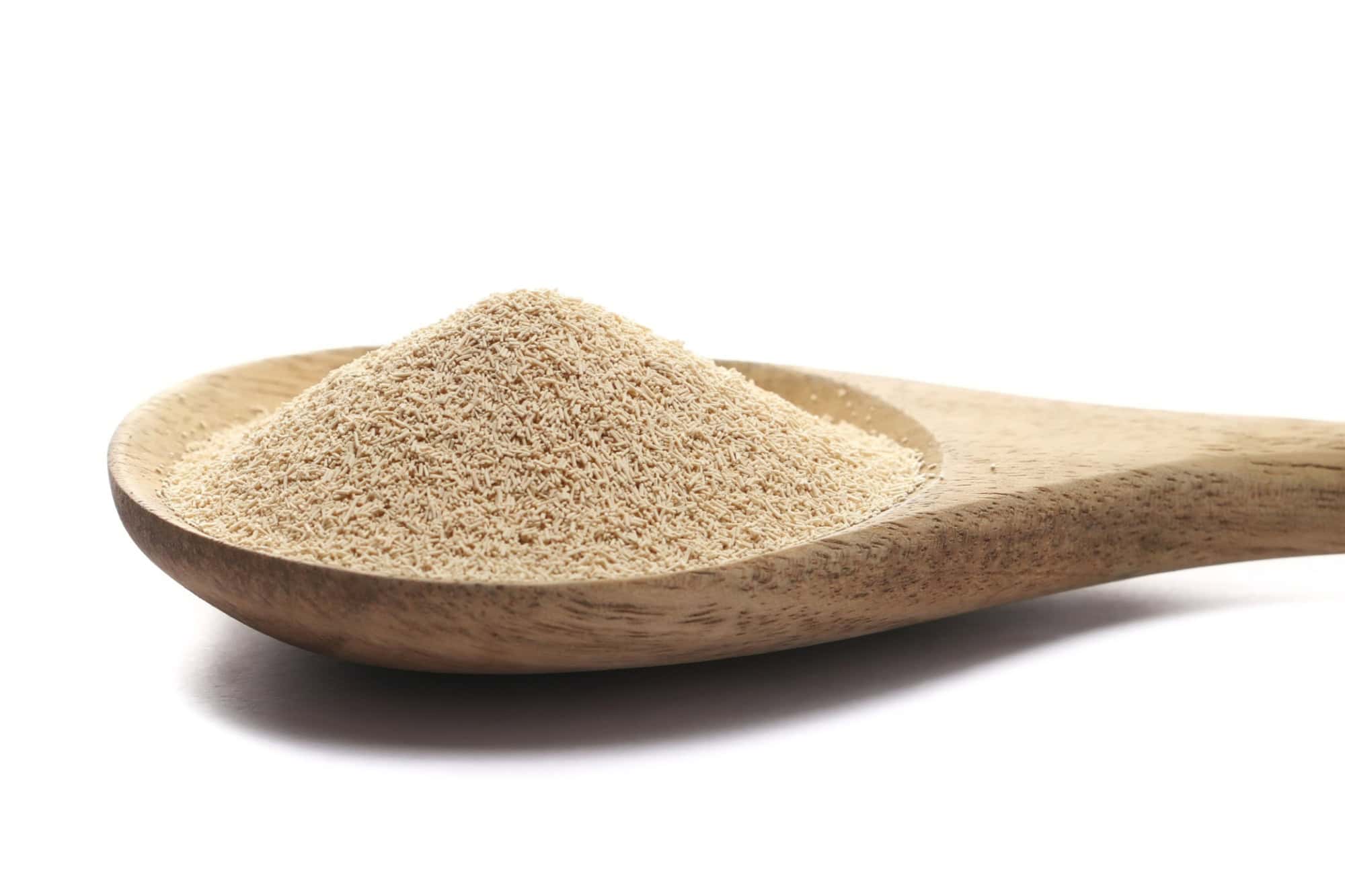
Yeast is a living thing. And like most living things, it doesn’t last forever. Moisture & air will start wearing the yeast down as soon as you open a jar or packet of it, and it will only last around four months in the fridge.
It’s six months maximum in the freezer. Using old yeast is going to ruin your bread, so it’s better to stick with fresh batches.
Coffee

Coffee is a little more difficult to judge because it smells amazing even when it’s not fresh anymore. However, coffee’s oils & flavors begin to break down as soon as you roast them.
Ground coffee becomes stale within a week. Whole beans? They might last three. But either way, making a smaller batch will give you a fresher cup of joe. Bulk coffee isn’t worth it.
Sources: Please see here for a complete listing of all sources that were consulted in the preparation of this article.
Related Stories:

