

The holiday season is a time of goodwill, but it’s also when scammers ramp up efforts to take advantage of that goodwill. Lots of Americans are in the giving spirit at year’s end, and that’s precisely why you see these scams during the holidays. It’s fascinating to see the ebb and flow of these schemes from one holiday season to the next.
The idea in this post is to offer you some easy-to-recognize red flags and simple protective steps you can take to safeguard your finances. Charity scams succeed by relying on our emotions, using well-known charity names, and pressuring us to act now. Spotting them is simple once you know what to look for. I’ve listed the most common holiday charity scams and how you can avoid them.
Fake social media campaigns

One scam many people saw during the last holiday season was fake charitable requests. Fraudsters copy or closely mimic names and logos of familiar organizations, so upon a cursory glance, it appears to be authentic.
People who click without additional investigation have found funds directed to fraudulent accounts. A more secure alternative would be to visit a charity’s actual website rather than clicking on random links. Take an extra moment to verify the URL in the address bar, and ensure the page itself is secure before making a donation.
Gift card “donations” scams
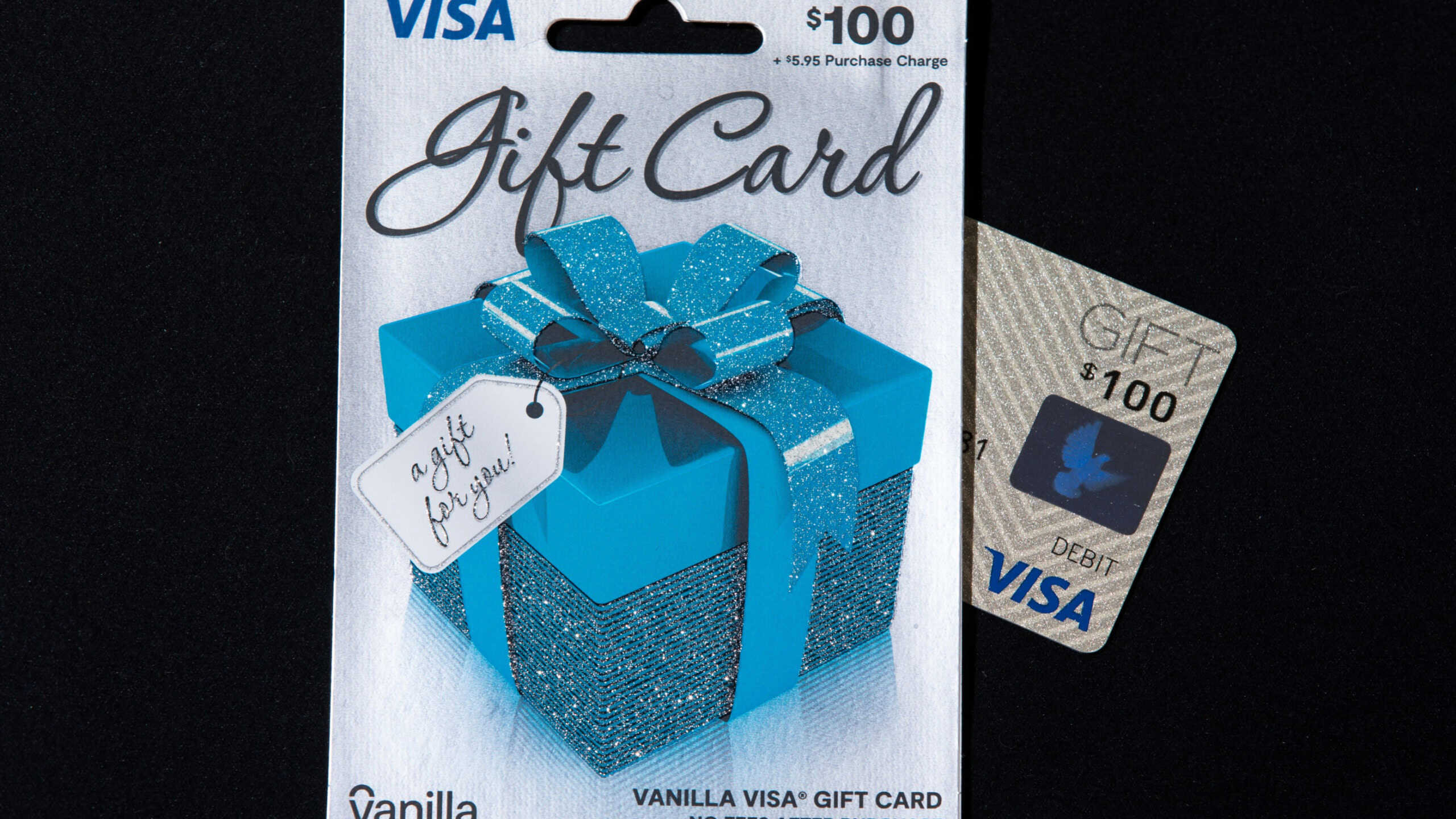
During the last holiday season, many people got texts or emails saying the only way they could donate was with gift cards. The messages might use sob stories or “time is running out” scare tactics. Legitimate charities don’t work this way. No real charity collects gift cards or asks for payment in weird ways. The simplest way to stop this is to just never give through gift cards.
Bogus online shopping or auction sites for charity

Some phony sites emerged last year saying that with every purchase, money would go to charity. Shoppers ordered and sent in their money for a good cause, and received nothing. Thrown together at the last minute and disappearing after the holidays, these sites can easily be detected. Check first if the group is on a reputable charity listing. Read a few reviews and you’ll get a good feel for whether the site is real.
Phishing emails impersonating known charities
Spoof emails from familiar charities can be very convincing. The design is familiar, the logo may be right and the message tugs at the heart strings, but the links open up to malicious sites. So, if you receive a message out of the blue, asking for money, check the sender address. Scammers often change a letter or two to make their email address look genuine. If you are unsure, open your browser and type the URL of the charity directly. Never click on the link provided in the email.
Holiday job scams disguised as charity work

Some scammers have pretended to be charities that were advertising seasonal jobs or volunteer opportunities. They ask the victims to pay for the training programs, processing, or security checks even before they get the job.
Check with the charity’s actual website or call the HR department to confirm job openings. Ask for a person’s name and direct number. If you are asked to pay money before starting work, leave that opportunity alone.
Anonymous or unverifiable donation channels

Some scams pop up on private pages or questionable fundraisers that share very few details. These are accounts without a real name, without an address, without a phone number, without anything that can help you identify who is behind this request for funds. Most of these don’t even explain where the money will go, another red flag.
Legitimate charities in the United States can be verified through the IRS Tax Exempt Organization Search. If the organization is not on this list, it is best not to donate.
Pressure tactics and urgent donation requests
If you receive a phone call or e-mail filled with phrases like “We need your donation today” or “Families will go hungry tonight if you don’t help,” consider that a red flag. Legitimate charities do not operate like this. They are grateful for whatever you are able to do, and they will not bully or intimidate you into making a decision.
Don’t feel obligated to mail a check right then and there. Hit the brakes, do an independent search on the group, and verify that the organization is who it claims to be.
Overly complex donation methods

Some scams show up by asking you to give in a way that just doesn’t feel right. You may be asked to send cryptocurrency to an unrecognizable address, or click a payment link that has no discernible connection to the cause. When the waters get that murky and convoluted, that’s your cue to pump the brakes.
Legitimate charities keep their donation process as simple as possible so that people will actually complete it. If their instructions are messy or you’re left there scratching your head trying to decipher it, pause and visit the charity’s website.
Fake thank-you/receipt emails

Many users have complained of receiving thank-you emails for donations they didn’t make. The emails may try to trick the user into clicking a link or making another “confirming” donation. If something looks suspicious, call the charity using the number or email on their official website. They can reference their records and verify the facts.
Cross-border or international “charity” websites

Some of the websites targeting Americans were foreign sites that purported to help local families. The language on these pages was often heart-wrenching, but their location outside the U.S. made them hard to trace. It’s safest to give only to U.S.-registered charities. Check for a bona fide EIN (Employer Identification Number), and be suspicious of sites that are based in foreign countries and lack transparency.
Spotting red flags in charity websites

Scam charity sites may also include a few dead giveaways. Misspellings, lack of an address, vague information about how money will be spent, or promises that sound too good to be true should make you go elsewhere. If something about the site just doesn’t seem right, search for the charity on the IRS Tax Exempt Organization Search or another reputable site, such as Charity Navigator. A few minutes of research can prevent you from losing your hard-earned money.


