

You’ve probably been told that stashing your cash in a 401(k) is the safest way to prepare for retirement. However, what if we told you that this isn’t as indestructible as you’ve been led to believe? While a 401(k) is helpful, it’s not the be-all and end-all. Here are eleven reasons why.
Featured Image Credit: belchonock /Depositphotos.com.
Watch Out for Those Fees

401(k)s have all kinds of fees that you may not realize and these can quickly deplete your savings. From administrative fees to investment fees, you’ll be paying a lot of your retirement funds to them over time. This means that you may no longer have as much as you thought you would.
Limited Choices Can Be a Bummer

Having a 401(k) allows you to invest some of your paycheck before taxes—but the catch is that you’re stuck with whatever investment options your employer’s plan offers. Sometimes, these options aren’t great. They might not match your investment style or give you the best returns on your cash.
Like our content? Be sure to follow us.
Dependence on the Market

Your 401(k) is at the mercy of the stock market’s mood swings – if the market isn’t doing well right before you retire, your account balance will likely take a hit. There’s no guarantee that your funds will be what you expect when it’s time to start withdrawing from them. As such, you may want to have some backup options.
Touch It Early, and You’ll Get Burned

Everyone knows how unexpected life can be and sometimes you need cash fast, such as for medical emergencies. But if you reach into your 401(k) before you’re 59½ years old – you’ll have to pay penalties & taxes. Unfortunately, the only way to avoid this is to wait until that age—but you’re not always able to do this.
The Taxman Cometh
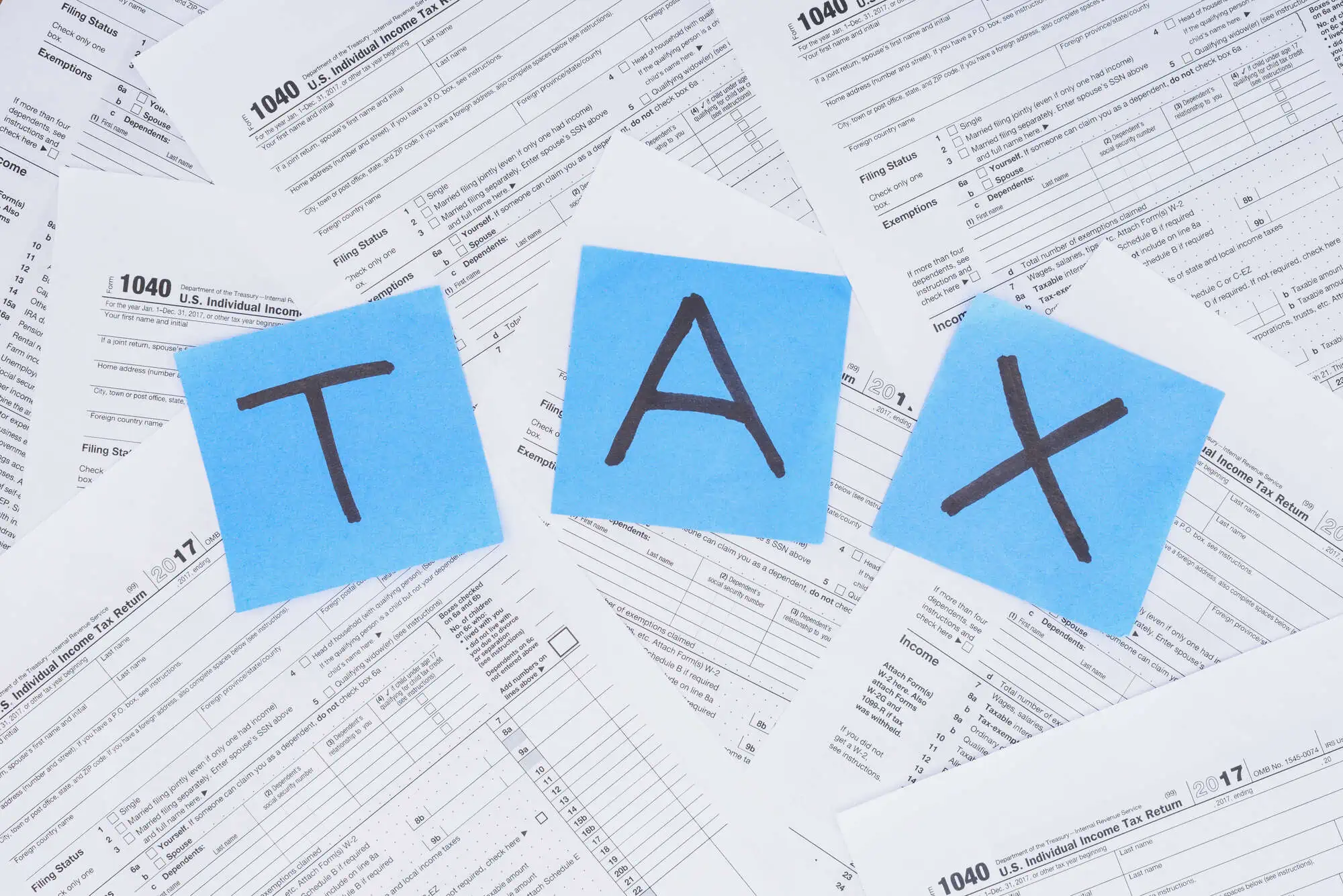
One of the perks of a 401(k) is that you don’t pay taxes on the money you put in. But don’t start celebrating yet. When you finally start taking money out in retirement, the IRS is waiting to take some of your cash. Depending on your tax bracket then, you might end up handing over a large chunk of your withdrawals to Uncle Sam.
There’s a Cap on Your Contributions

Speaking of the IRS, it sets limits on how much you can contribute to your 401(k) each year. If you’re trying to catch up on your retirement savings or you’re a high earner, these limits might restrict you severely. That’s not to say you shouldn’t use a 401(k)—just that you shouldn’t depend on it solely for your golden years.
Inflation’s Influence

Inflation is something many people don’t think about with their savings—but they should. It slowly but surely eats away at the value of your money. Eventually, what seems like a mountain of cash in your 401(k) today might be more like a molehill when you retire, leaving you high and dry.
Borrowing from Your Future Self

Some 401(k) plans let you borrow money from your account and that seems good at first. However, if you don’t pay it back on time, it’s considered a withdrawal—complete with penalties & taxes. Any money you take out misses market upswings so you won’t be able to earn on it either.
Your Spouse Might Get Left in the Cold

Unlike pensions, 401(k)s don’t automatically take care of your spouse if you pass away. You need to make sure your beneficiary designations are in order or else your hard-earned savings might not end up where you want them. While this is something you can fix, not everyone gets around to doing so.
Employer Contributions Aren’t Guaranteed

Of course, it’s great if your employer matches your 401(k) contributions although it’s sadly not a given. Companies can change their policies or cut contributions to save money—and they do it. You’ll have to make sure you’re making enough contributions yourself for your golden years. Don’t just rely on them.
Required Minimum Distributions (RMDs)

Once you reach 72 years old, the IRS requires you to start taking minimum distributions from your 401(k). It doesn’t matter if you need the money or not—you have to take it. Unfortunately, this often means higher tax bills & you might be forced to withdraw funds at a bad time, like during a market downturn.
Disclaimer: This list is solely the author’s opinion based on research and publicly available information.
Like our content? Be sure to follow us.
Read More:


