

Millennials just can’t seem to catch a break & it feels like they’re getting blamed for everything under the sun these days. Here are eleven specific reasons why.
Perceived Sense of Entitlement

Many people think millennials expect too much too soon in the workplace because they often want quick promotions & regular feedback. As such, lots of older generations see this as a sense of entitlement, with some claiming they’re too greedy without enough years on the job to achieve this. Unfortunately, different expectations create misunderstandings & frustrations on both sides.
Perceived Decline in Work Ethic

If that weren’t bad enough, some people believe millennials don’t work as hard as previous generations did since they look for jobs that provide a good work-life balance. They’re not the kind of generation to just focus on earning a paycheck which is quite a different approach. Doing so has created criticism that they’re responsible for lowering productivity & commitment in the workplace.
Less Affiliation with Organized Religion
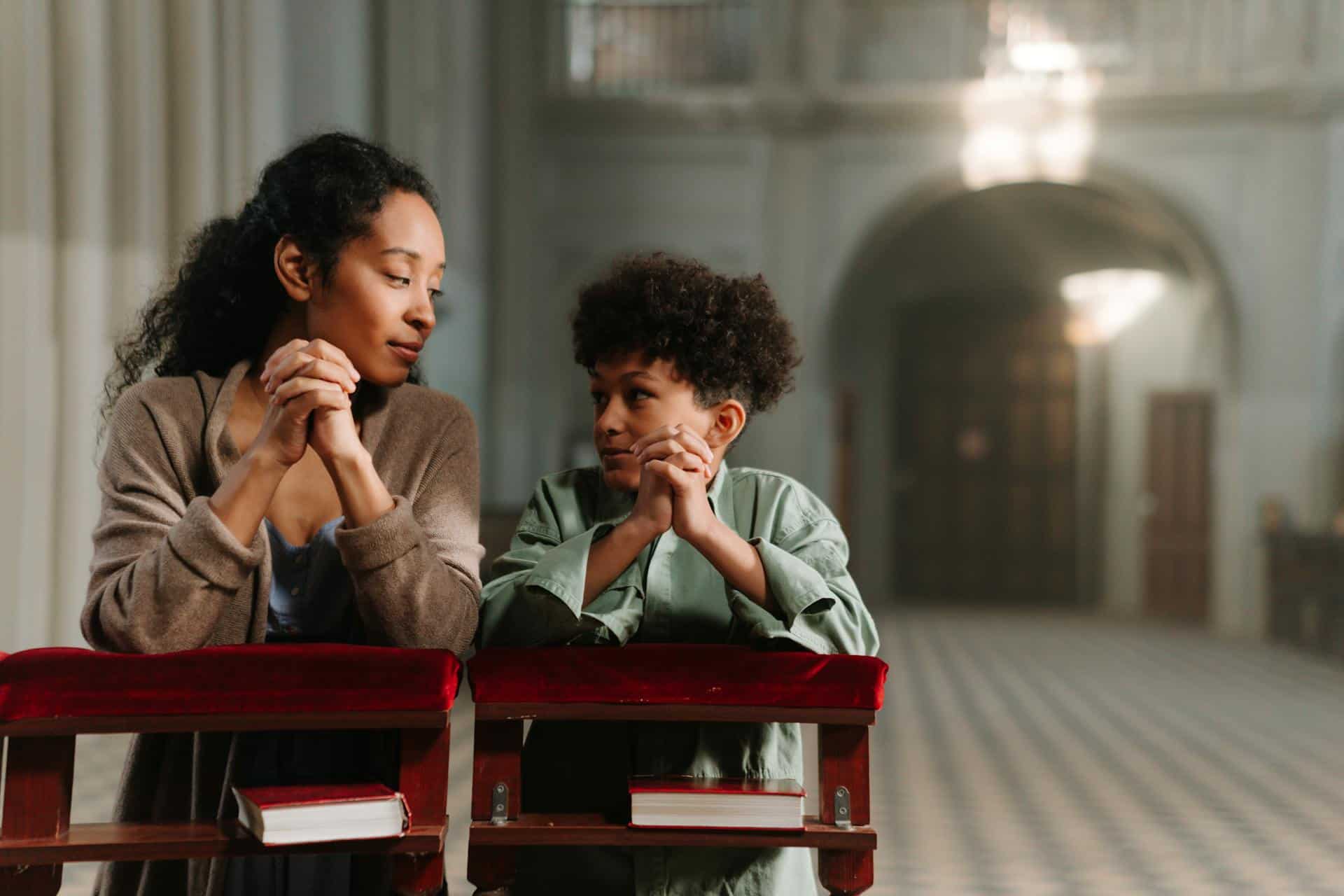
Unlike their parents & grandparents, many millennials don’t follow organized religion as much and they don’t attend church as frequently. These changes have hit religious institutions hard, both financially & in terms of community involvement. As a result, some people blame millennials for weakening the social bonds that religious groups used to provide.
Influence on Political Polarization

Lots of millennials are rather active with politics & social issues—they’ll use social media platforms like Twitter and Facebook to voice their opinions. Of course, sometimes, this engagement is positive yet some people blame them for increasing political polarization. They argue that millennials’ strong views & online activism may have created heightened tensions between different groups in society.
Creating and Spreading Meme Culture
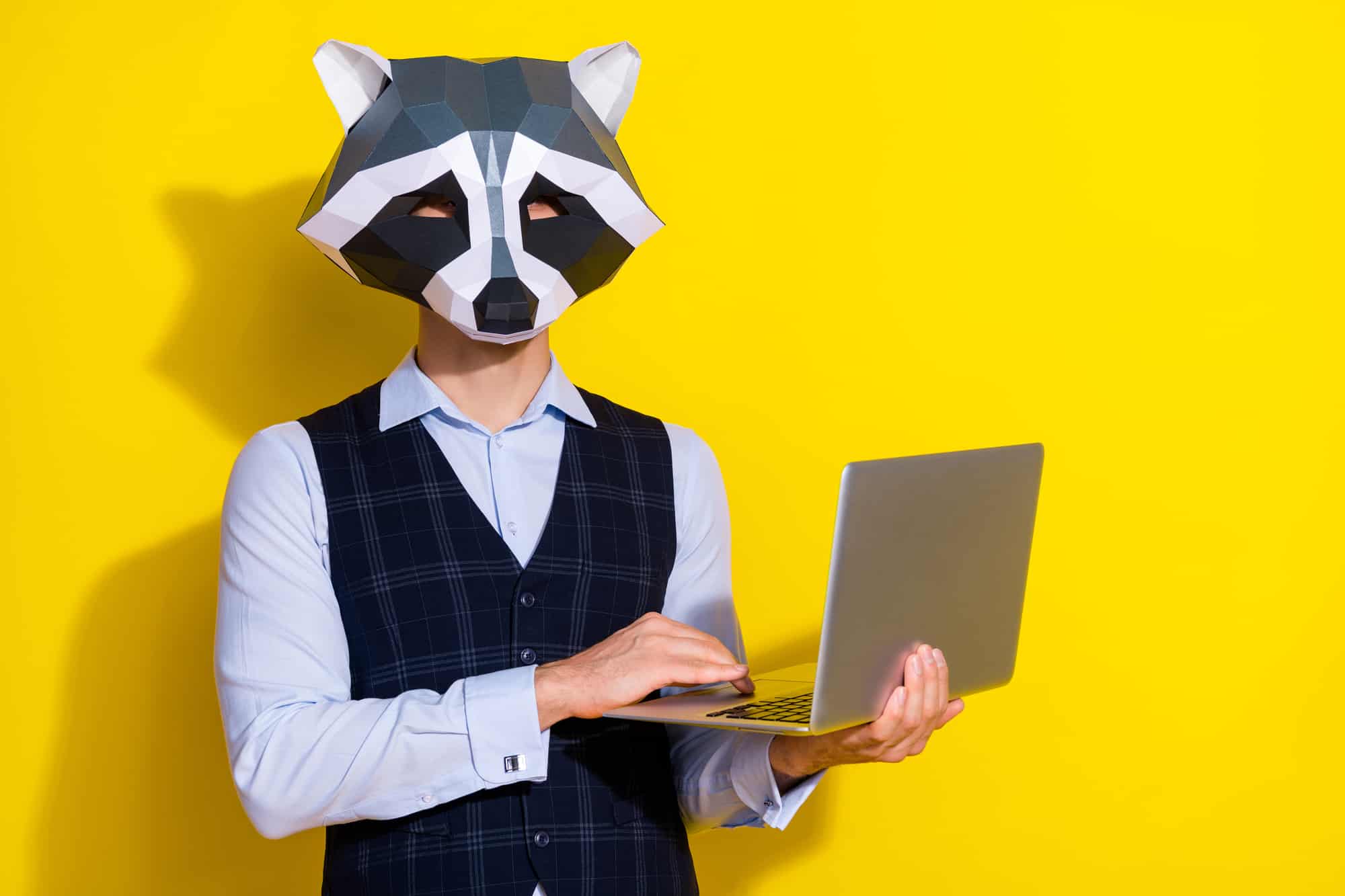
Millennials love sharing memes and these funny images are a way for them to communicate ideas & jokes. Most of the time, they’re entertaining but some people blame them for using memes to oversimplify complex topics. They’re concerned that millennials reduce important issues to a punchline & spread misinformation by doing so.
Altering Language and Communication Styles

They’ve brought new slang words & abbreviations into everyday language that have changed the way people communicate. As a result, some people blame them for hurting language skills because they believe it affects communication & literacy. Traditionalists might feel that these changes undermine proper grammar and the richness of the language.
Popularity of Cancel Culture
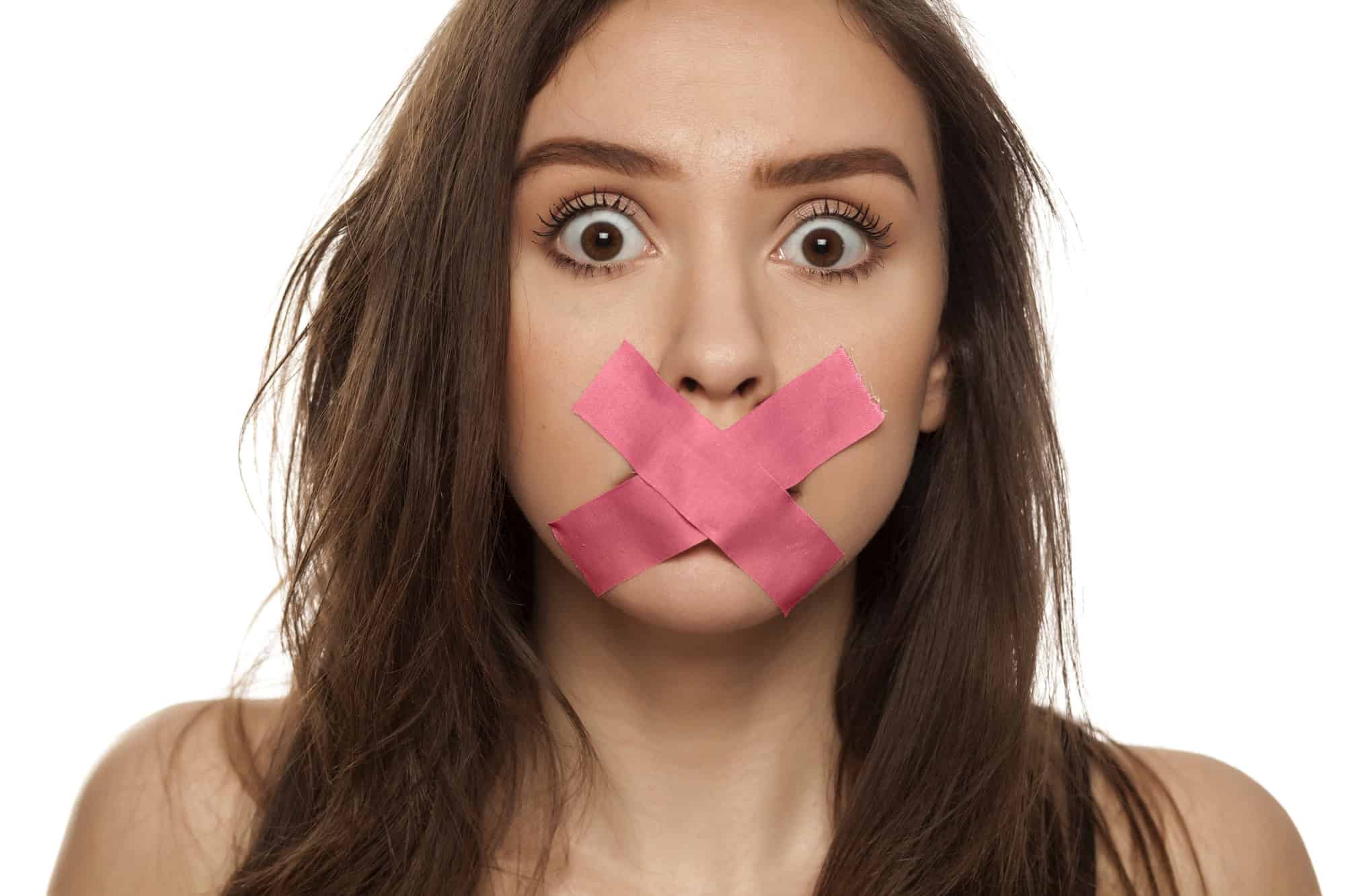
Millennials are responsible for the rise of cancel culture where people boycott public figures or companies for seemingly-offensive things they have done. Critics argue such a culture doesn’t forgive mistakes and makes people afraid to speak openly. They blame them for creating division & stifling free speech because the idea of being “canceled” is harmful to open dialogue.
Impact on Traditional Industries

Like any generation, millennials have different preferences—but theirs have completely changed traditional industries like TV and malls. They prefer shopping online over going to physical department stores & they also prefer local restaurants over big casual dining chains. As such, some people blame them for the decline of certain established businesses that haven’t kept up.