
Whether it’s political arguments at family dinners or endless debates on social media, everyone has these ten things to say about the challenges our democratic system faces.
Political Parties Pulling Apart
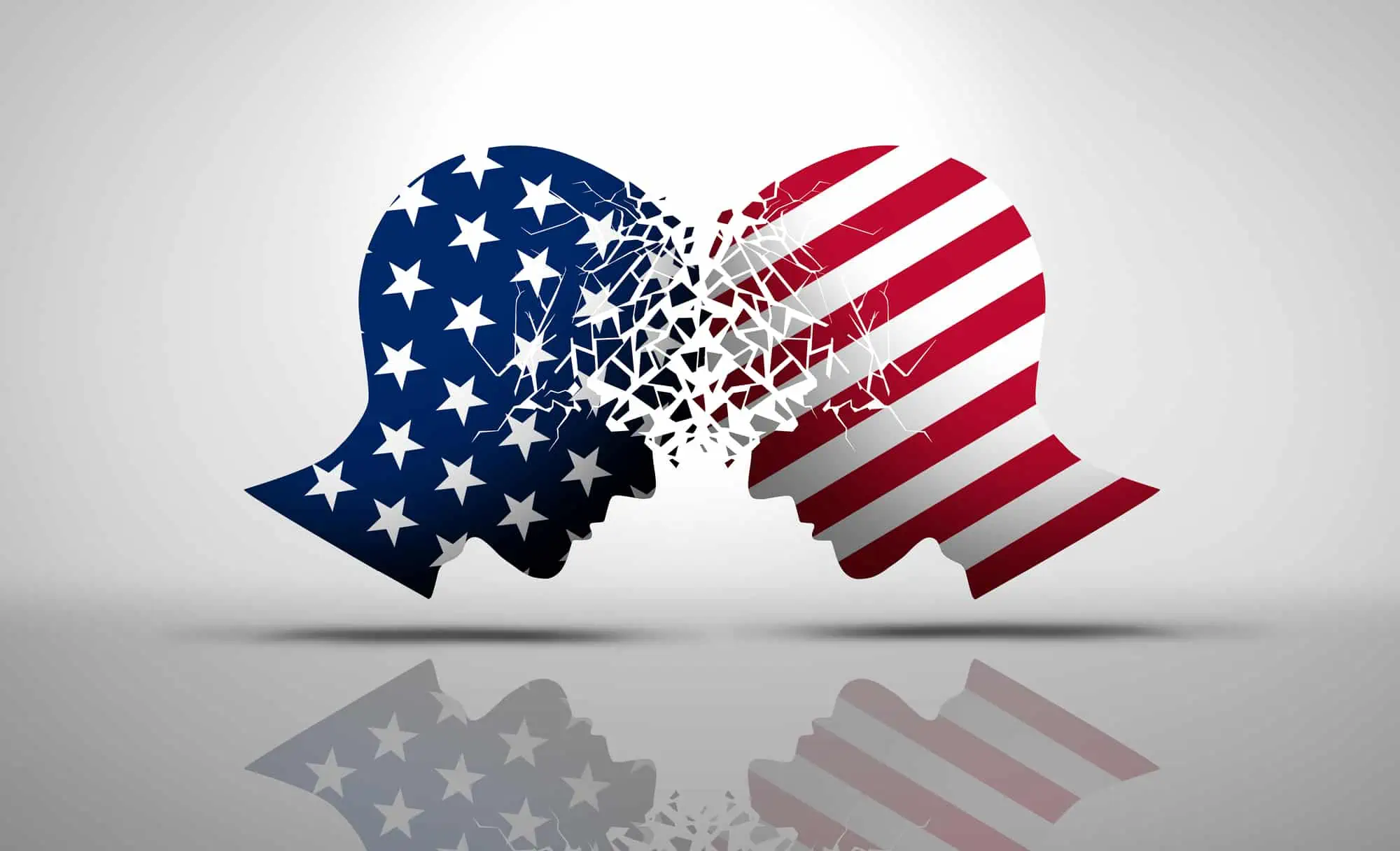
Democrats and Republicans can’t see eye to eye on anything these days—but not because they simply disagree on policies. No, it’s almost like they’re speaking different languages! This divide makes it hard to get anything done in government since neither side is willing to compromise. When nothing gets done, people lose faith in how democracy works.
Fake News Everywhere
Where do we even start with this one? Misinformation and made-up stories are all over the place—especially on social media. It’s now even more difficult to work out what’s true and what’s not, which confuses everyone. After all, making informed decisions is rather challenging when we can’t agree on basic facts.
Making Voting Harder for Some

Some politicians have made it harder for certain people to vote by cutting down the number of places where people can do so. These tactics often target minority communities. That’s hardly fair because everyone should have an equal shot at having their voice heard. Sadly, it seems that lots of us can’t even take part in the democratic system.
Trust in Big Institutions Is Going Downhill
Fewer people trust the big pillars of democracy, like the courts & those who run elections. When this happens, it’s harder for these institutions to do their job and keep democracy healthy—it’s a vicious cycle that’s hard to break. It doesn’t matter if this belief is accurate or not because this growing skepticism chips away at the very foundation our democracy is built on.
Questioning Election Results

Similarly, remember the chaos around the Capitol on January 6, 2021? This was directly caused by people’s doubts about whether the election was fair—we all know the trouble this created. Eventually, people started questioning the whole system because they believed that their voices no longer counted.
Rich People Calling the Shots

The richer you are, the louder your voice is in politics and this makes it seem like the average Joe’s voice doesn’t matter much. That’s not really what democracy is supposed to be. Such an imbalance has created a scenario where the policies & decisions made favor those at the top—often at the expense of the wider public.
Not Enough Civics in Schools

Many Americans aren’t taught how government and politics actually work because schools aren’t focusing as much on civics. As such, we’re not sure of our rights & responsibilities. If we don’t understand how to participate in democracy, how are we supposed to keep it strong? It doesn’t matter if it’s voting or understanding how laws are made—we need these skills.
The Press Under Fire

The free press is meant to keep us informed & hold powerful folks accountable. Sadly, unwarranted attacks on the press as “fake news” make it far harder for us to know what’s really going on. A strong democracy needs a strong press—and right now, it’s under a lot of pressure. These attacks also divide the public on where to find reliable information.
Drawing Lines
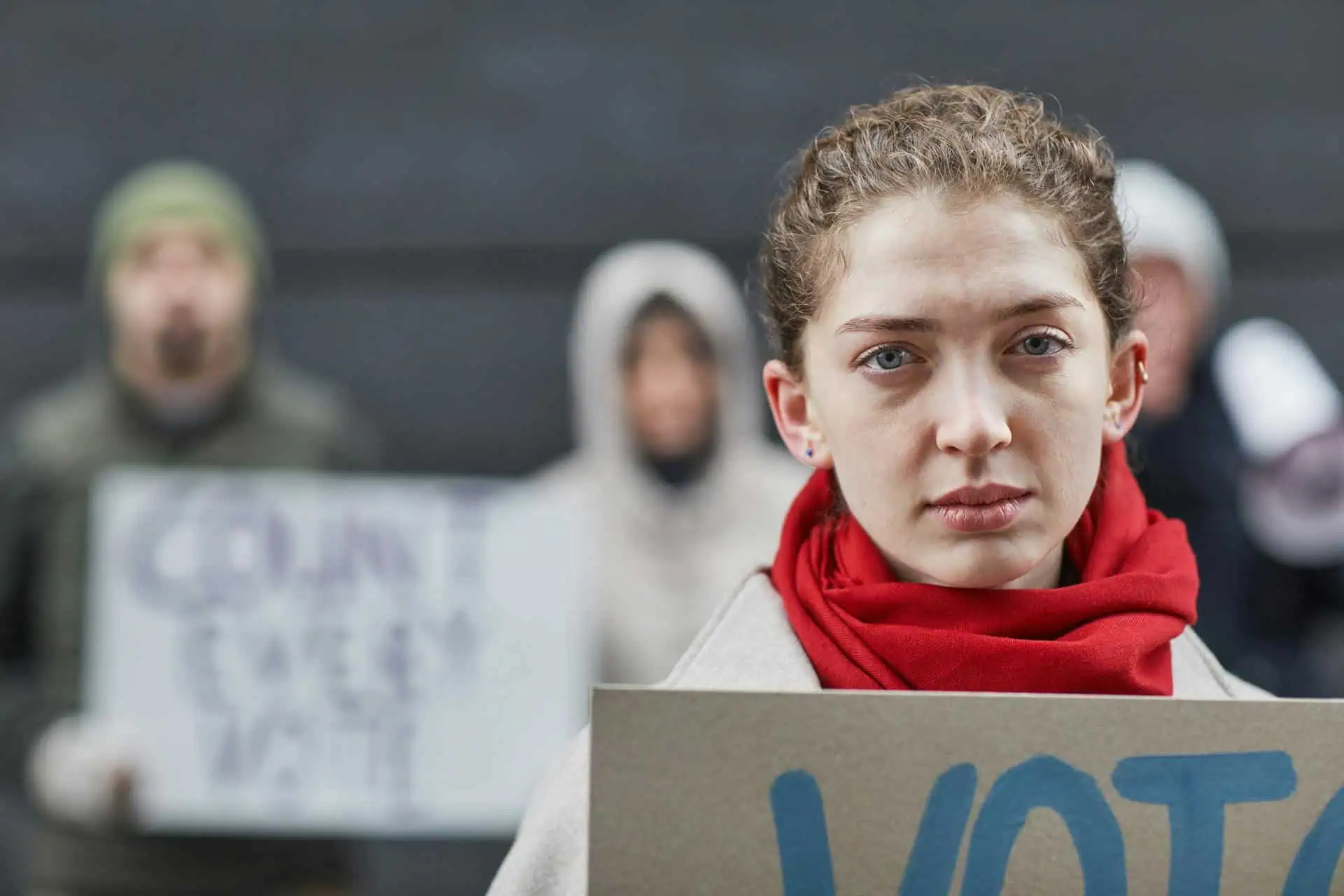
Gerrymandering involves drawing voting district lines in a way that favors one party over another. Essentially, this prevents fair representation because politicians can pick their voters instead of the other way around. It doesn’t feel much like democracy this way! Manipulating electoral boundaries distorts election outcomes and weakens the idea of equal representation.
People Just Aren’t That Into Politics
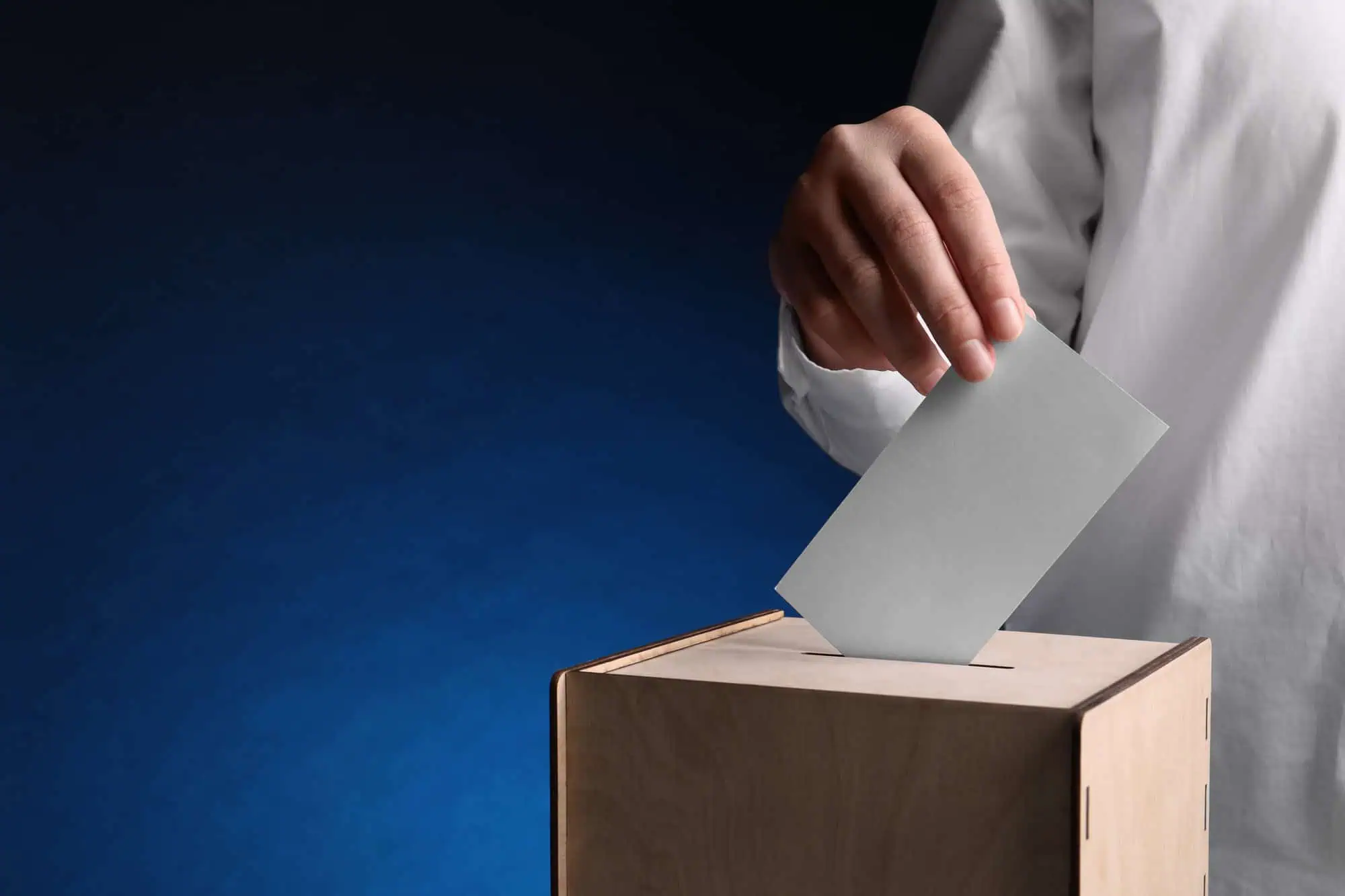
Here’s the thing—a lot of people are feeling rather hopeless about politics. They feel like their vote doesn’t make a difference, meaning they’re less likely to get out there to vote. Low voter turnout means our government isn’t really representing all of us which is a major problem for democracy. We have to encourage more people to get involved.


