

God spoke to his people throughout history when they needed direction. While we know famous prophets like Isaiah and Jeremiah, there are lesser-known prophets who had loud voices as well.
These prophets stood up to whole nations and called them out evil, pride, and oppression. They also spoke directly to individuals, challenging the way they lived their lives.
The prophets delivered strong warnings about tangible consequences for God’s people if they continued to ignore their call to return to Him. These Old Testament warnings continue to guide us today. Here are 6 bold warnings from 6 lesser-known prophets.
Obadiah

The book of Obadiah is brief but hard-hitting. It is leveled against a nation called Edom. Edom basically gloated as God was punishing Judah, their brother nation. They refused to help Judah when trouble came, but rather reveled in their brother’s misfortune.
Instead of helping, the Edomites took advantage of the chaos, even looting the ruins and blocking the paths of refugees trying to escape.
Obadiah warns against pride that mocks the disaster of others. The Edomites’ pride led them to believe that they were safe in their mountain hideouts. Excessive pride leads to destruction while arrogance precedes downfall. (Proverbs 16: 18) This story reminds us that no amount of success makes it okay to be cruel.
Micaiah son of Imlah

While 400 other prophets were prophesying good news to keep King Ahab smiling, Micahiah stood apart to predict military defeat. Ahab despised him for it (he even went so far as to say Micahiah “never has anything good to say”), but Micaiah wasn’t going to put a positive spin on destruction.
He continued to predict that the king would die in battle and his army would be ravaged, scattered like sheep without a shepherd.
It’s stories like these that remind us that truth isn’t determined by who can say it with the most charisma. More often than not, the one telling you what you don’t want to hear is the only one who has your best interests at heart.
Nahum

You’re probably familiar with Jonah’s famous encounter with the big fish. What you may not know is there is a part two to Jonah’s story found in the book of Nahum. One hundred fifty years after Jonah’s journey, Nineveh re-established its reputation as a brutal militaristic power.
Nahum wasn’t sending them a “change your ways invite.” Nahum came to Nineveh with a judgment notice, declaring that their reign of terror was about to come to an end. The walls of Nineveh were vast and believed to be unassailable, yet Nahum announced that strength alone can’t save a society that oppresses its people.
Nahum challenges our view of mercy by demonstrating that while giving second chances is noble, there comes a point when the line is crossed too far. Even the Assyrians eventually faced consequences when they let their strength lead to overconfidence.
Zephaniah

Zephaniah is the prophet who predicted the coming “Great Reset.” Zephaniah talked about the Day of the Lord coming as a huge searchlight that will expose every last dark corner of deceit, greed, and religious hypocrisy.
Zephaniah didn’t care about nationalism; he cared about what people were doing when they thought no one was looking. He screams at people to wake up off their moral autopilot and start being humble before judgment catches up with them.
Haggai
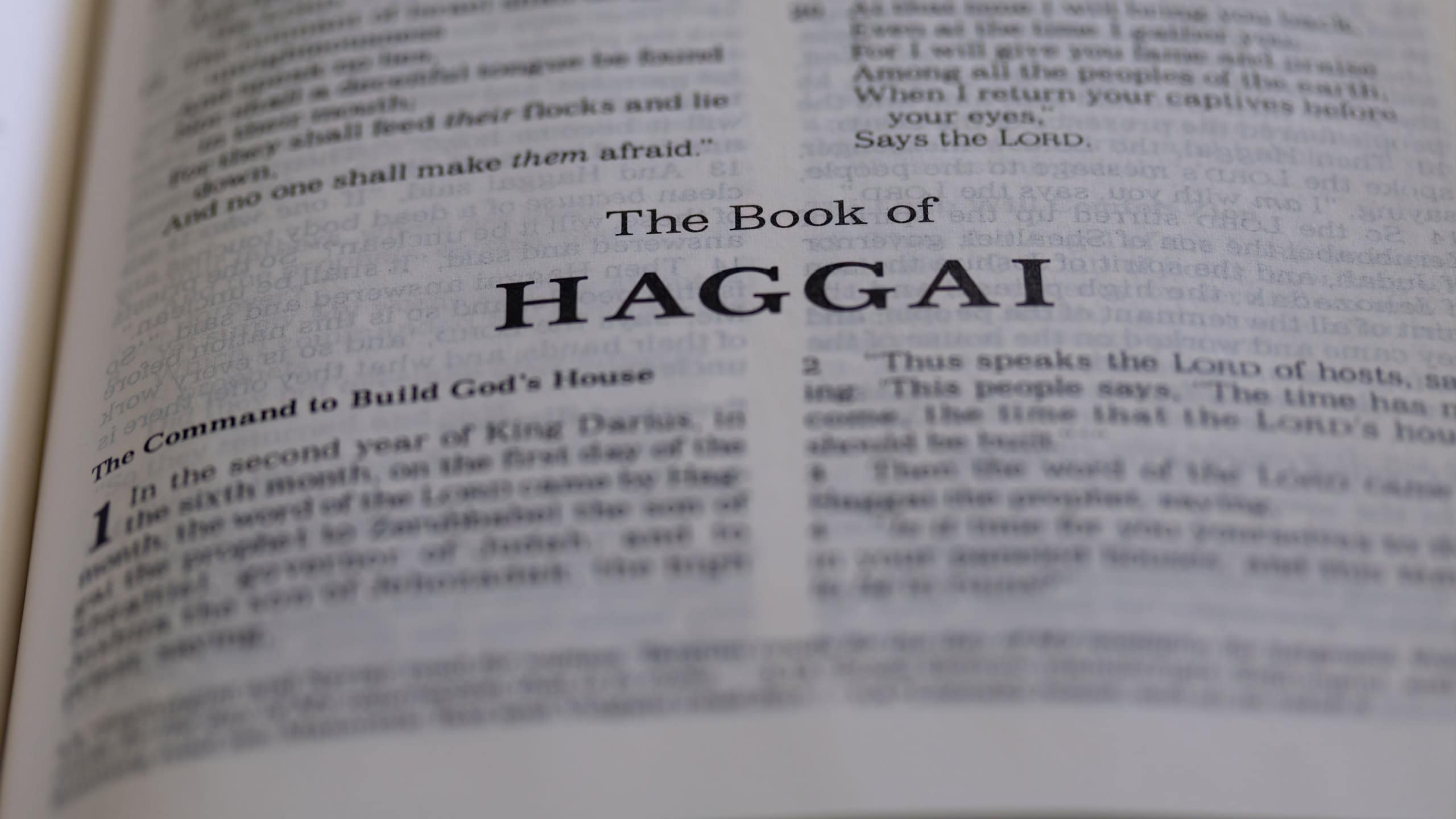
Haggai is the prophet of priorities. After living in exile for years, the people finally returned home. But instead of focusing on community and worship, they built themselves big, fancy houses. Day and night, they slaved away earning money, only to spend it on building luxurious homes for their families.
Haggai reminded them that, despite all their hard work, they were never able to enjoy living. All their hard-earned money seemed to fall through holes in their pockets. He argued that putting personal gain above a shared purpose leads to a life that feels empty no matter how much you own.
Habakkuk

Most prophets spent their time proclaiming God’s word to His people. Habakkuk spent his time conversing with God. He observed the world He lived in, and He saw chaos. Habakkuk dared to ask God the question we’ve all whispered at some point: “Why do You allow this?”
God’s response wasn’t what Habakkuk hoped to hear. God replied that it was going to get worse before it got better. But just because He couldn’t see the goodness in the situation, didn’t mean there wasn’t a greater plan unfolding behind the scenes; a plan that He needed to trust God with.
Habakkuk teaches us how to have faith when everything around you is shaking. It reminds us that peace doesn’t always come from understanding, sometimes it comes from trusting God when we don’t understand.
Sources: Please see here for a complete listing of all sources that were consulted in the preparation of this article.
Like our content? Be sure to follow us.

