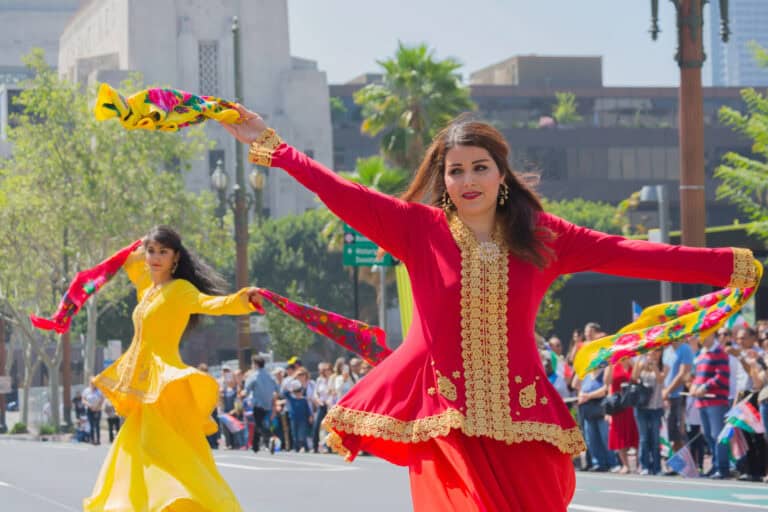

America’s calendar of festivals and celebrations isn’t as homegrown as people think, as a bunch of them are actually imported. They came over in suitcases, and, eventually, became part of city parades & Target aisles. Here are twelve popular celebrations with immigrant roots. Whether it’s spicy stews or incredible dance parties, these festivities didn’t start here, but they definitely stuck around. How many of these celebrations did you know the backstory of?
Featured Image Credit: bettorodrigues /Depositphotos.com.
St. Patrick’s Day
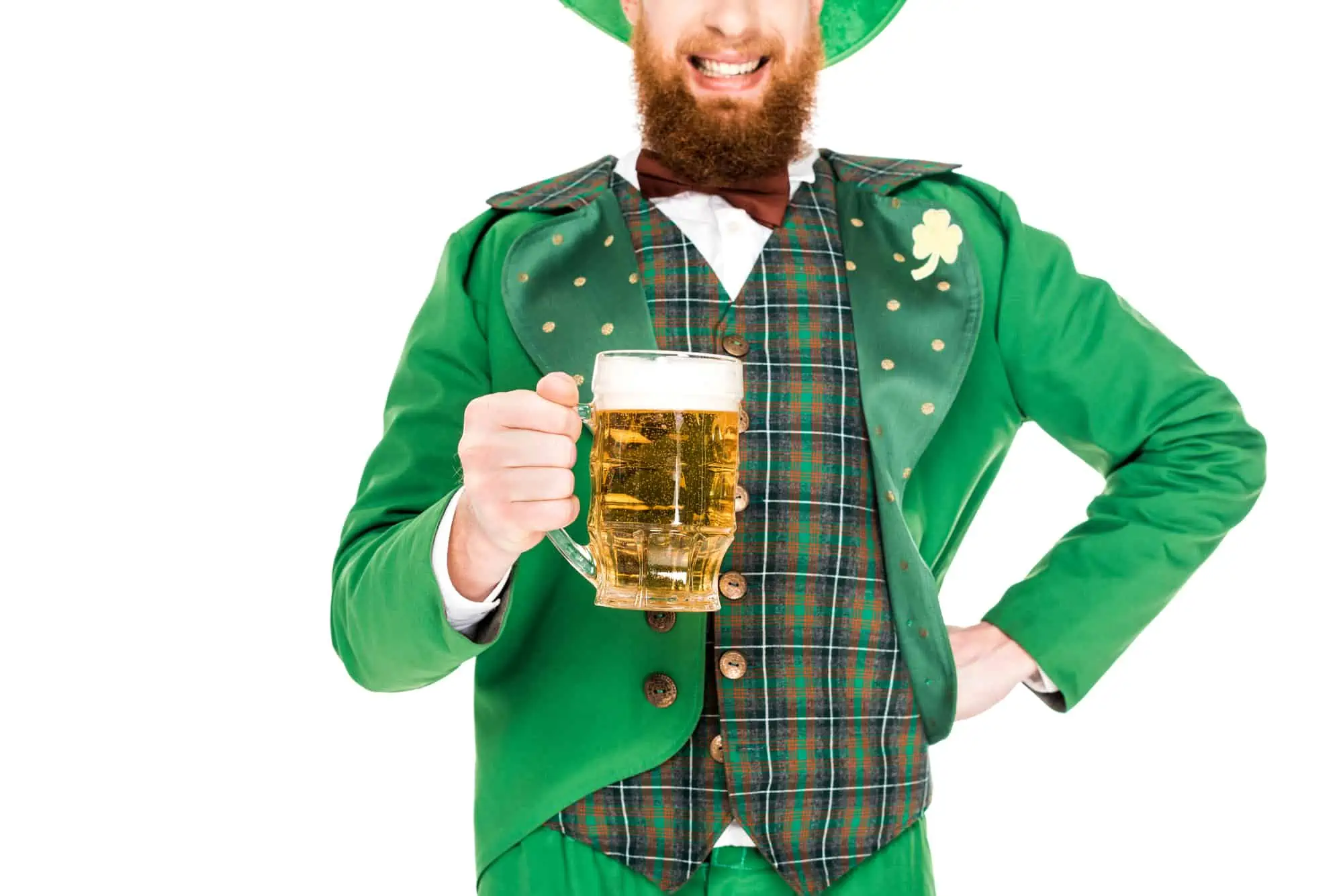
What started as a quiet religious day back in Ireland became a full-blown green party in the U.S., and it’s all thanks to Irish immigrants. The first big party was in New York City in 1762, with parades, bagpipes, and all. Ironically, Ireland didn’t even celebrate it like this until much later, and Irish immigrants in America used the day to celebrate pride in who they were, especially when “No Irish Need Apply” signs were still around. Cities like Boston and Chicago soon made it into an annual event, turning it from a protest into a party over the centuries.
Lunar New Year
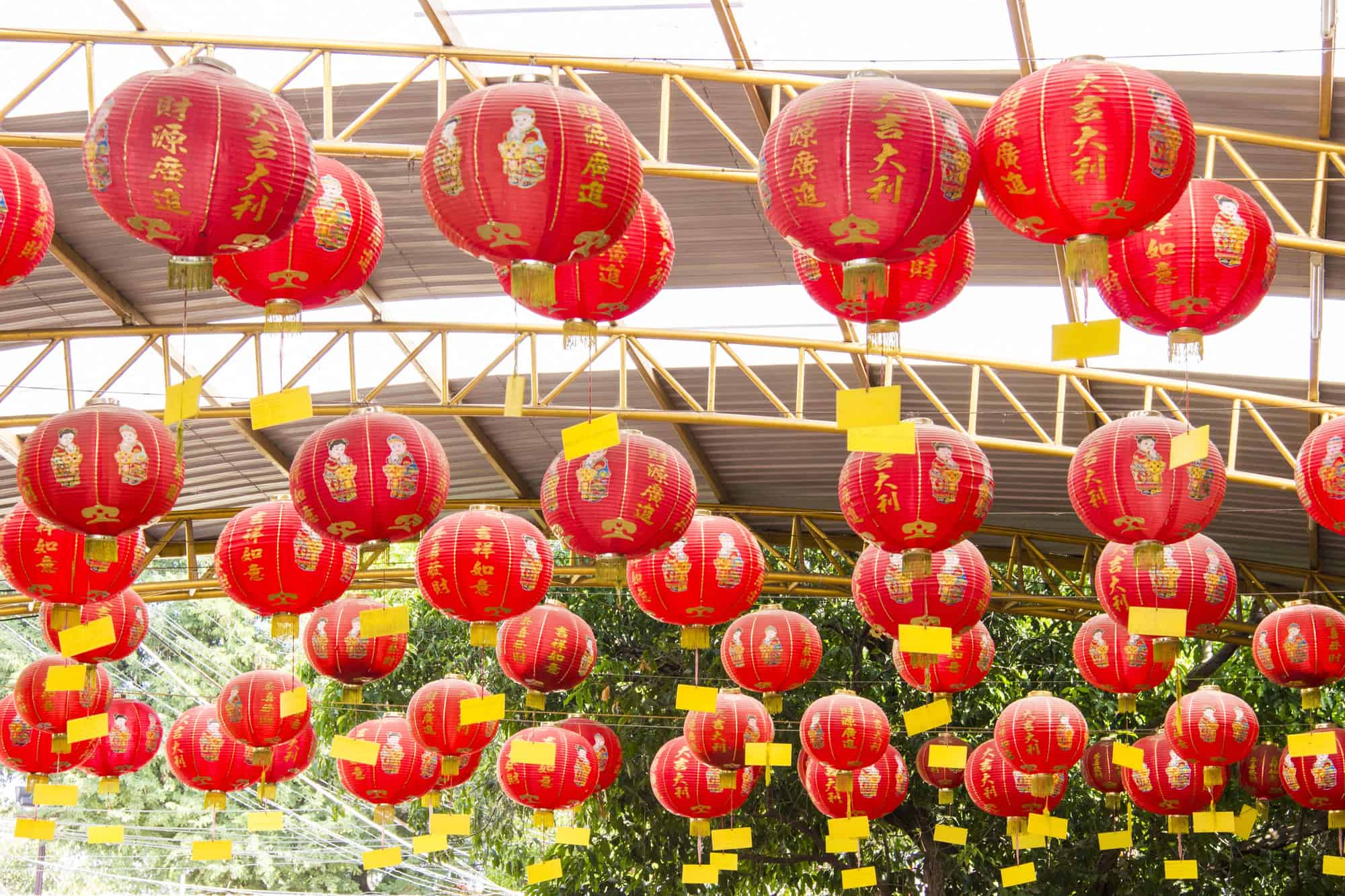
If you walk through Chinatown in San Francisco or Flushing, Queens, in January/February, you’ll see red lanterns & dragons dancing. There might even be some people throwing oranges for luck. This is Lunar New Year, which was brought over mainly by Chinese immigrants in the 1800s and is now celebrated by many other Asian American communities, including Vietnamese and Korean people. They’ll set off firecrackers to scare away bad luck, and many places host multi-day festivals with entire neighborhoods joining in, even if they’re not Asian.
Pulaski Day
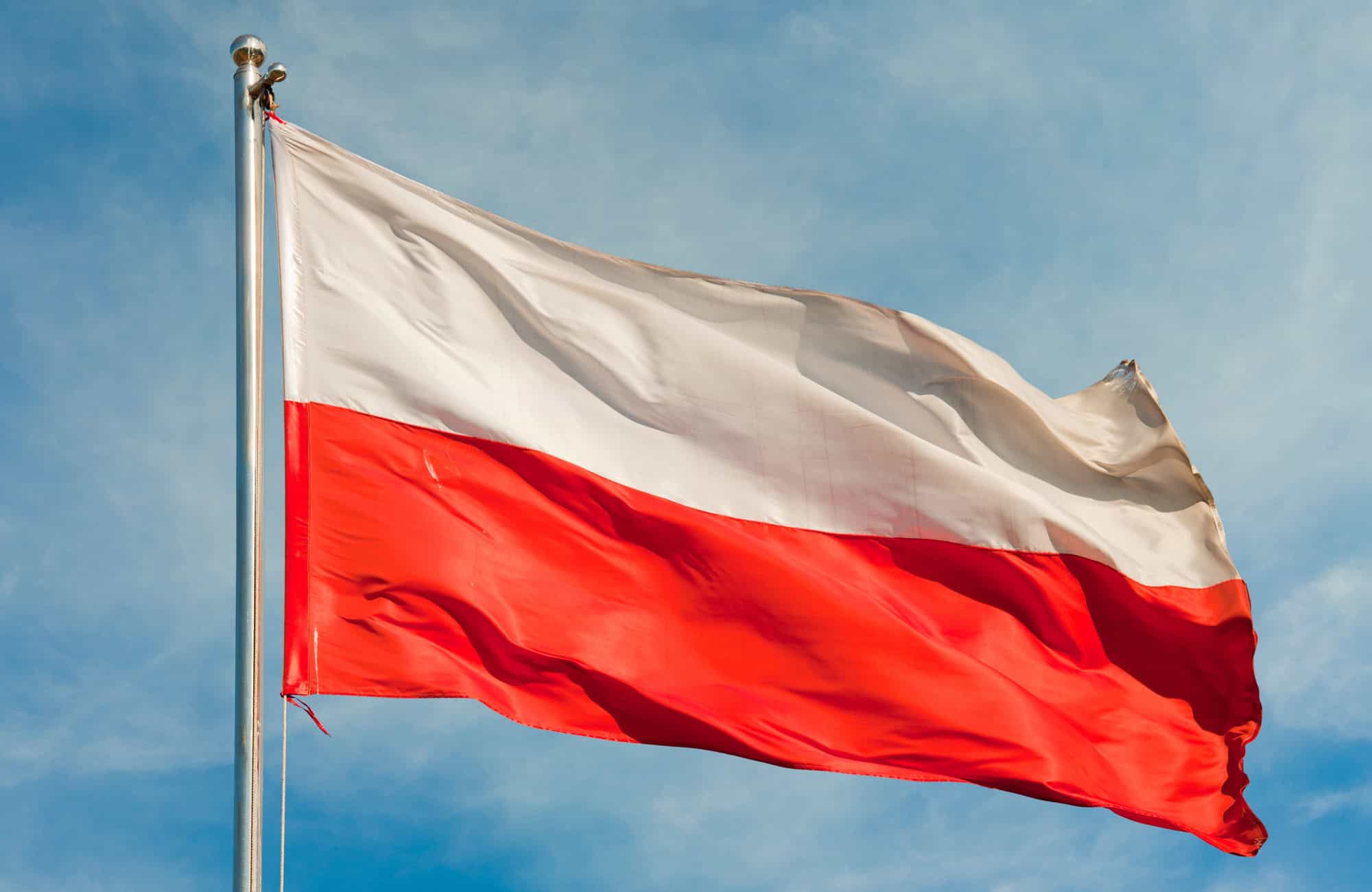
Anyone living in Illinois has probably heard of Pulaski Day, which is a Polish-American festival that honors Casimir Pulaski, a Polish nobleman who helped fight in the American Revolution. In the 1980s, Chicago officials turned it into a school holiday as a way to celebrate how Poland helped build America. Pulaski is sometimes known as the “father of the American cavalry,” and there are over 20 statues of him across the country, with people in Chicago attending wreath-laying ceremonies every year. They might even raise Polish flags in his honor.
Columbus Day
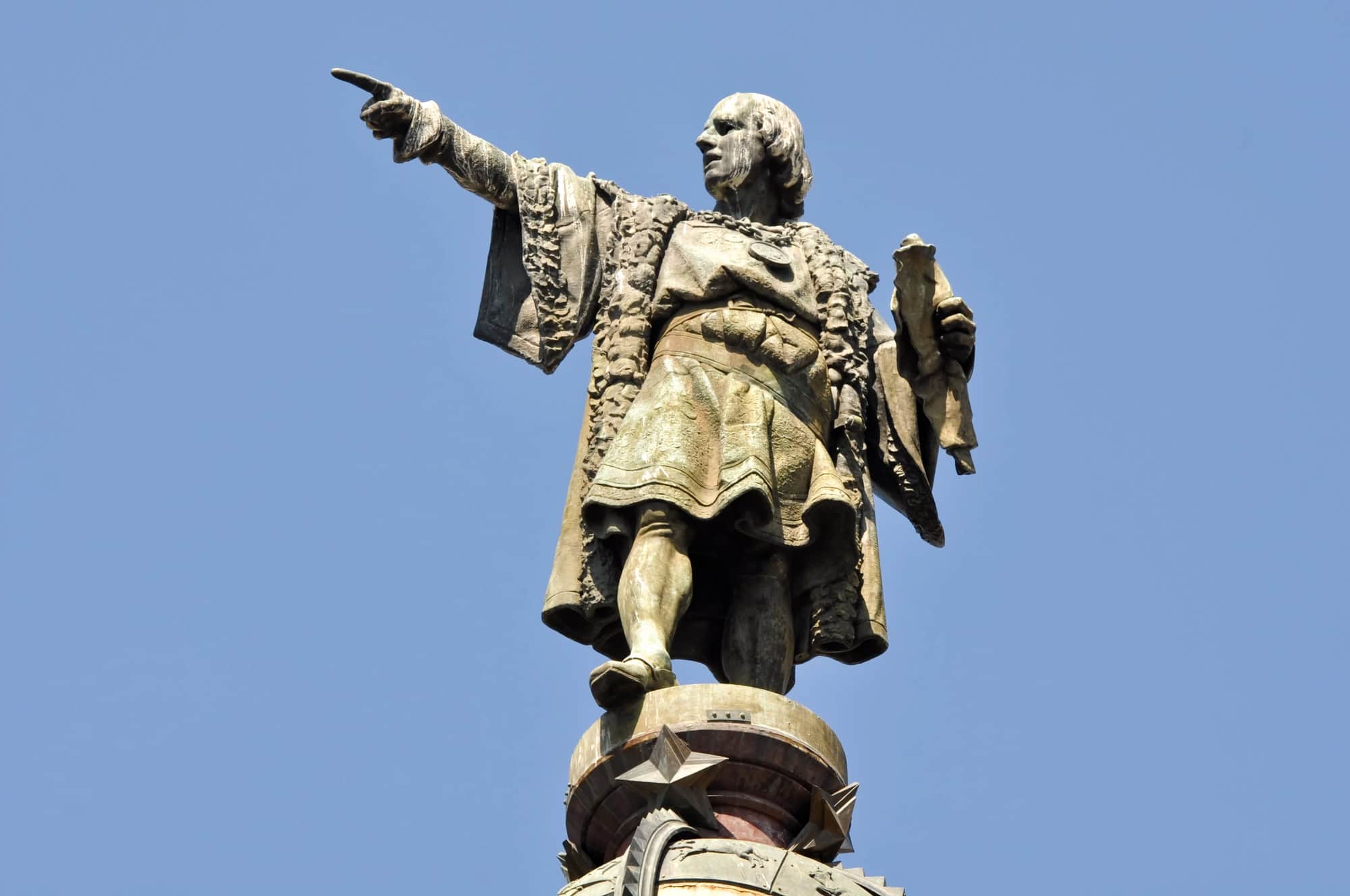
Yes, Columbus Day is actually an immigrant holiday. After facing a lot of discrimination, Italian communities in the U.S. started honoring Columbus to celebrate their heritage, and by 1937, it became a national holiday. That wasn’t because America loved history, but because Italian immigrants needed a celebration, and they put up statues of Columbus in Little Italy neighborhoods. Italian clubs also used parades to connect with younger generations.
San Gennaro Feast
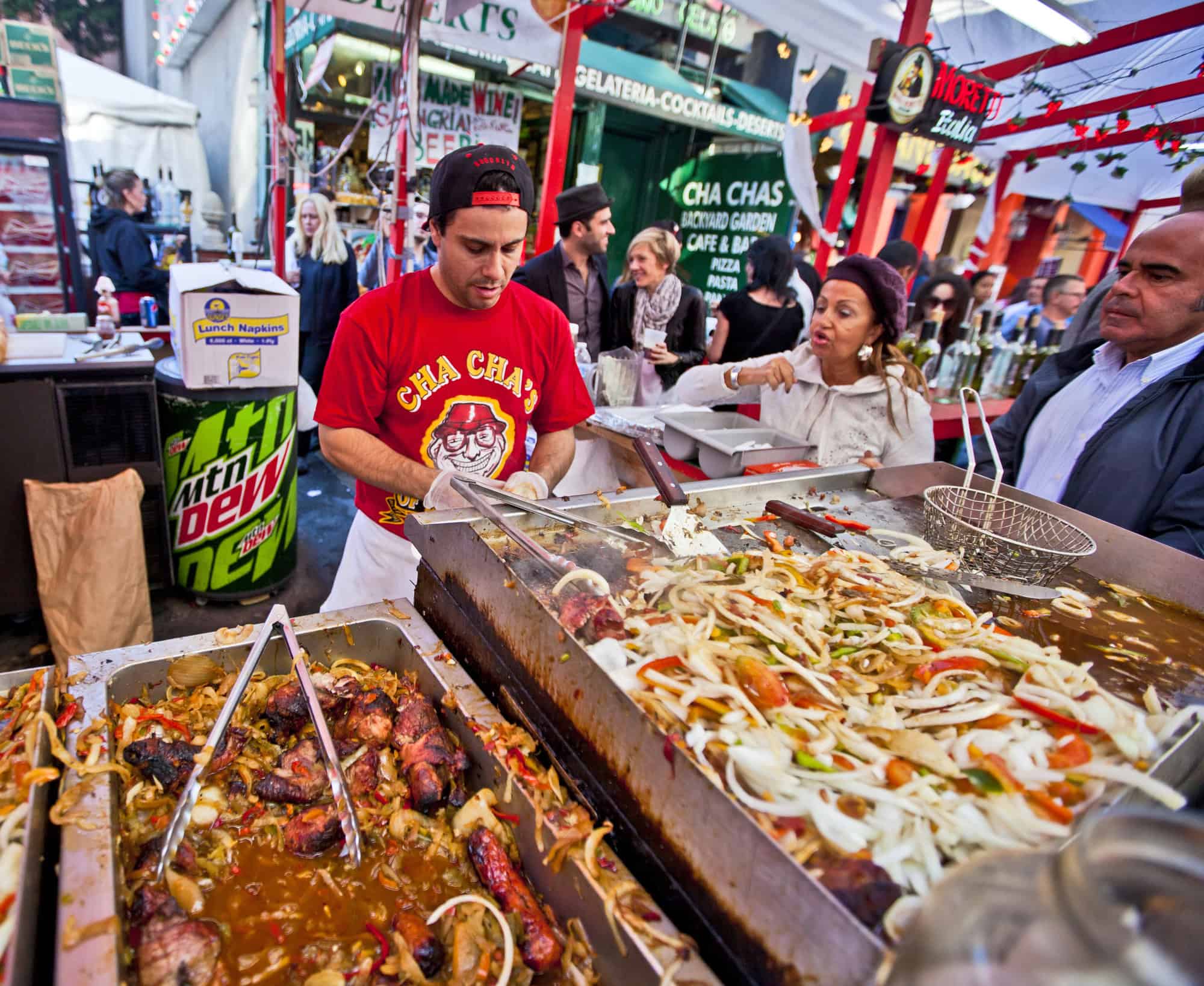
Speaking of Italy, Little Italy in NYC has celebrated San Gennaro Feast, a food-filled street festival, since 1926. While Neapolitan immigrants created it to honor a saint from Naples, nowadays, it’s mostly a great excuse for eating sausages and blaring Sinatra from speakers. It’s 11 days of pure Italian-American pride, and there’s a cannoli-eating contest every year. Some neighborhoods outside New York also hold their own versions of the event.
Tet Festival
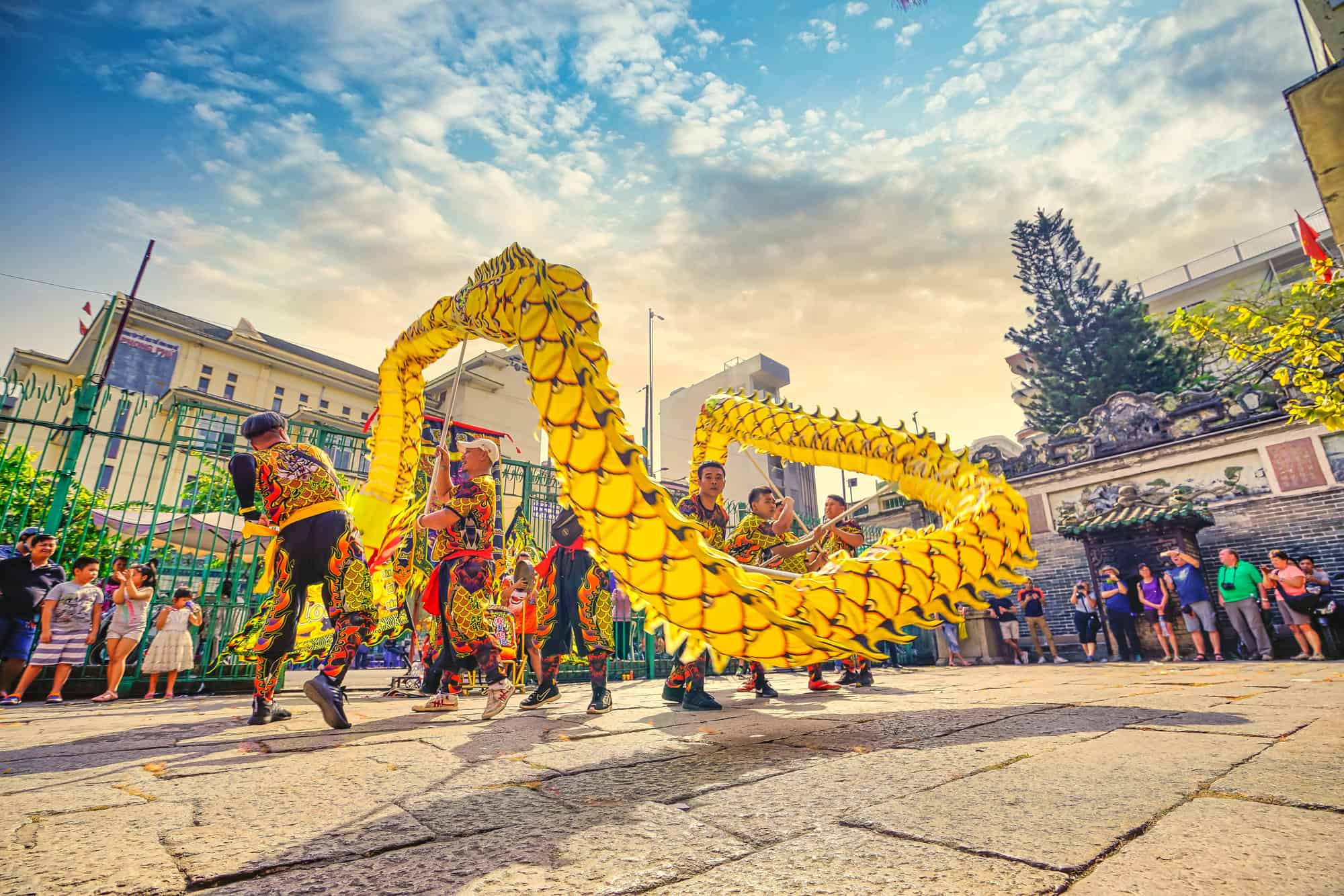
Tet is Vietnam’s New Year celebration, and it came to the U.S. with refugees after the war in the ‘70s. It involves a lot of fireworks & noodles, with places like San Jose and Houston lighting up with parades and traditional dances. But it’s more than just a party, as Tet also involves families cleaning their homes before the special day and greeting each other with “Chúc Mừng Năm Mới.” Everyone’s dressed in new clothes to welcome good luck.
Nowruz
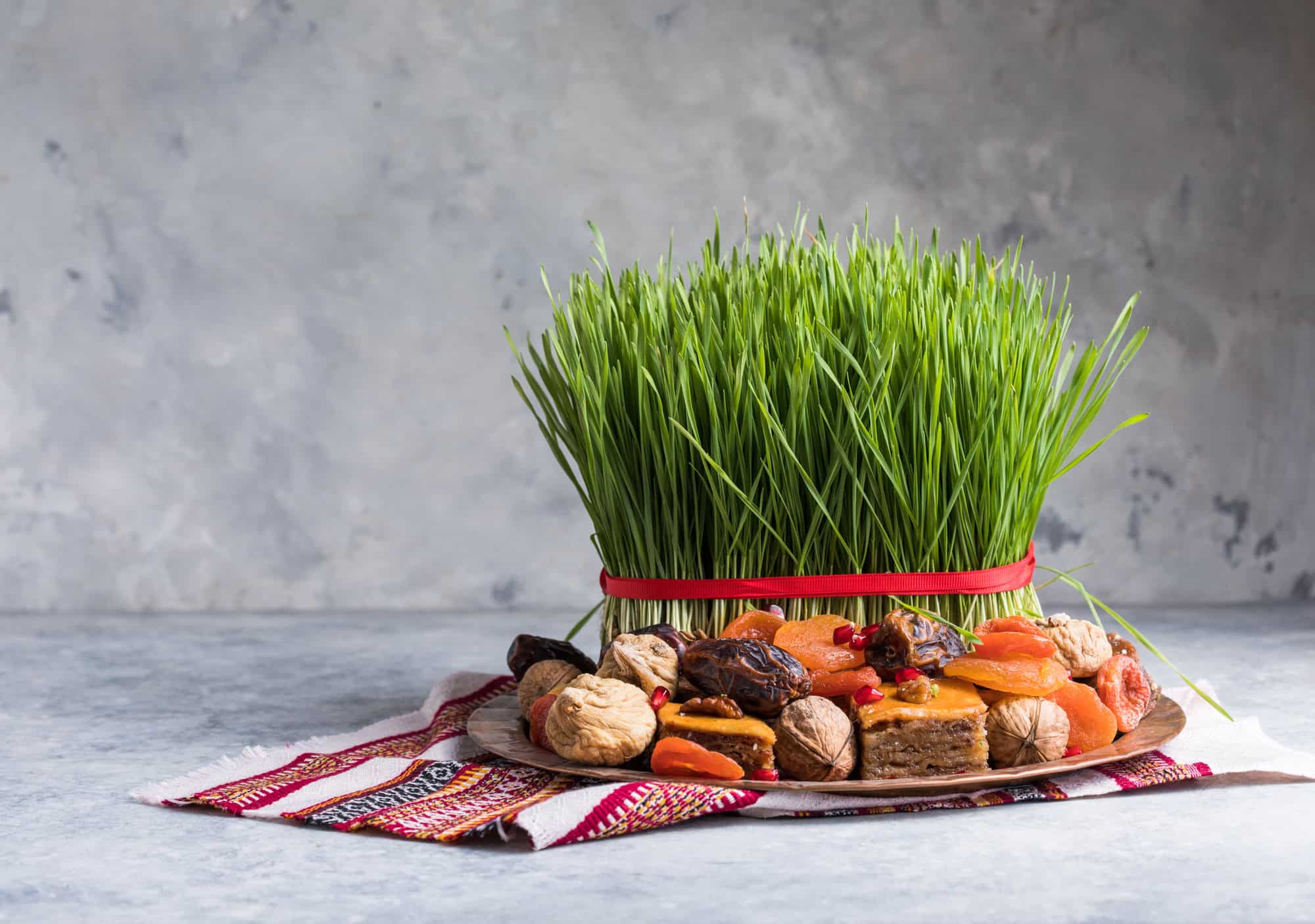
Iranian and Central Asian immigrants brought Nowruz, the Persian New Year, with them to America in the ‘70s and ‘80s, especially in cities like L.A. Participants will scrub their houses spotless in March, then set up a table with goldfish & coins, with the party kicking off on the spring equinox. Families have a Haft-Seen table with seven symbolic items starting with “S,” like garlic and vinegar. There’s also fire-jumping the night before to burn away bad energy.
Oktoberfest
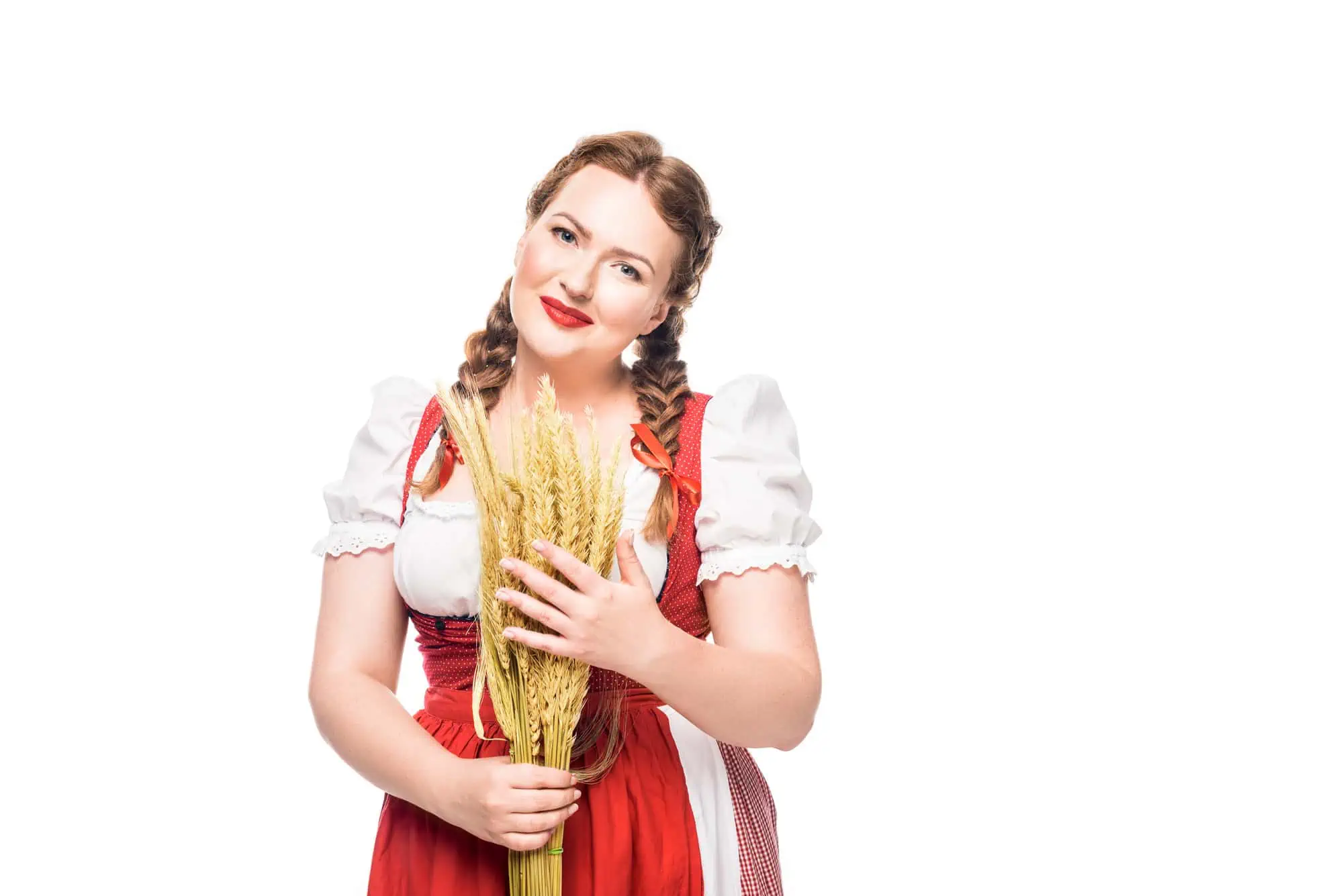
While beer, pretzels & bratwurst might sound like a Saturday at a ball game, Oktoberfest actually came straight from 1800s German immigrants. They arrived in the Midwest and decided to bring some of their heritage to Milwaukee and Cincinnati. These days, even non-Germans wear lederhosen one weekend a year. The original festival honored a royal wedding in Bavaria, but in America, it became a way for German communities to stay connected.
Día de los Muertos

Despite what you might think, Día de los Muertos isn’t Mexican Halloween. It’s a holiday that goes back to Indigenous roots & Spanish Catholic traditions, and Mexican immigrants were the ones to keep it alive in the U.S., especially after the 1960s. They build colorful altars for their ancestors and make sugar skulls as a symbol of life and memory. LA throws some of the biggest events every fall, with families cooking the favorite foods of their loved ones and spending time cleaning graves.
Holi
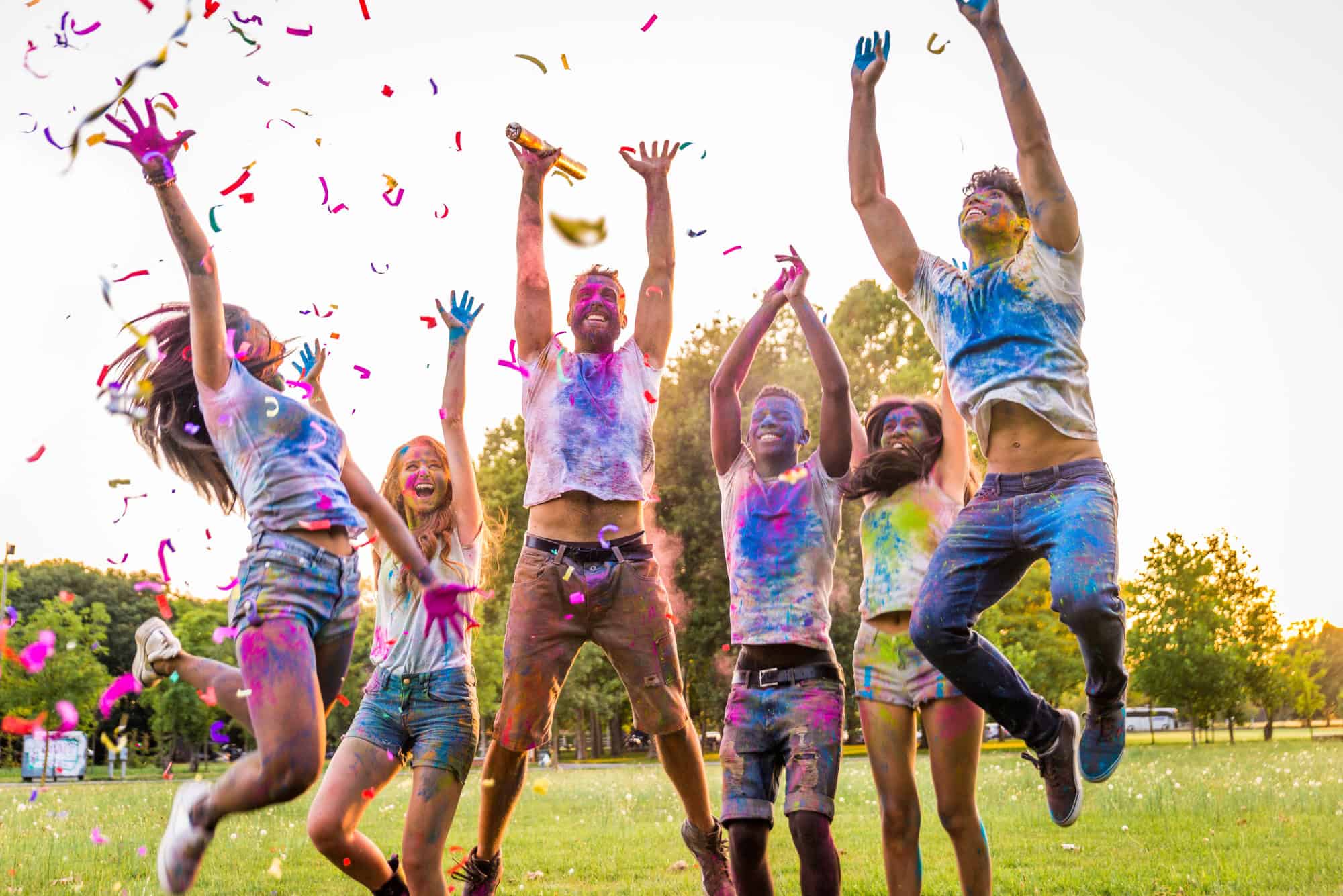
You might’ve seen people throwing neon powder at each other and wondering what they’re doing. That’s Holi, the Indian festival of colors, and it’s a holiday that started appearing on college campuses in the ‘90s, thanks to Indian students & second-generation immigrant families. The day usually kicks off with music and snacks. There’s also a religious part to the event, as people gather to light bonfires the night before to mark good over evil.
Greek Independence Day Parade

March 25th might not be an important day to you unless you’ve visited Astoria, Queens, or Tarpon Springs, Florida, on that day. It’s Greek Independence Day. Greek immigrants started the festival by organizing parades to celebrate their 1821 independence from the Ottoman Empire, which includes lots of blue-and-white flags & dancing in the streets. It’s still quite important for Greek-American neighborhoods, and after the march, you’ll usually find families eating gyros or hanging out at church picnics nearby.
Juneteenth
Juneteenth itself started in Texas in 1865, but its national popularity came from Caribbean & African immigrants who mixed in their own traditions. West Indian rhythms and food became part of Juneteenth cookouts & parades in places like Brooklyn and Miami. Some neighborhoods will throw festivals with live steel pan bands and jerk chicken stands next to soul food trucks. You’ll also see poetry readings and storytelling events, led by elders.
Which of these holidays have you celebrated?
Disclaimer: This list is solely the author’s opinion based on research and publicly available information.
Like our content? Be sure to follow us.