

People with high emotional intelligence get angry like the rest of us, but the thing is, they do certain things during that first heated moment that help them cope better.
The first label
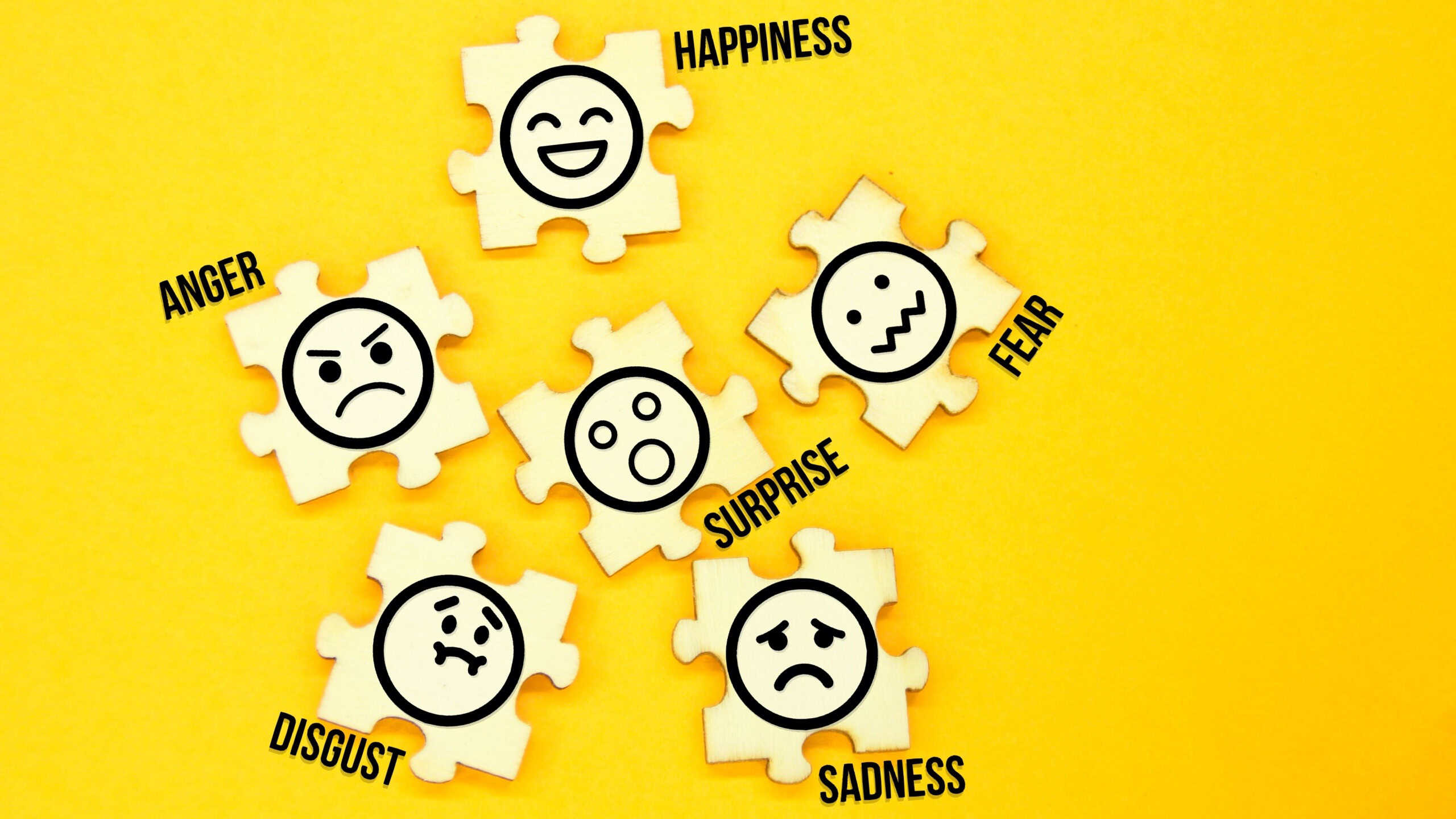
An emotionally intelligent person isn’t going to say they’re angry and stop there. No way. They’ll go into more detail and find a better word to describe their feelings. Maybe they’re not exactly angry. Maybe they’re embarrassed. They could be feeling ignored.
It doesn’t matter, really, because the point is, emotionally intelligent people are specific with their feelings. They’re accurate. They’ll name their emotions. Saying exactly how you feel gives your brain something clearer to deal with, and it’s way better than saying you’re just ‘mad.’
The tiny gap

Anger comes quickly to some people. In some cases, it’s too fast. That can happen to emotionally intelligent people, too, but the difference is that they’re not going to treat it as a green light.
They feel the desire to send a nasty text. They feel the urge to slam the door.
However, they don’t act on that urge because they know it’s better to pause and think things through. There’s a gap between the urge and actually acting on it. Holding onto that gap stops them from acting out. It’s that simple.
The thing underneath

Anger has a way of hiding your true feelings. Yes, it’ll stand in front of the softer stuff and make you feel like you’re being tough. Someone with high emotional intelligence knows that. So, they’ll ask themselves what they were actually trying to protect with their anger.
Was it their time? Their pride? Their trust? Their sense that something was unfair? No, that doesn’t mean they make excuses or anything. It’s more like they get to the heart of their anger. They try to figure out what was behind the anger and what issue they need to address.
The smaller target

Most arguments turn into a competition way too easily. You become obsessed with trying to say the better comeback. You become obsessed with ‘winning.’ But not emotionally intelligent people. They remove themselves from the game entirely, although they’ll still be a little irritated.
They’re still human, after all. The difference is that they’ll say how they’re actually feeling and get right to the point. There’s no performance. It’s just straight-up, ‘That bothered me’ or ‘I need you to hear this part.’
The awkward admission

An emotionally smart person doesn’t think they’re perfect. Far from it. They’ll recognize that, maybe, they’re partially to blame for the issue. The other person was still being annoying. But they’ll admit that they might’ve come in too tense or that they’ve reacted unfairly.
They’ll apologize for it. Nothing too major or anything, just a simple confession like, ‘I’m sorry, I think I snapped there.’ Having the awareness that you might’ve reacted badly is important. It shows you really get your own feelings.
The private fact-check
You won’t find these sorts of people trusting their first thoughts. Sure, they might immediately think someone’s being rude, but they don’t assume that they’re right. They’ll question it. Was it rude, or did they just read it that way?
They’ll replay the words and think about them without any emotions attached. They don’t become saints, let’s get that straight. It’s just that they refuse to let the angriest version of the story run things.
The clean line

You get angry. You feel like getting revenge by saying something cold or giving the silent treatment. But not if you’re emotionally intelligent. They stop their anger from commanding their habits, and they’ll actually be clearer about their feelings.
They’ll say, ‘That’s not okay with me.’ They’ll say, ‘I’m leaving this conversation if it keeps going like this.’ It’s not as satisfying, sure, but it’s cleaner and means they don’t regret anything later.
Sources: Please see here for a complete listing of all sources that were consulted in the preparation of this article.


