

There’s a timeless charm in embracing old-fashioned gardening techniques that have stood the test of time. From companion planting to natural pest control methods, these traditional practices offer wisdom passed down through generations, promising a bountiful harvest and a deeper connection to the land. Join us as we delve into the world of vintage gardening tips, sourced from the experts at Farmer’s Almanac and Gardenia.net, rediscovering the simplicity and effectiveness of age-old techniques that can transform your garden into a flourishing paradise.
Featured Image Credit: Pexels.
#1. Companion Planting
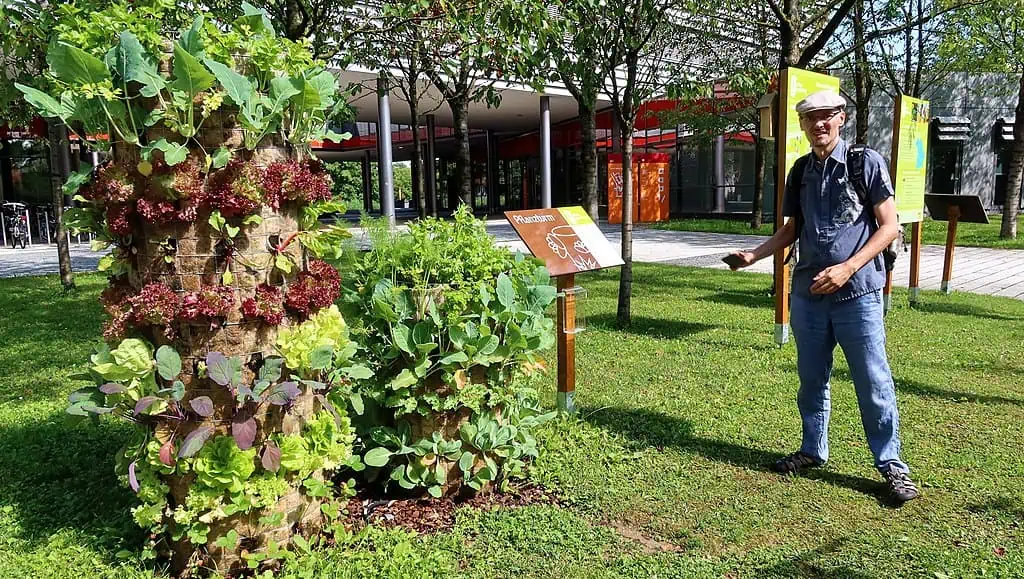
Harness the power of nature’s partnerships by planting compatible crops together to enhance growth and deter pests. Pairing tomatoes with basil, for example, can improve flavor and repel insects, while planting marigolds alongside vegetables can help repel nematodes and other harmful pests.
#2. Crop Rotation
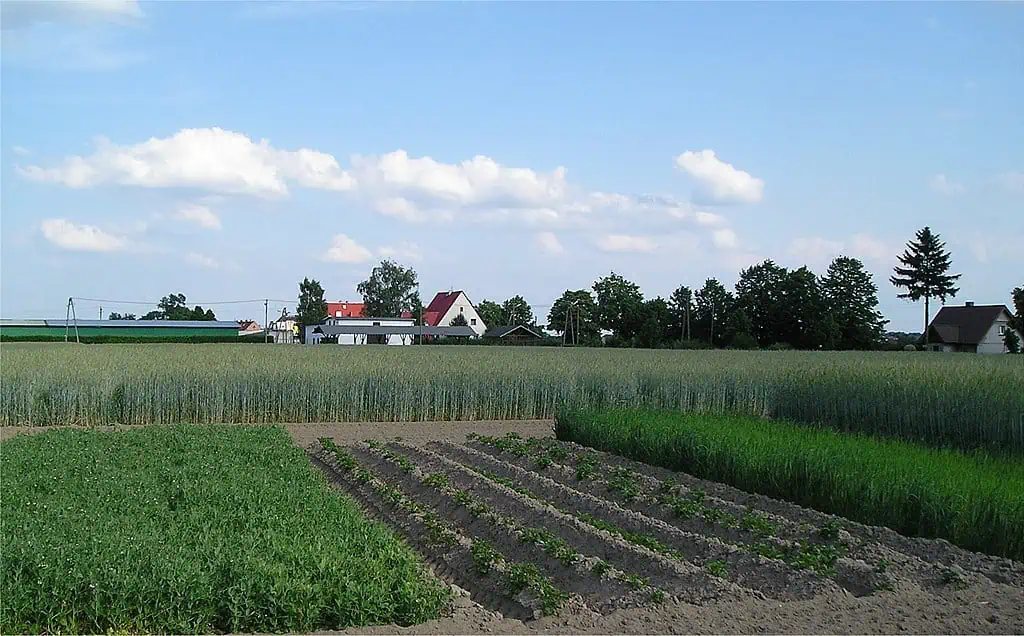
Prevent soil depletion and disease buildup by practicing crop rotation, alternating the types of plants grown in each area of your garden from season to season. This time-honored technique helps maintain soil fertility, minimize pest infestations, and promote overall garden health.
#3. Heirloom Varieties
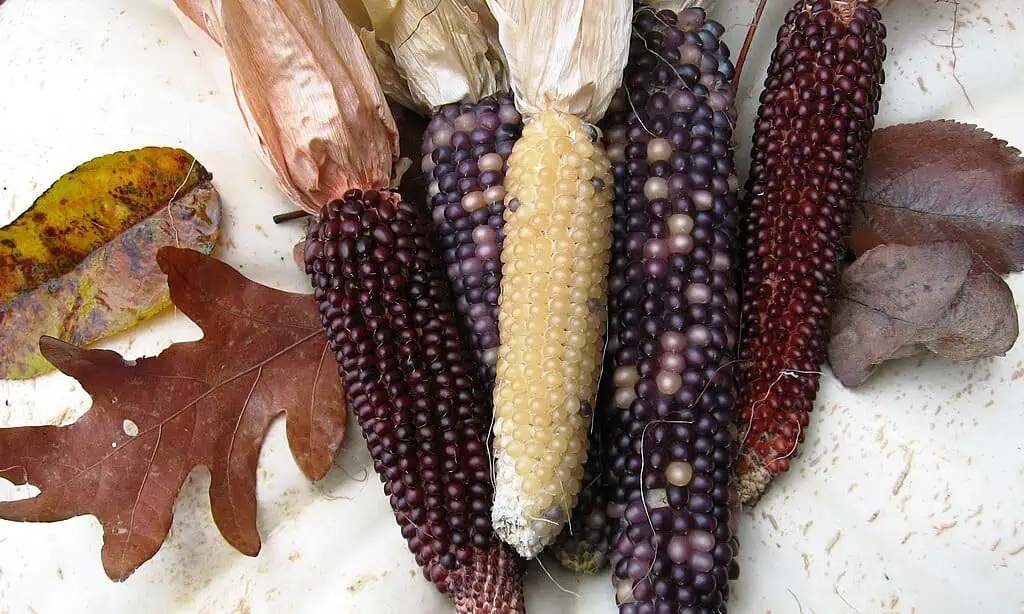
Embrace the diversity and resilience of heirloom plant varieties, which have been passed down through generations and offer unique flavors, colors, and adaptability to environmental conditions. By growing heirloom seeds, you can preserve biodiversity and savor the rich history and flavors of the past.
#4. Natural Mulching

Protect your soil, conserve moisture, and suppress weeds by using natural mulches such as straw, leaves, or grass clippings. Mulching also adds organic matter to the soil as it breaks down, improving fertility and promoting healthy root growth.
#5. Hand Weeding
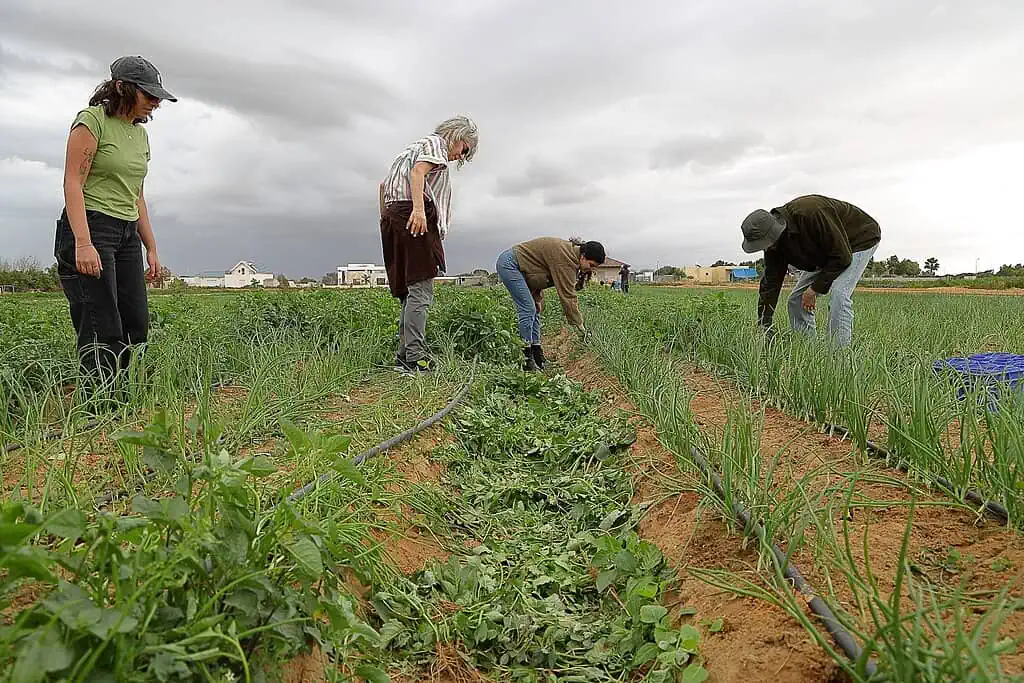
Take a hands-on approach to weed control by regularly inspecting your garden beds and removing weeds by hand. This simple yet effective method allows you to target weeds precisely while minimizing disturbance to desirable plants and soil structure.
#6. Organic Fertilizers

Feed your garden naturally with organic fertilizers such as compost, aged manure, or homemade compost tea. These nutrient-rich amendments nourish plants without the use of synthetic chemicals, promoting healthy growth and enhancing soil fertility.
#7. Moon Phases Planting
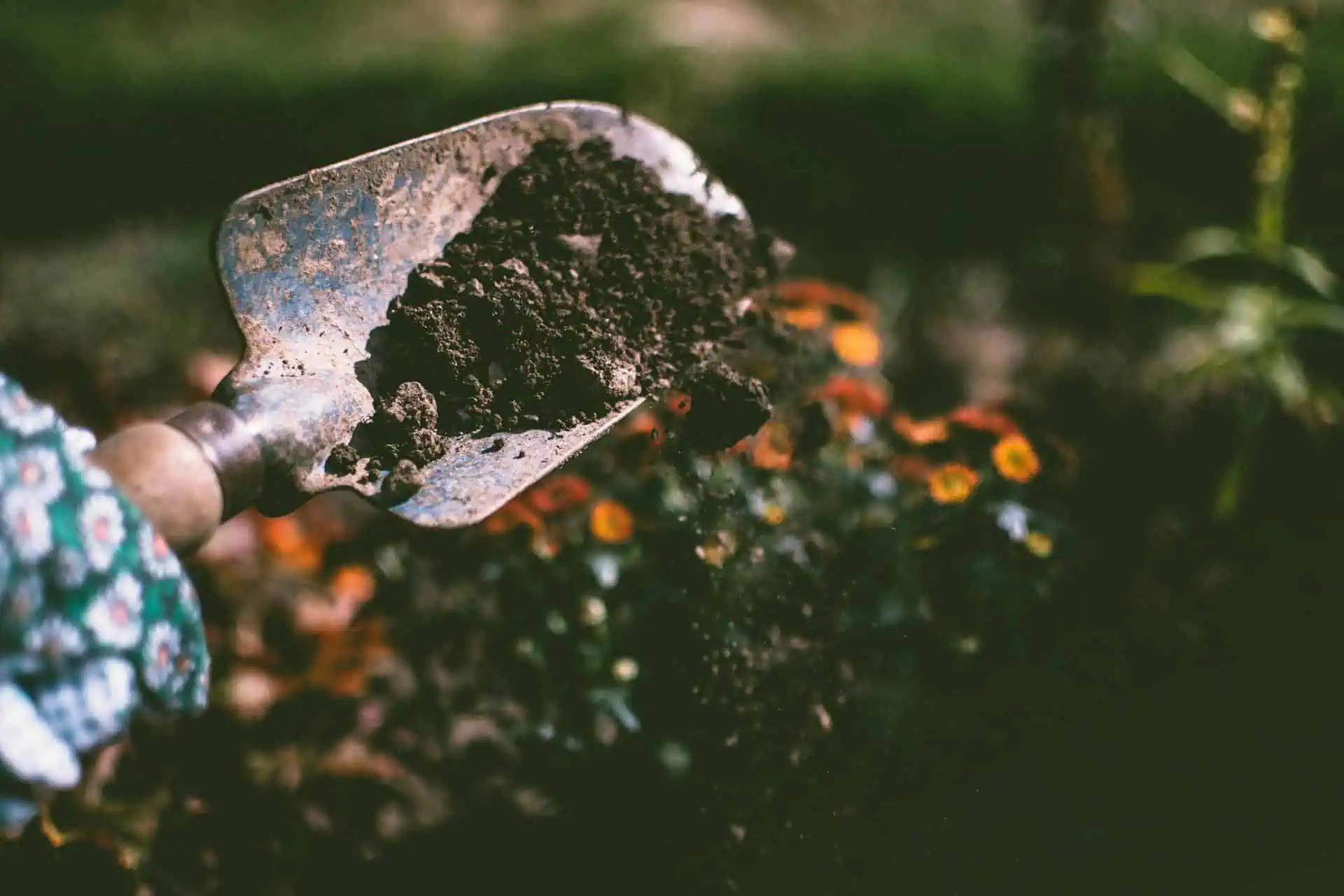
Align your planting schedule with the phases of the moon, a practice believed to influence plant growth and vigor. Planting root crops during the waning moon and above-ground crops during the waxing moon is thought to enhance germination, root development, and overall plant health.
#8. Herb Companion Planting

Integrate herbs into your garden as companion plants to enhance flavor, repel pests, and attract beneficial insects. Planting aromatic herbs like lavender, thyme, and rosemary among your vegetables can help deter pests while adding culinary versatility to your garden.
#9. Natural Pest Control
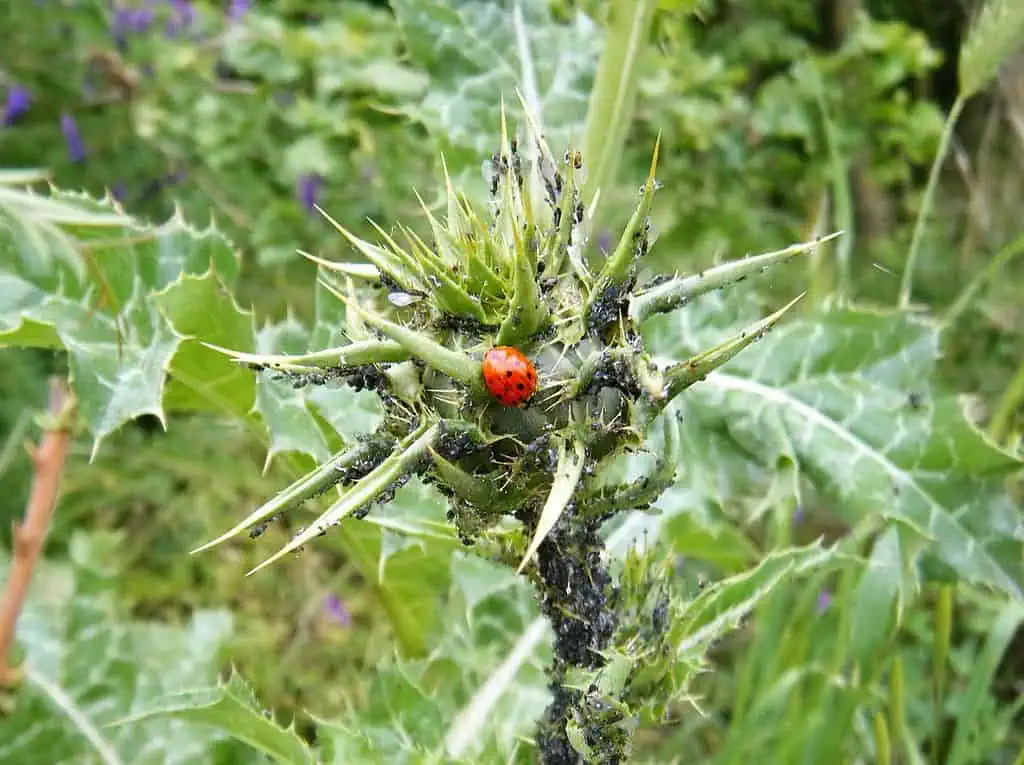
Combat garden pests without harmful chemicals by using natural pest control methods such as handpicking, trapping, or introducing beneficial insects like ladybugs and praying mantises. Planting trap crops or using homemade insecticidal sprays made from garlic, hot peppers, or neem oil can also help manage pest populations effectively.
#10. Seed Saving

Preserve genetic diversity and save money by collecting and storing seeds from your favorite open-pollinated plants for future seasons. Properly harvested and stored seeds can be a valuable resource for maintaining a self-sustaining garden and perpetuating heirloom varieties.
Source: Farmer’s Almanac
#11. Raised Beds
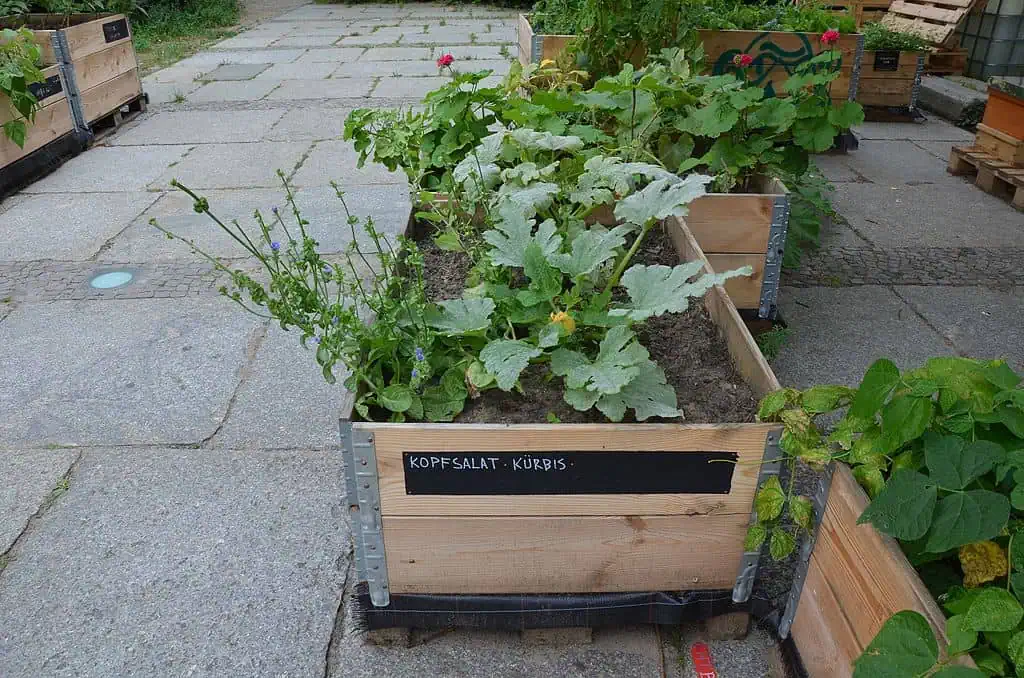
Create nutrient-rich growing environments and improve drainage by planting in raised beds filled with a mix of compost, soil, and organic matter. Raised beds also provide better control over soil quality and temperature, making them ideal for growing a wide range of crops in limited space.
#12. Natural Pesticides
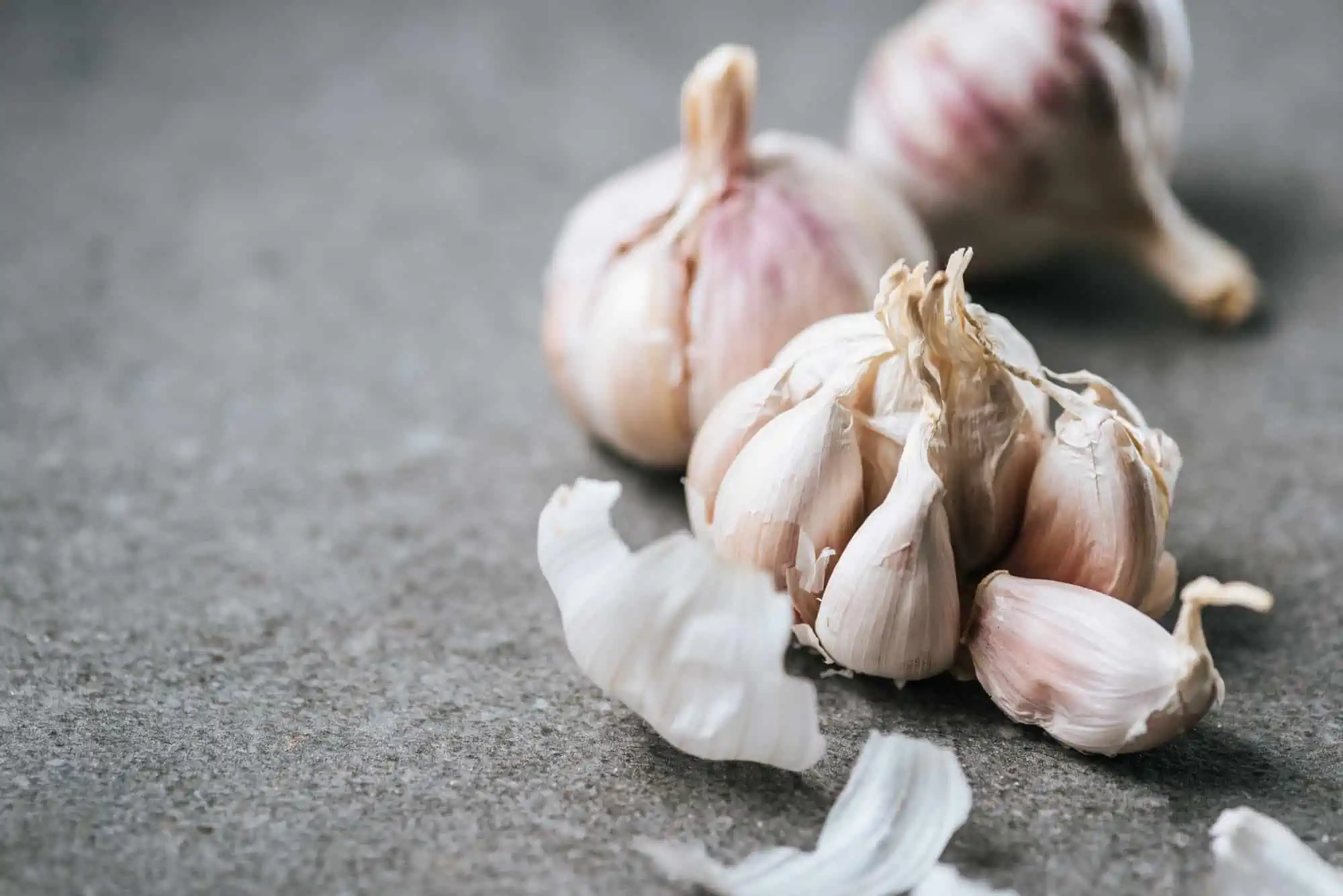
Make homemade pest deterrents using common household ingredients such as garlic, onion, chili peppers, or soap. These natural pesticides can be effective against aphids, caterpillars, and other common garden pests while minimizing harm to beneficial insects and wildlife.
#13. Hand Pollination

Ensure successful fruit set and maximize yields by hand pollinating flowers on fruiting plants such as squash, cucumbers, and melons. Use a small brush or your fingers to transfer pollen between flowers, especially in cases where pollinators may be scarce.
#14. Perennial Vegetables
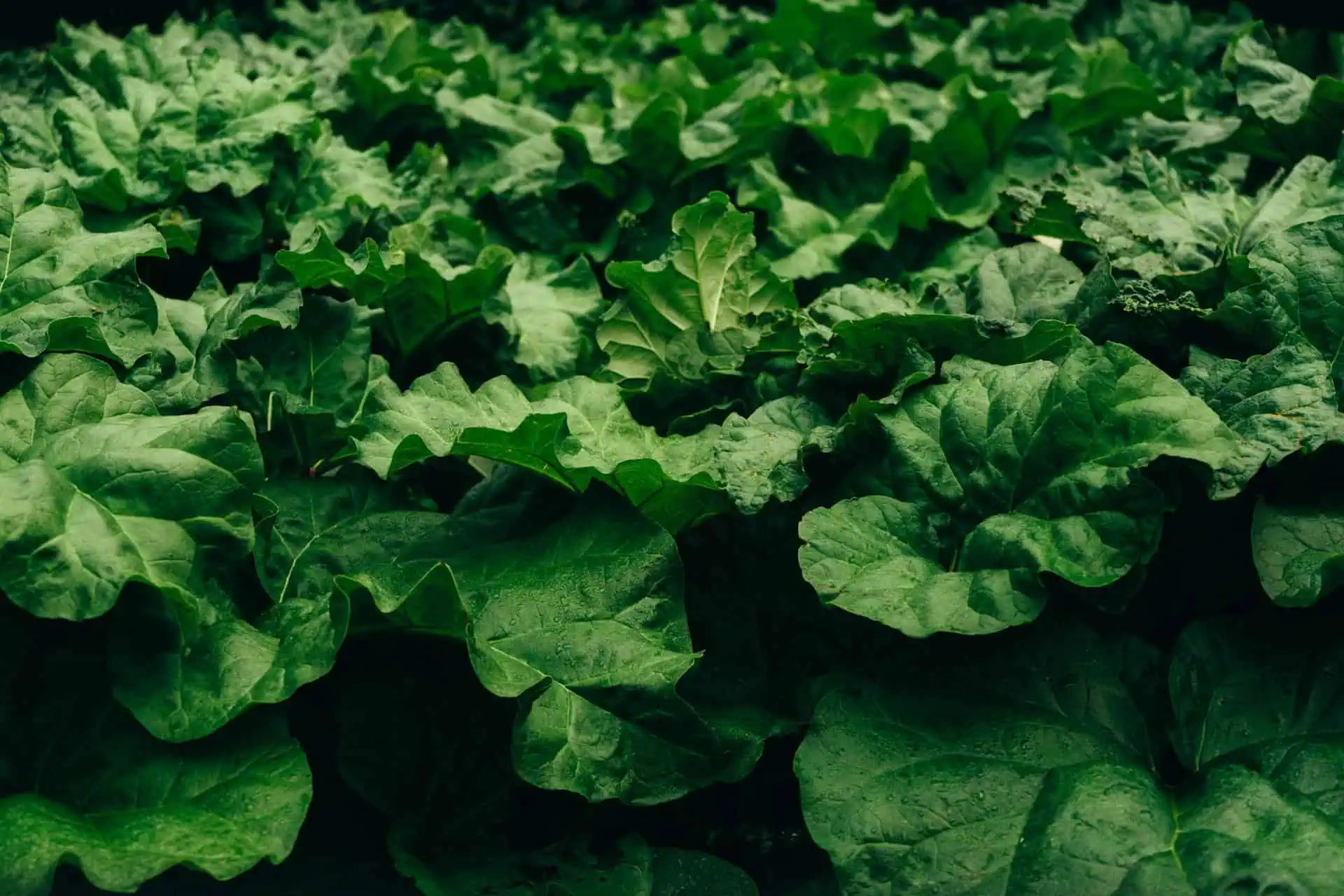
Incorporate perennial vegetables such as asparagus, rhubarb, and artichokes into your garden for long-term yields with minimal maintenance. Perennial crops offer the advantage of returning year after year, providing a reliable source of fresh produce without the need for annual replanting.
#15. Cover Cropping
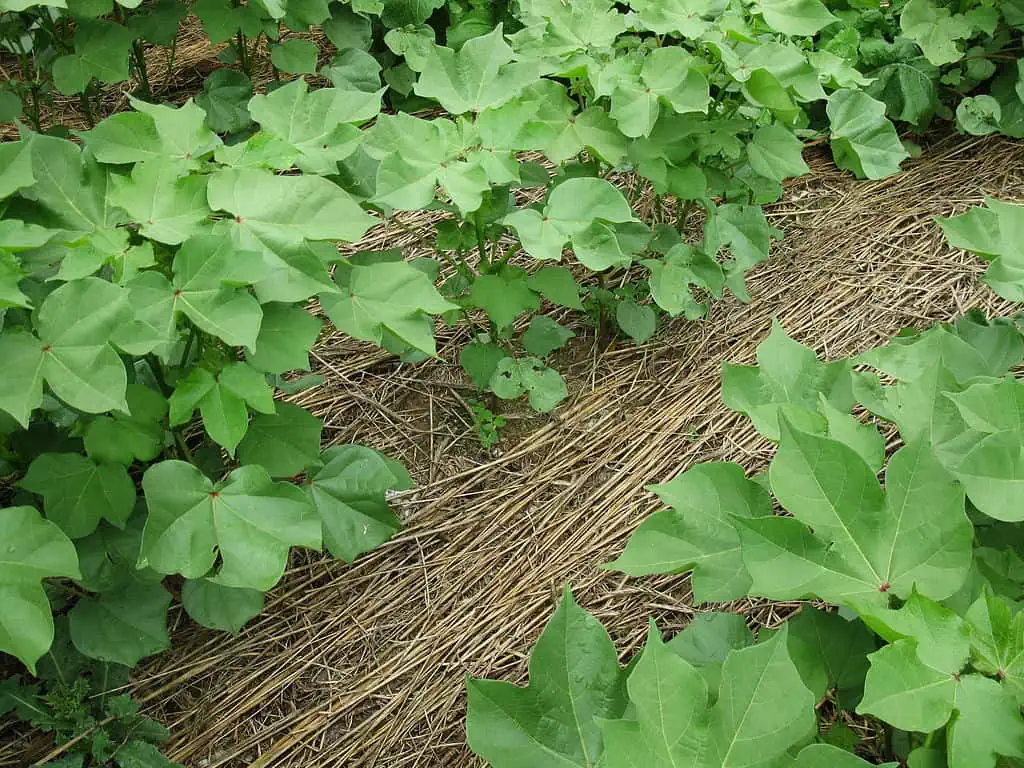
Improve soil fertility, suppress weeds, and prevent erosion by planting cover crops during the off-season or in between main crops. Legumes like clover and vetch can fix nitrogen in the soil, while grasses and grains provide biomass and organic matter when tilled back into the soil.
#16. Water Conservation
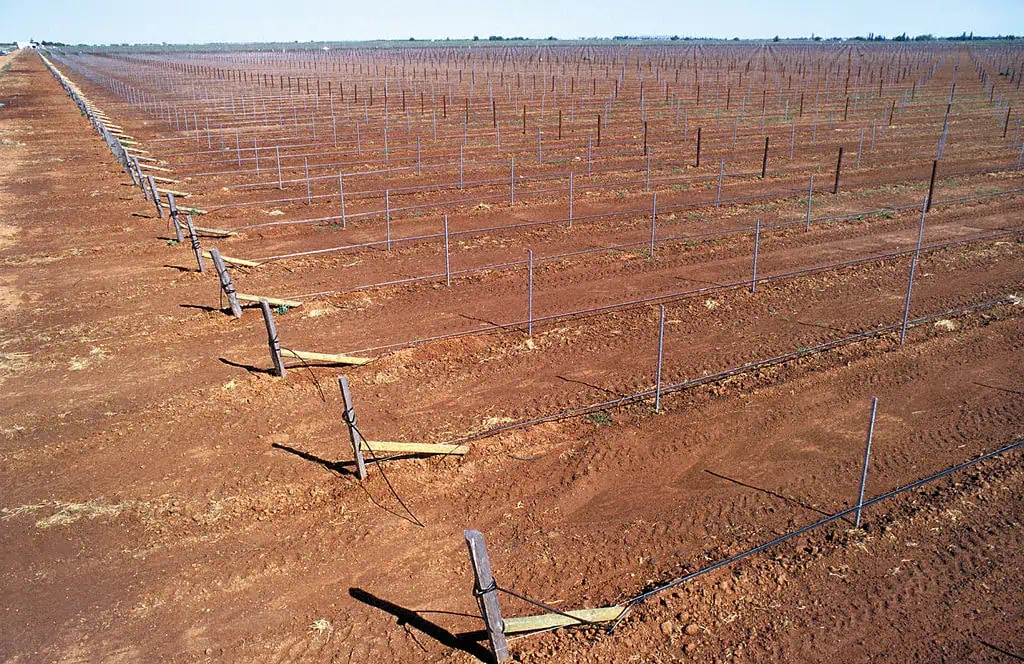
Conserve water and reduce irrigation needs by mulching your garden beds, using drip irrigation systems, and harvesting rainwater in barrels or cisterns. Efficient watering practices help minimize water waste while promoting healthy root development and plant resilience.
#17. Vertical Gardening

Maximize space and productivity by growing vining crops such as cucumbers, beans, and peas vertically on trellises, arbors, or fences. Vertical gardening allows you to make the most of limited garden space while improving air circulation and sunlight exposure for your plants.
#18. Season Extension Techniques
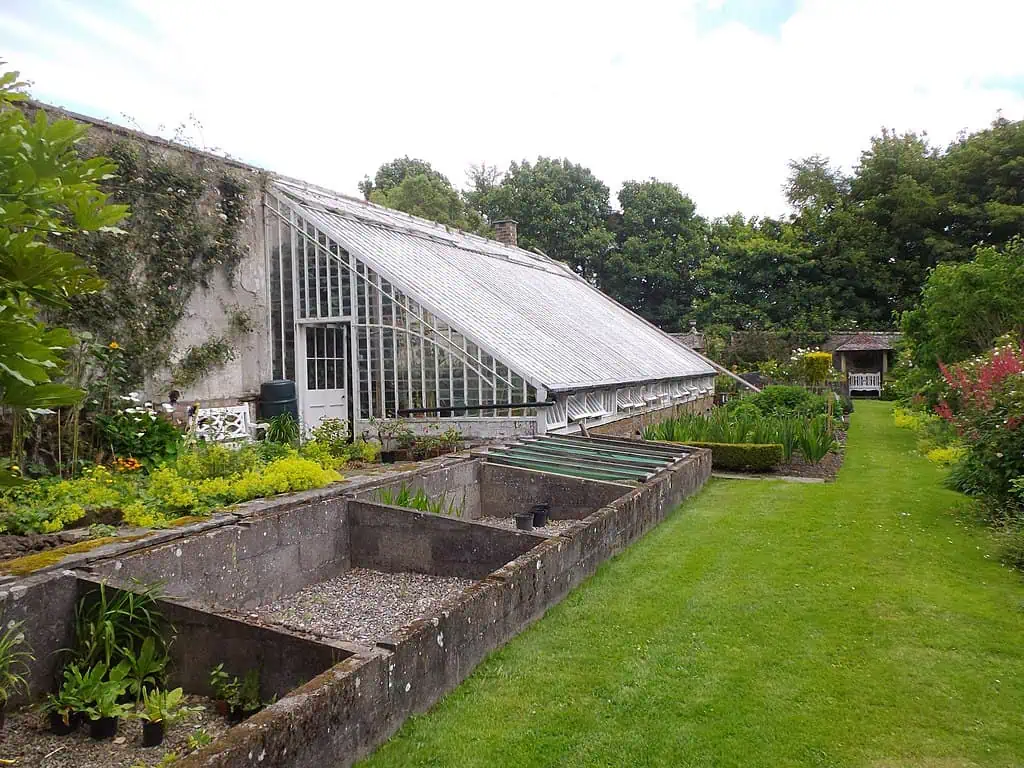
Extend your growing season and protect tender plants from frost by using season extension techniques such as row covers, cold frames, or hoop houses. These simple structures provide additional warmth and shelter, allowing you to start planting earlier in the spring and continue harvesting later into the fall.
Sources: Farmer’s Almanac, Gardenia.net
Disclaimer – This list is solely the author’s opinion based on research and publicly available information. It is not intended to be professional advice.
Like our content? Be sure to follow us.
11 Things That Will Vanish With the Baby Boomer Generation

Change is on the horizon, and as the baby boomer cohort gracefully transitions into their senior phase, a consensus among many users emerges: specific facets of life are destined to become relics of the past. Let’s explore a selection of social media remarks that illuminate the potential contours of the times ahead.
14 Modern Luxuries That Were Standard For Baby Boomers 40 Years Ago

In our rapidly evolving world, what used to be standard fare has now become a rarity for many. From tailored clothing to personalized travel, the things we once took for granted are now seen as special treats. In this slide show, we’ll explore how these everyday items and experiences have shifted from being necessities to privileges. Join us as we unravel the journey from common to exclusive and understand the evolving landscape of modern luxuries.


