We live in a whirlwind world of consumerism, and we’re quick to dump any piece that doesn’t function or gets dirty. But boomers came of age in a time when you tended to repair things instead of replacing them. Here are 12 household objects that boomers were more likely to repair than dispose of. It’s a little taste of a life from when you needed patience and work to keep things going.
Featured Image Credit: Pexels.
Television Sets

Since older TVs were big purchases, boomers got them fixed if they broke. You could easily swap out these components & it was down to local experts to restore a melted tube or wire. There was a repair place on every block to get your TV set fixed quickly, saving them for years. Plus, a family’s first TV was always a sentimental moment and it was always an easy decision to repair instead of replace it.
Vacuum Cleaners

Vacuum cleaners are another appliance boomers were willing to repair because they had strong metal cases and mechanical shapes that were cheap to replace. Better yet, they were less fragile than modern disposable, plastic models. Shops would always have parts on hand and replacing a belt or a brush made a vacuum like new — for less than the cost of buying one.
Like our content? Be sure to follow us.
Clothes

Neither a rip nor a missing button bothered Boomers. They were skilled sewists who would patch up a pair of jeans or a sock to keep them useful for longer. They could also customize the wardrobe, with every stitch adding personality so they could rotate their favorite outfits, year after year.
Watches

Whenever their watches stopped working, boomers wouldn’t simply buy a new one but instead just took it to a watchmaker. Repairing could involve simply fixing a small spring or a battery, letting the prized possessions last for years. Doing maintenance like this meant they could keep their watches for much longer, and as generations-old heirlooms, so they could hold onto them forever.
Furniture
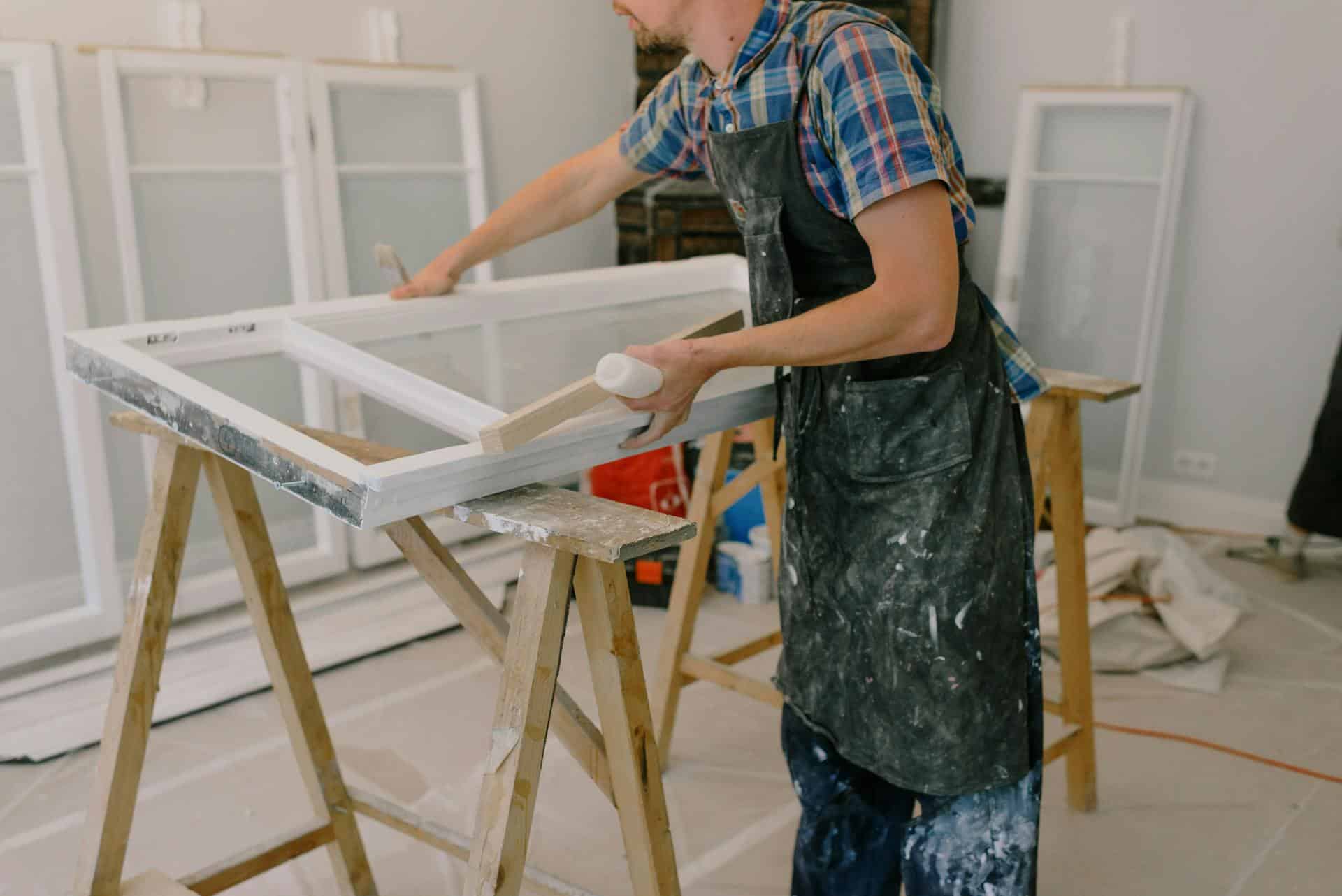
Boomers also bought a lot of furniture they thought would last for generations. Whether the upholstery became worn, or a leg snapped and you couldn’t afford a new one, you just refinished or repaired so that the piece could still be used and appreciated. That meant re-stuffing plenty of cushions — which could all be done at home or with a local artisan.
Cars

Cars were long-term investments for older people. Boomers would work weekends changing oil and other things drivers now may abandon to the mechanic. That type of direct involvement cost far less – while giving boomers a feeling of connection and ownership over the car. Sadly, that has disappeared with modern cars.
Radios
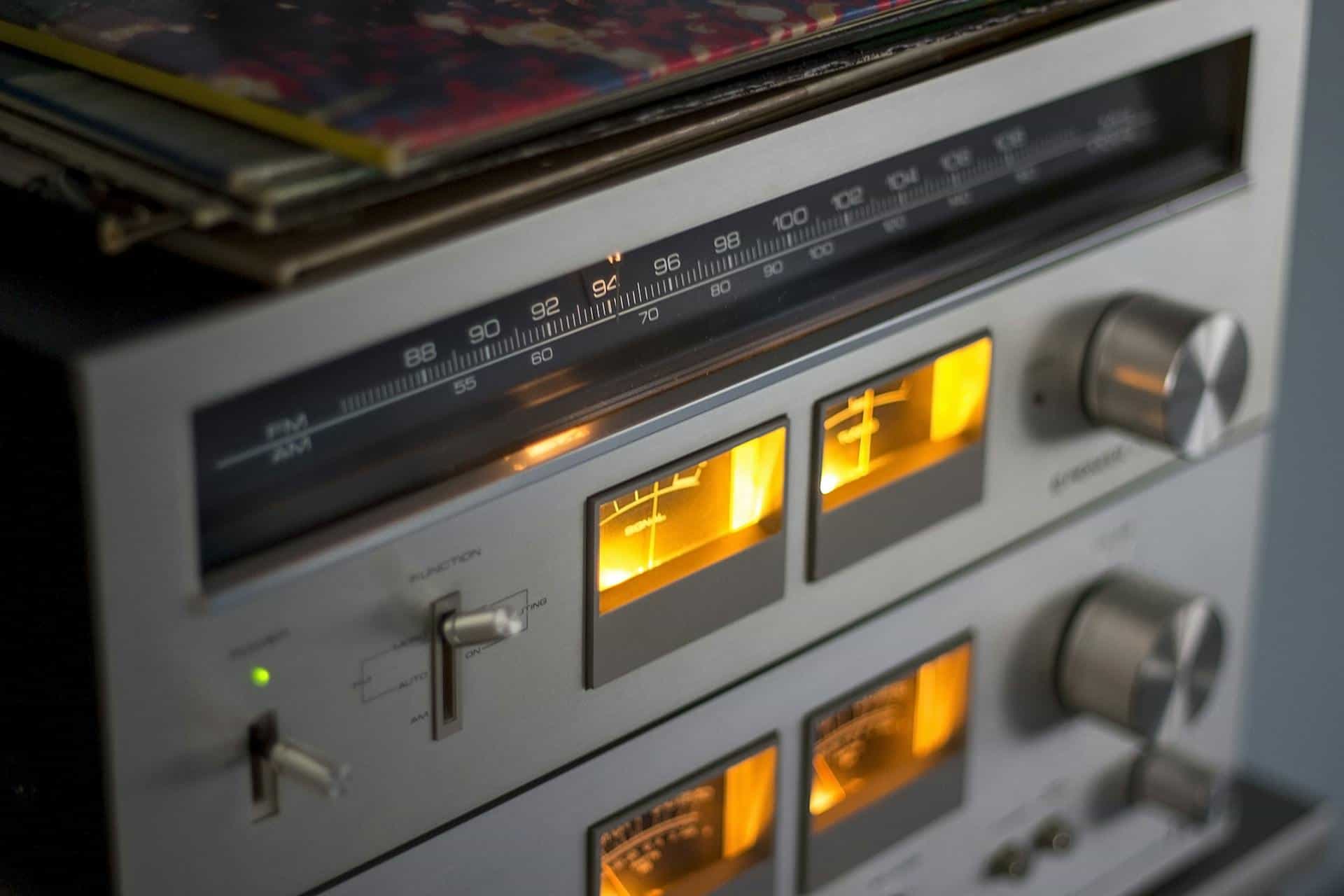
Boomer era radios were usually solid and easy to repair. A radio might break and all you had to do was swap in a vacuum tube or solder a pinhole open to restore its harmony. Boomers could tell you stories of the one radio in the house that everyone always had and why it was so worth the trouble to keep it on tunes and the news.
Appliances

Major appliances such as refrigerators and stoves were items to replace, not repair. After all, boomers knew that a call to the handyman could be enough to fix a crack in the fridge seal or a burnt oven burner. It was this attitude that made these devices generally last longer than you’d think. There are still boomer era refrigerators and stoves left!
Footwear

Boomers regularly took shoes to a cobbler for resoling or reworking. They appreciated good-quality shoes that would last years-–they just need occasional upkeep. With such an attitude, this generation could keep their favorite pairs on for longer. It also enabled small businesses to keep the whole town looking good.
Lawnmowers
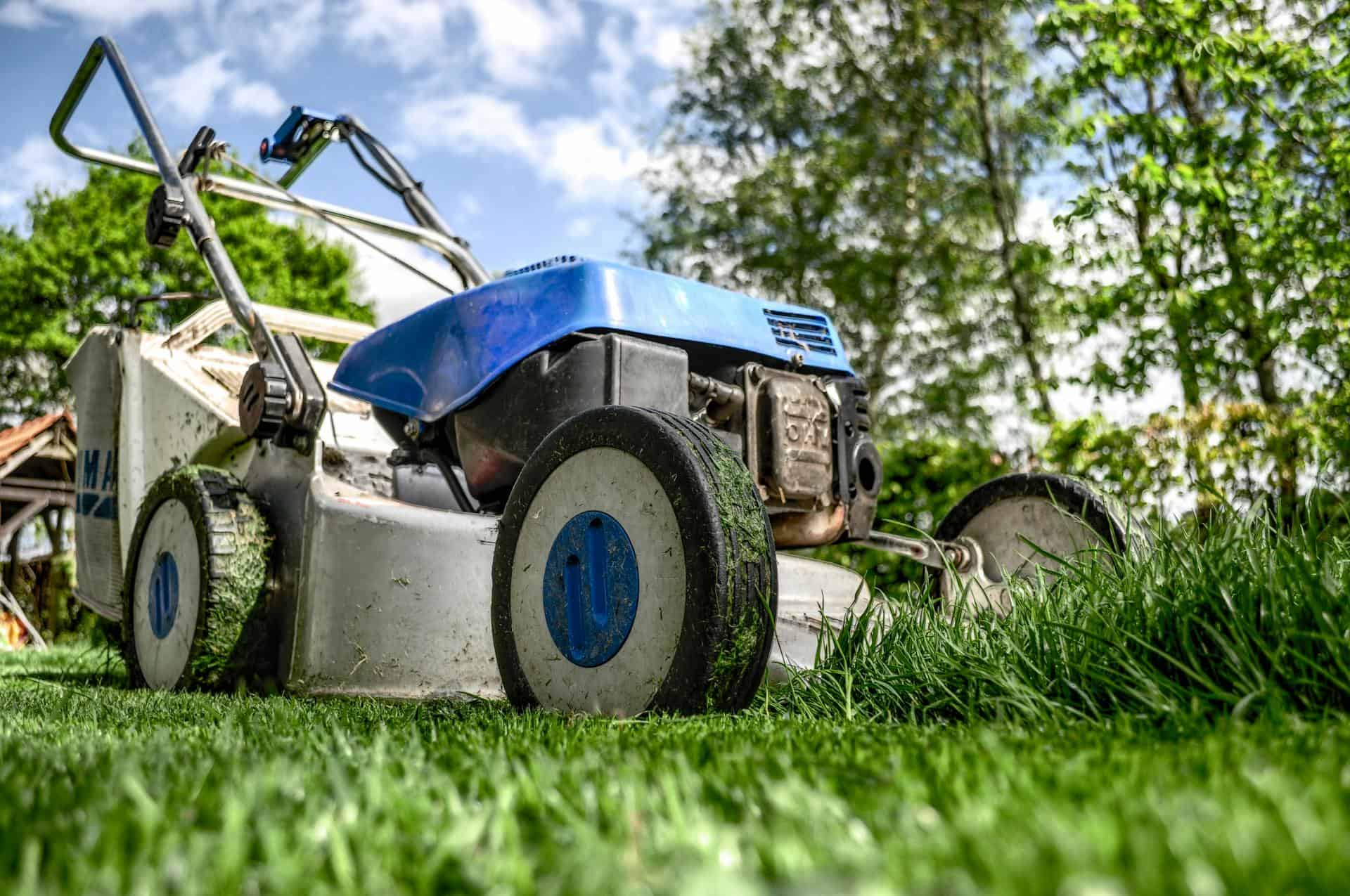
Whether a push mower or a gas engine one, boomers had the best lawn-mowing machines. They’d sharpen blades and flush filters to keep them running – instead of replacing them just because they’d quit working. Even replacing spark plugs made the mowers last longer and became a badge of honor for many boomers who could fix their own machines.
Bicycles

Bicycles were another object preserved for good. To keep their bikes going season after season, boomers would patch the tubes and adjust brakes themselves. This independence in maintenance not only slashed prices, it fostered autonomy and self-reliance, values prized by that generation.
Typewriters

There were no computers for boomers, so they would clean and repair typewriters instead by switching out ribbons and resetting pinched keys, rather than tossing them aside. They liked the feel of typing and the relief of seeing results printed right on paper. It was worth working to maintain these machines. Not only that, but fixing a typewriter was a talent that they revered.
Disclaimer: This list is solely the author’s opinion based on research and publicly available information.
Like our content? Be sure to follow us.
Read More: