

Everyone’s usually tired or distracted after a funeral, and that’s why they end up throwing away some of the items they should never have tossed.
Old address books

It’s easy to think that an old address book belongs in the trash. Half the numbers have been crossed out, so it seems like a waste. But keep it anyway. It could be the fastest way for you to find loved ones and distant contacts that nobody else in the family knows.
Those entries could also include maiden names or notes that you’d never get from elsewhere. Doesn’t matter how strange the handwriting might be, it could be your family’s only contact list. Best to keep a hold of it.
Keys that no one immediately recognizes
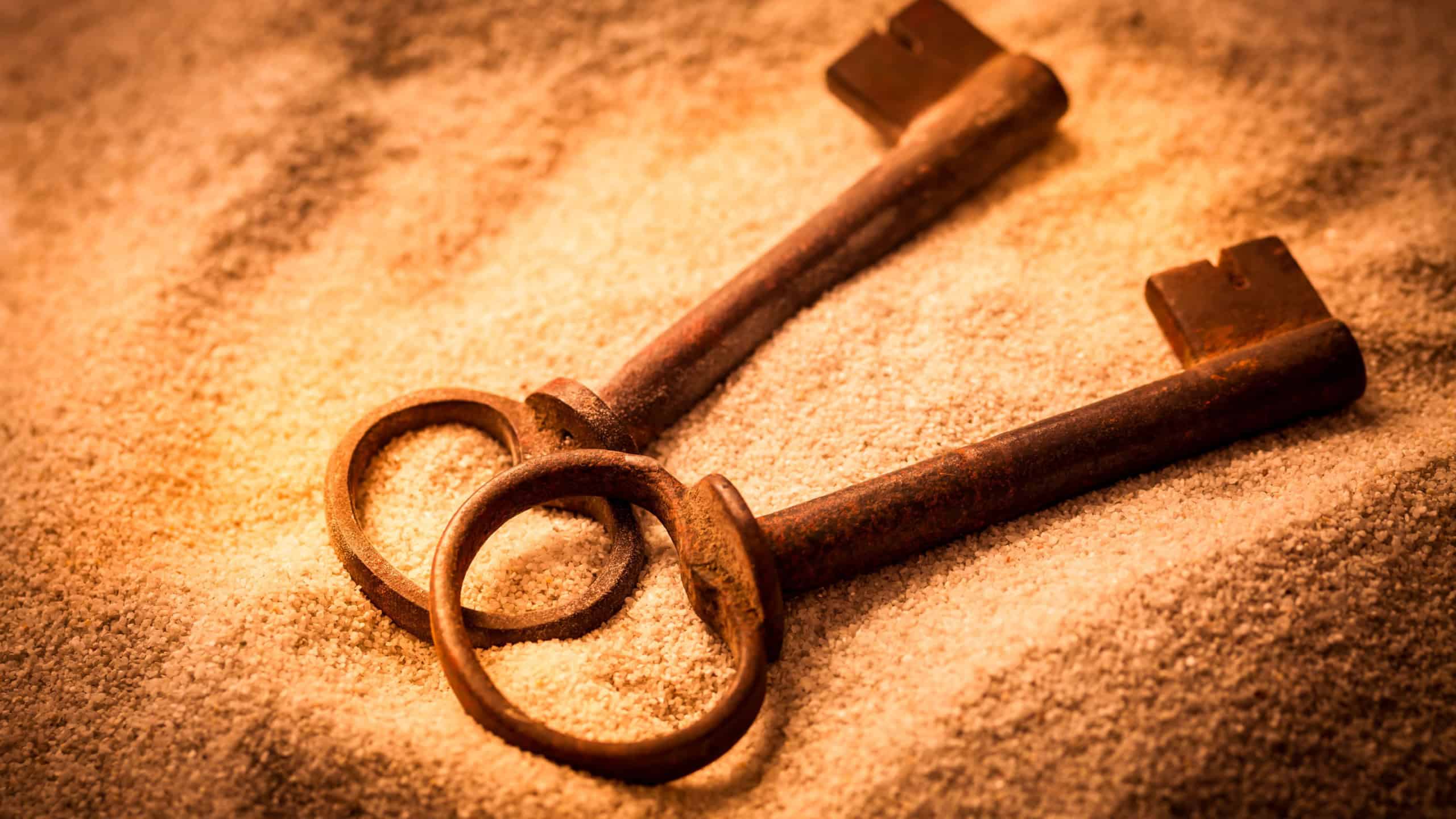
Unknown keys tend to look completely pointless. No label, no clue. You still shouldn’t throw it away, though, because it could belong to a filing cabinet or storage unit. Maybe it’s the key for a safe-deposit box.
Whatever it’s for, you should probably put all the mystery keys in one bag and leave them there until the estate’s been properly checked. You’ll probably find a few that don’t open anything useful, and that’s totally fine. There could be one that’ll save hours of paperwork, though.
Unopened mail
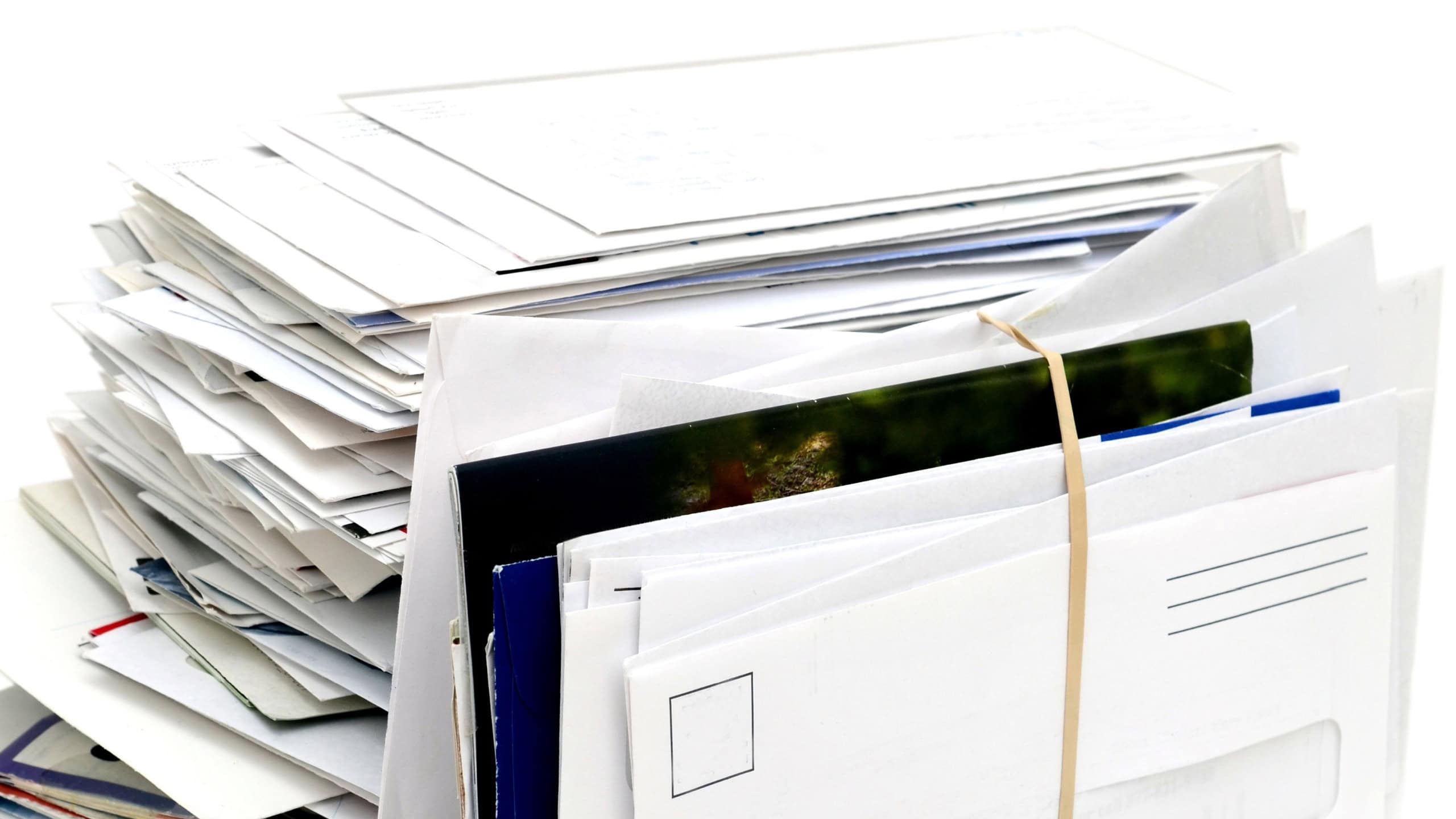
No, a pile of unopened mail isn’t very interesting, and it often seems like another mess to remove during funeral week. Avoid that urge. Any unopened letters could contain important information, like insurance details or refund checks.
There could be pension letters and tax forms, too, even though it might not seem like it. Mail that looks like junk might be just what you need to identify an account or company you didn’t know about. Let the executor decide what matters.
Old paperwork with handwritten annotations
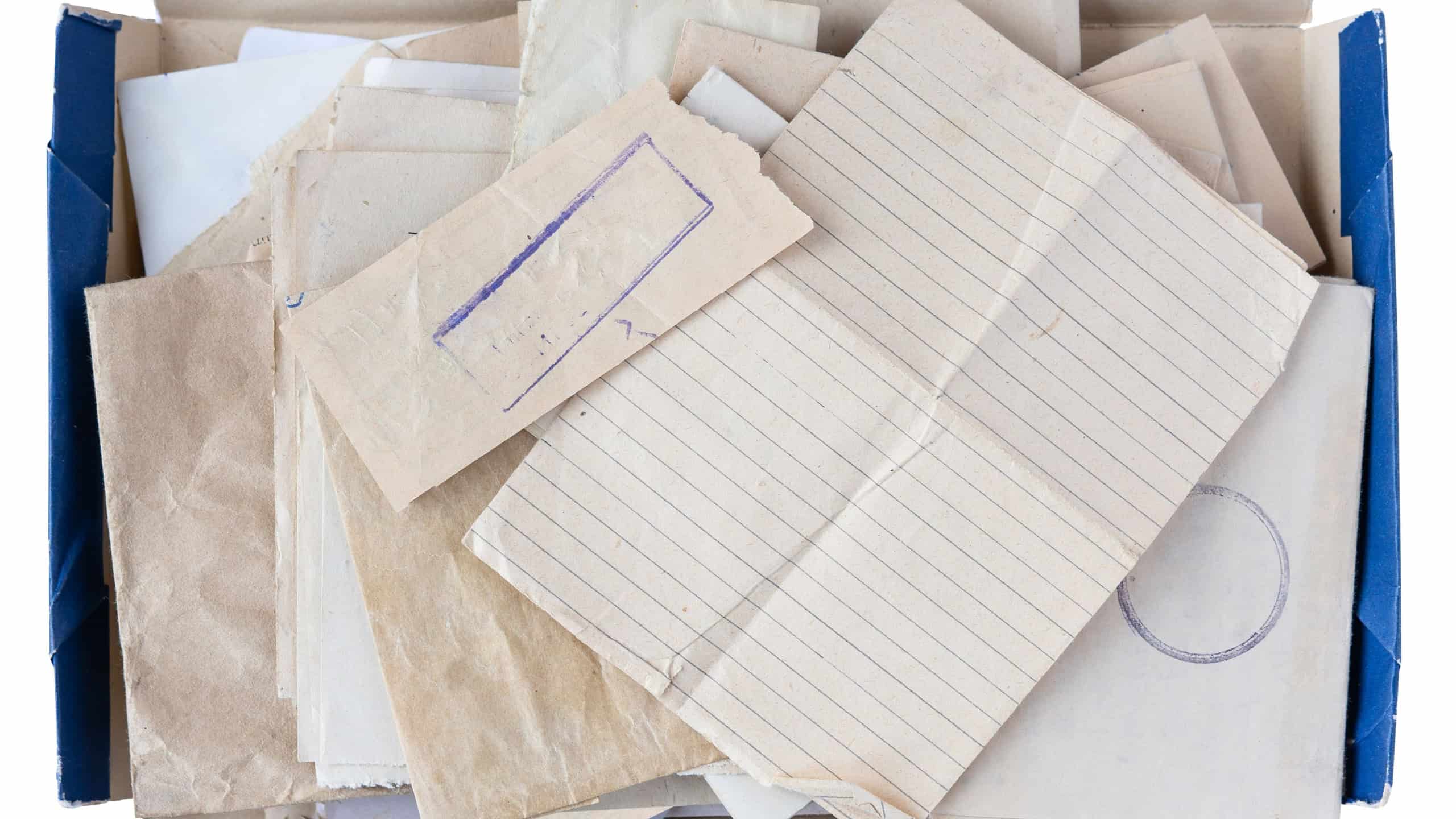
It’s true that the printed part of an old document may be outdated. The scribble in the margin could be useful, however, and it might be exactly what you need. For example, it could be a phone number beside an insurance policy. Perhaps it’s a corrected account name.
You should leave the notes on it and keep any pencil marks as they are. As for messy copies, don’t throw them away and assume there’s a cleaner copy. That messy copy might be the only one left.
Checkbooks and bank deposit slips

Look again inside an old checkbook because you find a lot more than a stack of unusable checks. The register might list important information, including regular payments and transfers. It might have accounts that don’t appear anywhere else.
Don’t forget about the deposit slips, either, because these can carry banking details that you might need. It’s a good idea to store them securely. You don’t need to write a check from the account or anything, just keep everything intact until the bank and executor sort it out.
Boxes labeled ‘miscellaneous,’ ‘old papers,’ or nothing at all

An old cardboard box shoved behind a wardrobe is hardly anything exciting. It’s especially boring when it’s just labeled ‘stuff,’ but still, leave it alone for now. You’d be surprised at the kinds of serious things put in very unserious boxes.
You know, like property deeds and savings bonds. There might be citizenship papers, stock certificates, funeral plans, old wills, letters, and photos with names on the back. The truth is, funeral week isn’t the time to gamble on which stuff is useful and which stuff isn’t.
Old passports
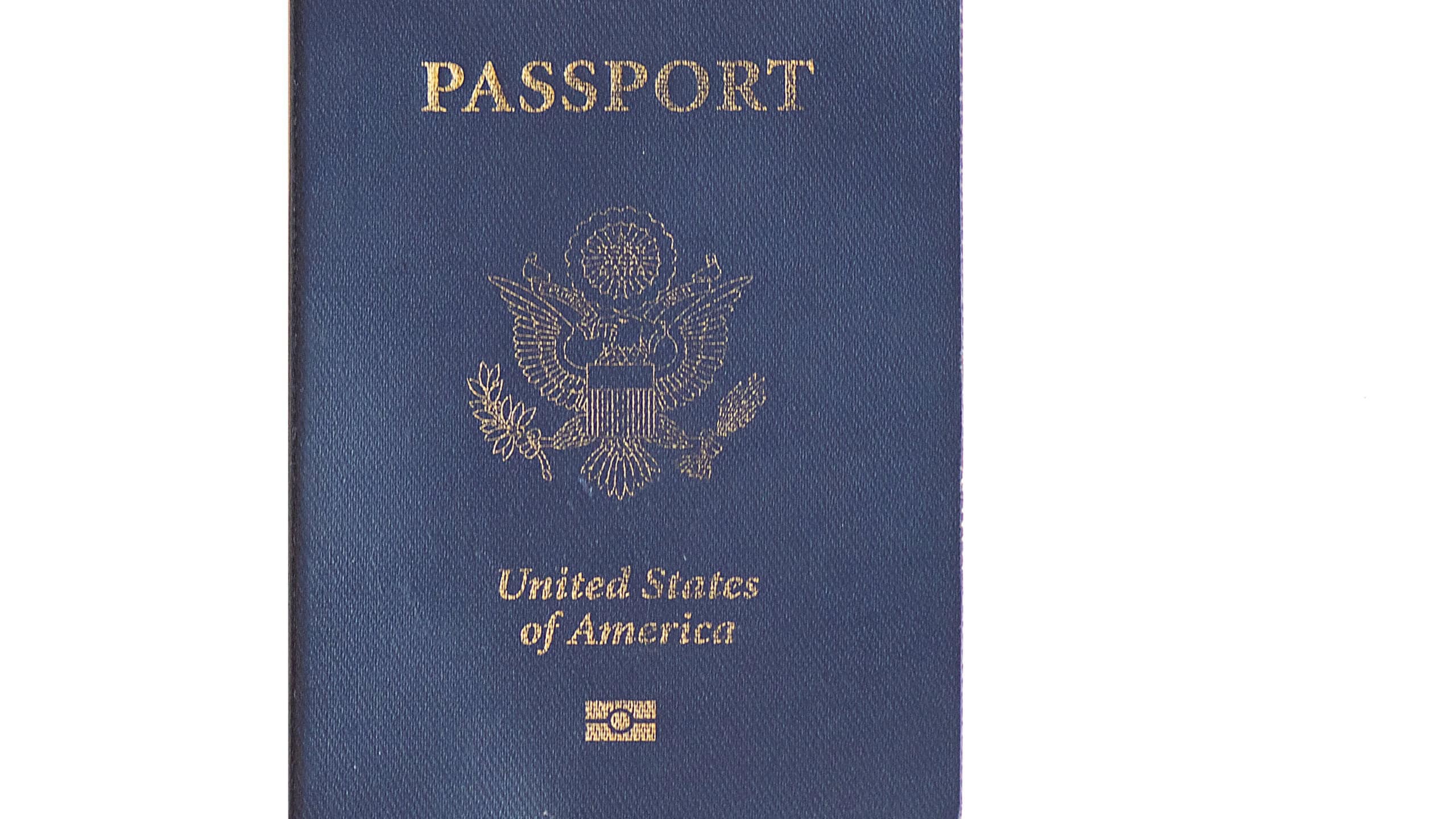
Most people think passports are only useful for the airport. They’re wrong. Even an expired one has some use to it, since it can carry old signatures and visa pages. It’ll have clues about places the family may barely remember visiting.
That’s not to say you should leave one lying around. You can send a valid U.S. passport to the State Department to get it canceled, then ask to have it returned. Keep it with the other identity documents until then.
Old maps with markings on them
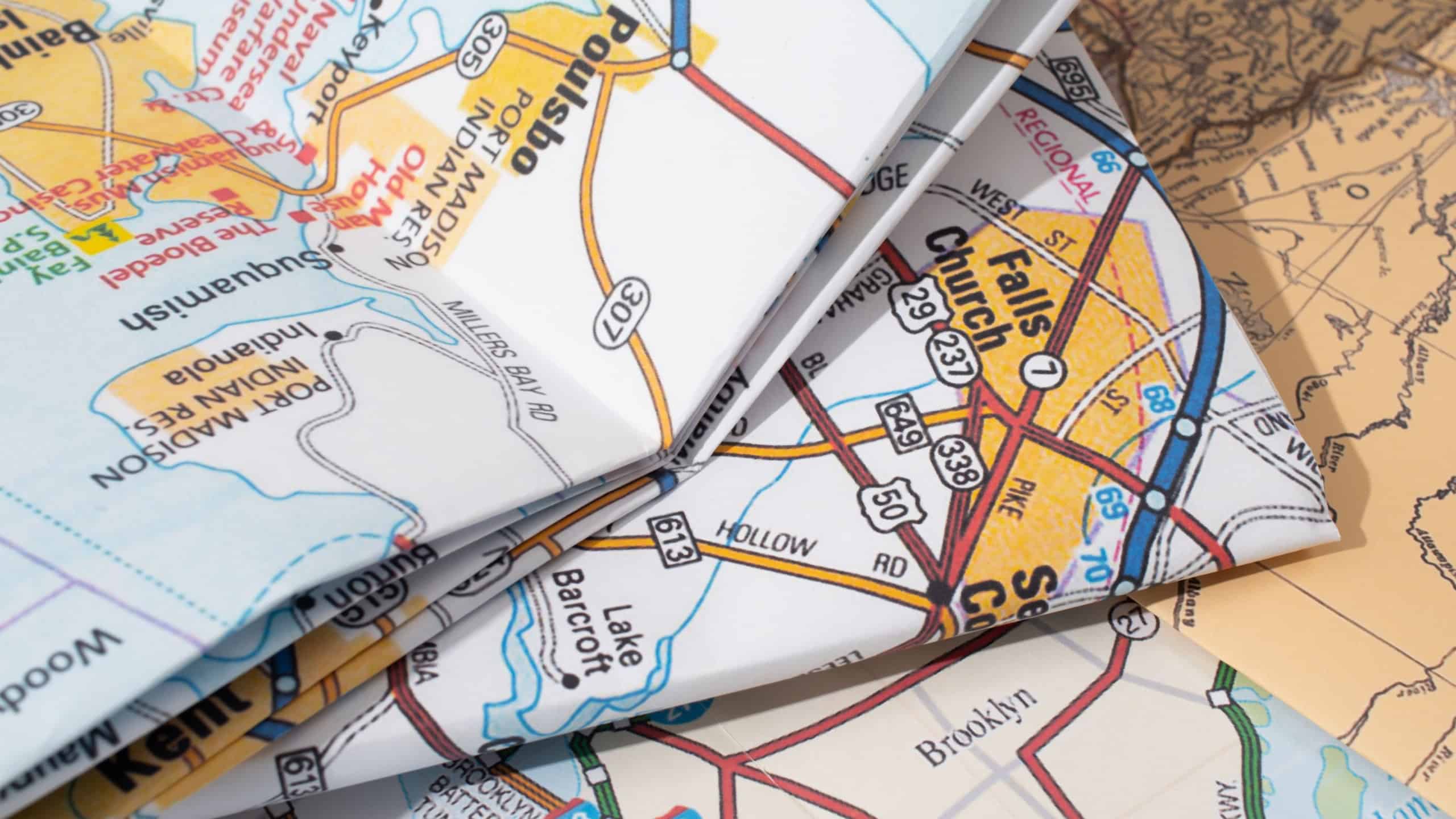
That old map, the one with scribbles on it, is more valuable than you might realize. It’ll have plenty of old memories on it, for one, and it could point to some information you might not have about your family history.
Let’s not forget how names and road layouts change, so that old map could be the only details you have of them. Take a photograph of both sides and leave every mark exactly where it is. Simple as that.
11 reasons some souls are said to linger after death

Here are some of the most common reasons people believe certain souls linger after death instead of moving on.


