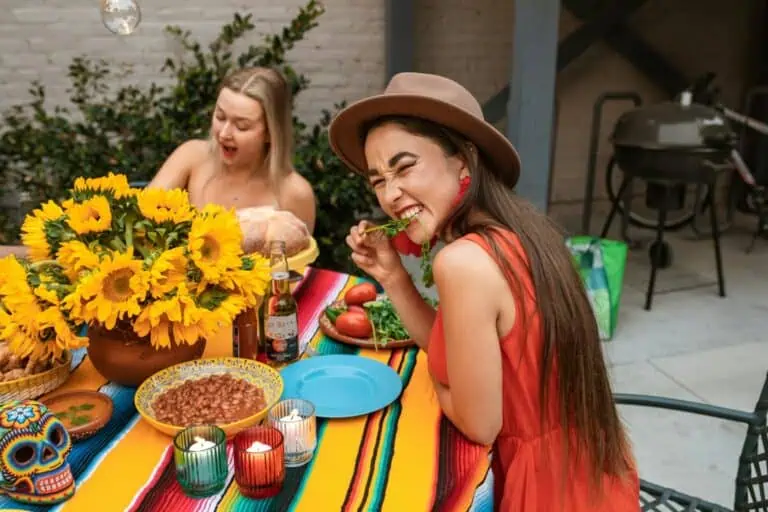

Visiting different countries is such a fantastic experience, and exploring new cuisines around the world is just as big a part of that. And yet, without even realizing it, we do things that might seem overzealous or callous to the locals — especially in restaurants, where meals may be quite unlike what we know at home.
The most basic requests that we don’t think twice about in the United States may be out of place in countries with different traditions of eating.
Here are 10 of the most annoying things we do dining at foreign restaurants.
Featured Image Credit: RDNE Stock project /Pexels.com.
Expecting Free Tap Water
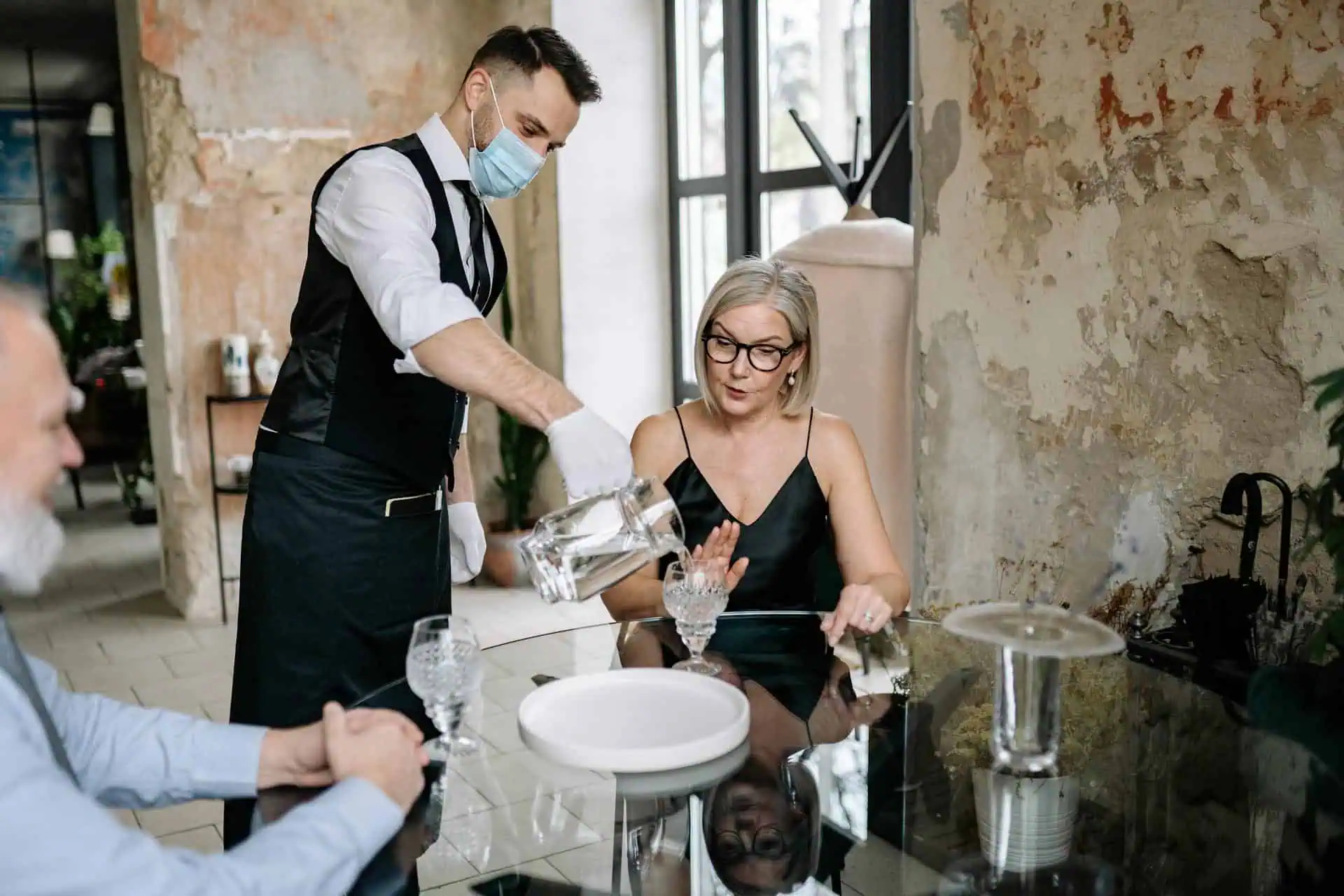
If you’re in the U.S., tap water is free at most restaurants. It’s not the same everywhere. A lot of countries only sell bottled water, so the request for free refills can feel demanding.
Over-Tipping or Under-Tipping
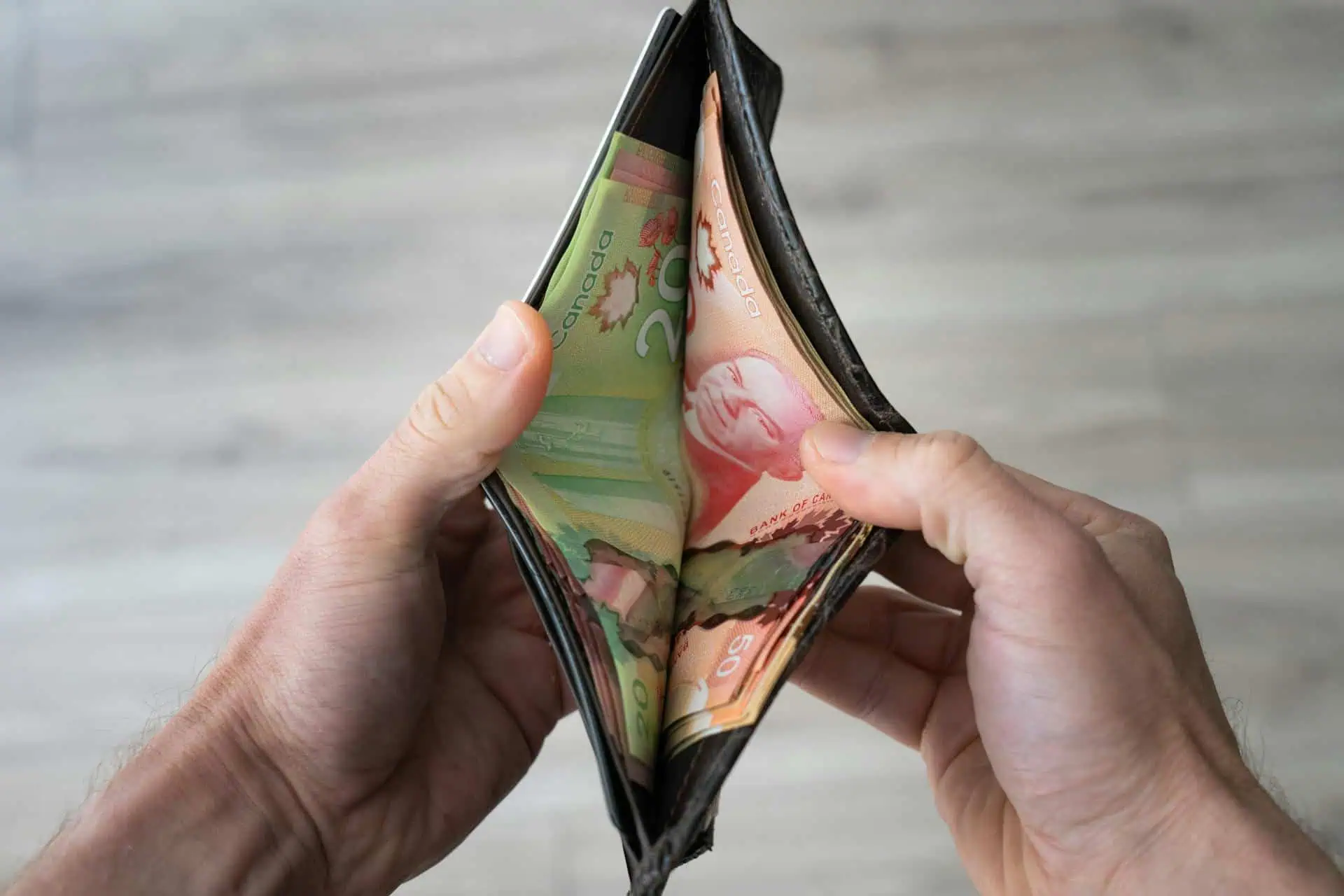
Tipping customs vary from place to place, and Americans are generally very generous. Over-tips are confounding, or insulting, at destinations where tipping is not customary. It’s best to find out from locals or read online about the tipping culture of the place you’re visiting.
Like our content? Be sure to follow us.
Requesting Customizations

Changing dishes is easy in U.S. restaurants, but many overseas chefs take great pride in their work and don’t like being asked to change them. Making adjustments to accommodate your own preferences can be construed as an abuse of the cook’s labor, particularly in societies where food should be eaten exactly as prepared.
Speaking Loudly

Americans tend to be louder, and this might seem more unusual among smaller, quieter dining environments. It can be seen as intrusive or disrespectful in many places. Look around and see if your volume levels stick out like a sore thumb.
Expecting Ice in Drinks
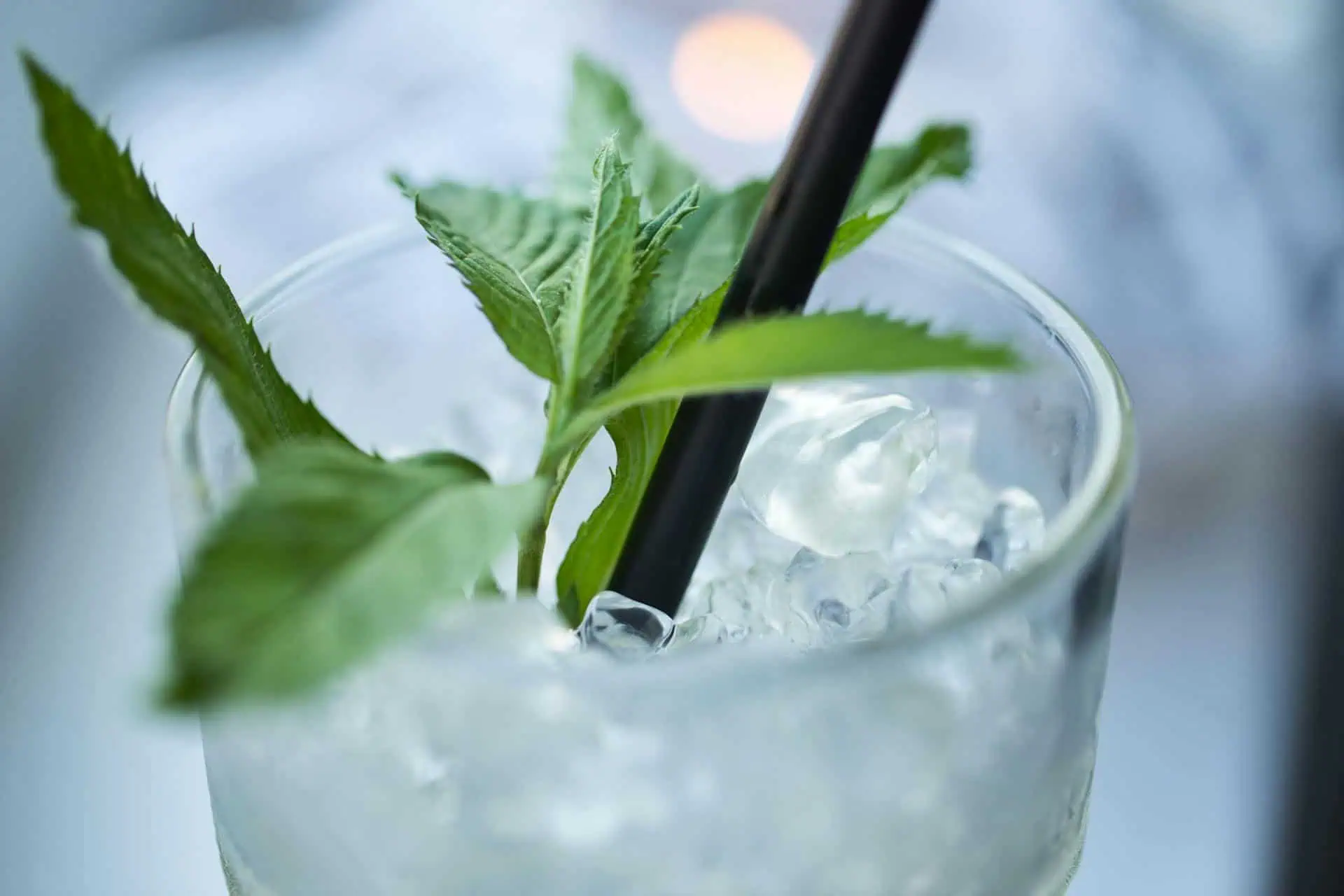
Cold, ice-filled drinks are standard in the U.S., but most cultures consume beverages at room temperature or iced slightly. A glass full of ice with barely any room for the beverage is difficult for most cultures to understand.
Rushing Through Meals

In many other countries, dining is a leisurely, communal event – something to be savored slowly. Americans who have grown accustomed to fast service might rush, ask for the bill too soon, or appear impatient – in other words, disrespect the culinary traditions and routines of the area. Some places just take their time.
Expecting “To-Go” Boxes

Taking leftovers home is normal in the U.S., but there’s no “to-go” culture in most countries. Asking for a box of leftovers can confuse restaurants and may seem like an odd or insulting gesture.
Comparing to American Food

When you complain about food being different or not like it is “back home,” you are being culturally insensitive. When you compare genuine local foods to American ones, you’re insulting chefs and diners who are proud of their own food. When visiting other countries, show appreciation for their food – don’t expect the same taste as home.
Requesting Condiments like Ketchup

Asking for ketchup or ranch every time can signal to local diners that you don’t appreciate new flavors. Some American condiments are rarely or never used in these local eateries, and demand for them can seem like a way to “Americanize” the food.
Assuming English Menus or Staff
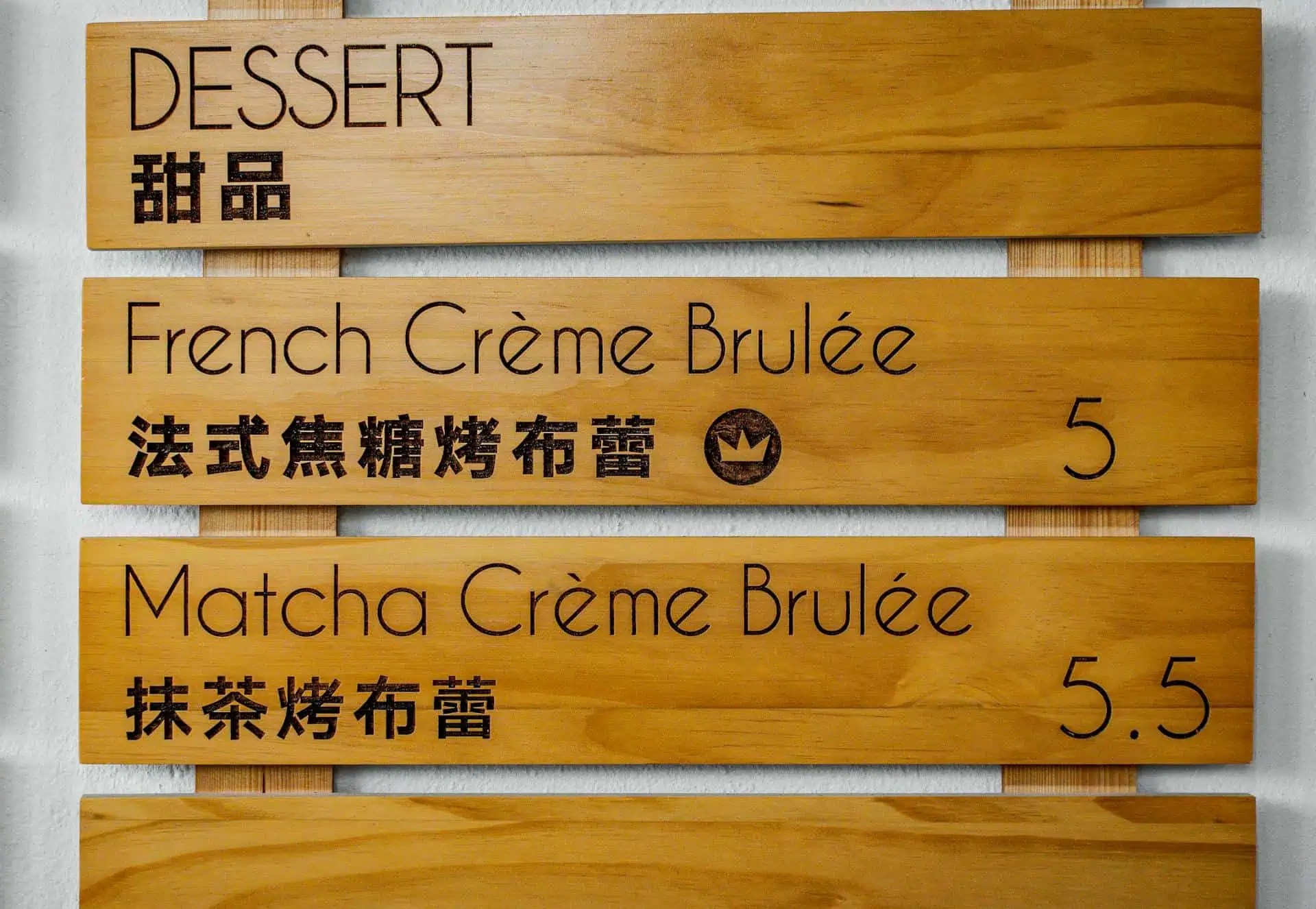
English is widely spoken in tourist districts but not everywhere. Tourists frustrated by the absence of English-speaking waiters or English menus will probably appear impatient. A bit of effort in learning a few words in the native tongue can go a long way toward showing respect.
Disclaimer: This list is solely the author’s opinion based on research and publicly available information.
Like our content? Be sure to follow us.
Read More: