

A huge number of Americans blank on questions about our country, even on stuff that you might think is obvious at first.
It sounds easier than it is

The first question’s about the First Amendment. What are the five freedoms it protects? Most Americans say freedom of speech, and then they freeze afterward. One survey found that only 7% knew all five of them.
Many of them struggled to even name three. The full list includes the freedom of speech, religion, press, assembly, and petition. It’s the last one that gets most Americans. They forget it exists.
One word throws people off

To ‘petition the government’ sounds like something from a textbook. What does it really mean? No, it has nothing to do with signing something online, and it actually means Americans have the right to complain to the government. You’re allowed to ask for changes.
You’re allowed to protest and get officials to fix something without punishment. It’s been part of the Bill of Rights since 1791. However, only 11% of Americans were able to explain what it means.
Some countries get left out entirely

World War II is another conflict that we’re taught a lot about. But which countries did the U.S. fight during the war? 60% of Americans aren’t able to name all three, although a lot of them did know Germany was involved.
We fought Germany, Italy, and Japan in World War II. A lot of Americans forget that we were against Italy at one point, even though it was one of the main Axis powers. The war did involve a lot of other countries, yes, but these were the main three.
The number surprises people
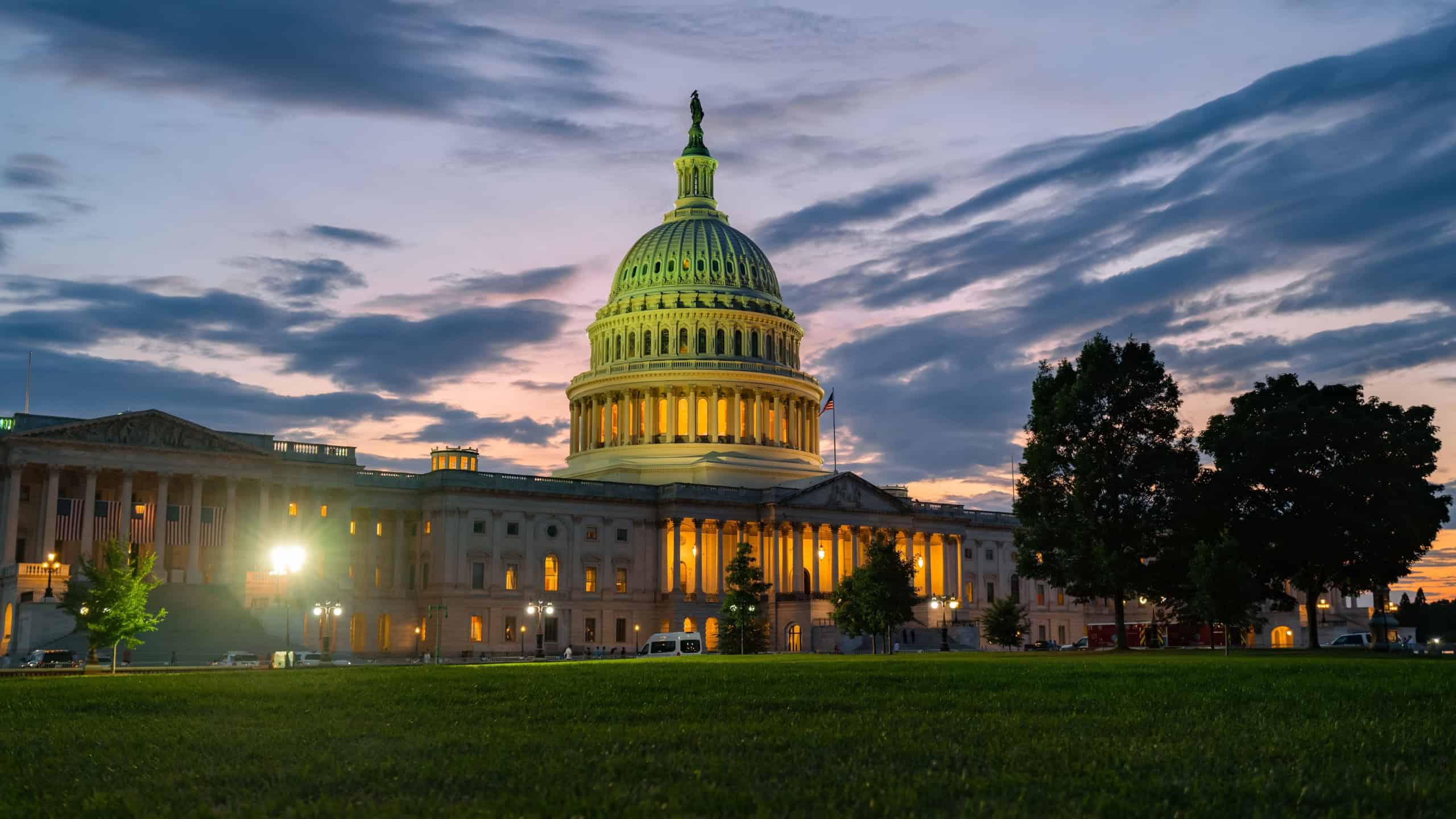
How long do senators serve? The question stumps many Americans. They usually think senators serve for a couple of years before running again. But no. A senator’s full term is six years, and the elections are staggered as well.
Only a third of senators face reelection at one time. One study found that less than half of Americans could correctly answer the question, and quite a lot of them said four years. They probably mixed senators up with presidents.
The answer is sitting in plain sight

Most Americans get this one wrong because they second-guess themselves. What does each branch of the government do? There are three of them. Only half of Americans actually know the difference.
The first is the legislative branch, which makes federal laws.
The executive branch carries out laws.
The last one is the judicial branch. It handles court decisions and legal disputes.
However, most Americans don’t know which branch turns bills into federal law, and they thought it was the Supreme Court.
It’s a much bigger number than many expect
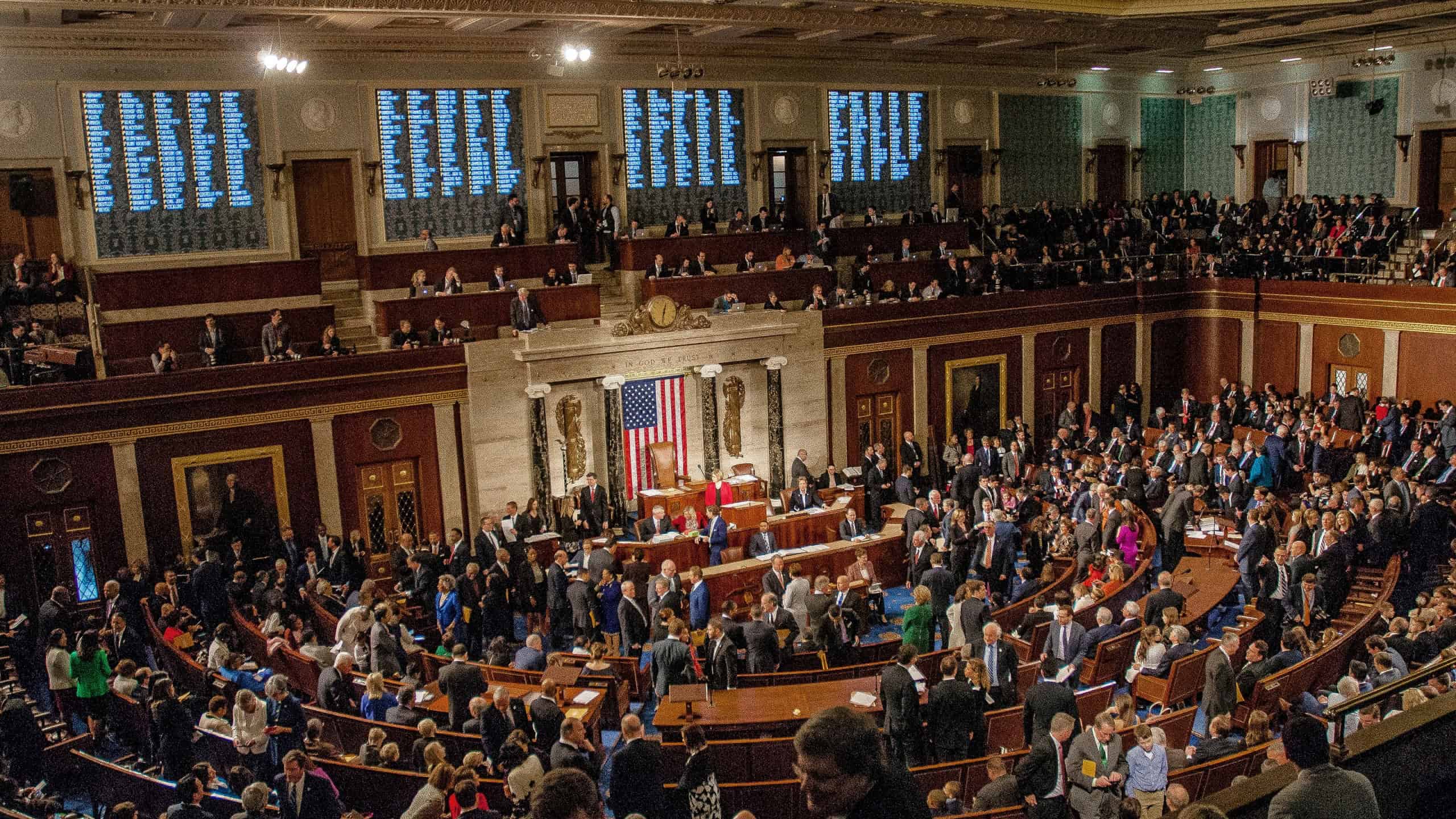
How many voting members are in the House of Representatives? You might think it’s around 100. But that’s the Senate. You might think it’s several thousand, like many other Americans did. That’s too many.
The actual number’s 435 voting members. It’s stayed the same since 1913, even though our population has exploded since then. A few small states get only one representative. California’s got the biggest share with 52.
One landmark still confuses travelers
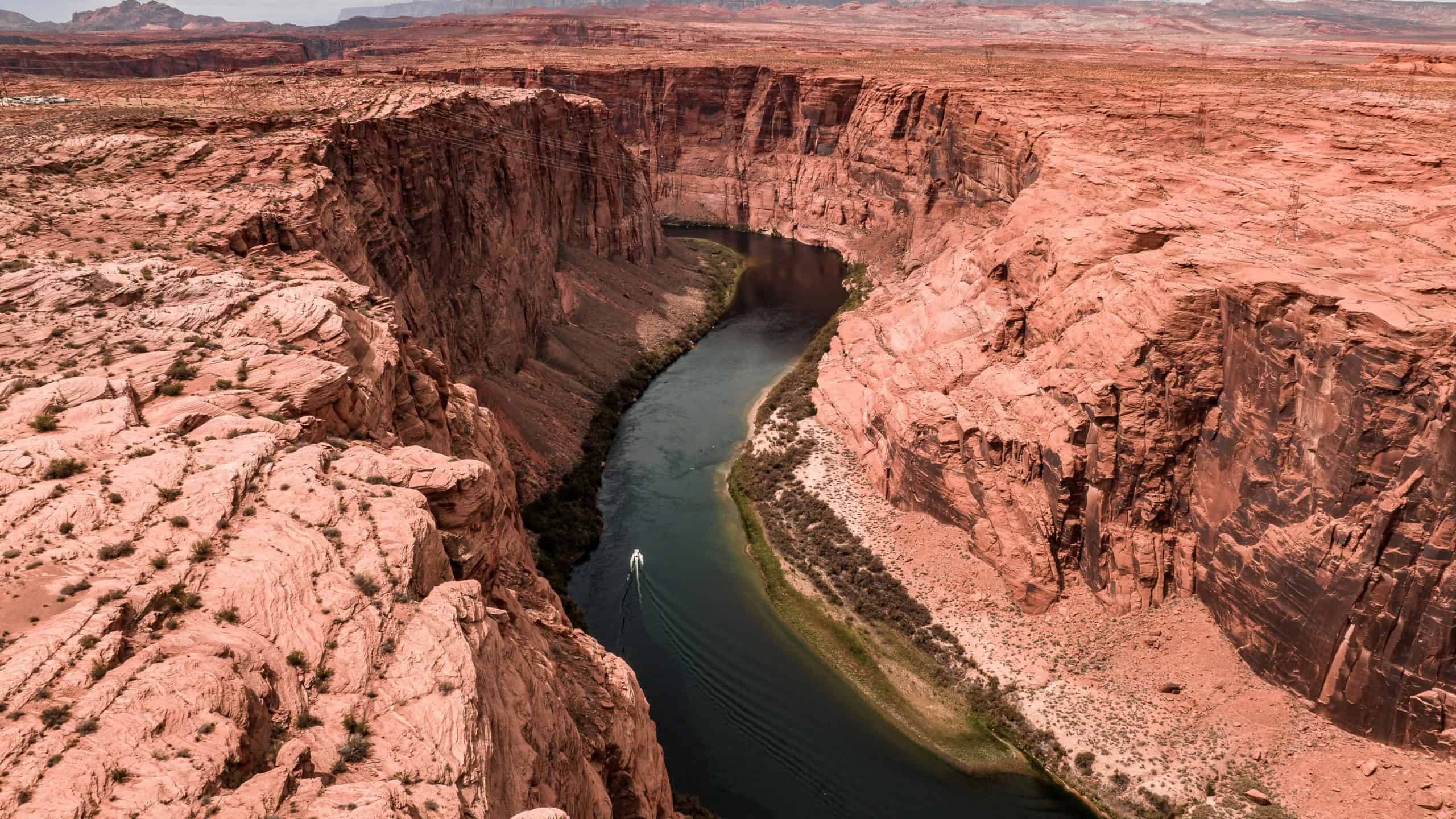
The Grand Canyon. It’s one of our most famous landmarks, and people all around the world know about it. But what state is it in? Over 57% of Americans don’t know. A lot of them said Nevada.
It’s actually in Arizona. It stretches close to 277 miles around the north of the state, and it’s over a mile deep in some places. The Grand Canyon pulls in millions of visitors every year. But, apparently, most of them have no idea where they actually are.
The timeline gets mixed together
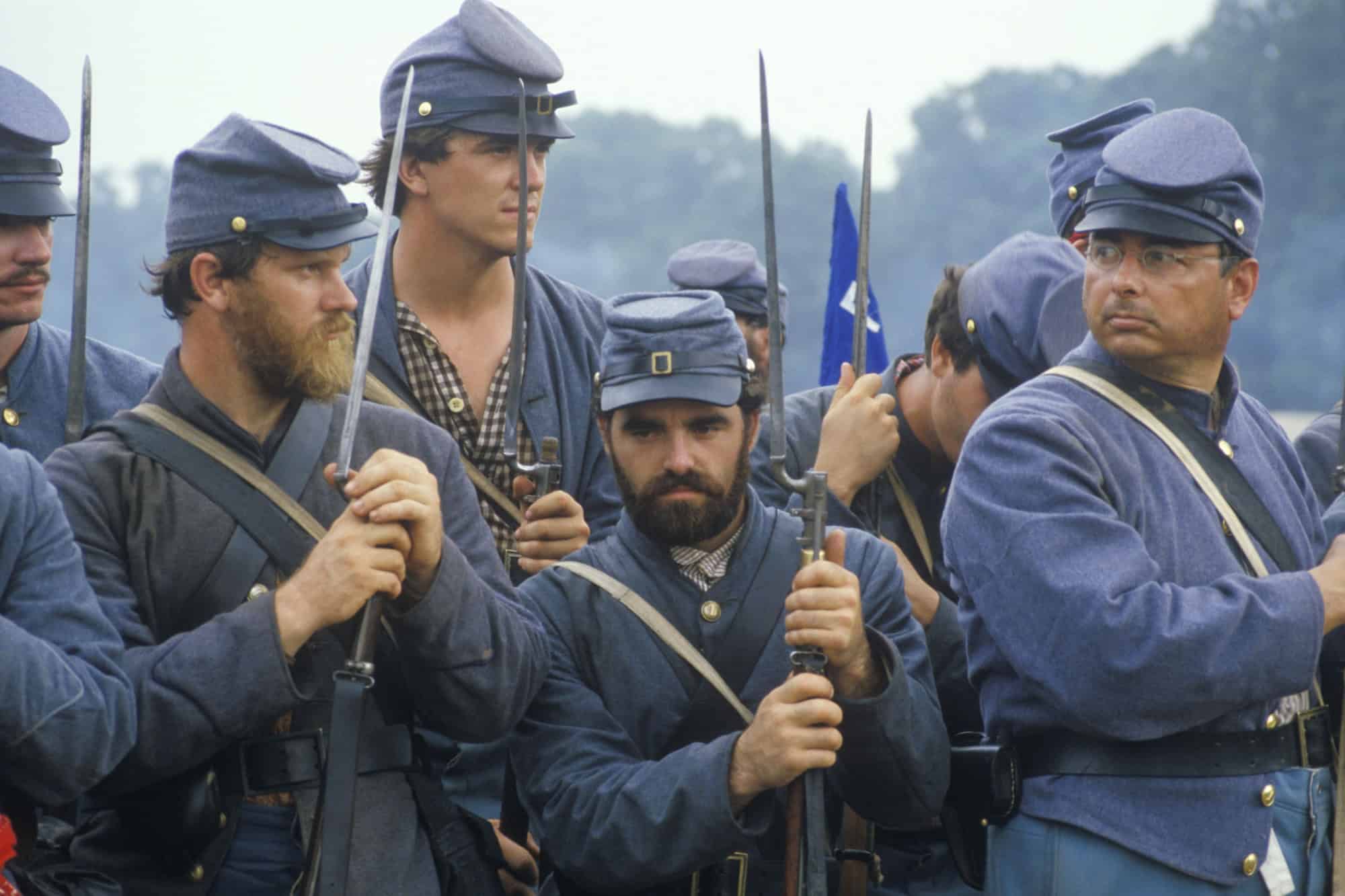
We hear about the Civil War all the time. However, it turns out that most Americans don’t actually know when it happened. Some of them put the dates closer to when the Revolutionary War happened, between 1775 and 1783.
It was between 1861 and 1865, ending with the Union’s victory over the Confederacy. The Civil War was one of the deadliest conflicts in American history, sure, but many Americans don’t know when it happened.
Most people miss it by decades
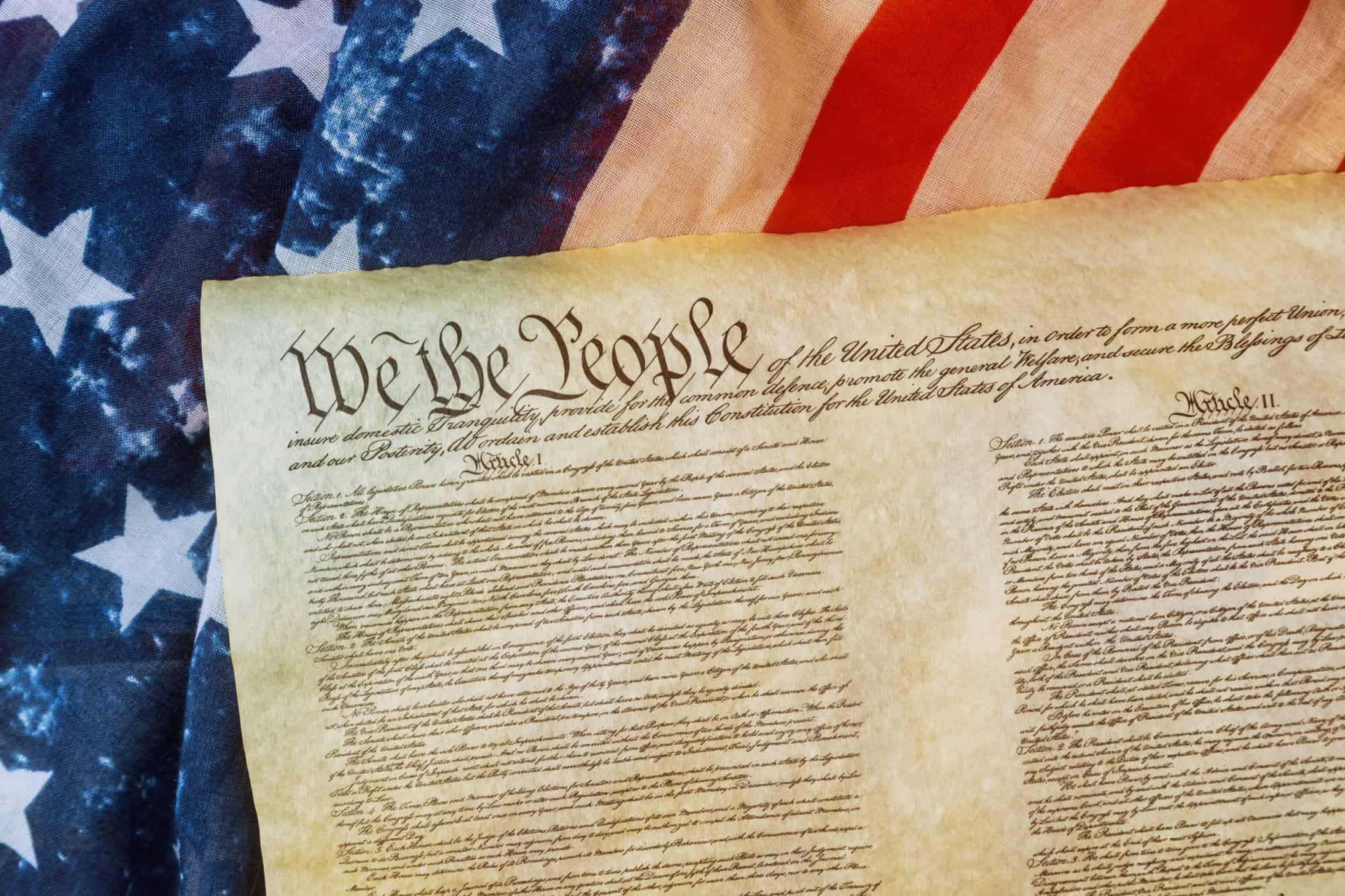
The next one’s a two-part question. When was the U.S. Constitution written? It was during the Constitutional Convention in Philadelphia, and many Americans guessed completely wrong dates. Only 15% knew the answer.
The rest of them thought it was right after the Declaration of Independence, or after George Washington became president. It was written in 1787. The delegates spent months arguing over taxes and representation. They spent ages organizing federal power before agreeing.
Ratified is not the same thing

The second part is about when the Constitution was ratified. It’s not the same as ‘written.’ It basically means, ‘When did the Constitution become legally valid and binding?’ 13% of Americans knew exactly when that happened, and it wasn’t in 1787.
It took until 1788 for it to be ratified. New Hampshire became the ninth state to approve it, and without enough states, the Constitution wasn’t legal. Americans learn it in school. But it seems most of them forget about it.
He did much more than fly a kite

Benjamin Franklin was a famous guy, that’s for sure. What was he famous for exactly? He had several achievements, but just 24% of Americans can correctly identify one of them. Franklin helped draft the Declaration of Independence. He invented the lightning rod.
He started one of America’s first public libraries. He printed newspapers and published Poor Richard’s Almanack. Yes, he also did the whole kite-and-lightning thing, but many Americans don’t know that.
The park crosses invisible lines

It sounds weird, but it’s true. Yellowstone National Park isn’t in one state. It’s in three. What states are they? 70% of Americans didn’t know that it was in three different states, let alone name those three states.
Most of the National Park is in Wyoming. However, it also stretches into Montana and Idaho. It became the world’s first national park in 1872, and Yellowstone covers over two million acres of land.
One lake is larger than many countries

Here’s another nature question. Which of the Great Lakes is the largest? 40% of Americans knew the right answer, although it seems like an obvious answer. The lake’s name kind of gives it away. It’s Lake Superior.
Lake Superior has more water than all the other Great Lakes combined, and it reaches depths of over 1,300 feet. It’s so big that it stretches into Canada. Lake Superior touches Minnesota, Wisconsin, Michigan, and Ontario in Canada.
The number hasn’t changed in decades

The next one’s about the legal system. How many Supreme Court justices are there? Twelve sounds about right to some Americans, and others swear it’s seven. There are even those who say ten.
They think it’s one for every major region. The real answer is nine, made of one chief justice and eight associate justices. It’s been that way since 1869. 57% of Americans got the number wrong.
The total keeps climbing

You hear ‘constitutional amendments’ and start thinking about the Bill of Rights. You might stop there. How many amendments are actually in the U.S. Constitution? The Bill of Rights only covers the first ten. The most recent amendment was ratified in 1992.
Just 25% of Americans could guess the actual number of amendments, which is 27. It’s weird, really. A lot of these amendments changed our daily lives, yet so many Americans have no idea about them.
Most people can’t name many of them

The final question sounds easy enough. What were the thirteen original American colonies? Turns out, most Americans can get a few of them, but then they hit a wall halfway through. Only 28% can name the full list.
It’s Delaware, Virginia, Massachusetts, Rhode Island, Pennsylvania, New York, New Hampshire, Maryland, Connecticut, North Carolina, South Carolina, Georgia, and New Jersey. Some Americans think Vermont’s on there. It’s not.
Sources: Please see here for a complete listing of all sources that were consulted in the preparation of this article.

