

You finally got the keys & took the celebratory photo of your new home—but once the high wears off, the reality of having your own house kicks in. Owning a home means everything is your problem now, and those first few months are when people tend to mess up without realizing it. Not because they’re careless, but because houses are weird & nobody tells you exactly what to do. Here are fourteen mistakes homeowners make in the first 100 days and how to avoid them.
Featured Image Credit: racorn /Depositphotos.com.
Ignoring Where the Water Goes

You might think that just because the gutters are there, you’re good—but what happens after the water leaves the gutter? If your downspouts just pour water right next to the foundation, this could allow the water to go inside your house, so grab a cheap extender & point that flow away. Water erodes the soil around your home, especially during heavy storms and if you notice standing water near your walls, it’s already a problem.
Not Changing the Locks
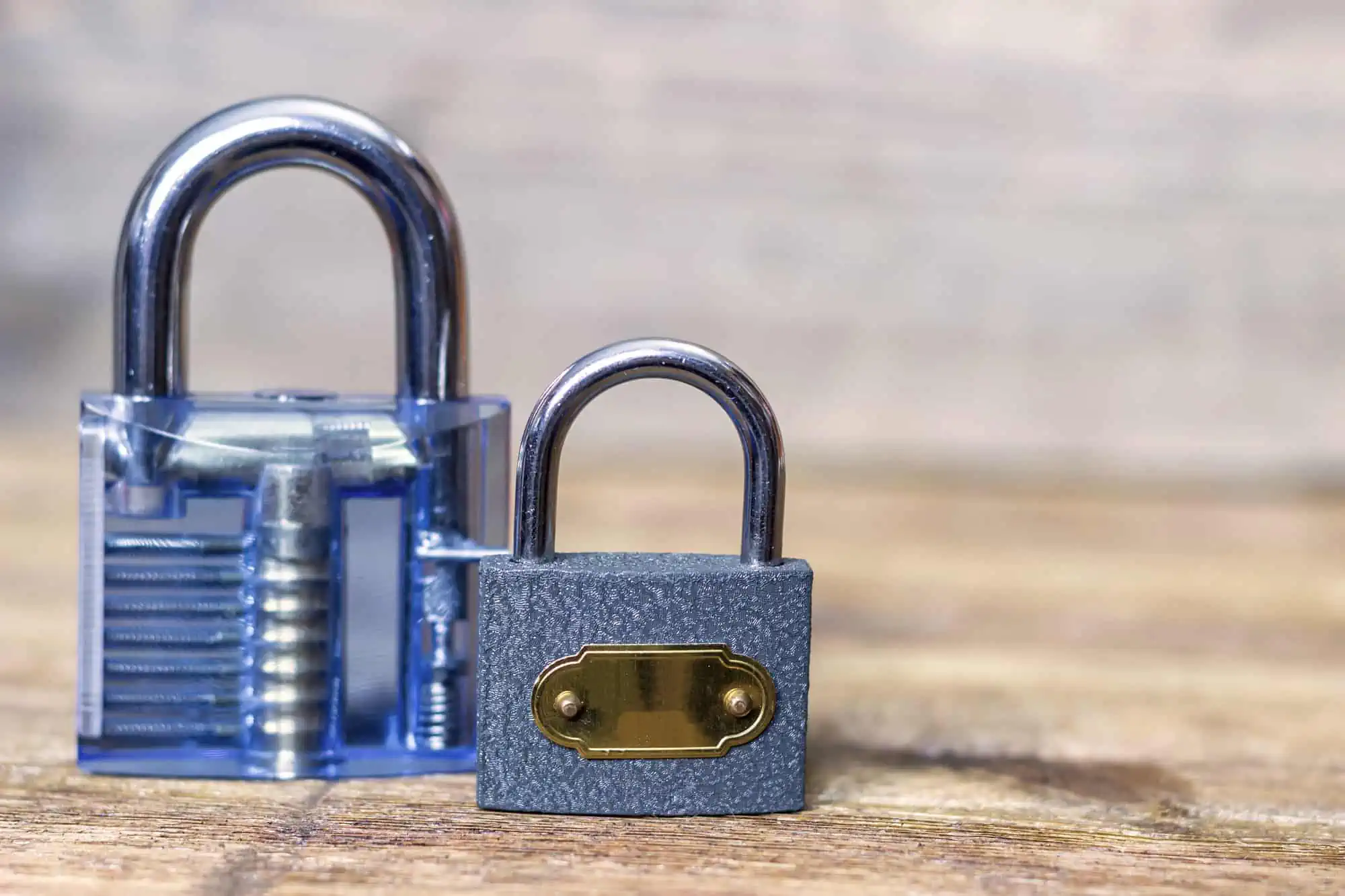
Even the seller’s sweet grandma probably gave a spare key to someone at some point, which means your side door or garage door could be open to anyone. You should change those locks as soon as you move in—you might want to reprogram the garage openers & digital keypads, too. Replacing the locks gives you total control over who is able to walk into your home, and it’s one of those things you only regret not doing when it’s too late.
Leaving the Dryer Vent Packed With Lint

There’s a big vent tube behind your dryer that no one ever thinks about until their clothes stop drying or something starts smelling suspiciously like a campfire. Lint buildup is one of the top causes of house fires and, to fix it, you just need to buy a brush kit for around fifteen bucks. Clean it now so that you won’t be stuck air-drying socks on a Tuesday night.
Using the Same Air Filter

You probably won’t see the dust at first, but your HVAC definitely feels it, and when the filter’s clogged, you’ll find it even harder to breathe. It makes your system struggle and cause your energy bill to increase, so just swap it out every month or two. Filters come in different sizes & ratings, meaning you’ll need to double-check the old one before buying and if you have pets, you’ll want a better one.
Skipping the Sewer Scope Inspection

No one wants to talk about sewer lines because they’re not exactly dinner table material, but those things get destroyed by tree roots all the time. Unless you got a camera inspection before closing, you might not know until your basement smells like anything but roses—the fix isn’t cheap, but prevention is. A scope costs way less than a full pipe replacement and it doesn’t matter if everything looks fine now, as it might not stay that way.
Painting Without Checking

One minute, you’re excited about the latest paint color that you picked out—a week later, it’s bubbling and peeling like a bad sunburn. It’s because the walls were coated in old-school oil paint and your latex paint doesn’t work well with it. All it takes is a quick acetone wipe test to work out what you’re working with, so save yourself cost of a redo by getting it done. You’ll also need to sand or prime those walls before you roll on anything new.
Assuming the Breaker Labels Are Right

That label saying “Dining Room” could be a total lie—just flick the breaker and watch the TV turn off instead. Most homeowners haven’t updated their breaker box in years and although it’s boring, you should spend a weekend testing & relabeling things to make things easier in the future. You’ll thank yourself when the power goes out during a thunderstorm and you’re not flipping random switches.
Not Cleaning Behind the Fridge And Stove

Although nobody’s excited to yank appliances out of their little cubby holes, those tight spots are exactly where crumbs and mold can build up. Any appliances clogged with dust won’t run as well, so pull them out once during move-in week & clean like it’s a fresh start—because it is. You may want to use a vacuum hose or broom to reach behind the coils and under the oven tray. Either way, do it once and get it over with.
Overloading the Water Heater

Everyone wants a solid, steamy shower after a day of unpacking, yet you should go easy on that water heater, especially if it’s older, because sediment may have settled in the tank. Long, back-to-back showers stir it up & clog the works, so flush it when you get a minute. You should also check the temperature setting, as most people have it cranked too high—turn it down to about 120°F to save some energy.
Not Looking for the Main Water Shutoff Valve

Speaking of water, the main shutoff valve is always hidden in the least convenient spot, like behind a box or buried in a creepy corner of the basement. Don’t just think about doing it when the water’s spraying where it shouldn’t be—do yourself a favor by taking a photo so that you’re not panicking mid-flood. Pipes don’t wait for permission to burst and you should make sure everyone in the house knows where it is.
Not Testing All the Windows

Your windows might look fine, but it might be a different story when you try to crack one open & it won’t budge, or worse, it slides up but won’t stay up. Windows swell and locks break, meaning that you should test every single one early on—before the day you actually need a breeze. Try the locks too and spray a little silicone lubricant if they stick. If they slam shut, get sash stops or tension springs, because that way, you’ll still be able to open them.
Hanging Heavy Stuff Without Finding the Studs

Many new homeowners are tempted to just eyeball it and hope their walls are okay, although the truth is that they’re usually not because drywall isn’t meant to hold a lot of weight. Stud finders exist for a reason and they’ll save you from watching your new setup hit the floor, as well as helping you avoid repairing torn drywall. It’s a lot more annoying doing it later than doing it right the first time.
Skipping a Full Pest Check
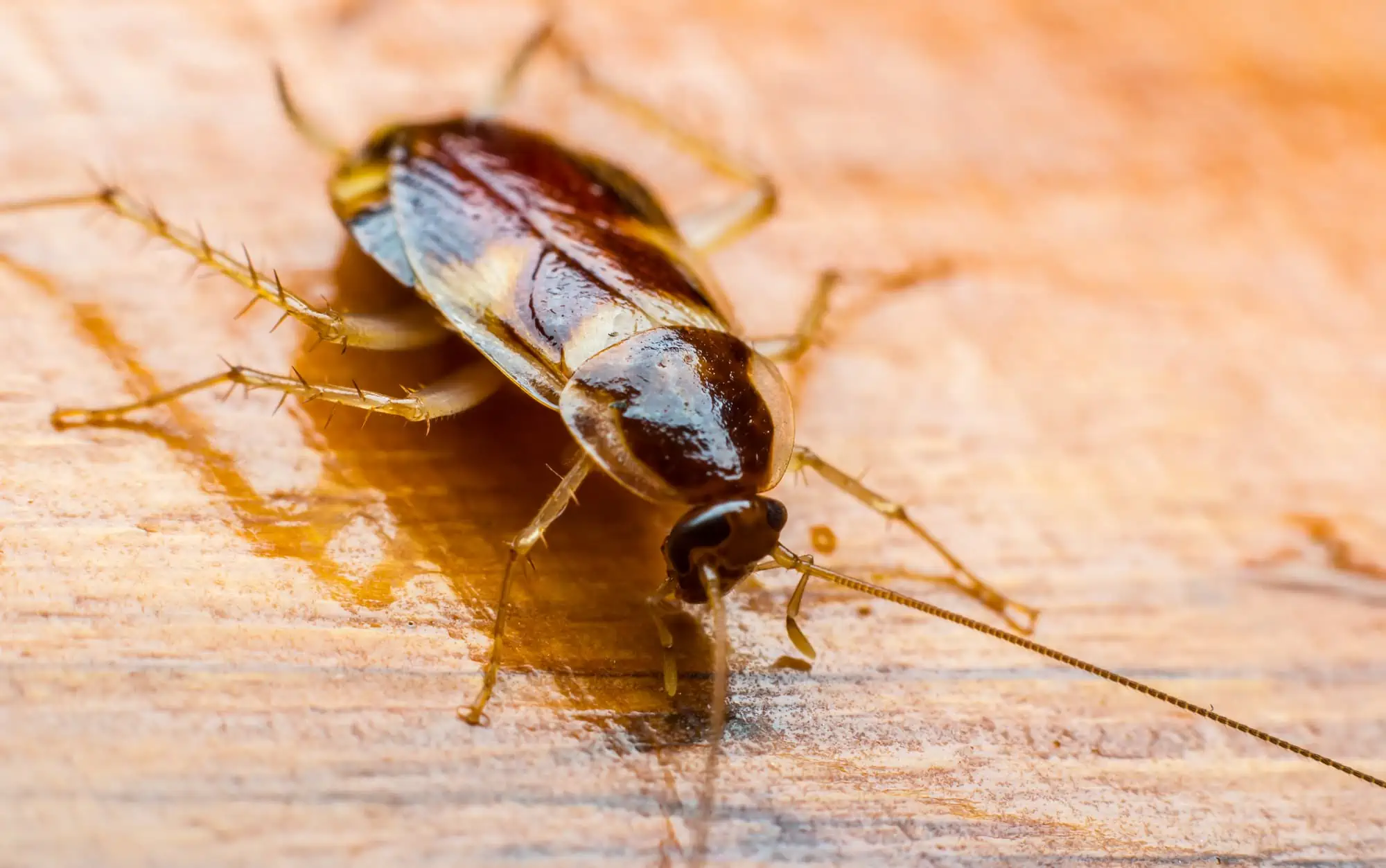
The kitchen looks clean, but did you check under the sink? Inside the cabinets? Up in the attic? You don’t want to learn about a mouse problem after you’ve stocked up on snacks, which is why you should take a flashlight & poke around, regardless of what the previous homeowners may have told you. Pests don’t care if your house is new to you because they just want a place to crash.
Assuming Smoke Detectors Are Fine

Smoke detectors that aren’t beeping could still be dead, as some get unplugged or have old batteries that just stop working, while others have expired entirely. There’s usually a sticker on the back with a date and you should check every one in the house, especially if you moved into an older place. While you’re at it, make sure there’s a carbon monoxide detector too because you don’t want to risk not having one.
Disclaimer: This list is solely the author’s opinion based on research and publicly available information.
Like our content? Be sure to follow us on MSN.


