You may feel you’re doing all the “right” things for sleep, yet you’re still waking up like a bear with a sore head—just what’s going on? Thankfully, it’s not just you, and it’s because some of the stuff we’ve been told about sleep is completely wrong. Let’s look at eleven sleep myths people fall for all the time, as shared by sleep experts on the internet. It’s time to get back on the right track.
Featured Image Credit: geargodz /Depositphotos.com.
Waking Up in the Middle of the Night Is Bad

Waking up once or twice during the night really isn’t that bad and, in fact, it’s something that used to be completely normal—people called it “first sleep” and “second sleep.” A lot of people naturally wake up for a few minutes as part of their sleep cycle, especially when they’re moving between lighter & deeper stages. Unless you’re waking up and staying awake for hours, there’s nothing to worry about, so just relax.
You Can Catch Up On Sleep Over the Weekend

You may think you’re being smart by sleeping in ‘til noon on Saturday, but your body isn’t buying it, as sleep debt doesn’t work like credit card points. All that “catching up” just makes Monday mornings even worse because you confuse your body’s internal clock, which could affect melatonin release. It becomes harder to fall asleep on Sunday night, which is why it’s better to just take a short nap in the middle of the day if you have to.
A Nightcap Helps You Sleep Better

A glass of wine might make you feel sleepy, but it’s not great for your brain, as it affects the REM stages that actually leave you rested—that’s why sleep after drinking feels more like passing out than proper rest. Even a small amount of alcohol could fragment your sleep later in the night since alcohol suppresses REM sleep in the first half & increases wakefulness in the second half. A nightcap will make you feel groggy or out of it the next morning, even if you sleep for 8 hours.
If You Can’t Sleep, Just Lie Still Until You Do

Lying there, staring at the ceiling, is a bad idea because your brain starts linking your bed with frustration instead of sleep. If you’re still wide awake after around 20 minutes, get up and do something chill that doesn’t involve screens, then come back when you’re actually tired. It could involve reading a paperback book or doing light stretching in another room—either way, the goal is to reset your brain so it stops seeing your bed as somewhere to stress out.
Early Risers Are Automatically Healthier

Being a morning person doesn’t suddenly make you a better person because some people are just wired to feel human around 10 a.m.—it’s called your chronotype and is partly in your DNA. In fact, pushing against your natural rhythm could actually make sleep worse, not better, since night owls who try to force themselves to wake up early often feel groggier. Instead of being “disciplined,” you have to figure out when your body naturally wants to sleep and stick to that.
Exercise at Night Keeps You Awake

The idea that evening workouts keep you up all night isn’t really a thing for most people, unless you’re doing hardcore sprints at 10 p.m. The truth is that regular evening workouts usually help you fall asleep faster—just don’t take any pre-workout powder. Moderate exercise in the evening doesn’t affect your melatonin or body temperature as much as people think.
More Time in Bed Means More Rest

Too much bedtime could actually make you feel worse because your sleep efficiency falls, which will make you feel foggy instead of refreshed. The quality of sleep matters more than how long you’re on the mattress—oversleeping also affects your blood sugar levels and puts your body out of sync. Just because you’re in bed for ages doesn’t mean your body is doing anything useful with that time.
White Noise Works For Everyone

White noise isn’t a miracle fix, and while some people love it, it causes issues for those who are sensitive to sound—even low hums could keep you alert. Pink noise and brown noise are other options, but even those don’t work for everyone, and some people find background noise increases their heart rate. It’s worth trying a few nights without noise machines and seeing how you feel.
Hitting Snooze Repeatedly Is Okay
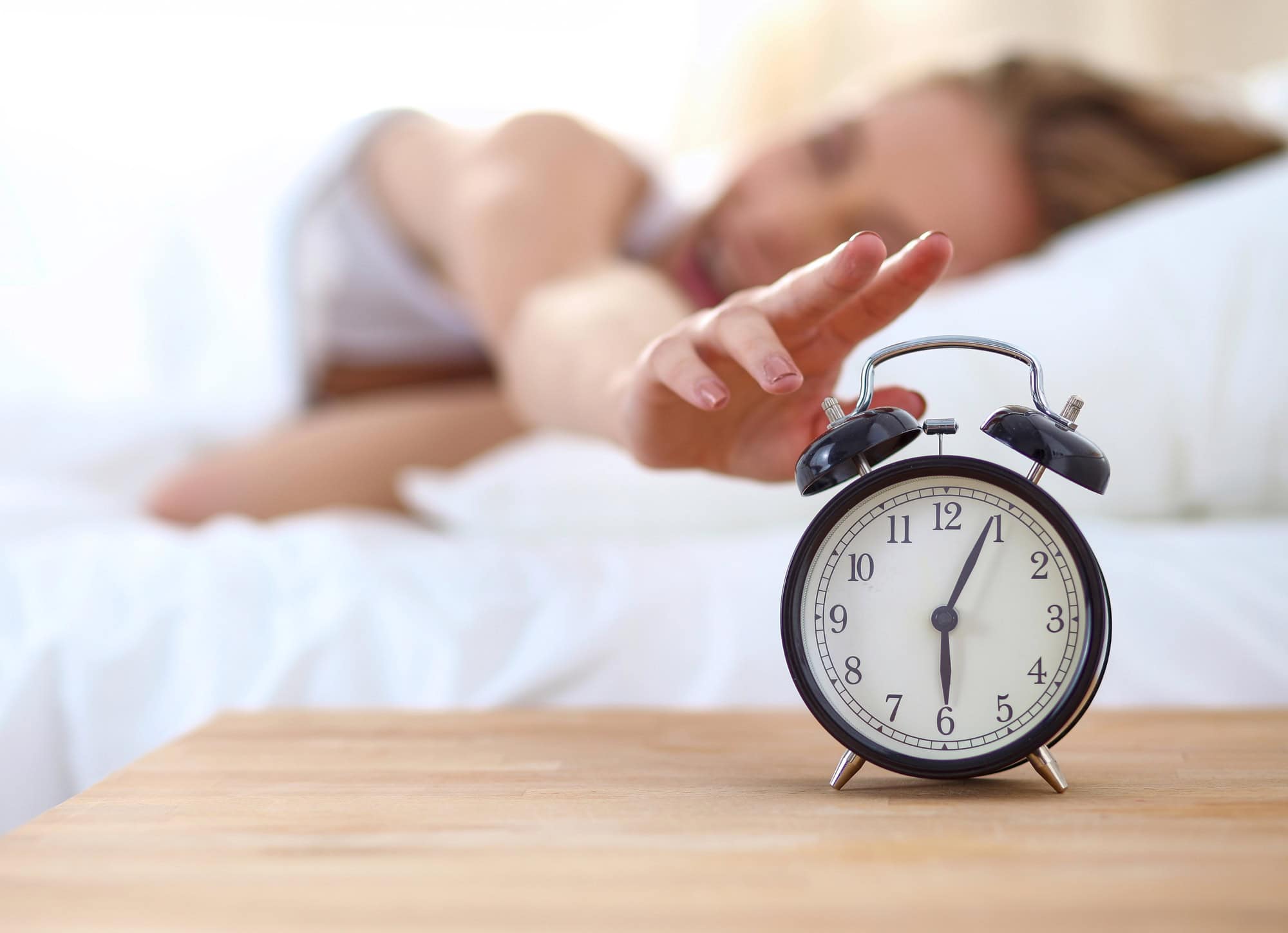
Tapping the snooze button doesn’t ease you into the day, and instead, it confuses your brain & body—when you go back to sleep for a few minutes, you start a new sleep cycle you can’t finish. This may make you feel even more out of it when you finally get up, which is known as “sleep inertia,” and it can last for hours. When it’s time to wake up, just do it because you’ll feel much better for it.
You Don’t Have a Sleep Problem If You Sleep Fine
Some people think that as long as they fall asleep quickly and don’t wake up too much, they’re sleeping well, but that’s not always true. Sleep disorders like sleep apnea may happen without you realizing it, which could make you feel drained during the day, no matter how long you slept. Just “feeling like you slept” isn’t always a good sign, and if you’re tired all the time, it could be a hidden problem.
You Can Train Yourself to Need Less Sleep

Many influencers will claim that you can “hack” your sleep by cutting back on sleep time, yet real research doesn’t back that up, and you can’t permanently adapt to four or five hours a night without consequences. Your reaction time & memory will both take a hit, even if you think you’ve become used to it, while your mood doesn’t improve, either. People who sleep less than they need often don’t realize how impaired they are because they feel “fine,” but their brain runs at a lower level.
Disclaimer: This list is solely the author’s opinion based on research and publicly available information.
Like our content? Be sure to follow us.
Read More: