

You make decisions all the time, but are they really your own? Businesses, marketers & even the people around you know exactly how to guide your choices—without you even realizing it. From sneaky pricing tactics to the fear of missing out (FOMO), these little tricks shape the way you think. The way options are presented, the words used, and the emotions they stir all play a part. Here are 11 mind games that influence your decisions more than you might expect.
Featured Image Credit: iuricazac /Depositphotos.com.
The Decoy Effect Makes You Pick What They Want
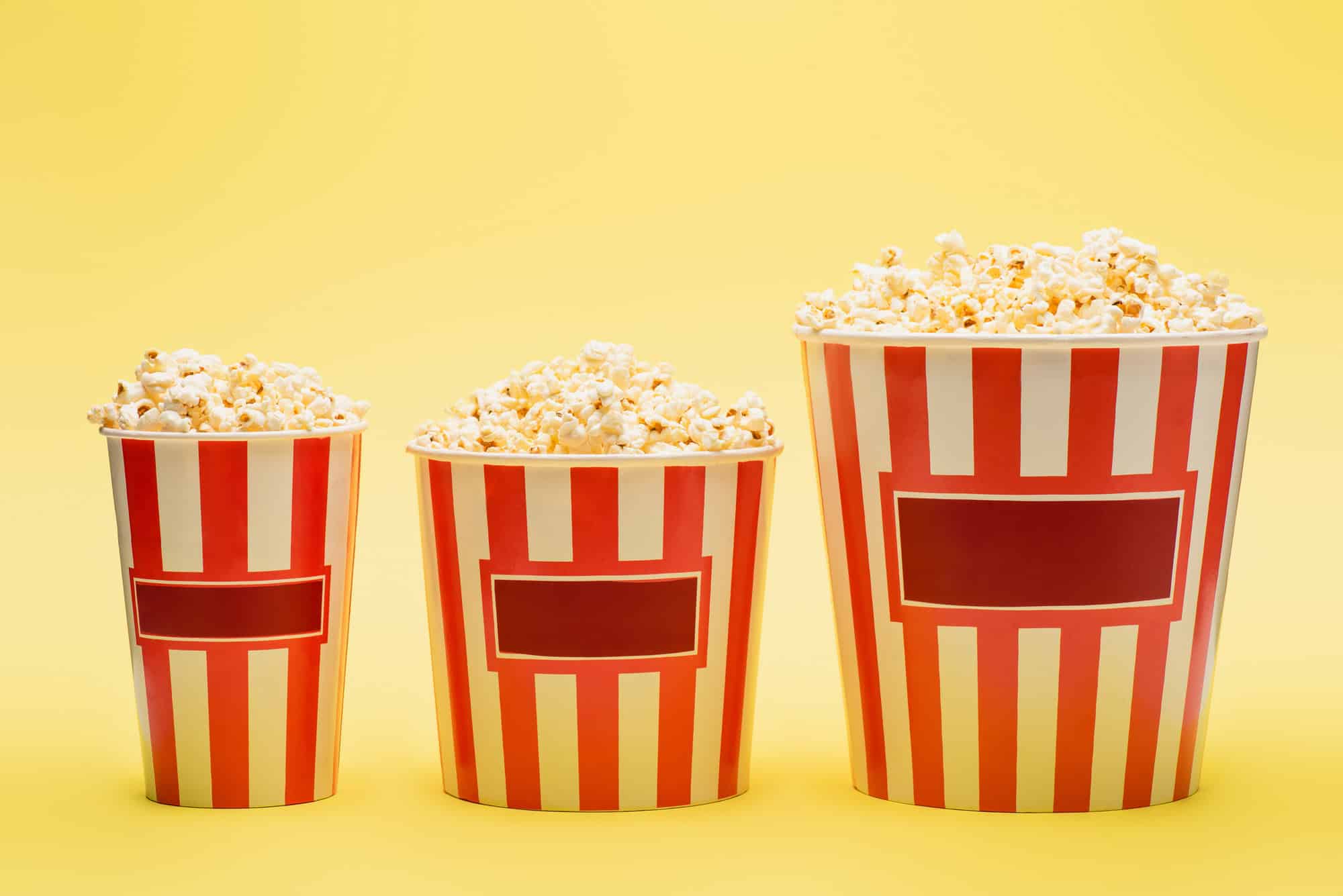
Every product & service we use usually comes with a few different options—but have you ever noticed how one of them seems oddly pointless? That’s not by accident. It’s the decoy effect. Businesses add an extra choice that’s overpriced or underwhelming just to make their preferred option look like the best deal.
Anchoring Bias Locks You into a Number

When a jacket’s price drops from $200 to $80, it feels like a bargain—even if $80 is still overpriced. That’s anchoring at work. Car dealerships, online stores & even employers use this trick to make prices (or salaries) seem better than they really are.
The Illusion of Choice Makes You Feel in Control

The feeling of control? It’s often just an illusion. When you’re given multiple choices, it seems like you have real power over the decision—but in reality, the outcome is already set. That’s the illusion of choice. Businesses, politicians & marketers use this trick to make you feel in charge while quietly leading you exactly where they want.
The Framing Effect Changes How You See Things

When a product says it has a “90% success rate,” it sounds way better than one that says it has a “10% failure rate,” even though both mean the same thing. Marketers and politicians use language like this to influence how you feel about something, all to create a positive or negative impression (depending on what they want to achieve).
Social Proof Pressures You to Follow the Crowd

When you see a long line at a restaurant or a product marked as a “bestseller,” it automatically feels like a smart choice. That’s social proof in action—the idea that people tend to trust what everyone else is doing. Businesses use things like reviews, testimonials & popularity rankings to increase sales because we’re naturally drawn to the crowd’s judgment.
Scarcity Bias Makes You Act Fast

I’m pretty sure we’ve all bought something quickly because it was labeled as “almost sold out” or part of a “limited-time offer.” That’s scarcity bias at play. We get the feeling that rare items are more valuable & feel anxious about missing out. Online stores & retailers use this trick to get us to buy right away, even though this sense of urgency is often created on purpose.
The Endowment Effect Makes You Overvalue What’s Yours

Once something becomes yours, it starts to feel more valuable than it really is. That’s why it’s tough to sell your old stuff for a fair price – or why you’re more likely to subscribe after a free trial. Your brain gets attached to things once they feel like ‘yours’ (making it harder to let go).
Reciprocity Tricks You into Giving Back
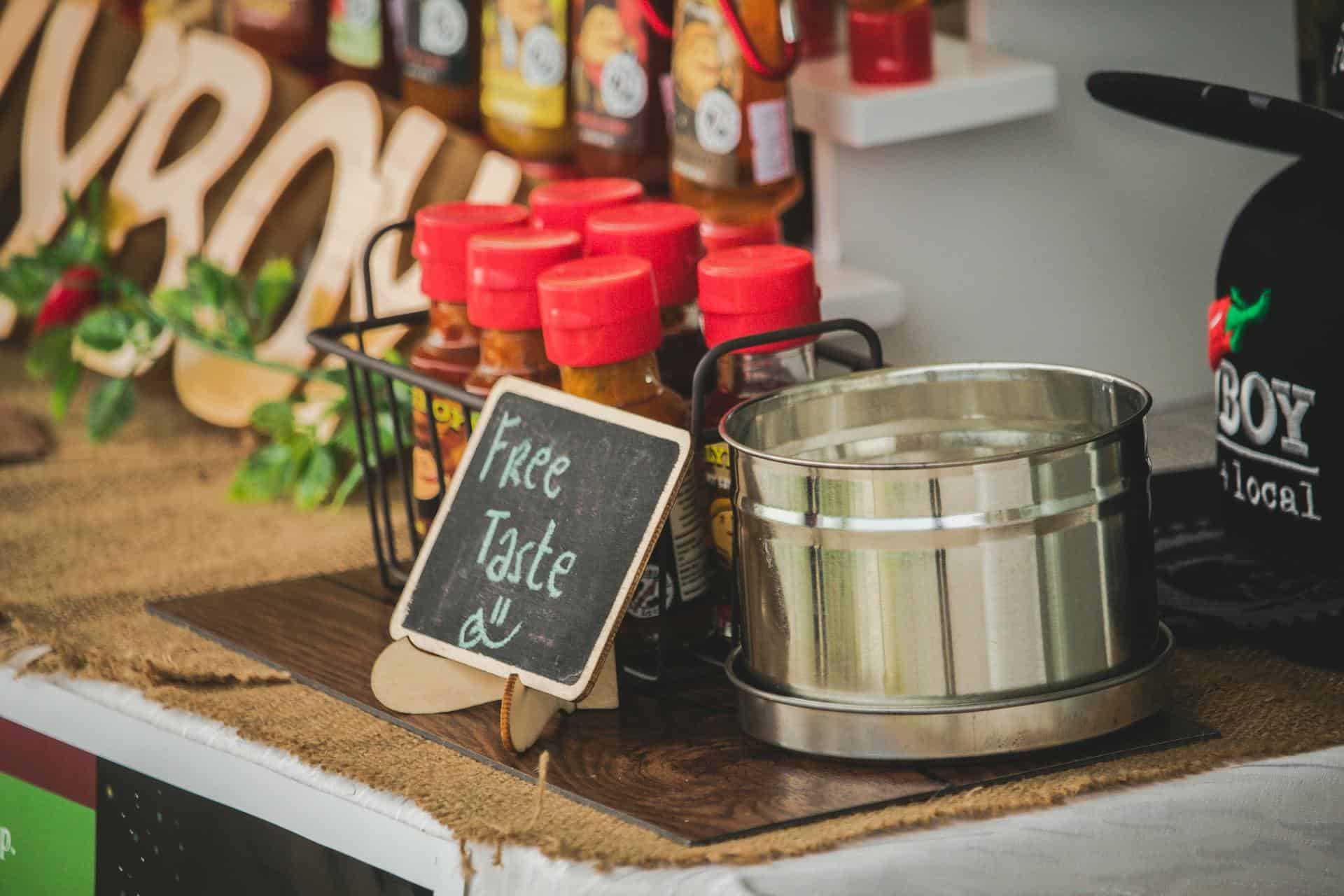
When someone gives you something for free, you can’t help but feel a little obligated to return the favor. That’s why stores hand out free samples & why restaurants leave extra mints with your bill. It makes you more likely to spend more or leave a bigger tip – your natural kindness kicks in, making you want to give something back.
Loss Aversion Makes You Fear Losing More Than You Love Winning

People hate losing more than they like winning. For example, a salesperson might say “You’ll lose $100 if you don’t buy this today!” instead of saying “You’ll save $100 by buying it now,” because the fear of losing something motivates people to act faster.
The Halo Effect

When someone looks attractive, dresses well, or shows confidence, people assume they’re also smart, friendly, or good at their job. That’s the halo effect – a bias where one positive trait makes us see all their other qualities in a better light. This is why companies often choose celebrities for ads & why first impressions matter so much.
Choice Overload Freezes You in Place

Too many options can leave you stuck. Grocery stores limit product choices, streaming services highlight “top picks,” & businesses offer curated selections to help you decide faster—while still controlling what you see.
Disclaimer: This list is solely the author’s opinion based on research and publicly available information.
Like our content? Be sure to follow us on MSN.


