

Mark Cuban has been warning that AI is coming for more jobs than most of us realize, and some of the careers he’s mentioned are the exact ones people think are safe.
The office pile

You’d think office jobs are stable. You’d be wrong. Cuban sees them differently, and he’s said a few times that AI has become very good at the stuff entry-level employees usually do. AI can fix spreadsheets. AI can clean up documents.
Organizing information and answering simple requests are no big deal. In other words, you’re in danger if your job involves pressing the same ten buttons. Companies will start cutting those jobs quickly. AI can choose yes, no, approved, denied, sent, and filed very easily.
The number stack

Bookkeeping used to be way harder than it is now. That’s mostly because it involved giant paper ledgers and physical calculators. However, these days, a lot of it happens in the background, and AI could drastically change things for accountants and bookkeepers.
It’s not hard to see why. We’ve got the software to categorize expenses and catch weird transactions already. It’s able to track invoices. It can even build reports way faster than most humans can, and that’s why many smaller businesses are starting to use it.
The paper trail

You hear ‘lawyer,’ and you picture some lengthy courtroom speech from a TV show. Those types of jobs are okay. But according to Cuban, people doing corporate legal work behind-the-scenes are in danger. You know, the jobs with huge stacks of contracts.
The ones where they’re reviewing wording and checking for little mistakes. AI’s pretty good at doing that stuff. A lot of law firms are already using software to scan thousands of pages in minutes. They don’t need a team of junior lawyers doing it anymore.
The claim file

Insurance adjusting is complicated, sure, but a big part of the job involves process work. It’s reviewing photos. It’s reading reports. Insurance adjusters have to match damage to policy rules and then decide whether something fits the conditions.
AI’s getting scarily good at doing that. Some systems can spot patterns surprisingly fast, and they can estimate repair costs from pictures. Humans don’t even need to look at them. That’s why Cuban has warned people in this field that their jobs are at risk.
The second opinion
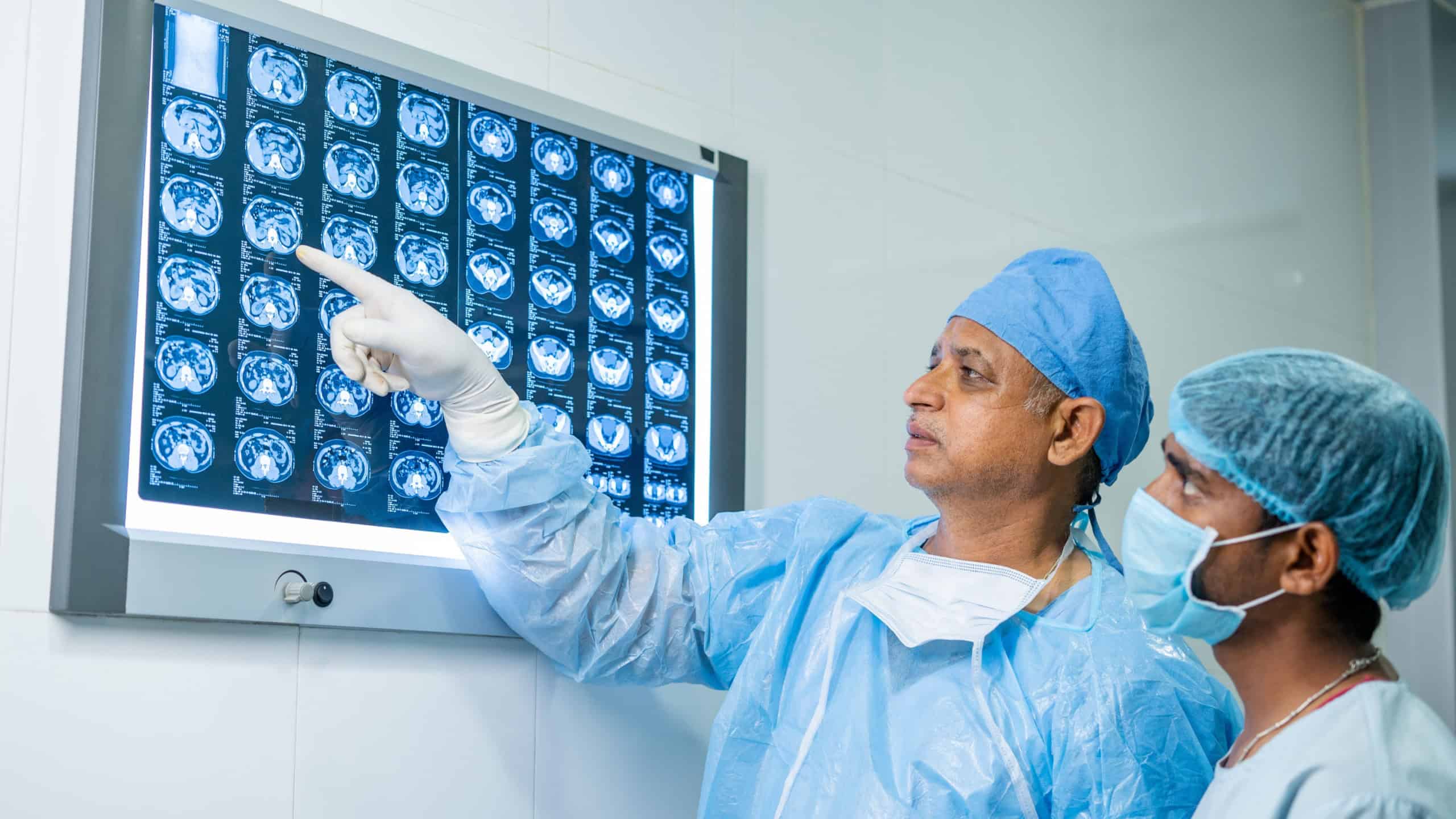
You’ll probably freak out when you hear that Cuban said doctors are at risk. But hold on. He didn’t say that robots would replace all doctors or anything, far from it. His point’s focused on the medical jobs that involve pattern recognition.
The jobs where you’re reading scans and flagging issues. AI’s already reviewing X-rays and other medical images in some places, so it won’t be a stretch for it to do more. Doctors still make the final calls, of course. But the software they’re using is getting pretty smart.
The new homework
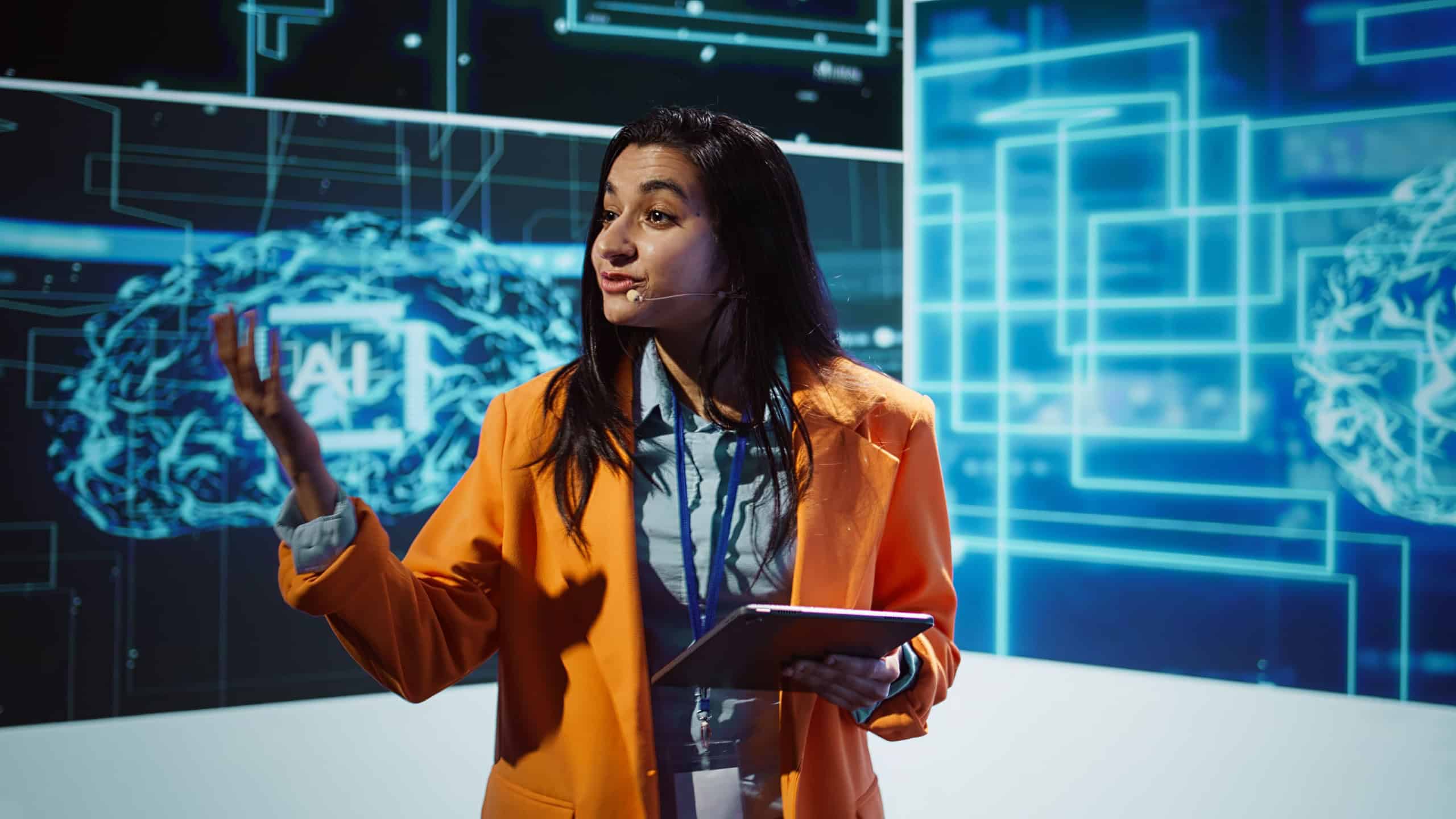
Knowing how to use Microsoft Excel used to be good enough. Not anymore. Cuban has said that AI tools are going in the same direction, except much faster. He’s said young people need to learn how to use them now. They can’t sit around waiting.
They can’t wait for companies to expect everyone to know how they work. You’ve got to understand them now. Not coding necessarily, but more like being able to give clear instructions to AI.
The lazy shortcut

Cuban also gave a pretty simple warning. Either AI will help you learn faster, or it’ll help you quit learning altogether. He said there are two kinds of LLM (Language Learning Model) users, and they’re people who use them to learn and people who use them so they don’t have to.
What does that mean? He’s saying that using something like ChatGPT isn’t bad by itself. The problem here comes from using it instead of your brain. You shouldn’t let the tool do all the thinking. Some of that needs to come from you, too.
The strange new skill
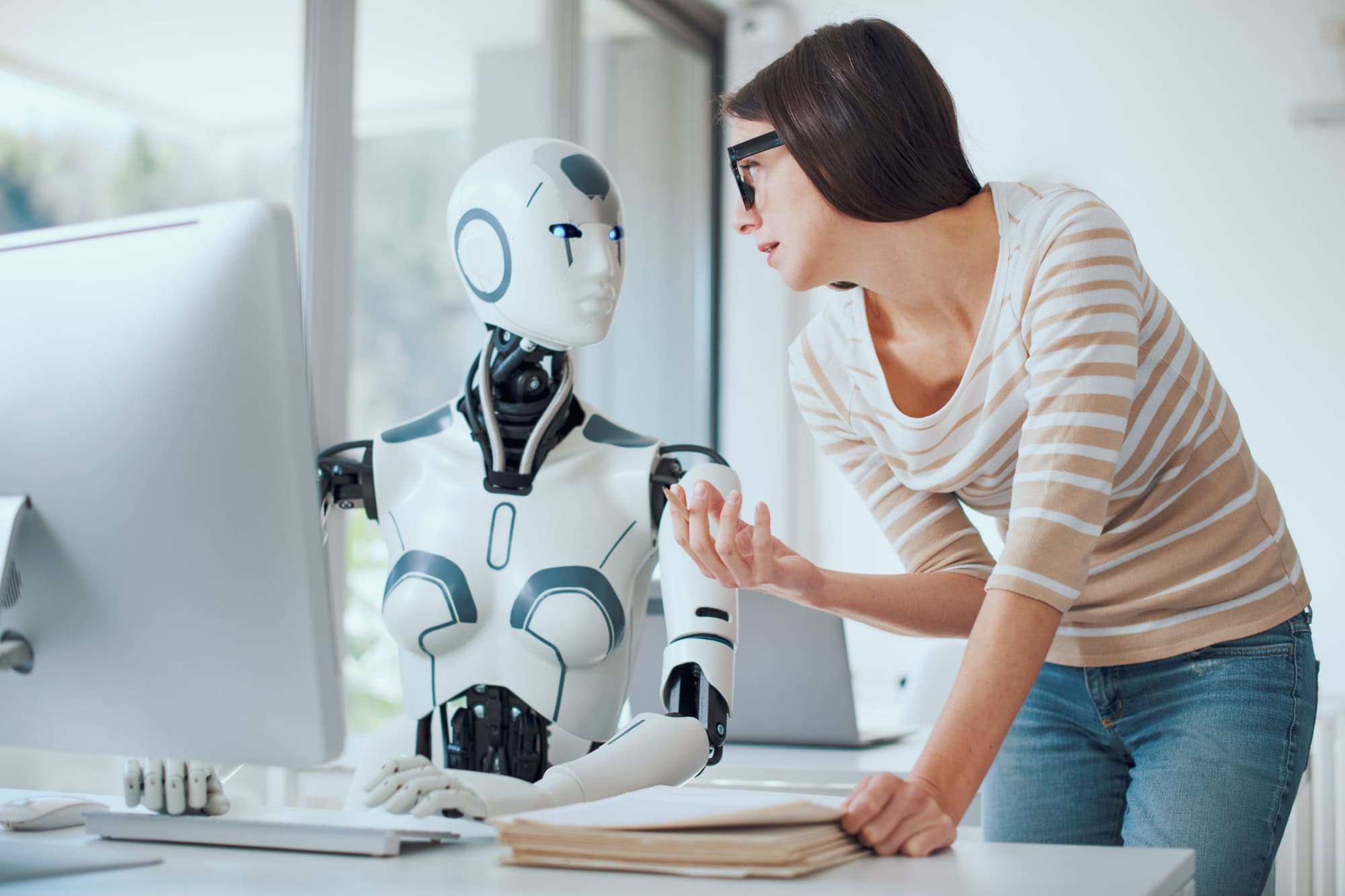
It’s true. ‘Data tagging’ does sound kind of dull when you first hear about it, and that’s why so many people ignore it. But Cuban didn’t. He argues that machine learning systems still need humans to feed them examples so they can work out what’s correct.
AI still relies on humans. It needs us to label photos and sort texts. It needs us to clean up messes behind the scenes, and some AI systems only work because we’re there to help. It’s one of the low-skill jobs of the AI age.
Sources: Please see here for a complete listing of all sources that were consulted in the preparation of this article.
