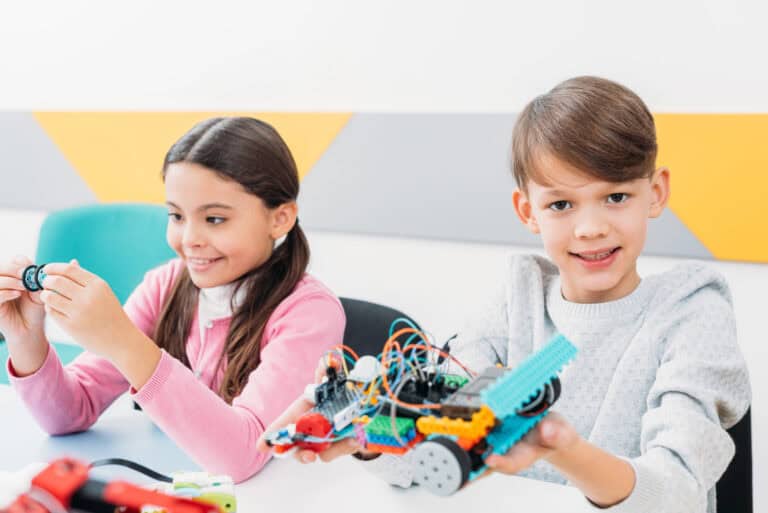

It’s no secret that children see the world through fresh eyes and some of the things they do every day could actually teach us quite a bit! They live with a sense of wonder & deal with life in ways that most of us adults tend to forget—but it doesn’t have to be that way. It’s time to pay attention to the little ones with these thirteen life lessons that we can learn from children. There’s a lot to learn so let’s get started.
Featured Image Credit: IgorVetushko/Depositphotos.com.
They Ask Questions Freely

Kids always ask questions about everything around them & they don’t hesitate to ask why the sky is blue or how a car works—this sense of natural curiosity drives them to learn more each day. They expand their understanding of the world without worrying about seeming stupid since they don’t understand the concept of asking a “silly” question. Such openness helps them discover lots of new things and, in fact, leads them to understand the world around them better.
They Express Their Feelings Honestly

When children are happy or upset, they show it openly—they laugh loudly when something is funny & cry when they’re hurt. It’s an honest expression of emotions that helps them deal with their feelings in a healthy way since they don’t hide how they feel. As such, they’re able to move on more quickly from any setbacks and don’t carry around hidden stress, which allows their emotions to pass naturally.
They Forgive Quickly

Kids often go back to playing together in no time after a disagreement or a fight because they don’t hold grudges for very long. Having the ability to forgive & forget helps them maintain strong friendships—they focus on the present moment rather than dwelling on their past. For them, the priority is enjoying time with friends, so they let go of negative feelings quickly.
They Find Joy in Simple Things
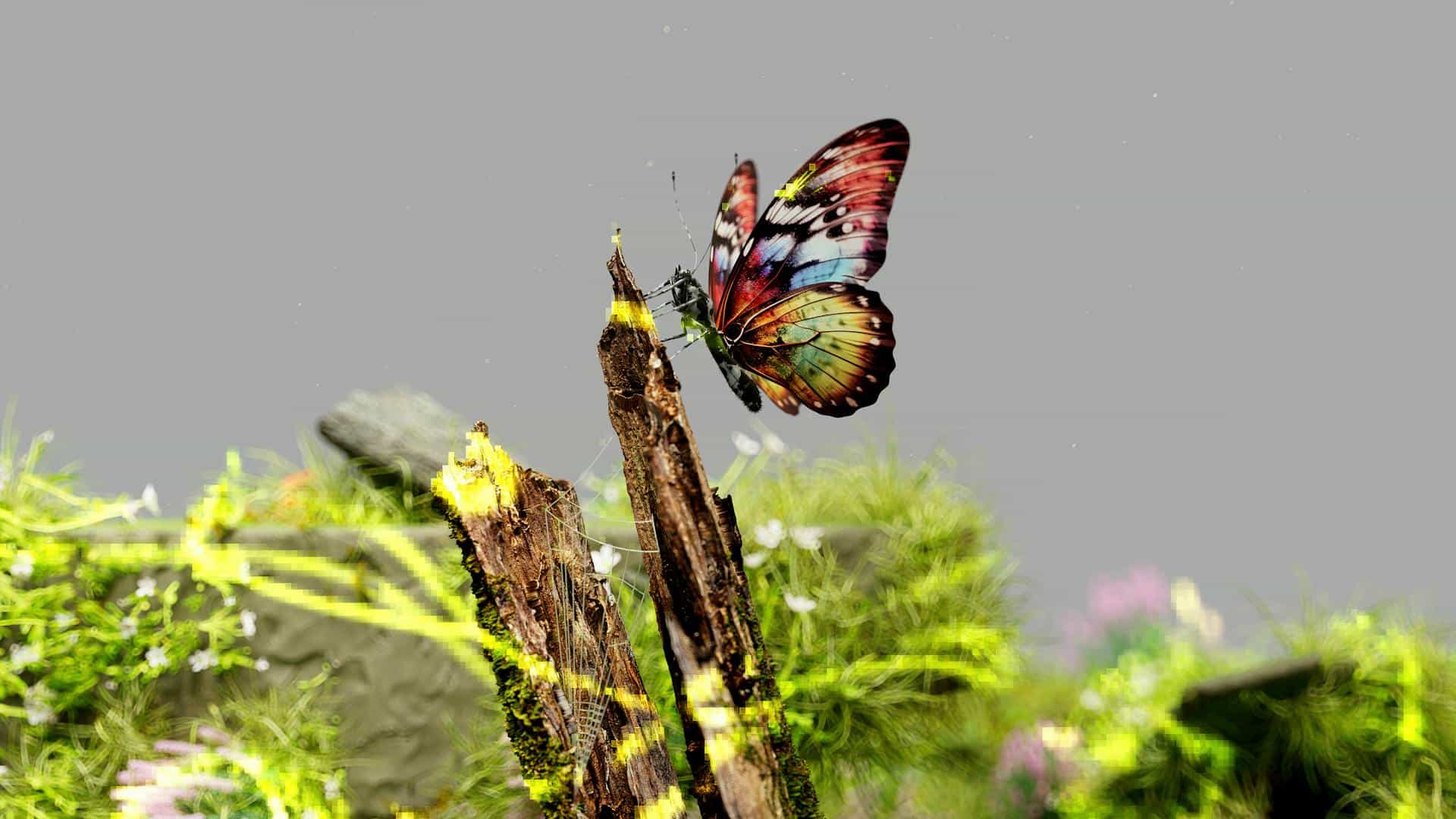
Children find happiness in the smallest things, like a butterfly fluttering by or a puddle to jump in, and they don’t always need expensive toys to have fun! They have an appreciation for simple pleasures that keep them happy with what’s around them, so don’t be surprised to see them collecting rocks or playing with sticks. Kids find magic in the ordinary and that makes every day exciting.
They Use Their Imagination Boldly
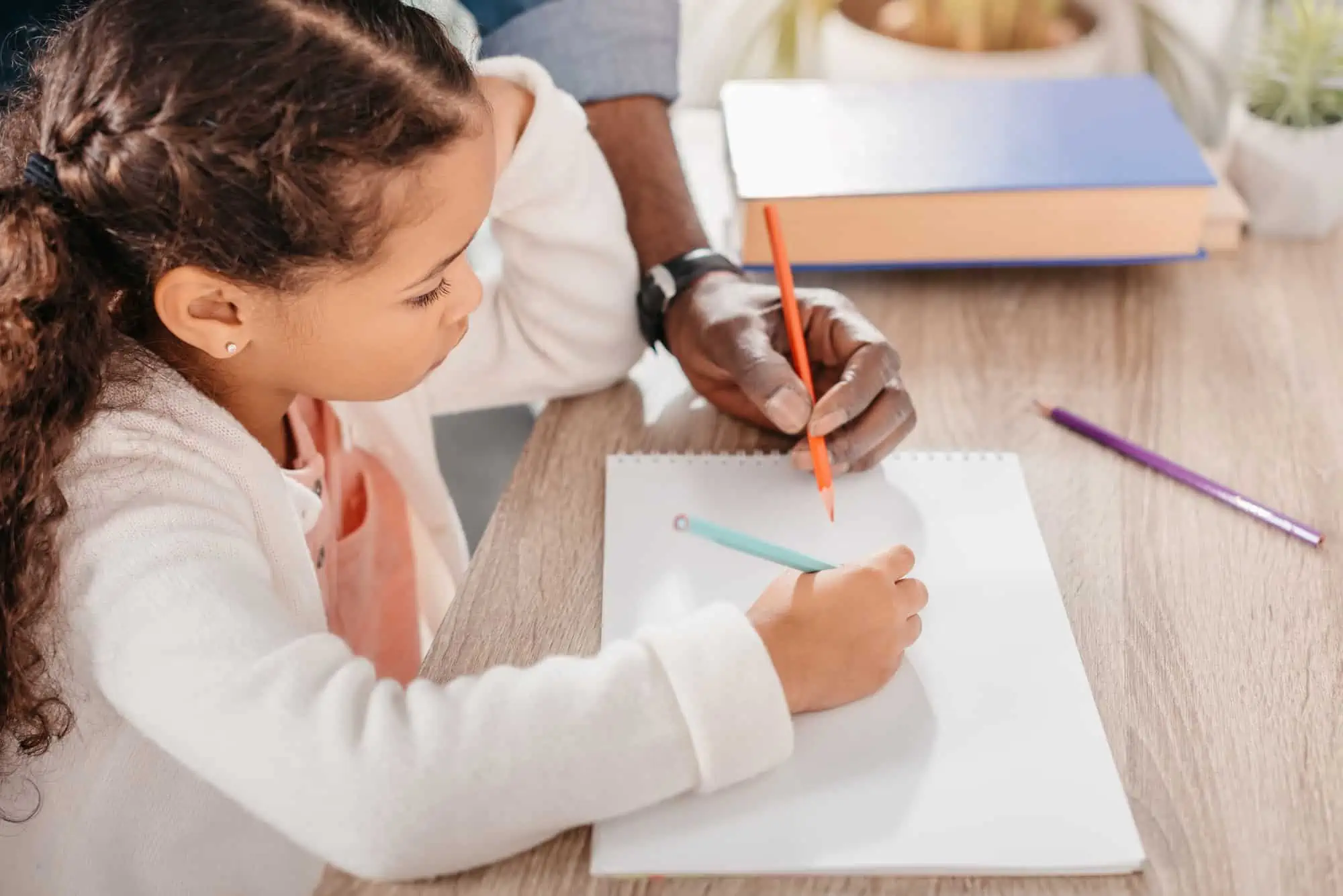
Likewise, children often turn ordinary objects into exciting playthings—a stick becomes a magic wand and a blanket turns into a superhero cape. They create entire worlds in their minds without any limits and we could learn a thing or two from this sense of imagination. As adults, we put so many rules on our sense of creativity yet kids know nothing about that.
They Live in the Moment

Kids fully engage with whatever they’re doing right now, whether they’re drawing a picture or building with blocks—they give it their full attention and don’t worry about the past or the future. Instead, they focus on the present in a way that allows them to enjoy life more as they tune out everything else & immerse themselves completely. They don’t let distractions pull them away from their activities but, rather, they savor each experience without rushing to the next thing.
They Bounce Back from Setbacks

Everyone fails at every stage of life and when kids fall while learning to ride a bike, they usually get right back up & try again because they refuse to let failures stop them from getting what they want. Their resilience helps them overcome obstacles and achieve their goals over time—we could all do with having the same kind of determination! Most young kids don’t feel discouraged for long and will stay positive and motivated, so they’re ready to face challenges.
They Embrace New Experiences

Many children are eager to try new foods or games and they approach new experiences with excitement rather than fear. They have a sense of openness that allows them to learn and grow continually, which also prevents them from limiting themselves to what they already know. Kids aren’t afraid of making mistakes or looking silly because they have an adventurous spirit that helps them discover things they enjoy.
They Make Friends Easily

You’ll find that kids often become friends within minutes of meeting at the playground—they introduce themselves and start playing without overthinking it! Children have a much more straightforward approach to making connections that helps them build friendships quickly and enjoy every moment they spend with others. Their main goal is to have fun together, so they focus on what they have in common without worrying about impressing others.
They Accept Others Without Judgment

Likewise, children naturally accept people as they are, without prejudices, because they have to be taught discrimination based on age, skin color, or abilities, for example. They’re willing to include anyone who wants to join in the fun and they judge people by how they act in the moment—not by stereotypes. As such, their openness creates a friendly atmosphere where everyone may participate and feel valued, which makes friendships based on shared fun.
They Trust Their Instincts

Children often follow their gut feelings when making choices, like choosing whom to play with or what game to start—they trust themselves & don’t overanalyze decisions. Doing so means they act more naturally and confidently since they go with what feels right. Kids stay true to what they really want by making decisions quickly and moving forward without doubt.
They Love Unconditionally

Most children freely show affection to family members and pets because they don’t set conditions on their love or expect something in return. They believe in a purer form of caring that strengthens their relationships and makes everyone around them happier. Whether they’re hugging or giving small gifts to show they care, they give love easily & accept it just as readily.
They Are Fearless in Creativity
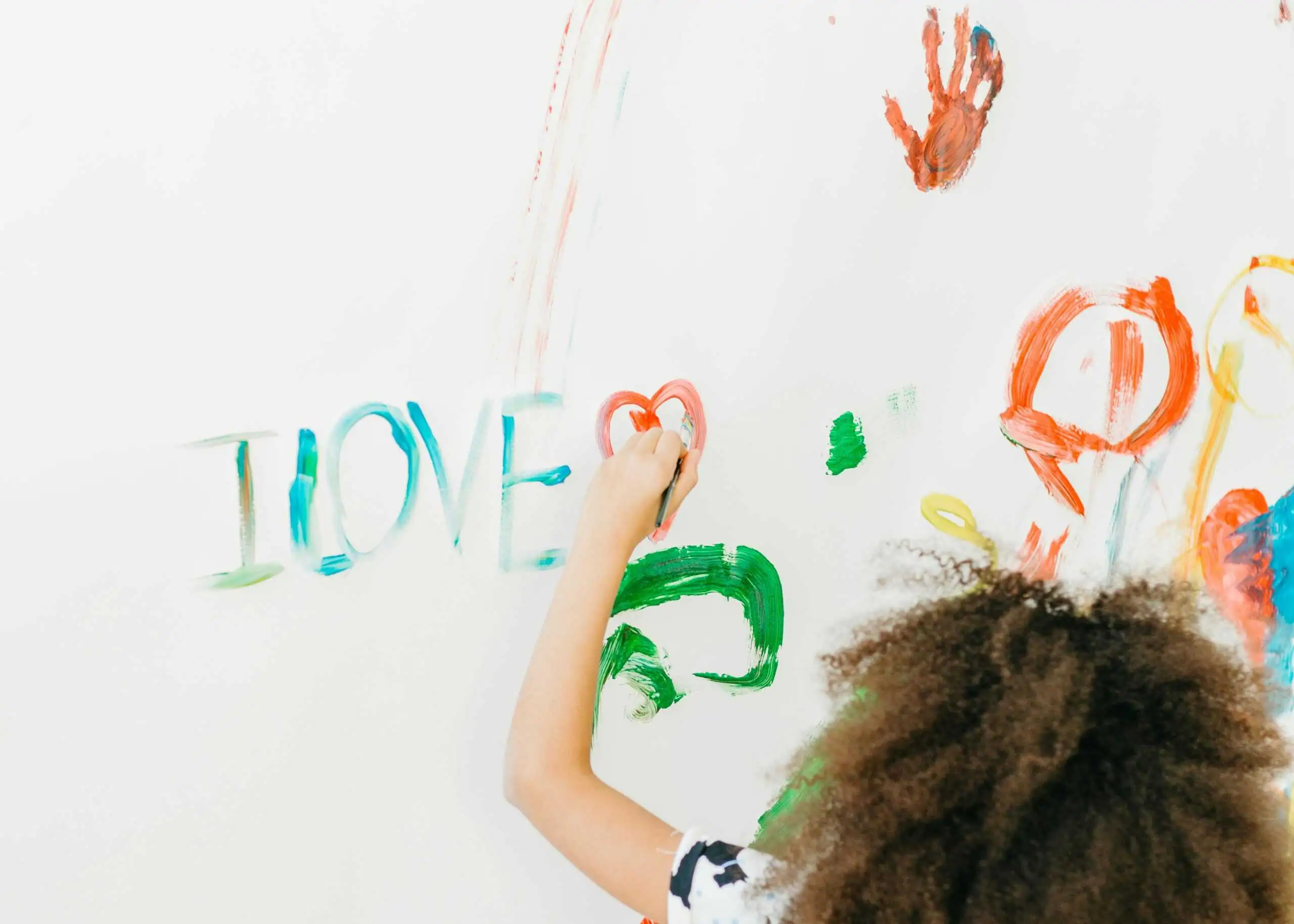
Children don’t worry about being perfect when they’re doing something because they’re able to create freely and simply enjoy the whole process. They use wild colors & shapes, with their art reflecting their true selves. Rather than letting fear of judgment stop them, they’ll experiment & have fun with their creations—that’s great for encouraging continuous learning.
Disclaimer: This list is solely the author’s opinion based on research and publicly available information.
Like our content? Be sure to follow us on MSN.