English has borrowed words from every corner of the world, but some of its greatest contributions have come straight from Latino culture. Whether it’s music, food, or even slang and day-to-day conversation, these words have become part of our everyday speech. You might not even realize some of them aren’t originally English. They’ve been blended in so well, it’s hard to imagine talking without them.
But not all of these phrases get the spotlight. Some are low-key, but they’ve added rhythm, flavor, and attitude to how we speak. They bring in a vibe English just didn’t have on its own.
Here are 10 Latino phrases that quietly made English cooler—without trying too hard.
Featured Image Credit: amazingmikael /Depositphotos.com.
¿Qué Pasa? (What’s Up?)

This one sneaked into casual English in the smoothest way. You’ll hear it in songs, movies, and street talk. It’s not just a greeting — it has attitude. “What’s up?” is fine, but “¿Qué pasa?” feels like you’re sliding into a conversation instead of just entering it.
Mi Casa Es Su Casa (My House Is Your House)

It’s not just an invite. It’s a whole mood. Saying this feels more genuine than the usual “make yourself at home.” It makes guests feel like they’re more than just visitors. Even if it’s said half-jokingly, the warmth behind it sticks.
Basta (Enough / Stop It)

Short and sharp. It means “enough,” but sounds way stronger. You’ll hear it when someone wants to stop the nonsense fast. It lands harder than just saying “cut it out.” There’s some fire behind it, even when used playfully.
No Bueno (Not Good)

It’s kind of a joke now, but people say it all the time without thinking. Your phone dies right before you send a message? “No bueno.” Your team’s losing? “No bueno.” It’s simple and a little sarcastic, which is exactly why it caught on. “Not good” sounds serious. “No bueno” feels lighter, even funny.
Abuela / Abuelita (Grandma)

A lot of people now say “abuelita” instead of “grandma,” especially in mixed-language households. It sounds more loving than “grandma.” It’s warmer, more personal, and often reminds people of stories, hugs, and homemade food. One word holds a whole childhood.
Mamacita (Hot Mama / Lovely Lady)

This one walks a thin line. It’s flirty, sometimes cheesy, sometimes bold. But people say it when someone looks especially good, or in a joking way between friends. English didn’t really have a word that mixed flattery and spice the same way.
Ay, Caramba! (Oh Wow! / Oh No!)

This one has been around for decades, but Bart Simpson helped bring it into more homes. It’s a wild little phrase that fits when you’re shocked, annoyed, or just done. Saying “oh my” or “wow” doesn’t hit the same way. “Ay, caramba” has flair.
Compadre (Close Friend)

These started as godparent terms, but in some circles, they just mean a close buddy. You’ll hear someone say “my compadre” and they mean their ride-or-die. It sounds stronger than “friend,” like family without needing to be blood.
Mijo / Mija (My Son / My Daughter — But Casually)
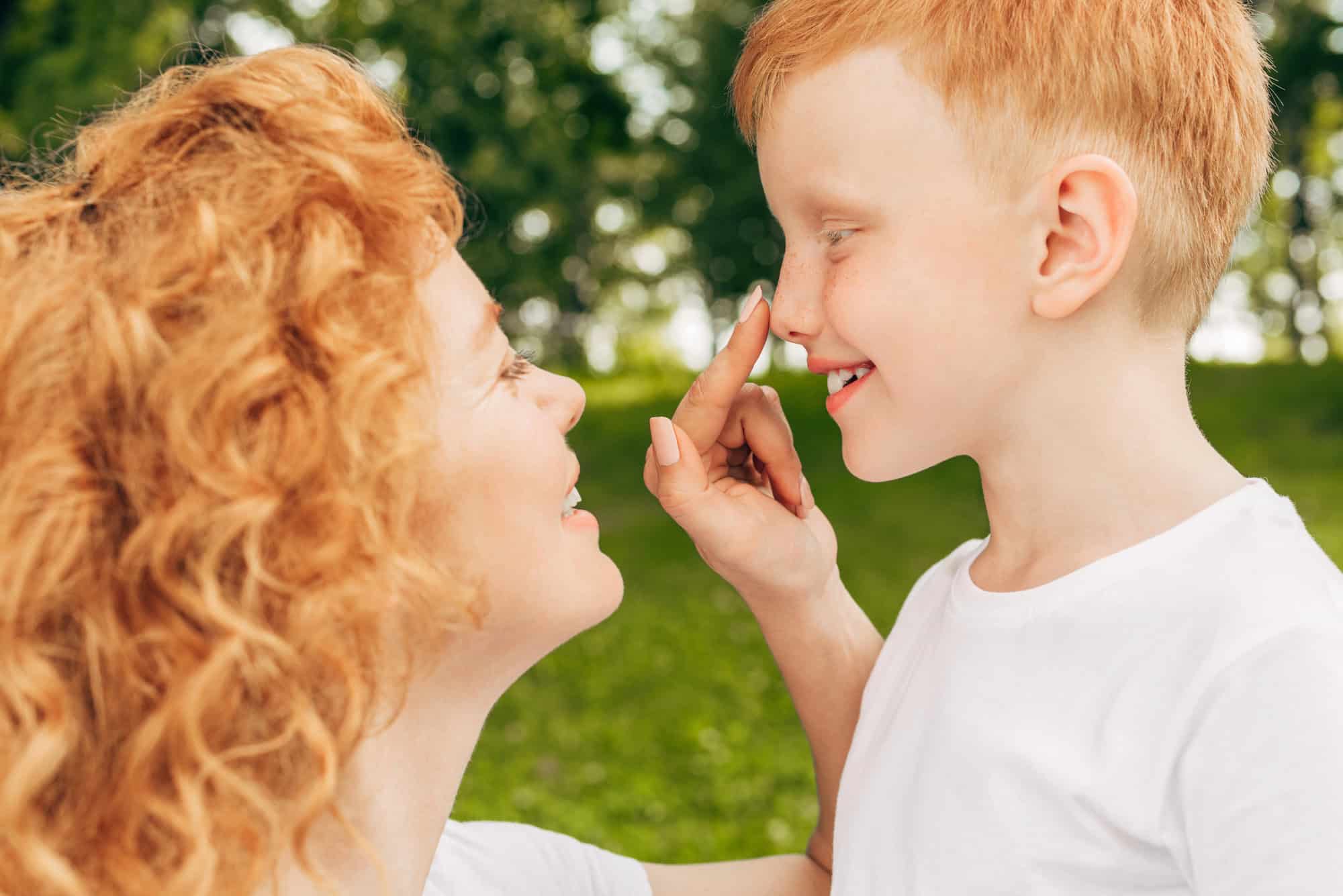
It’s often used affectionately, even if the person’s not your kid. “Mijo, calm down,” or “Mija, you’ve got this.” Parents say it, teachers say it, even neighbors say it. Now, English speakers have started using it too, because “sweetie” just doesn’t have the same realness.
Nada (Nothing)

Sometimes, people just drop a casual “nada” instead of saying “nothing.” Like: “What’s going on?” “Nada.” It’s shorter than saying “nothing much,” and somehow cooler. It turns a boring reply into something that feels smoother.
Disclaimer: This list is solely the author’s opinion based on research and publicly available information.
Like our content? Be sure to follow us.
Read More: