

Kids growing up in the 60s and 70s were really something else, and here are nine common-sense traits they had that you’ll struggle to find now.
They knew the block

Kids didn’t just ‘go outside’ in those days. No, they learned all about the area around them. It was a kind of map they built themselves. They knew exactly which roads had fast drivers. They knew which shortcuts saved time. Why? Because they were out there a lot.
They also weren’t being told what to do. These kids were exposed each day to real surroundings. Unfortunately, the number of kids going outside alone has fallen over the years. With it has gone their natural street awareness.
Small things got handled
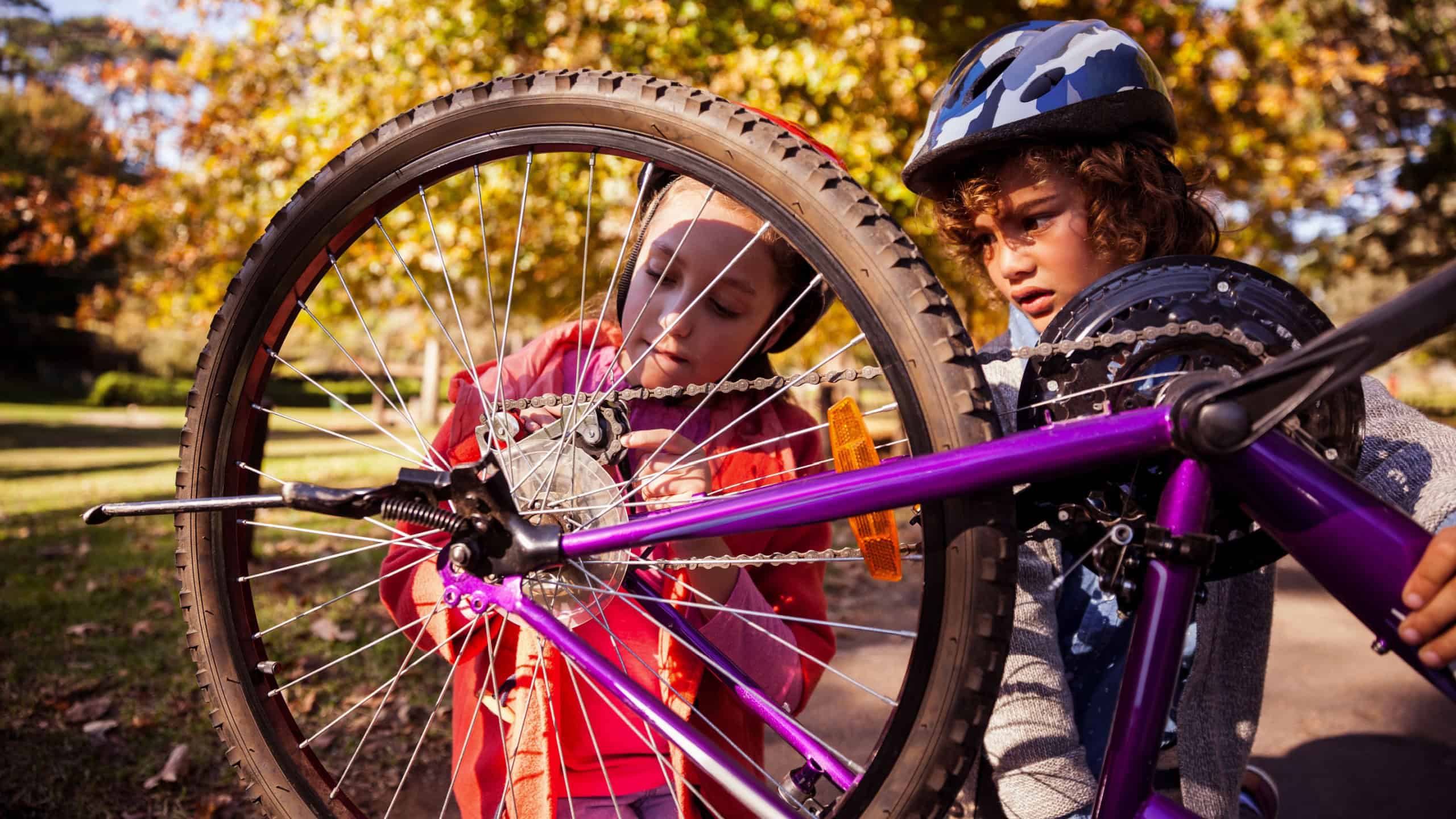
Things go wrong all the time. Kids during the ‘60s and ‘70s had to deal with it themselves. They’d go find their ball when they lost it. They’d flip over their bikes and fix them when the chain came off. It was as simple as that. There were no adults to help them right away.
But a lot of children’s independent activities have disappeared over time. Kids nowadays are used to asking an adult to help with practically everything. They don’t get a chance to practice fixing things themselves. There’s no instinct to handle things.
The garage made sense
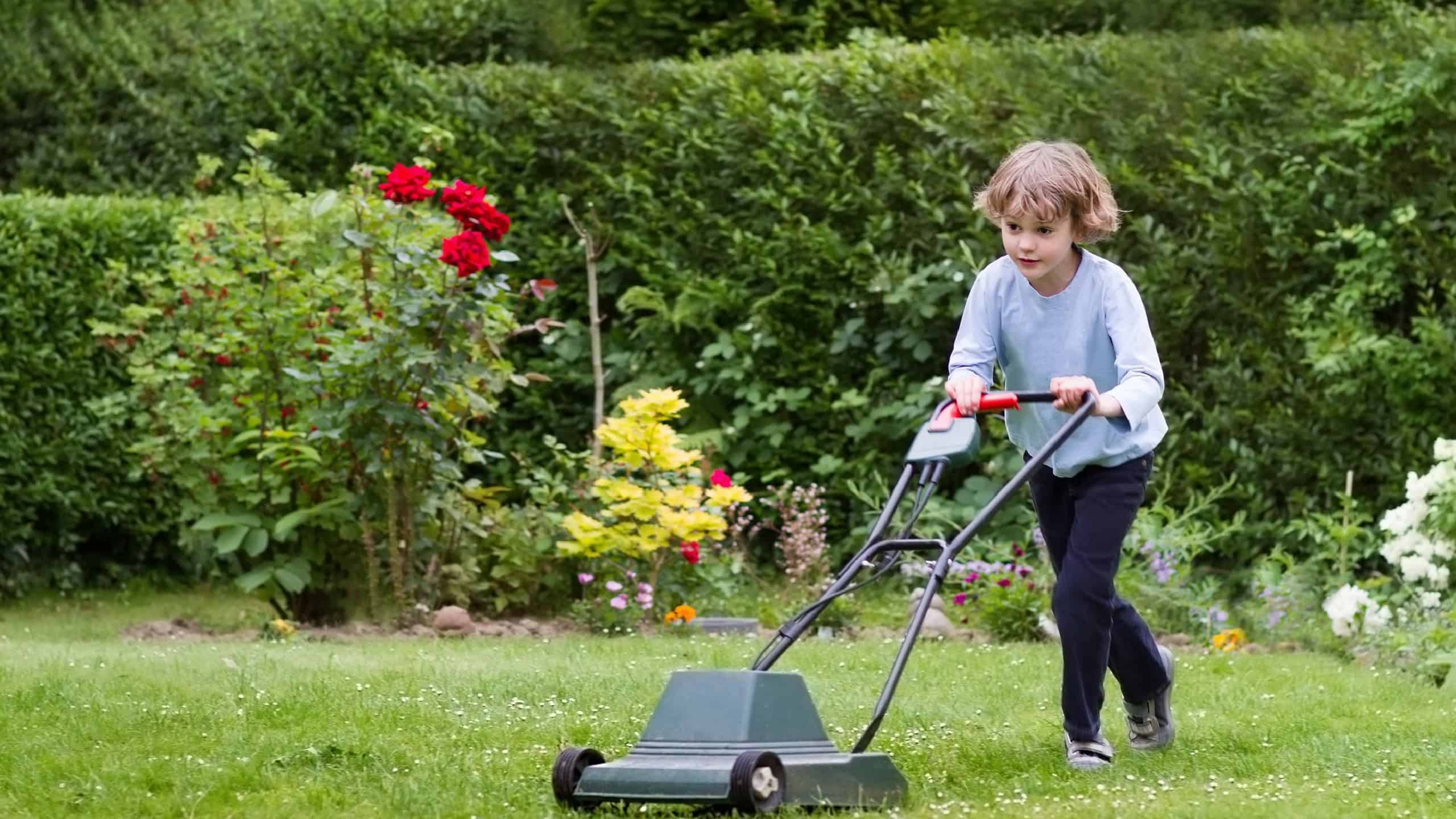
Most everyday things were mechanical in those days. They weren’t digital. That meant they were a lot easier to use and a lot easier to figure out. Kids saw how things worked. Then, they’d apply that knowledge to fixing them.
They’d figure out how to fix a mower and swap a bike tire. It was completely normal. Poking around to understand how things worked was the standard. Of course, not every kid was handy. But a lot of them understood how basic mechanics worked. It’s not that way anymore.
They could read a scrape
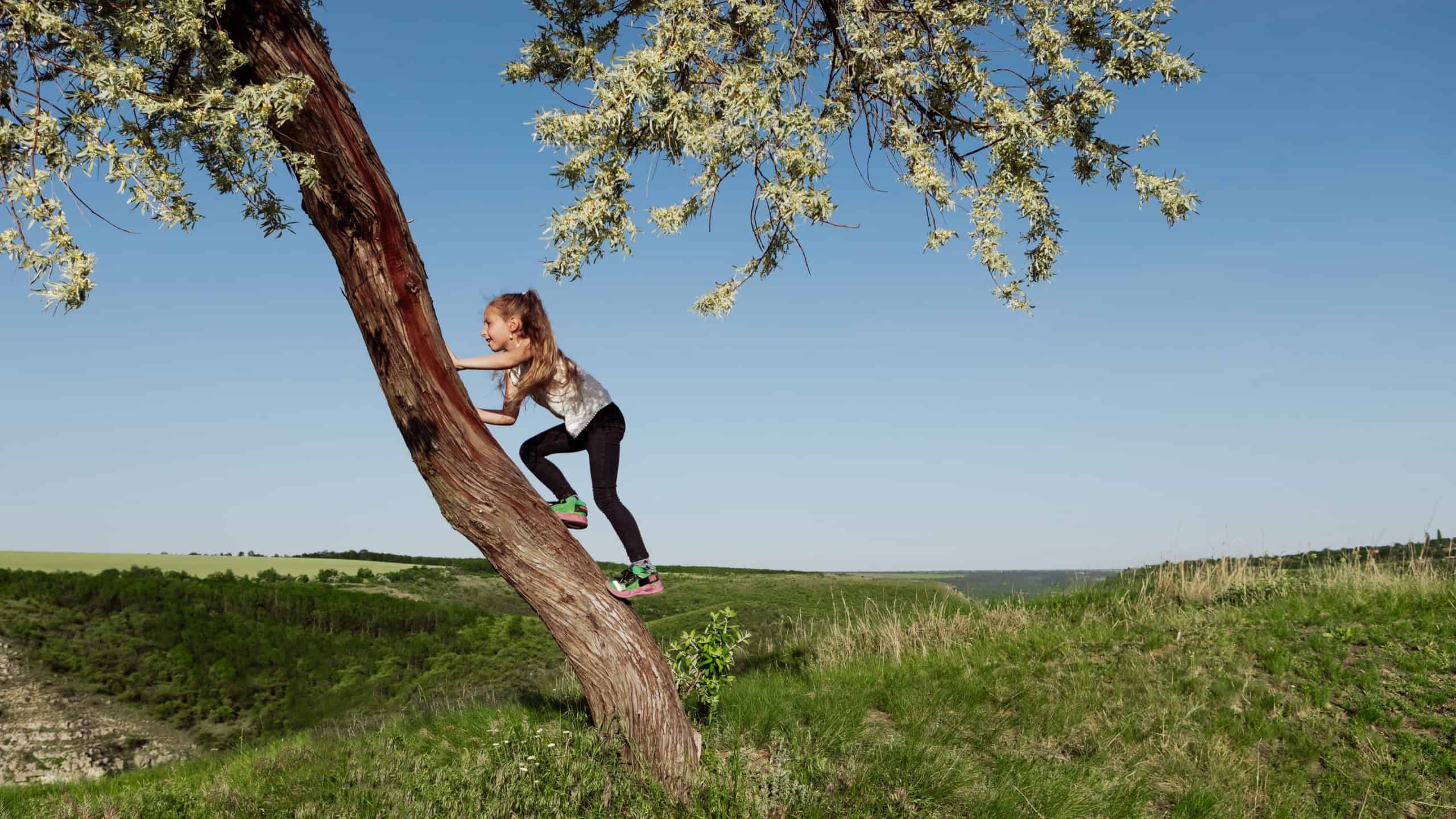
There’s a big difference between what’s dangerous and what’s scary. Kids knew that back then. How? It’s because they learned from doing. They’d climb trees with shaky branches and ride downhill too fast. It gave them immediate feedback.
But today, kids get warnings in advance. Adults tell them straight away when something’s risky. Kids don’t get a chance to discover it for themselves. They never learn to make judgments for themselves.
Nothing happened for a while

Long stretches where nothing was happening? That was normal back then. After all, TV had set times. You had to wait for your show to come on. But it was a good thing. You learned how to be bored and how to entertain yourself.
Kids today don’t get that. Lots of them have smartphones, so anytime they’re bored, they replace it with scrolling or something similar. Young people don’t know how to sit in their boredom anymore. It’s sad, honestly.
Waiting was normal
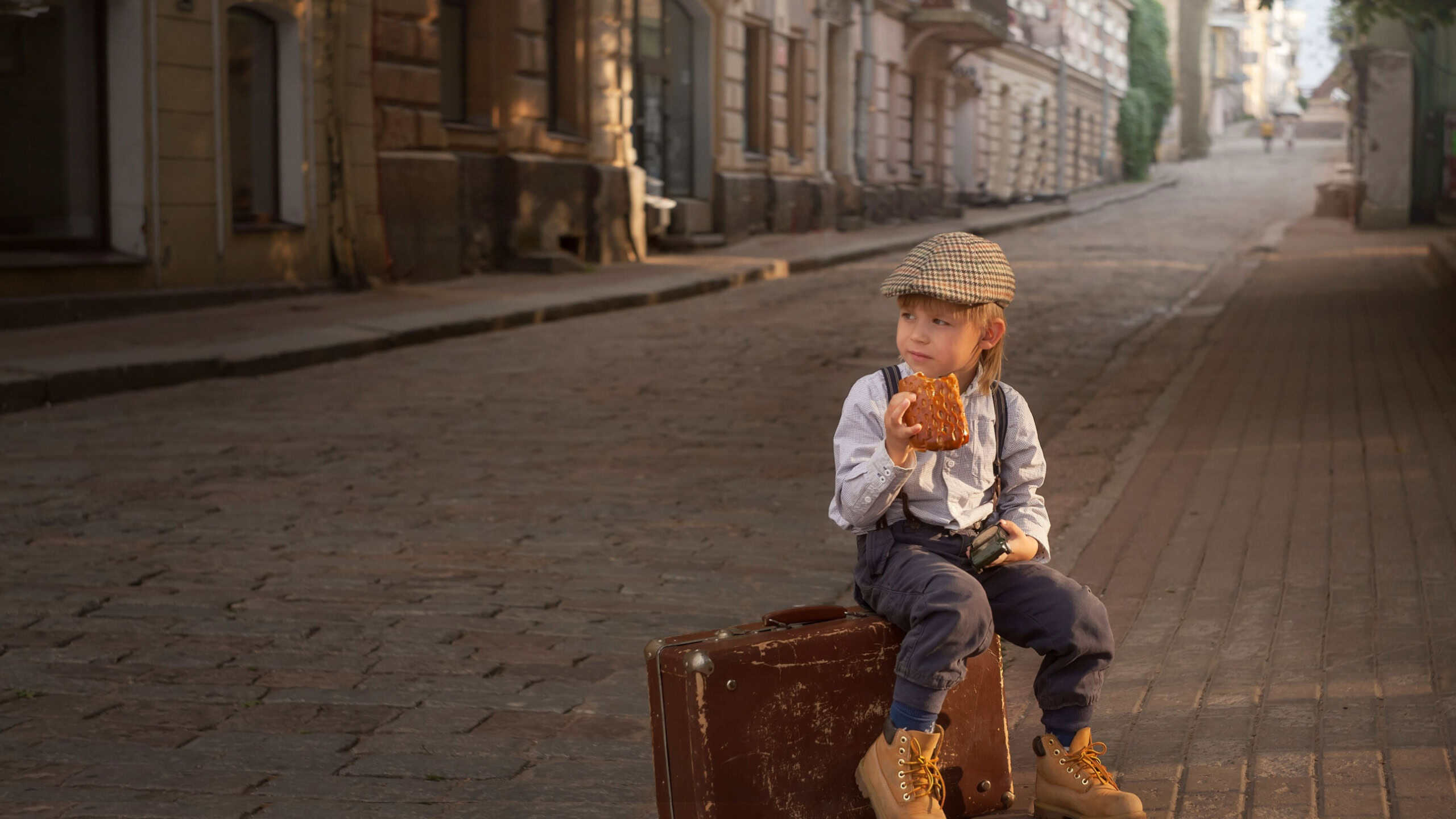
Those kids also knew how to wait for things. Most things didn’t happen right away. Nobody expected them to. So, these kids waited for their favorite show. They waited for the mail to arrive. However, it wasn’t frustrating for them.
That was just part of how things worked. It couldn’t be more different nowadays. Most things are instant, even for kids. They don’t get to develop their waiting skills in the same way. No, they’re assuming things will come instantly.
Talking was part of it
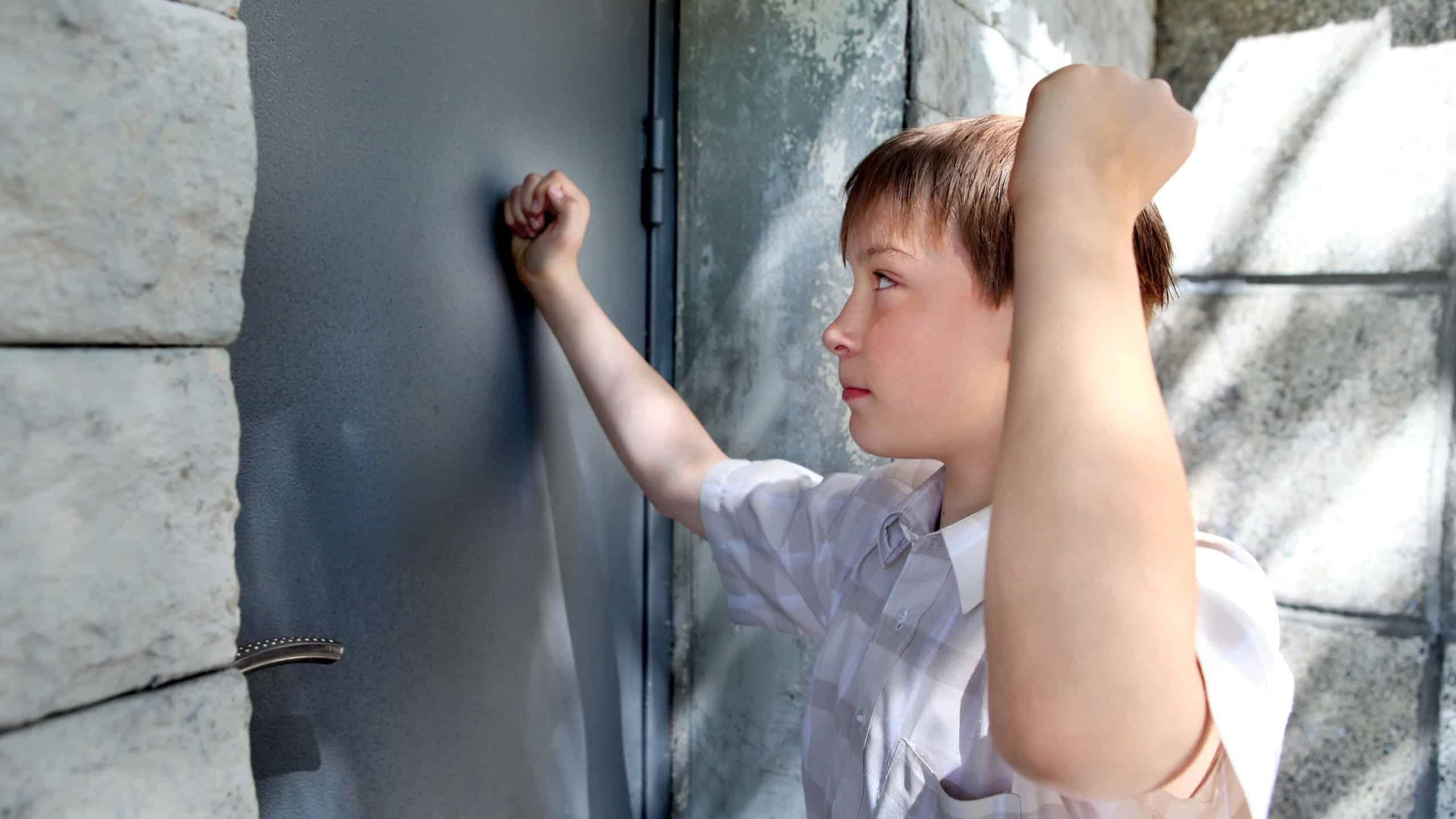
You had two options for talking to someone quickly back then. Either you asked them in person or spoke on the phone. You couldn’t send them a message on an app. It taught kids to understand how to deal with things face-to-face in a normal way.
That skill has been replaced now. Teens have constant access, thanks to the internet. They don’t get the same face-to-face opportunities. Knocking on someone’s door to talk to them? Explaining what you need to a worker? Why bother doing that when you can do it on an app?
The answer was owned

Mistakes happen. It’s natural. Kids from the ‘60s and ‘70s really understood that. They knew there wasn’t a workaround waiting, so they dealt with their problems. Homework left at home was their problem. Their parents wouldn’t come to school to drop it off.
Those kids had a lot more freedom to be independent. They were independent in making mistakes, too. But not anymore. A lot of young people today aren’t familiar with owning what’s happened. They expect their parents to deal with their issues. They just don’t get it.
Feelings had more weather

Kids had thicker skin back then. They had to. They’d hear ‘no’ from their parents without an explanation. They lost games without getting a participation trophy. It taught them that not every feeling had to be smoothed over. Sometimes things wouldn’t go your way. That’s okay.
Try telling that to a modern kid. You’ll hear a dozen questions about why, along with plenty of tears. Kids today are used to adults addressing all of their feelings. That’s not always a bad thing. But it does mean they’re not as emotionally strong as kids from before.
Sources: Please see here for a complete listing of all sources that were consulted in the preparation of this article.


