

While your daily expenses might seem small at the time, these purchases eat away at your funds. Be it an impulse buy or a forgotten subscription – these habits can leave your pockets with some pretty big holes.
Here are 12 super common things that might be siphoning cash out of your wallet. Also included are some strategies to reduce these costs and help you save more in the long run.
Featured Image Credit: Kaboompics.com /Pexels.com.
Coffee Shop Visits

A daily $5 trip to your local coffee shop might not seem like a serious indulgence, but all these small purchases amount to quite a bit of money. That’s $100 a month ($5 coffee x 5 workdays) — or $1,200 a year. And this is only if you drink one a day. And if you always go with a muffin or another treat, it gets even more expensive. You can save a lot of money by home brewing your coffee or (at least) drinking less coffee at Starbucks.
Bottled Water

While purchasing bottled water might seem like an easy answer when you are out and about, the cost can add up quickly. Considering that it costs $1–$2 per bottle, you are easily looking at hundreds of dollars a year. And it is highly anti-environment. Instead, spend your money on a long-lasting reusable water bottle. In addition to saving you money throughout the year, this will also create less plastic trash. Use a home water filtration system if you like filtered water.
Like our content? Be sure to follow us.
Unused Gift Cards

The fact is that most of the time we get gift cards to places where we never go. Mostly they expire. Billions of dollars in gift cards go unused every year. This is really free money on the table. Before they expire, spend all your forgotten gift cards sitting in your wallet. Sell or trade the cards on Raise or CardCash if they’re for places you only go to occasionally.
Unused Gym Memberships

A gym membership could be a good thing, but only if you use it regularly. However, hundreds of thousands of people get memberships intending to go, but find it impossible after going once or twice, so they stop. That $50 or $100 a month fee just goes down the drain if you’re only going occasionally. If you don’t use your membership enough and cannot rationalize the cost, consider canceling it in favor of at-home workouts or drop-in classes (aka yoga or fitness studios).
Takeout and Delivery Fees

Sure, ordering takeout or delivery is super convenient and fast—no complaints there—but those costs do add up quickly (delivery fees, service charges, tips, etc.). Even if you think your meal is reasonably priced, those add-on costs can easily turn a $10 dinner into a $20 expenditure. If you do want to treat yourself to takeout, save it for a special occasion and instead meal prep during the week so you are not easily tempted.
ATM Fees
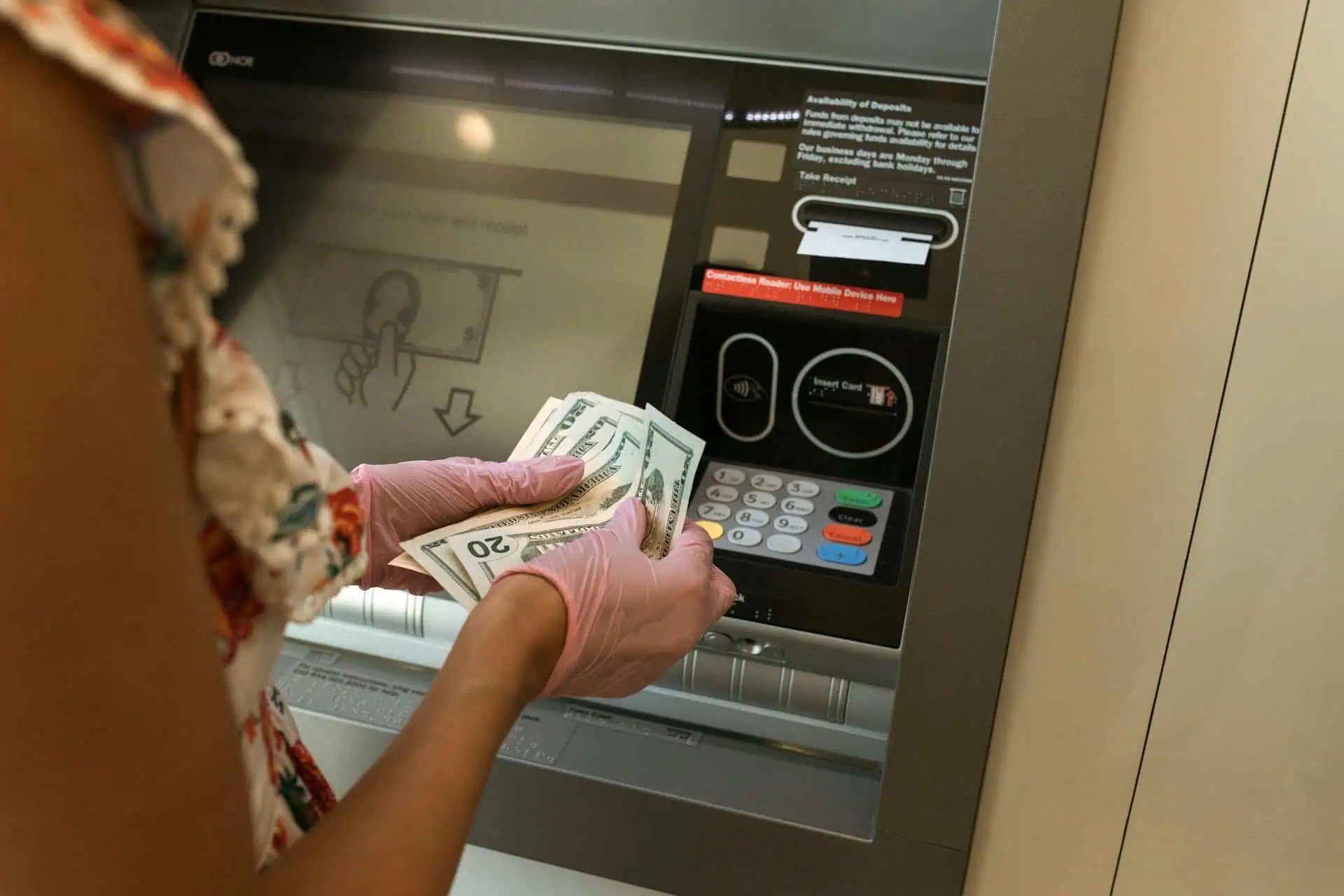
While withdrawing from out-of-network ATMs is a small cost, it can add up over time, and there is no reason for you to pay that. ATM fees can be anywhere from $2-$5 a pop, and if you withdraw cash frequently, they add up super fast. If you know you will need cash, be prepared by only using ATMs that are part of your bank’s ATM network, or even better, find a bank that reimburses out-of-network ATM fees.
Impulse Buys at the Checkout

Candy bars, magazines or small gadgets may not appear to be costly at that time – but they can stealthily chip away at your budget if you are making these impulse purchases on a regular basis. Try to avoid this by sticking to your shopping list and skipping the temptations that taunt you while standing in the checkout line.
Overpriced Convenience Foods

Convenience is expensive- there are surcharges for pre-cut fruit, salad, and any other food that snips, chops or peels. While this stuff is convenient, it’s also about 2 to 3 times more expensive than buying the ingredients separately and making them yourself from home. Alternatively, you may also plan a little bit of meal prepping weekly to chop some vegetables and cook some proteins ahead of time. That way you pay no extra but do get the convenience.
High-end Fashion & Accessories

Do you really care about the name on your clothing, shoes, or accessories as much as you might feel good buying them? Similar styles can be found for less at many fast fashion or mid-range brands. However, unless you are buying classic, high-quality pieces, expensive designer items may not be worth it compared to less expensive options that are still on trend!
Branded Household Products

Whether it’s cleaning products or toiletries, name-brand household items tend to come with big-name price tags compared to their generic counterparts. Most of the time, what is in them or how well they work is exactly the same. Going for generic products while buying paper towels and laundry detergent is the smart choice.
Energy Vampires

Some electronics still drain power while they are off or on stand-by. Technology like televisions, gaming consoles, and chargers – some of the biggest energy vampires out there – are increasing your electric bill. Turning off devices when they are not in use or utilizing smart power strips can help avoid the excessive usage of energy and lowering your utility bills monthly.
Over-the-Top Phone Plans

If you regularly find that you’re only using a small amount of your data and getting billed $100 or more, then you are wasting a ton of cash. Most landline and phone carriers offer cheaper plans with data caps that may be a better fit for how you generally use the internet. Check your phone plan and see if you could save money by switching to one that is less expensive per month but still works for what you need.
Disclaimer: This list is solely the author’s opinion based on research and publicly available information.
Like our content? Be sure to follow us.
Read More: