
Featured Image: https://depositphotos.com/photo/multiethnic-group-people-sitting-chairs-showing-idea-gestures-speech-thought-238104734.html
You might not realize it, but living in America, you’re surrounded by stuff invented by people who weren’t even born here. Yes, that’s right. The zipper on your jacket & the shopping cart at grocery stores were invented by immigrants, who have brought a lot more to America than just recipes and accents. They literally helped build the things we use every single day, so here are twelve inventions by immigrants that changed daily life.
Which ones did you know about? Tell us in the comments afterwards.
Featured Image Credit: Shutterstock.
The Modern Piano

Back in the 1850s, a German immigrant named Heinrich Steinweg came to New York with some rather impressive piano-making skills. He changed his name to Henry Steinway and opened up a little workshop with his sons, where they completely changed how pianos were made. Their instruments were louder & stronger than most of what was out there. Steinway & Sons is still a huge name in music today, and it all started with that family business.
Automatic Donut Machine

Adolph Levitt was running a bakery in New York when he became bored with frying donuts one at a time, so, in 1920, he built a machine that did it for him. It mixed, dropped, fried & flipped donuts on its own, and crowds absolutely loved it. In fact, he even set it up in the shop window so that people could watch the donuts cooking on a loop. Levitt essentially created the original food-show experience.
Automatic Car Transmission

Oscar Banker didn’t have an easy start, as he moved from the Ottoman Empire to the U.S. as a teen and landed in Chicago. He was quite interested in engineering and, in the 1930s, he figured out how to make car transmissions automatic. This meant no more grinding gears or stalling out on a hill. His design caught General Motors’ attention, and his invention helped make automatic cars the standard in America.
Pen With Retractable Tip

After World War II, Nathan A. Zepell left Latvia and headed to Chicago, where he started tinkering with pens, and one thing that bugged him most about them was ink stains. To avoid them, he came up with a pen clip that pulled the tip back in when you clipped it to your pocket. His “Remember Pen” hit the market in the ’50s, although he didn’t stop there, as he kept creating different pen designs. He ended up with over 40 inventions under his belt.
Typesetting Machine
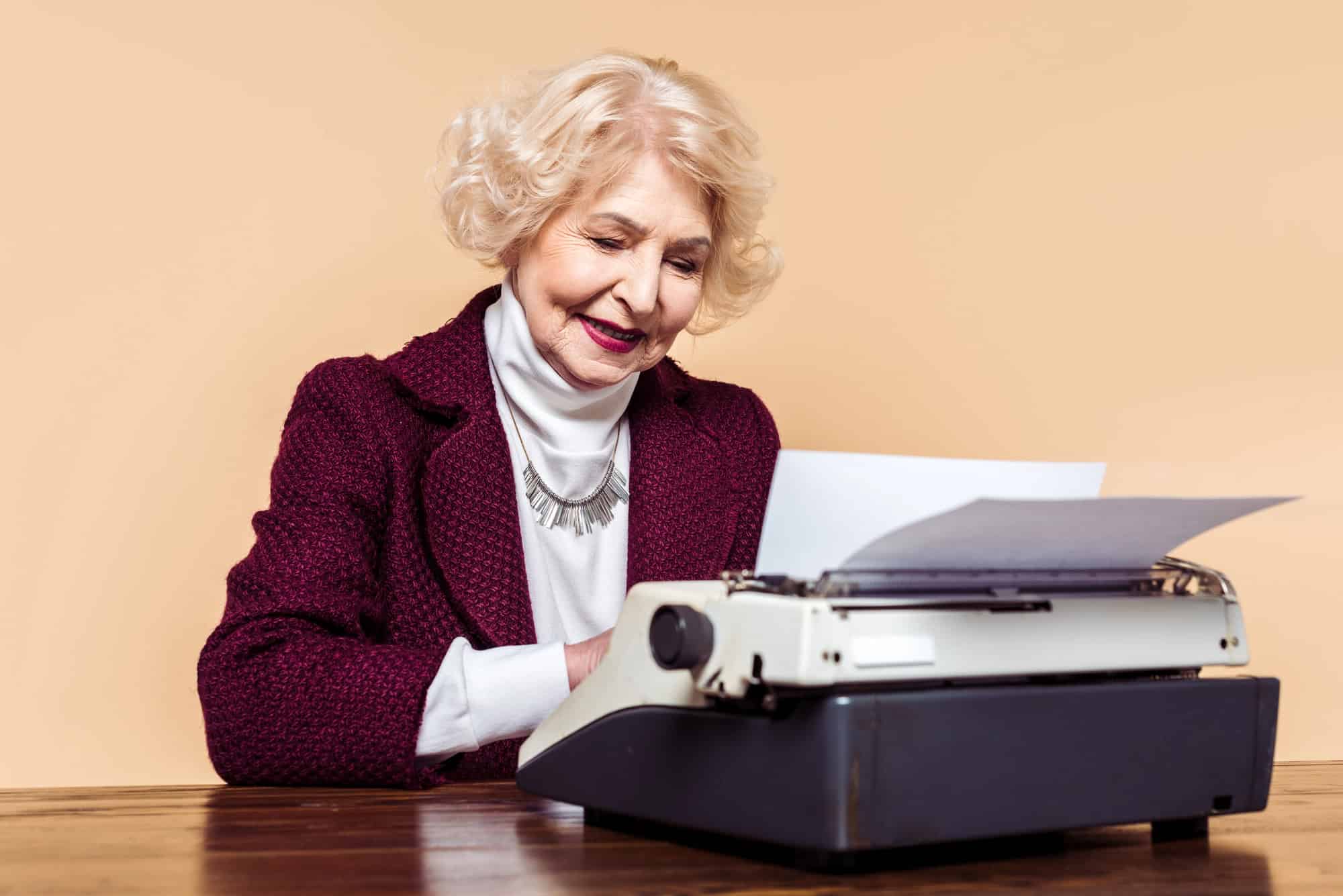
In the 1870s, Manoel de la Peña was living in New York after moving from Argentina and working in the printing scene. At the time, setting type for newspapers & books involved arranging each tiny letter by hand, which was just as tiresome as it sounds. Peña believed there must be a faster way of doing this, so he built a mechanical typesetter that made things far faster. Thanks to his invention, we have much quicker typesetting methods.
Outboard Motor

Ole Evinrude came to Wisconsin from Norway, and he worked there as a mechanic. In 1909, he created a small gas-powered engine that you could attach to the back of a boat, which suddenly meant rowing wasn’t the only option for traveling on water. In fact, his outboard motor made it much easier for regular people to go boating, and his name eventually became the brand people trusted to get them across the lake.
Artificial Kidney

Willem Kolff had already been working on a machine to clean blood when he moved to the U.S. from the Netherlands after World War II. At the Cleveland Clinic, he kept refining his invention, and it later became the first dialysis machine that actually worked for real patients, although it wasn’t exactly high-tech at first. The original invention involved cellophane, sausage casings & a washing machine motor, but it did the job. His version ended up saving countless lives and completely changed medicine for good.
The Telephone Switchboard
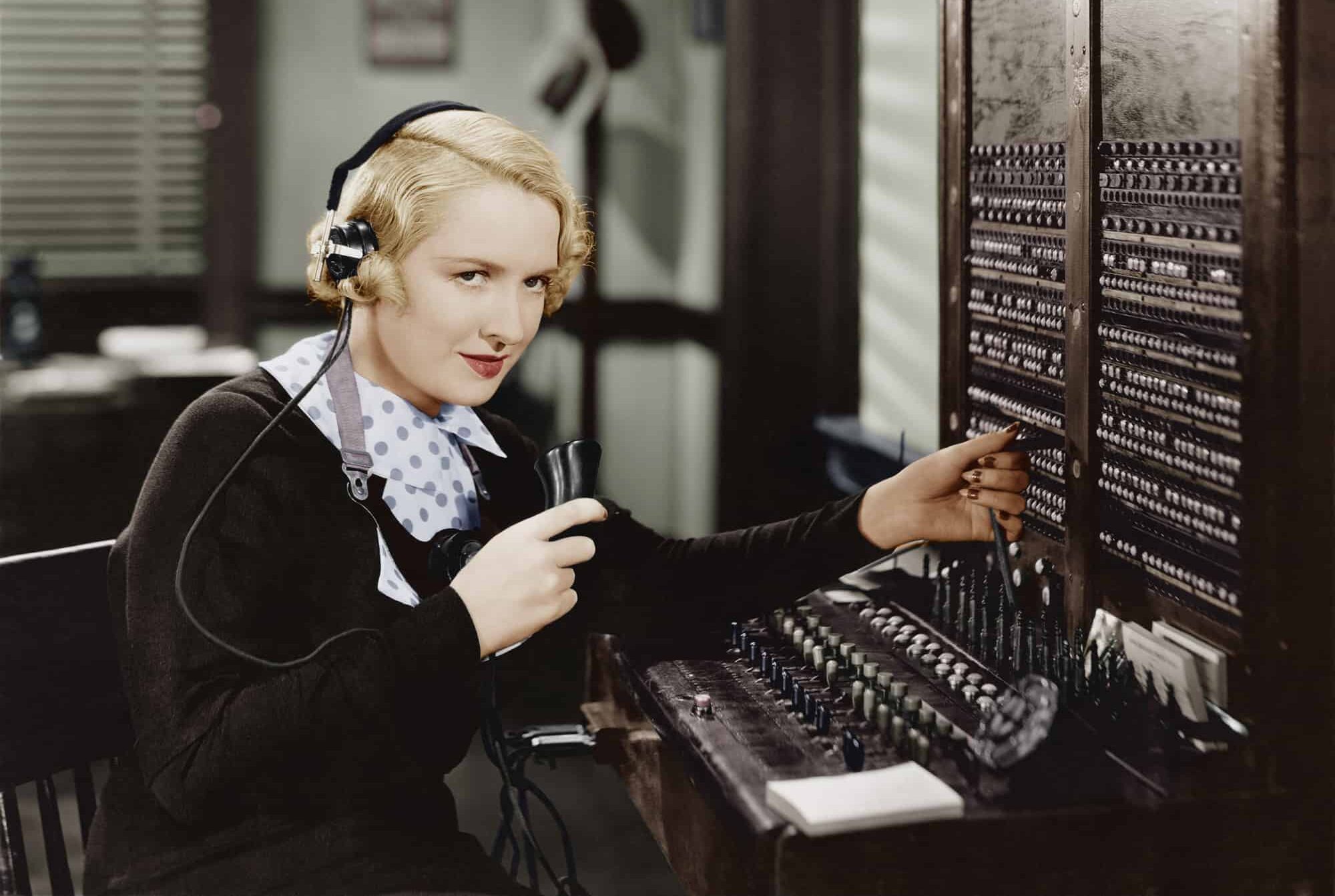
In the days when using a phone simply meant yelling into a wire, Tivadar Puskás, a Hungarian immigrant, had an idea to create a whole system to connect everybody, rather than just one-on-one calls. He invented the first telephone exchange, which meant no more direct lines, and Puskás worked closely with Edison for a while. In 1877, his switchboard system launched in Boston, and operators would physically connect calls by plugging wires into boards. Such a setup stayed in use for decades.
The Shopping Cart

While Sylvan Goldman wasn’t an immigrant himself, his family was, and this affected his entire mindset. He owned a grocery store and noticed customers struggling with baskets, so, in 1937, he took a folding chair and put some wheels & a basket on it. He had made the first shopping cart. At first, people laughed, and Goldman had to hire people to walk around the store using them just so customers would feel comfortable doing the same, but when they tried it, they never looked back.
The Zipper
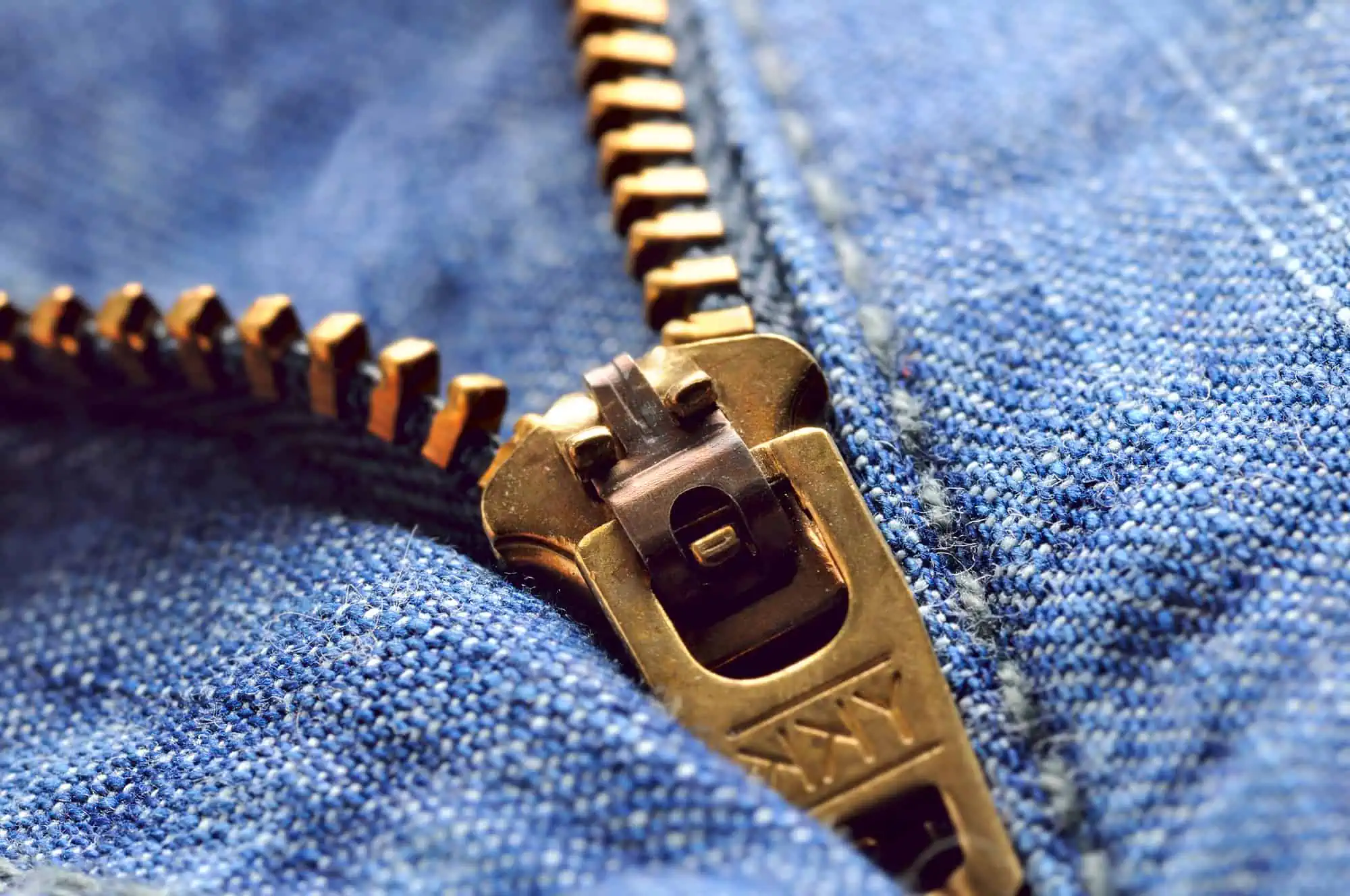
Zippers weren’t always that common, as people used to use buttons & hooks, which involved far too much fiddling. That was until Gideon Sundback, a Swedish engineer who moved to the U.S., stitched together a cleaner, faster design in 1913, which zipped up clothes relatively easily. At first, it was used mostly for boots, but now it’s on practically everything, whether that’s jeans or backpacks. Sundback’s design had rows of metal teeth and a slider to lock them together, making it far more reliable than earlier versions.
The Instant Camera

Edwin Land was the child of Ukrainian immigrants, and he invented the Polaroid camera in the 1940s after his daughter asked why she had to wait for a photo. After some tinkering, he created one that allowed you to take a picture and get a print in under a minute. His company? Polaroid. They released the first model in 1948, and it sold out fast, as people loved seeing their photos develop in front of their eyes.
The Ice Cream Cone

Before cones, people ate ice cream from glass cups, which was annoying because they had to be washed between uses. But then Italo Marchiony, who moved from Italy to New York, started serving frozen desserts in edible pastry cups, and he patented a mold in 1903. Soon enough, the cone was a street snack popular everywhere, and the idea caught on so fast that within a few years, people served cones at fairs & boardwalks.
Disclaimer: This list is solely the author’s opinion based on research and publicly available information.
Like our content? Be sure to follow us.
