

Anyone who’s the first kid in the family will know that this role turns you into a special kind of person, the one who remembers everything and handles everything like nobody else does.
The one who keeps track

It didn’t matter that you weren’t excited about it. Someone probably gave you responsibility before you were ready to handle it, and you were told to watch your brother or help your sister. You had to keep an eye on something.
Chances are, your parents expected you to know better, just because you arrived first. Years of dealing with responsibility meant it stopped feeling like a task and became your default setting. You’re just used to taking charge of things now.
The little lookout

Being the older kid meant that you probably had to take the role of sibling and adult at the same time. You were likely the one asked to walk a younger child somewhere, after all, and you were expected to keep them out of trouble.
In other words, you became naturally protective. You’re probably a lot more aware of other people’s safety and comfort as an adult. It’s something you might not even recognize you’re doing. But still, you are, and you’re protecting everyone around you without a second thought.
Figuring it out first

You were the older kid, so you had nobody’s example to follow. You set the example. Yes, you were the first to deal with a new school and a first job, among other things. That matters. It taught you to be pretty self-reliant since there was nobody to look toward.
You got used to figuring things out without a blueprint to follow, and you learned to rely on nobody but yourself. That’s not necessarily a bad thing. But it does become an issue when it makes asking for help feel unnatural.
The familiar front seat

Older siblings are good at many things. One of their major talents shines through in group projects. They’re the ones who will take the reins and ask who’s doing what. No, they’re not doing it because they love their power.
It’s just that they’ve had so much practice with being a leader, and it feels normal for them to be the one slightly ahead of everyone else at home. Put it this way, they’re confident leaders. Their siblings copied them and asked them questions, so it’s nothing new for them.
The person everyone calls
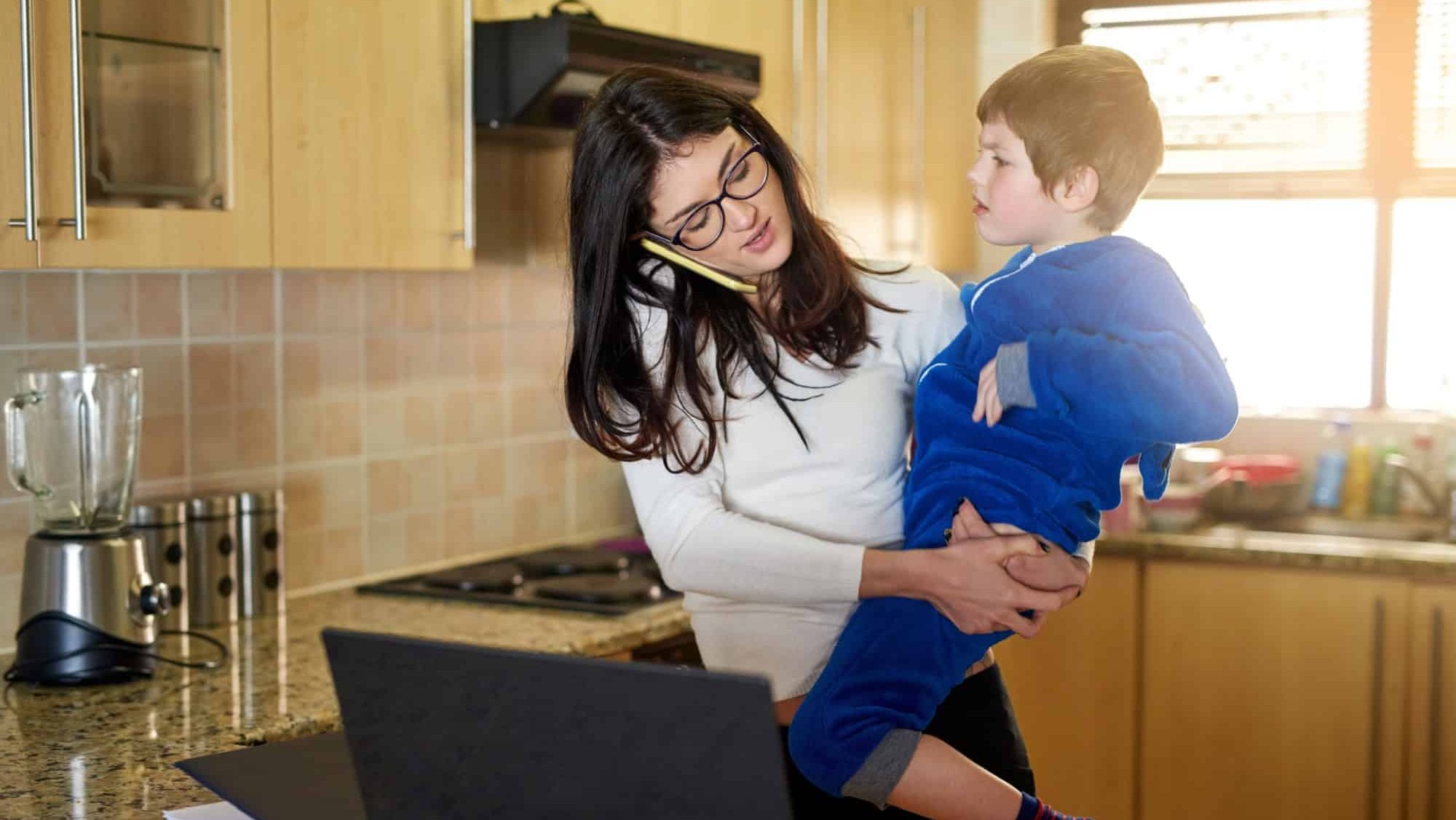
Every family gets into habits, even when they don’t recognize they’re doing it. There’s one habit that practically every multi-child family falls into. It involves calling the oldest child when something actually needs to get done because they’re older and they’ve handled things before.
Parents automatically think of them as the reliable or dependable one. That’s the role they default into. Yes, they’re the ones with the spare key and the directions. They’re dependable outside of the family as well because that’s just how they work.
Being capable matters
Being good at something always feels good, but only older siblings know how good it feels. It feels kind of personal when they don’t know what they’re doing. You can’t blame them, really. They spent their childhood being the one who was older and faster.
They were probably the one who was better at reading and more experienced than the younger kids behind them. Such a head start taught them that being capable is part of their role in the family. Their competence is something worth protecting, and they’ll fight their hardest to hold onto it.
The bar stays high

It’s no secret that the first child gets a lot of parental attention. That includes the sort of attention that involves parents watching every single milestone, like the first report card or first school concert. Their parents might be a little stricter, too, since they haven’t done this before.
All those expectations leave a mark. Older siblings usually have very high self-expectations and may even be perfectionists. They learned that ‘doing well’ got them attention. So they set the bar pretty high, despite the fact nobody else is holding it there.
Someone needs a plan

Let’s get one thing straight. Older siblings aren’t desperate to control everyone. They spent years being the kid who had to keep things moving, and it made them develop a trait known as control orientation. To put it plainly, they get anxious when nobody knows what’s going on.
They need to have some kind of control over the situation, and they can’t stand any vague plans. Those feel too unfinished. Try telling an older sibling, ‘We’ll figure it out later,’ and you might find that they get pretty frustrated. ‘Later’ doesn’t work for them.
The spot isn’t guaranteed

The oldest child has a pretty sweet deal, at least for a while. They get every cuddle and every bedtime story from their parent. But then the younger sibling appears, and the arrangement changes practically overnight. Nobody’s done anything wrong, of course.
Yet the oldest sibling is left sharing attention they once had all to themselves, and that sticks with them. They take being edged out a lot more personally later on. It makes them seriously uncomfortable. Anyone taking over ‘their’ role, whether it’s a new friend or a new coworker, can hit a nerve for them.
The first draft of the rules

Most parents tend to be at their most cautious with child number one because, well, they’re the first child. They haven’t quite figured out what works yet. That means everything involves rules, and they’re determined to make sure their kids stick to them.
It’s likely that these rules relax a little when there’s another child, or a third one. But the oldest still remembers the stricter version, though. They become a real stickler for the rules, and don’t see them as flexible as their younger siblings do.
Sources: Please see here for a complete listing of all sources that were consulted in the preparation of this article.
