

The best kind of dad is the one who reveals how great he is with his words, but without making a big speech out of it.
The offer before the lecture

Some of the best phrases are the simplest ones. Take the question, ‘How can I help?’ for example. It sounds so basic, yet it’s a lot better than barging in with a six-step plan you never asked for. A good dad knows you might need some help.
They’re not going to demand you take it, and instead, they’ve chosen to respect the fact that your problem was still yours. They’re being useful, not taking over. They gave you the chance to either reject or accept their help, putting you in control of things.
The response that kept the door open

Bad news and mistakes happen all the time. What separates good fathers from average fathers, however, is how they respond to these situations. The good ones say something like, ‘I’m glad you told me.’
They might still be unhappy. The consequences might still happen. But at least honesty hadn’t made everything worse, and dads who say it help their teenagers to share. Newsflash, an understanding dad is the kind of dad you’ll be more willing to talk to.
The text he was waiting for

Saying, ‘Call me when you get there’ could easily sound like Dad being Dad. But think about it this way. It usually means that he cared enough to stay awake and check his phone to make sure you made it home safely. He doesn’t need a full report on your night, though.
No, he understands that the middle ground is healthy, and he can show concern without needing to do surveillance on you. He trusted you to go live your life. He only wanted to get that little message afterward, and that’s a great kind of dad.
The words adults sometimes avoid

It can feel a little strange when you hear a parent say, ‘I was wrong.’ So many adults would rather argue for twenty more minutes than admit it, and that’s why it’s important when a dad says it. He’s teaching you that authority didn’t make him automatically correct.
He could openly confess to messing up and rethinking something. It likely made any disagreements with him feel a lot less like court cases where Dad always won by default. Better yet, you had permission to change your own mind later. It wasn’t a kind of defeat.
The apology without an escape hatch

Hearing an apology like, ‘I’m sorry. I shouldn’t have spoken to you like that’ is very different from hearing, ‘Sorry you got upset.’ The first one takes responsibility, while the other sort of sneaks around it. A dad who used the first kind was a good dad.
Yes, he was showing you that being angry didn’t give him a free pass to say whatever he wanted. He still has the space to be mad, and so do you. It’s just that he was able to separate the problem from the way he handled it, and that’s a pretty big deal.
The question that gave you a seat

You might’ve been choosing where to eat or arguing about school. Then you heard your dad ask, ‘What do you think?’ It really matters because it shows that your dad actually valued your opinion, and he wasn’t waiting to have the final say.
It doesn’t work for every decision, obviously. But it does mean that your opinion had enough weight to be heard, and that probably helped you build more confidence in your own judgment. He took you seriously. Not every dad does that.
The midnight exception

You hope the sentence, ‘If you need me, call. I don’t care what time it is’ doesn’t become necessary. Still, it feels good to hear it. A dad who tells you this is letting you know that the exit is always there for you. There’s no need for a lecture first.
He’s not going to lecture you on how you ‘should’ve known better’ before the rescue, as he’d much rather deal with the details later. It’s pretty important to hear that as a teenager because you deserve to know one person will answer late at night.
The problem became plural

There are some dads who try to fix everything in thirty seconds. Then there are other dads who say things like, ‘We’ll figure it out,’ and that honestly feels better sometimes. It shows you that they’re not pretending the answer to the problem is obvious.
They’re openly admitting that they don’t know it. But instead of trying to ignore it, they’re willing to stay with you while you both figure it out, and that’s really important. They’re neither telling you to sort yourself out alone, nor grabbing the wheel from you.
The sentence that removed the interrogation

It’s pretty powerful hearing ‘I trust you’ when you’re young, mostly because a lot of childhood involves adults checking, reminding, warning, and checking again. A dad who said it was giving you something to live up to. He wasn’t creating something to fight against.
Trust doesn’t mean no rules and no questions, of course. It’s nothing like that. It’s simply a sign that he had faith in you, and that probably made you more careful. Funny how that works.
The answer he didn’t pretend to have
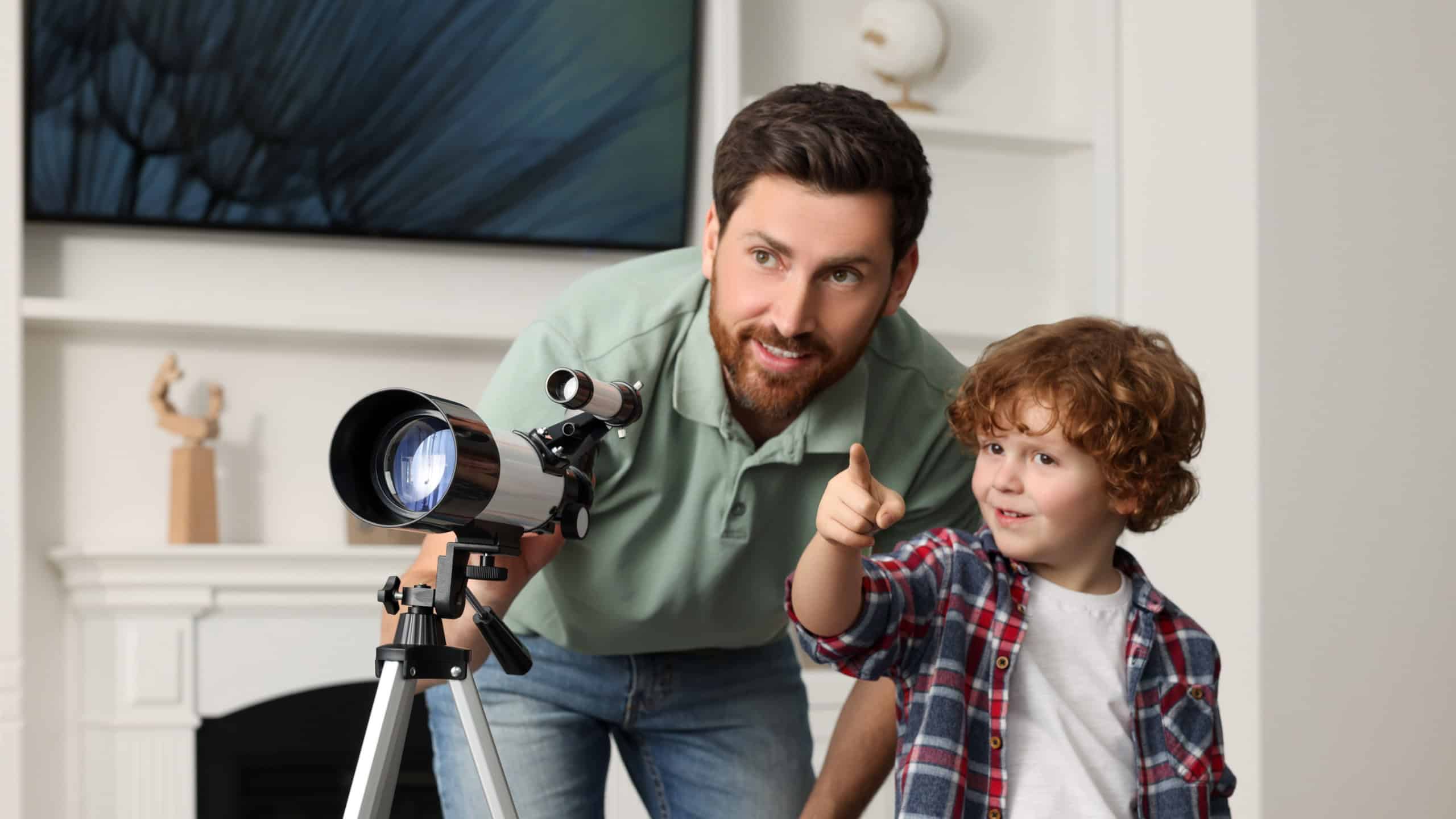
A dad who says, ‘No, I don’t know. Let’s find out’ may not realize how reassuring he’s being. He’s not bluffing because you asked him a question, and he’s not faking his expertise in something either. He’s just admitted to a gap in their knowledge.
He’s then decided to fill that gap with you, and that teaches you something useful without making a speech about it. You learn that not knowing something isn’t embarrassing, but pretending to know usually is.
The address that stayed yours

You should feel grateful if your father told you, ‘You can always come home’ because, well, it shows he’s always there for you. He didn’t say, ‘You can come home if you succeed’ or ‘if you didn’t embarrass yourself too badly.’ He made home a safe place for you.
No matter what problems you face in your life, he’s told you that your home is always going to be there for you. He wasn’t operating it on a merit system. He still expected you to grow up, sure, but he didn’t exile you.
The praise that actually landed

‘I’m proud of you.’ They’re four short words, but they have so much meaning to them. It’s a shame that some fathers don’t say these words enough. Specific praise like this is a lot better than constant generic praise because it connects the words to something real.
Hearing these words from your dad often means the world because it shows your dad really cares about you. You might not have noticed that they saw your effort. But they did, and there’s no greater feeling than that.
The lesson that happened beside you

‘Come on, I’ll show you’ is the kind of phrase you heard before your dad showed you something practical and slightly annoying. It could be how to jump a battery, or it could be how to make eggs without destroying the pan. It doesn’t matter.
The good part was that Dad didn’t just snatch the job away and do it faster himself, as he actually showed you. He let you try. He backed off. This kind of hands-on guidance helps kids become more independent.
The problem that could wait until morning

The line, ‘Get some sleep. It’ll look different tomorrow’ is hardly magic. But Dad had a point when he said it. Yes, he knew that being exhausted made concentration and emotional control harder. It’s a particular problem for teenagers who already tend to run short on sleep.
A dad who said this wasn’t necessarily saying the problem would vanish by breakfast. Essentially, he was trying to teach you the importance of sleep, and not to solve your entire life at 1 a.m. That kind of advice still works when you’re forty.
The confidence loan

It feels very different when your dad says, ‘I know you can do it’ while you’re thinking that you can’t. Dads who say it aren’t promising you’ll solve the problem. They’re just trying to let you know that they’ve seen what you can handle.
They’re encouraging you in a way that can really help you build confidence in your own abilities. They’re not going to do the hard part for you. Rather, they’ll let you figure it out because they know you can do it.
The invitation with an exit
What makes the line, ‘You don’t have to come if you don’t want to’ so important is that it’s not a loyalty test. Dads who use this line trust you to make your own decisions. They’re letting you practice making small decisions for yourself.
That’s pretty important when you’re young, as your home is still a safe place to make them. These sorts of phrases tend to help teenagers adjust in a healthier way when they grow up.
Sources: Please see here for a complete listing of all sources that were consulted in the preparation of this article.
