

Sure, most childhood memories make you feel old, but then there are those that put you in a very specific version of America.
The last thing on the screen
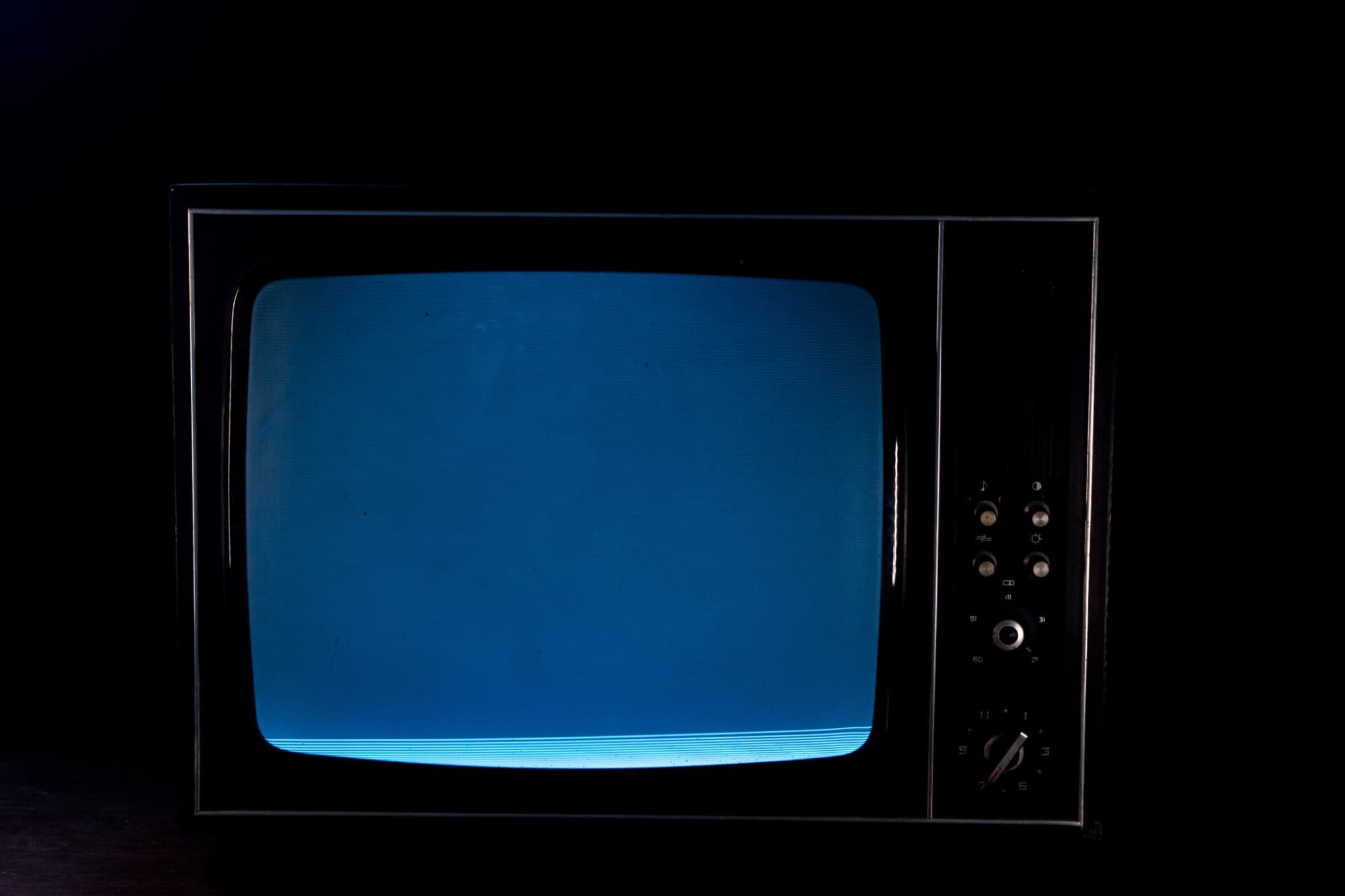
It’s easy to watch TV today. In fact, kids fall asleep with streaming apps still running. But it wasn’t always that way. Boomers remember when TV literally called it a night. The TV stations would sign off at midnight and play the national anthem.
They’d show a station ID. Then you got static or color bars. It wasn’t unusual at all. No, that was how television worked before 24-hour broadcasting existed. You had a specific TV time.
The little store with everything
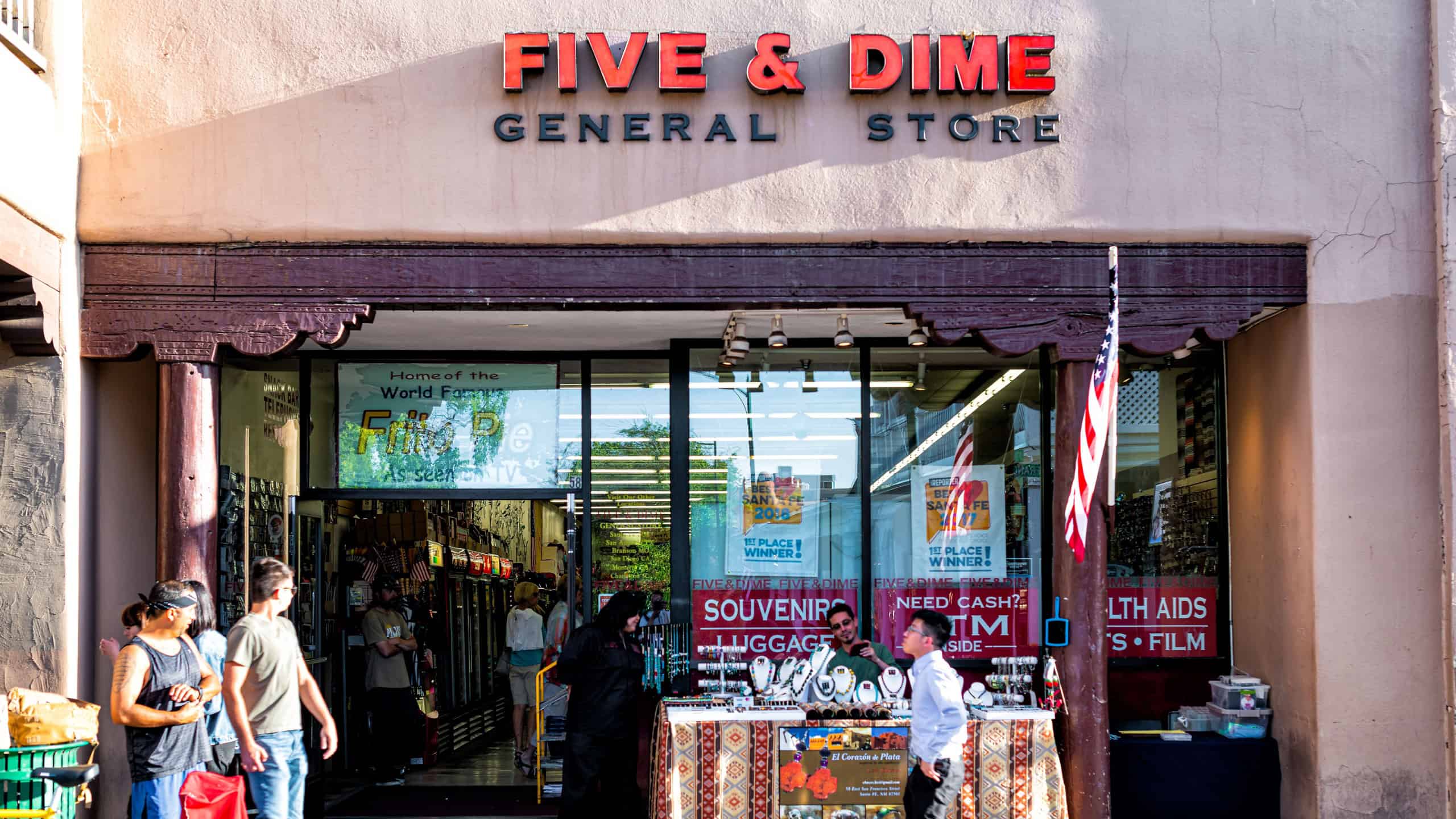
Five-and-dime stores were around before giant retail chains swallowed everything. Sure, we still have dollar stores. But they’re not the same thing. You’d walk into five-and-dime stores for a few things. You’d leave with practically half the store.
It’s all thanks to Woolworth. They made this kind of store pricing popular during the late 1800s, and it was completely ordinary when boomers were kids. There was nothing nostalgic about it. Why? Because it was just a normal Saturday shop with your parents.
The sweet vaccine line
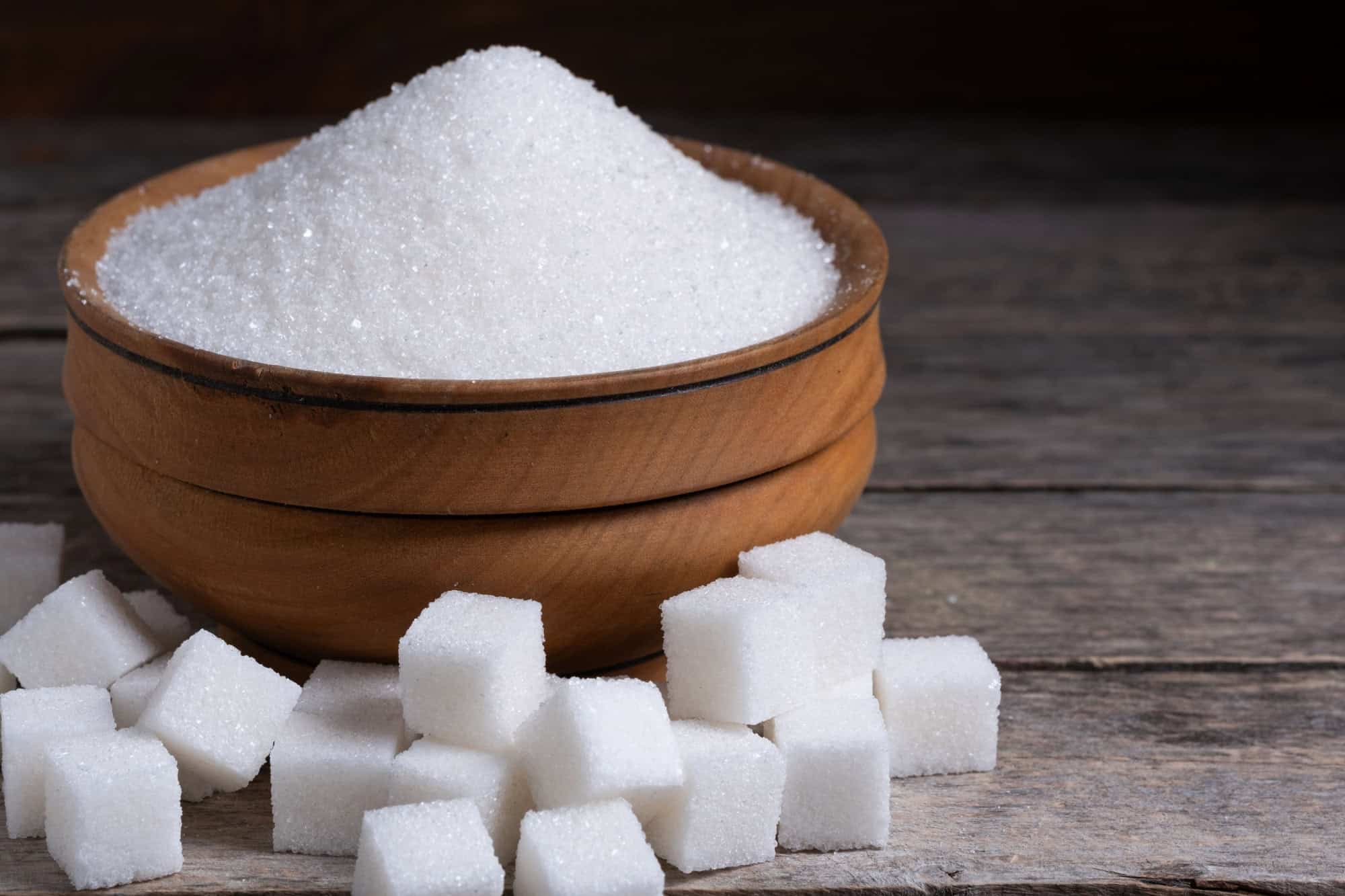
Every generation’s had vaccines before. But boomers have very specific memories of getting vaccinated. They got their vaccines in sugar cubes. Yes, really. The oral polio vaccine rolled out in America during the 60s, and kids didn’t get it through needles.
They got a cube from a nurse. It was pretty smart, honestly. Many kids thought it was candy before they swallowed it. If only getting vaccines could be as creative today.
The puppet hour
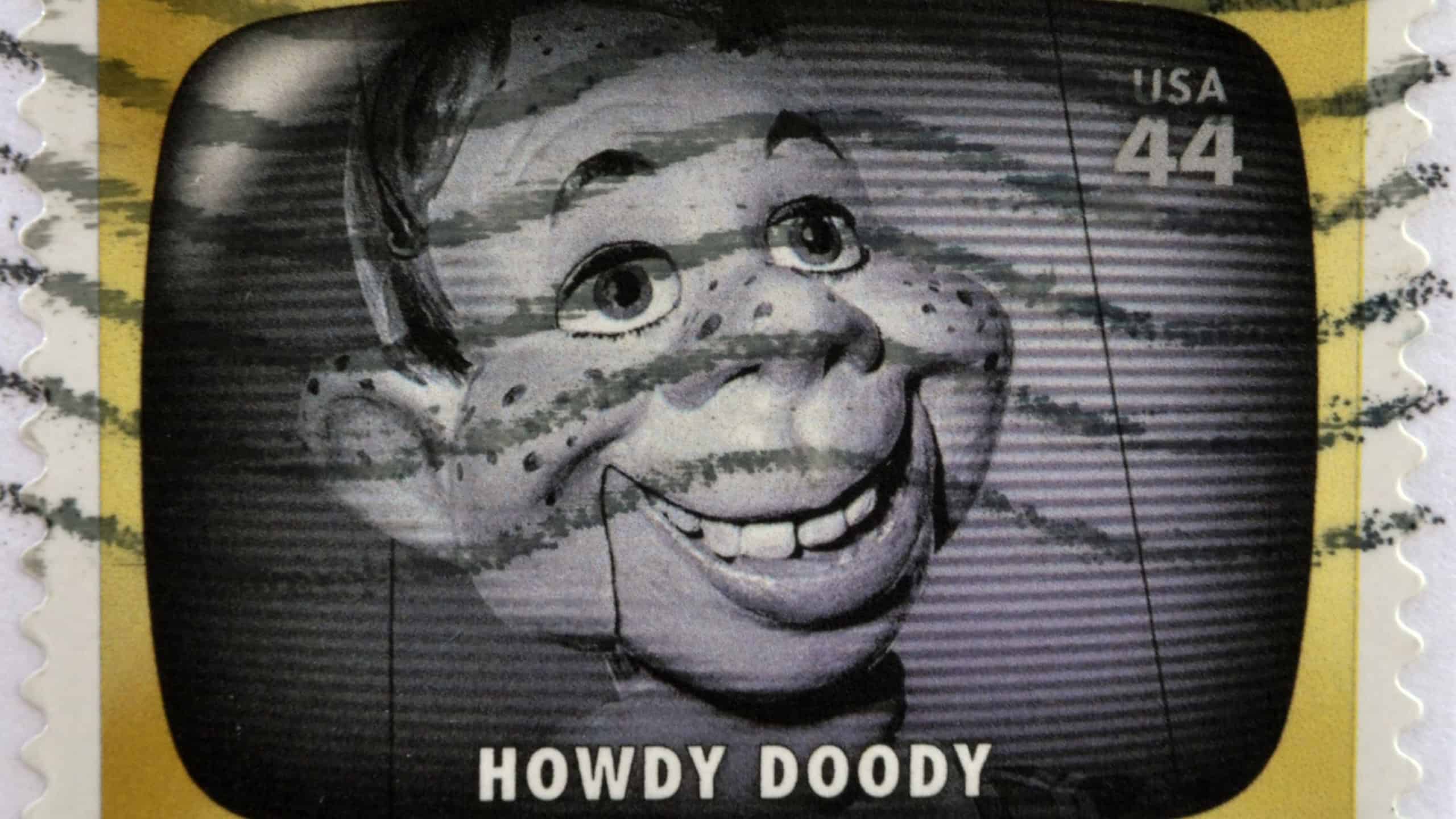
One thing boomers remember from their childhood is Howdy Doody. Every kid took it seriously back then. Sure, it was just a puppet with 48 freckles. But he became one of the biggest stars on American TV. Kids rushed to the TV because he was on.
The name ‘Howdy Doody’ is just a joke or an old reference for other generations. But not for boomers. They remember how exciting it was. Sitting to watch it live on TV? There was nothing else like it.
The cars with wings
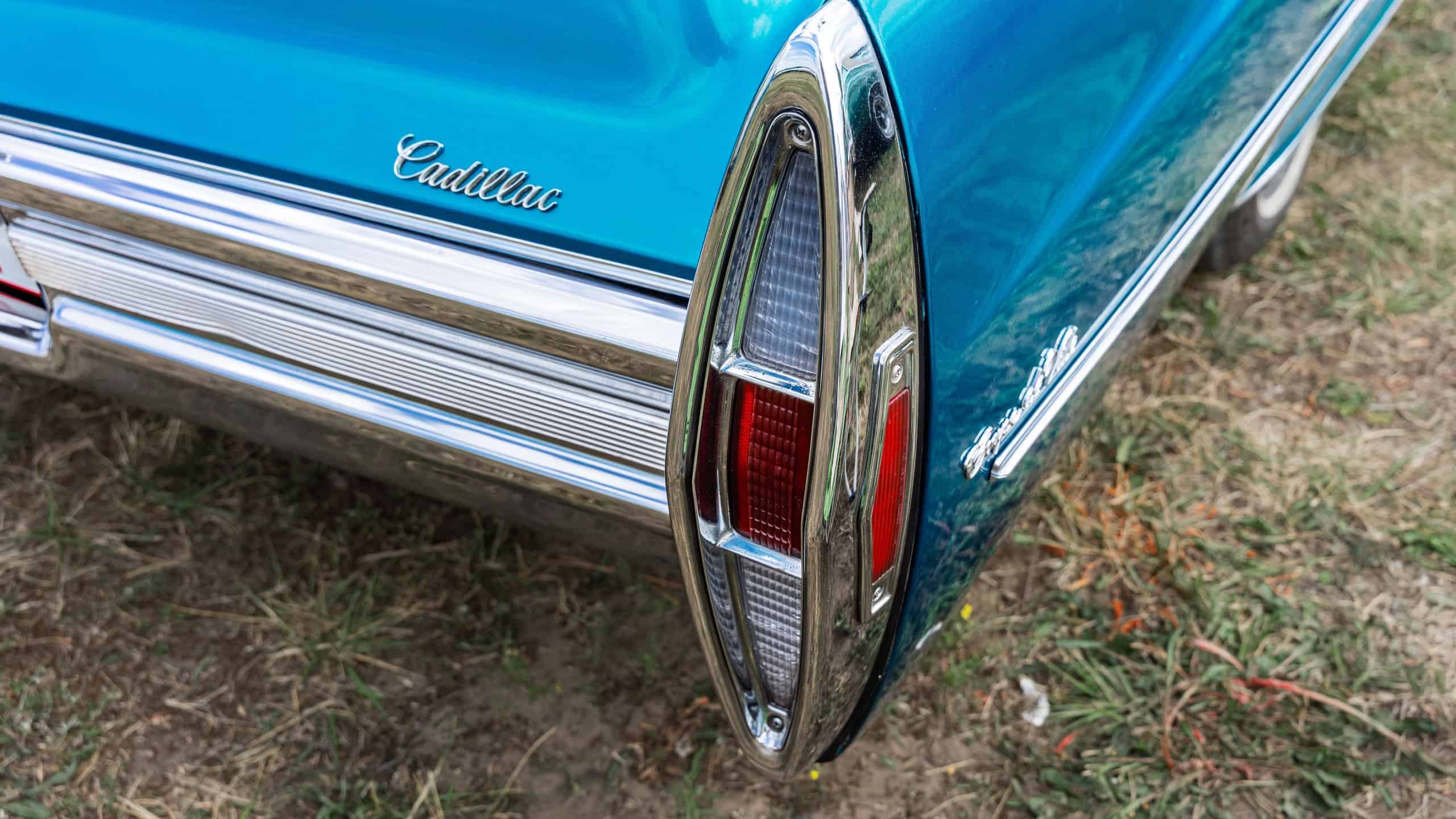
Giant tailfins on cars look dated today. They didn’t use to be. Yes, boomers remember a time when they were completely normal. It started with models like the 1948 Cadillac. They were a regular part of American cars.
Nobody called them ‘classic’ in those days. They were cars. Regular cars. They had big chrome and long bodies. The best fins? They were the ones sharp enough to notice from half a block away.
The fresh paper smell
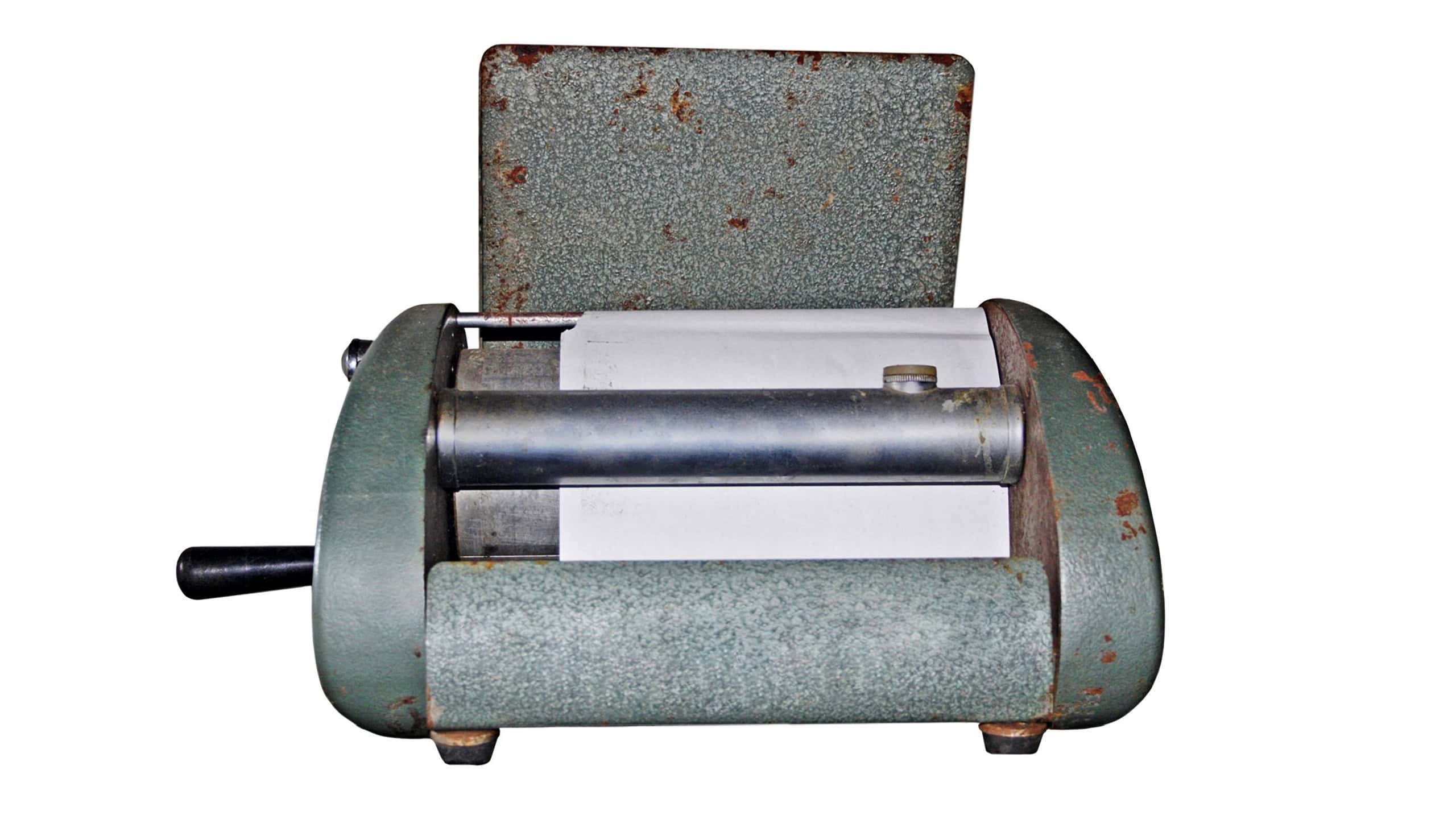
Classrooms were completely different in those days. But not in the ways you might expect. Classroom handouts, for one, weren’t the same. They came with a strange, sweet chemical smell. It’s all thanks to the mimeograph and spirit duplicator machines.
They existed long before laser printers. Sometimes, the pages felt a little damp when they hit your desk. It didn’t matter whether you loved the smell or thought it was weird. You wouldn’t forget it.
The key in your pocket
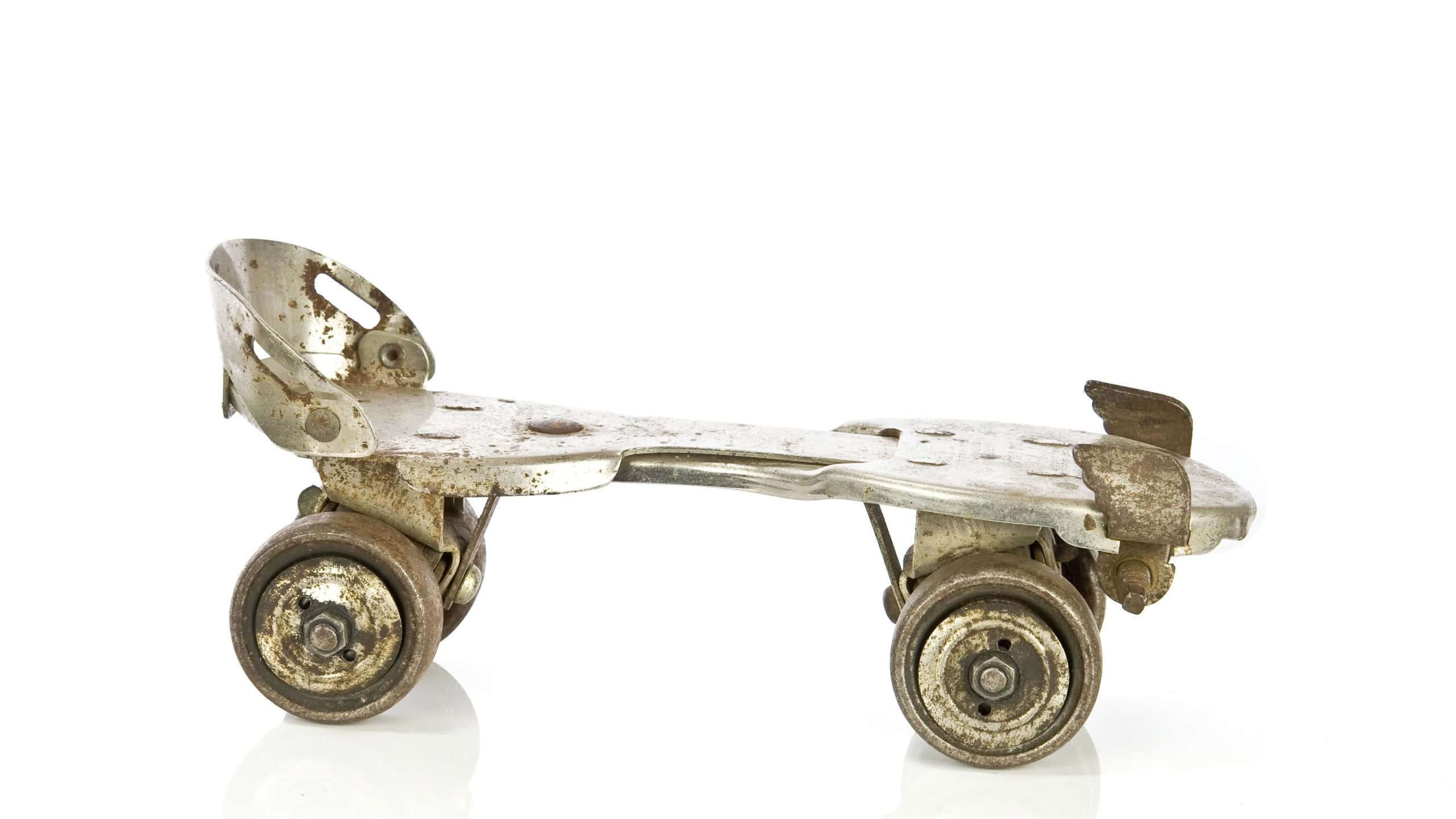
Rollerskating was a whole thing. You couldn’t just throw them on and go outside. No way. There was a process. First came the metal skates that you’d stretch to fit over your shoes. You’d tighten the straps. Then came out the tiny skate key, the one part you absolutely couldn’t lose.
There was no skating without it. Clamp-on skates like this were all the rage. The Smithsonian actually still has some of them. But boomers remember a time when they weren’t behind glass.
The hard landing zone
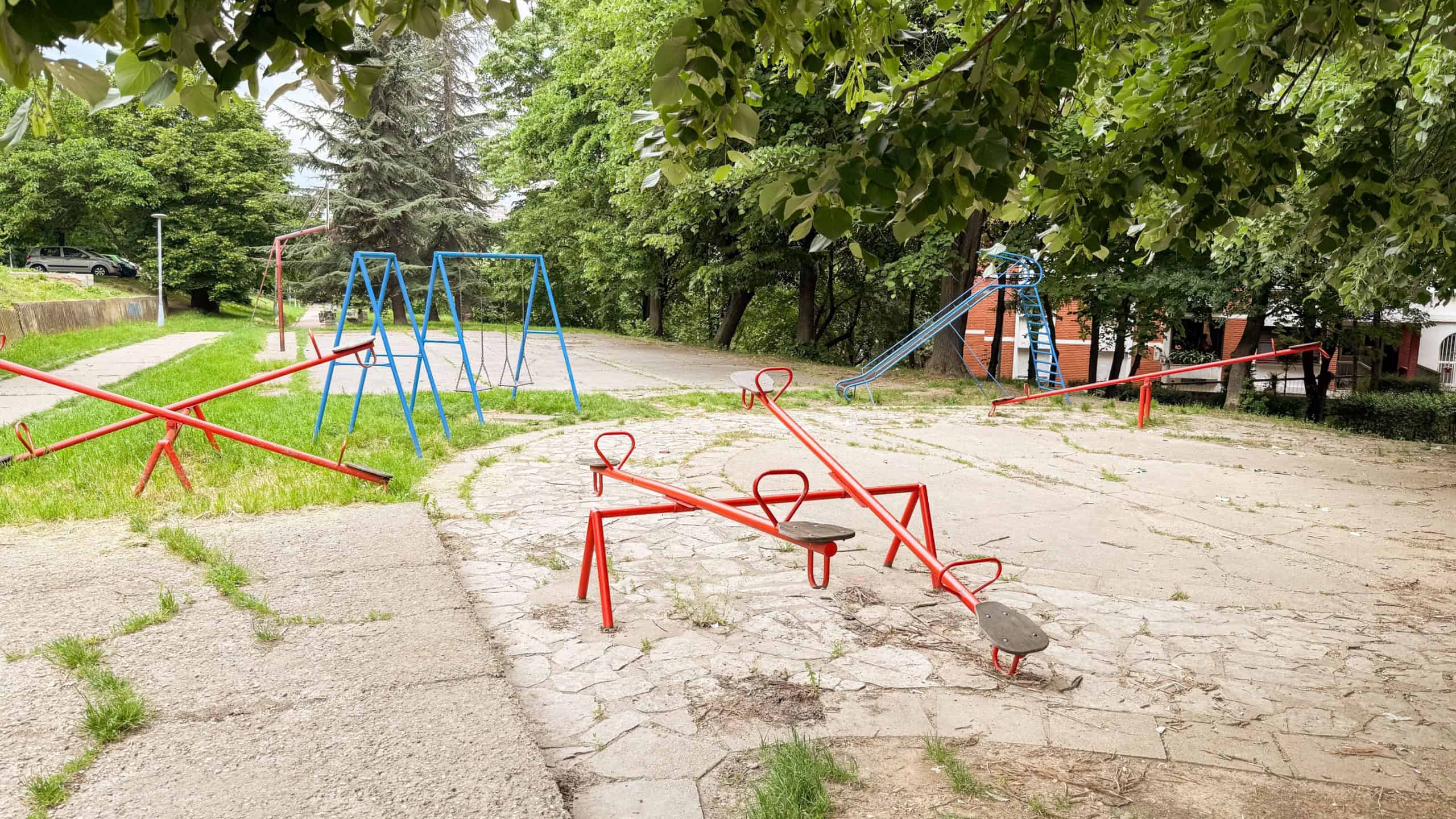
Nowadays, kids fall onto rubber mats. Boomers didn’t. Their playgrounds were made from steel and concrete. The dirt underneath was the only thing protecting your fall. It didn’t matter how hot the slide got. You went down anyway.
Yes, playgrounds were a lot more dangerous back then, but that was part of the fun. Seesaws slammed hard. Monkey bars were higher than they needed to be. It felt like more of a challenge than something that’d actually hurt you.
The man at dinner time
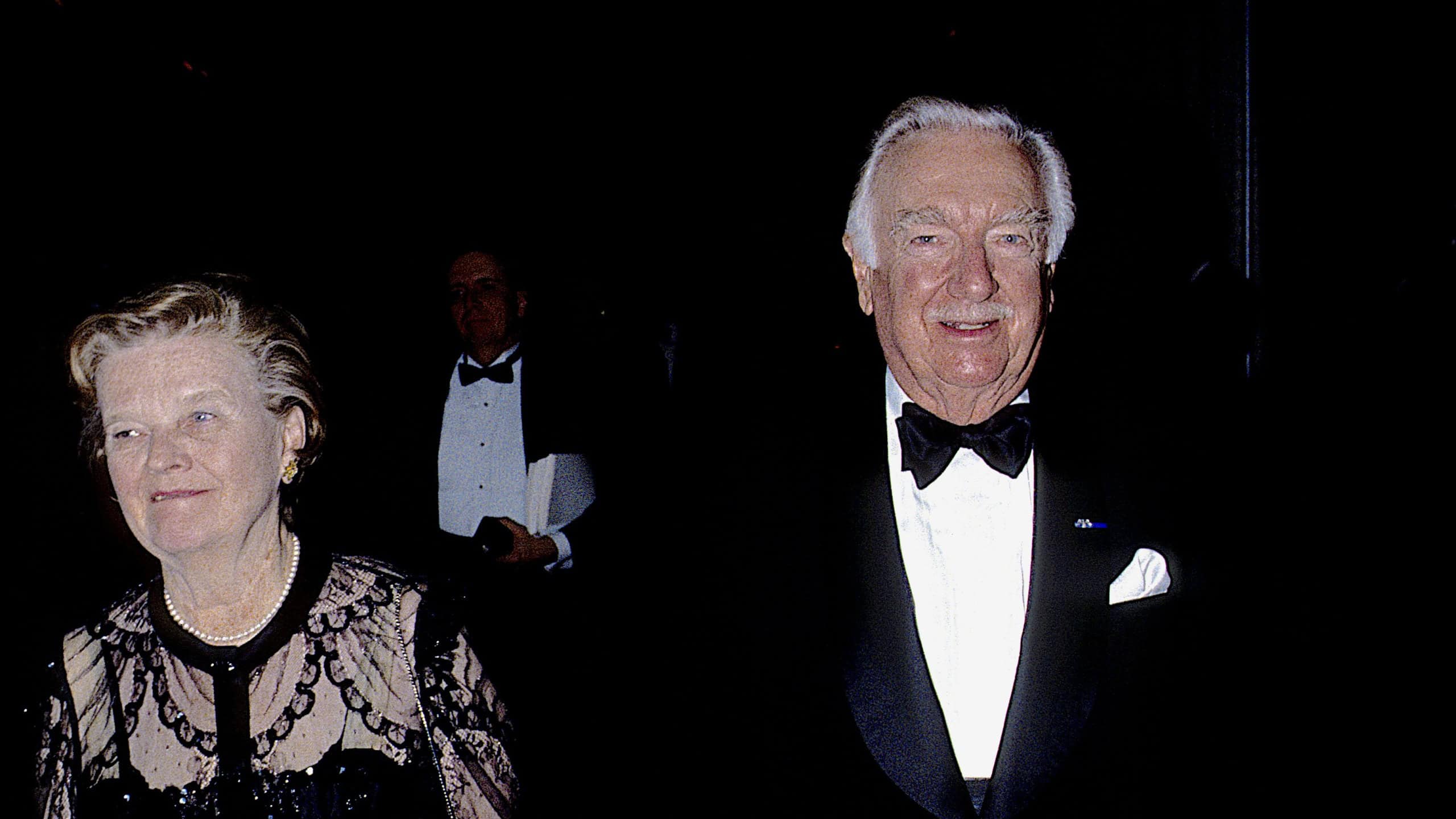
Boomers remember trusting only one person for the news. It was Walter Cronkite. When he came on, nobody argued about what to watch. His voice became part of your evening meal. Boomer kids didn’t understand everything he was saying, of course.
But they knew one thing. Adults stopped talking when Cronkite was on. Simple as that. He became a sort of nightly routine that doesn’t really exist anymore, and hasn’t been around for many years.
The voice that connected you

Making a phone call meant involving another person. It’s weird to think about now. However, anytime you wanted to phone long-distance or reach someone in another city? You’d ask the operator for help. It wasn’t a novelty.
Boomers remember that. They remember a time when direct dialing wasn’t that normal, and you needed the switchboard to help you out. The ‘operator’ wasn’t just something from a black-and-white movie.
Sources: Please see here for a complete listing of all sources that were consulted in the preparation of this article.

