
If you see some of these bizarrely repurposed things lurking in your home, chances are you know the unspoken arithmetic of a low-income household.
Drying bags
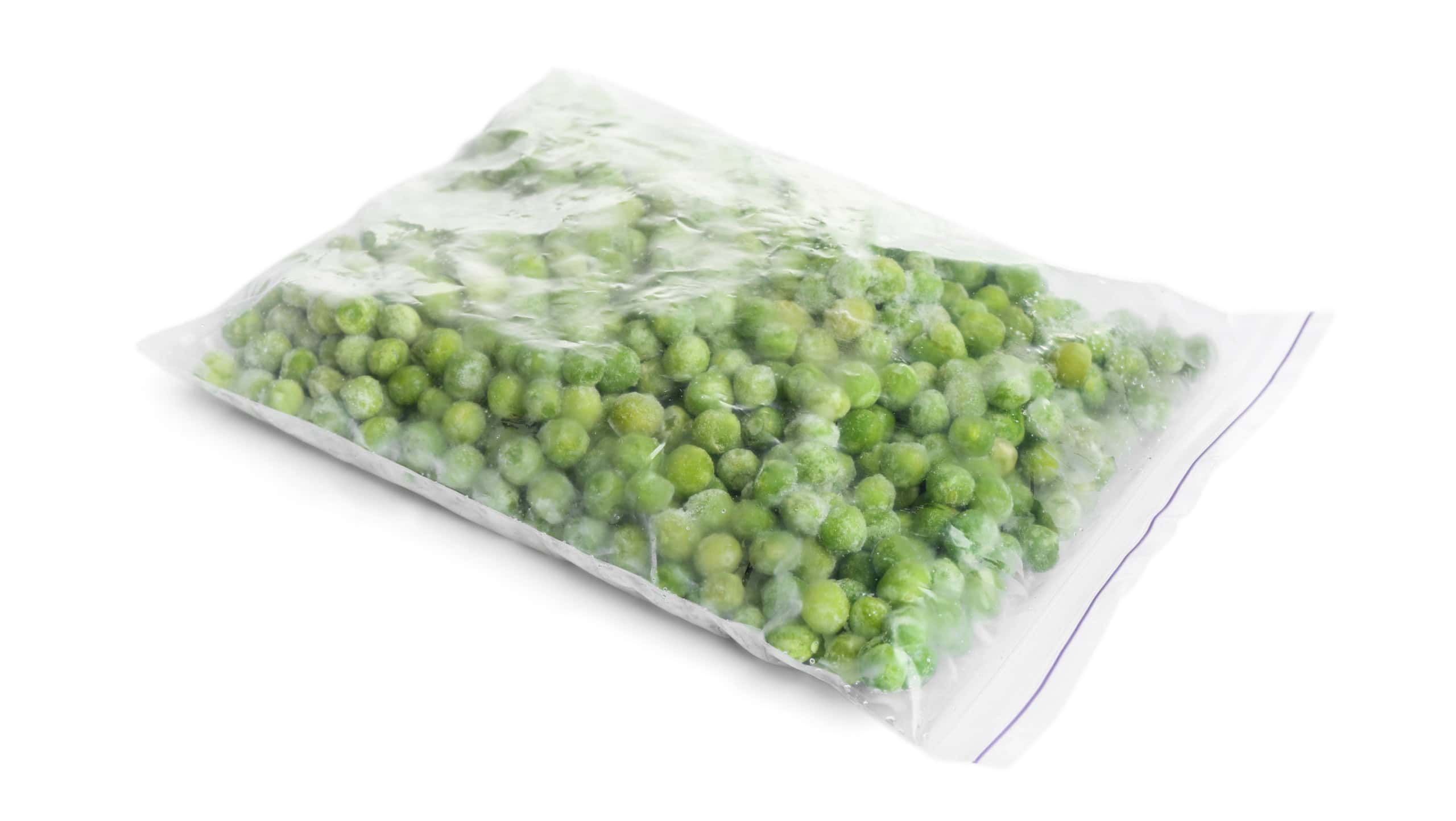
If your household fell somewhere in the middle-class range, plastic storage bags were considered disposable. But if money was tight growing up, every Ziploc bag was viewed as something you’d use again and again.
You probably grew up seeing faded sandwich bags draped over the kitchen sink faucet or stuck to the window bending to dry. Washing and reusing something that society told you was disposable felt like a sin.
However, with regular washings, one box of bags could easily last you a whole year.
Covered couch
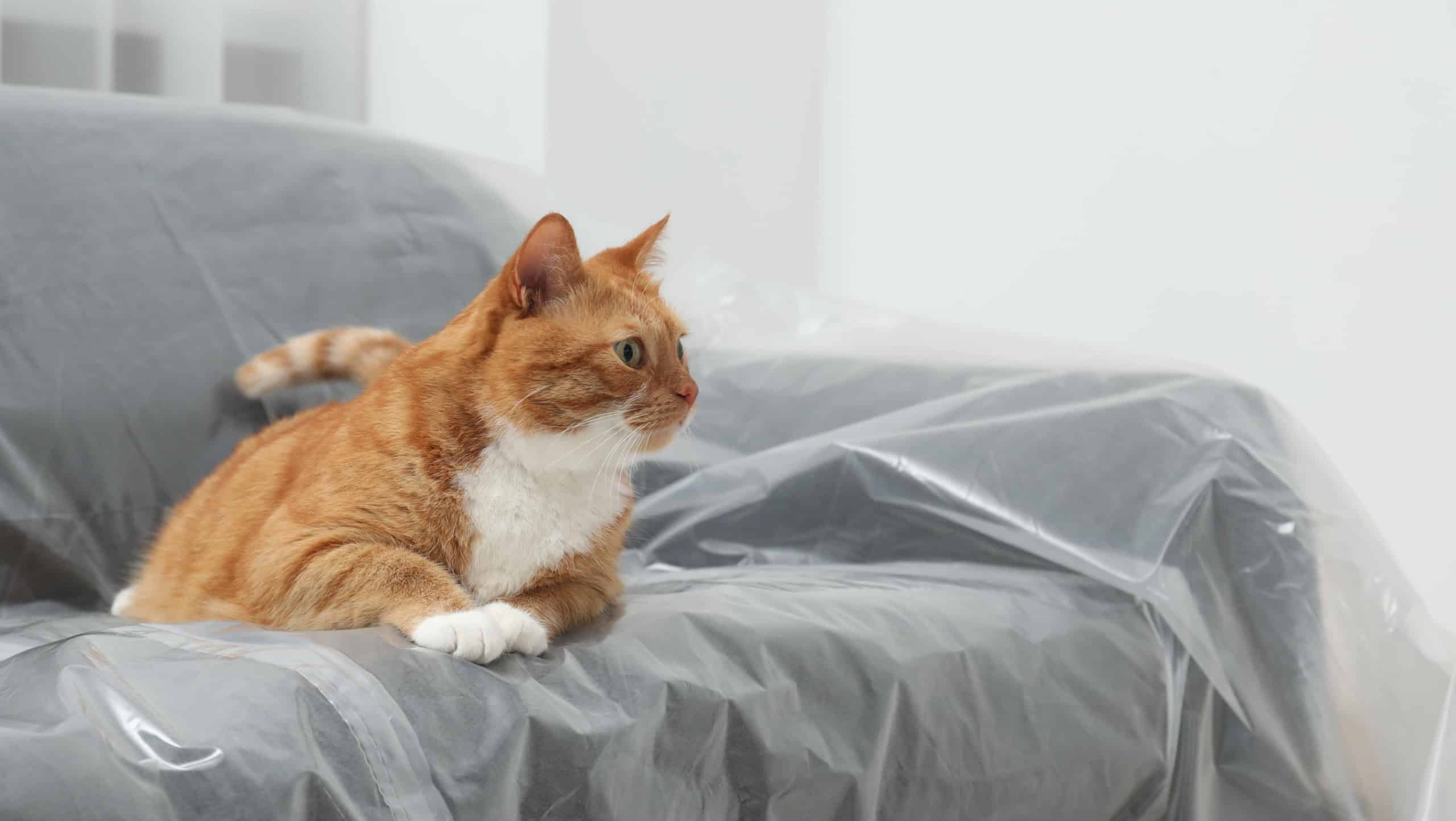
Even though there was one designated chair or sofa in the living room that could fit an entire family comfortably, nobody sat on it.
Why? Because moving those itchy plastic slipcovers to sit down proved too great of a temptation. Instead, you sat on the floor because mom was trying to keep the good furniture from getting ruined by kids.
Even on holidays, you weren’t allowed to peel back that stupid sheet. Those couches were built to last longer than the house.
I recall many Sundays, trying to be silent during grown-up chats, accompanied by the rustle of that plastic.
Odd helpers

Since there was no money to waste on a repairman, those bread bag little plastic squares ended up becoming some sort of all-powerful bandage.
You might have seen them attached to a heap of power cords that weren’t labeled right, or maybe they were keeping your flip-flop from falling apart.
Either way, twist-ties and bread tabs were never thrown away. They were just tossed together in a kitchen drawer, ready to mend whatever broke.
Last drops
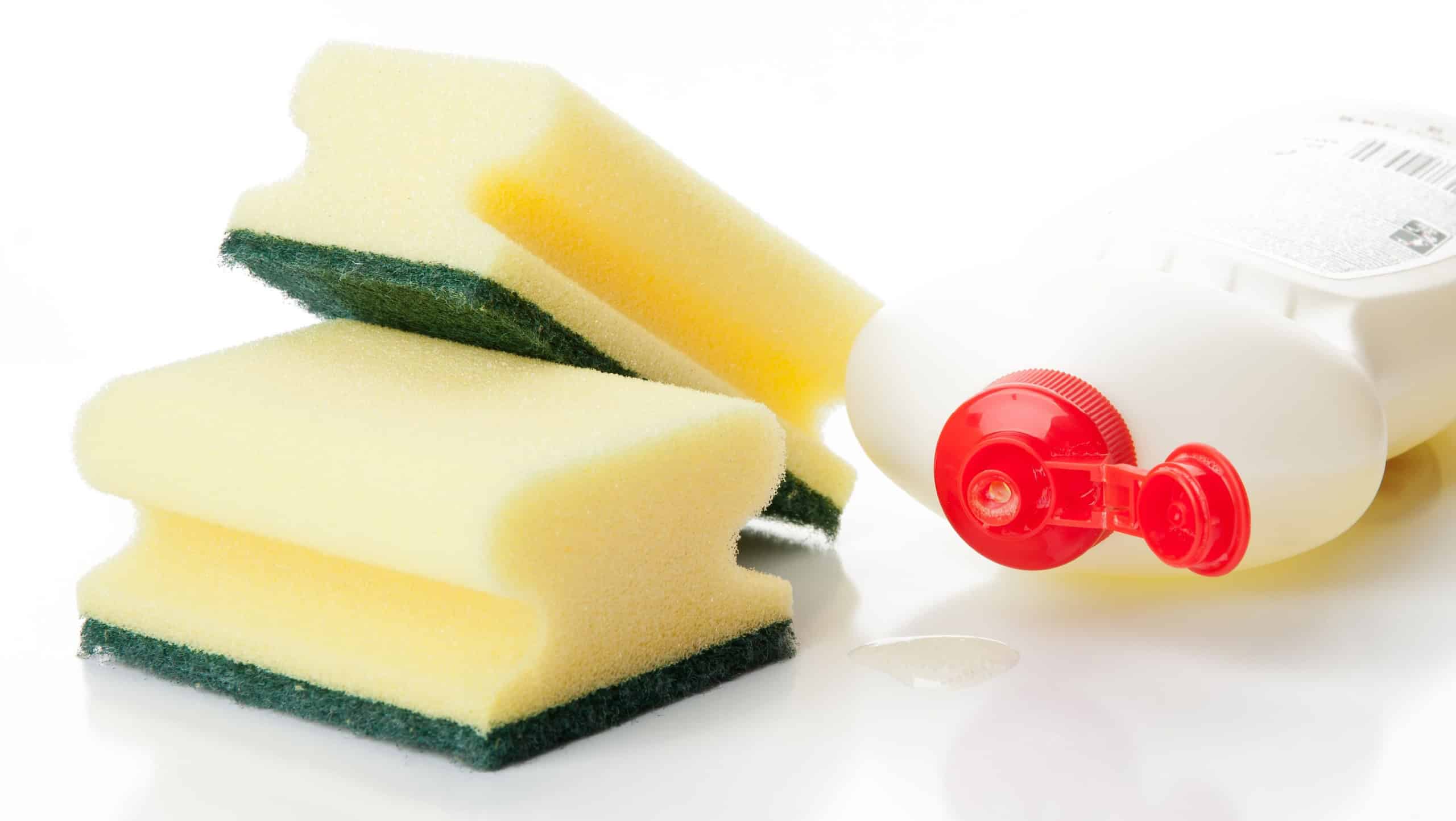
Picture this: You reach for the dish soap or shampoo, ready to give it a good squeeze. It’s empty. You have reached the last inch.
It doesn’t mean running to the store. It means pour water into the bottle and make-do.
It was your parent’s sneaky way of procrastinating another grocery run for just a few more days.
Blue tins

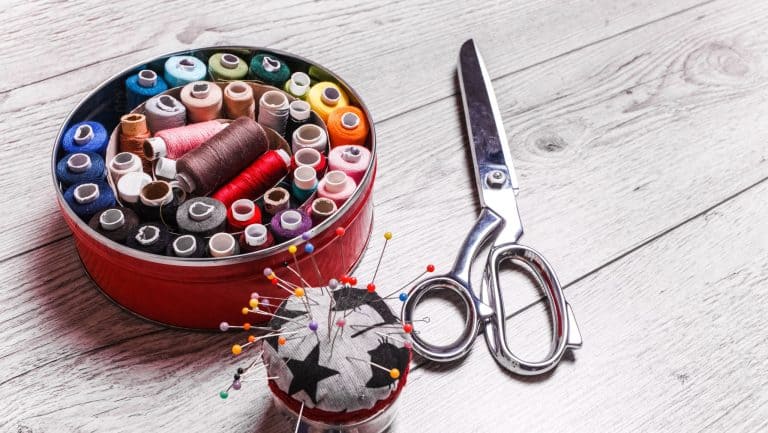
Discovering needles, thread, and stray buttons inside a royal blue sewing tin instead of cookies was a small disappointment you never quite forgot.
Nothing edible went into those tins in many households. They were too good to throw away, too useful to not repurpose.
Odd set
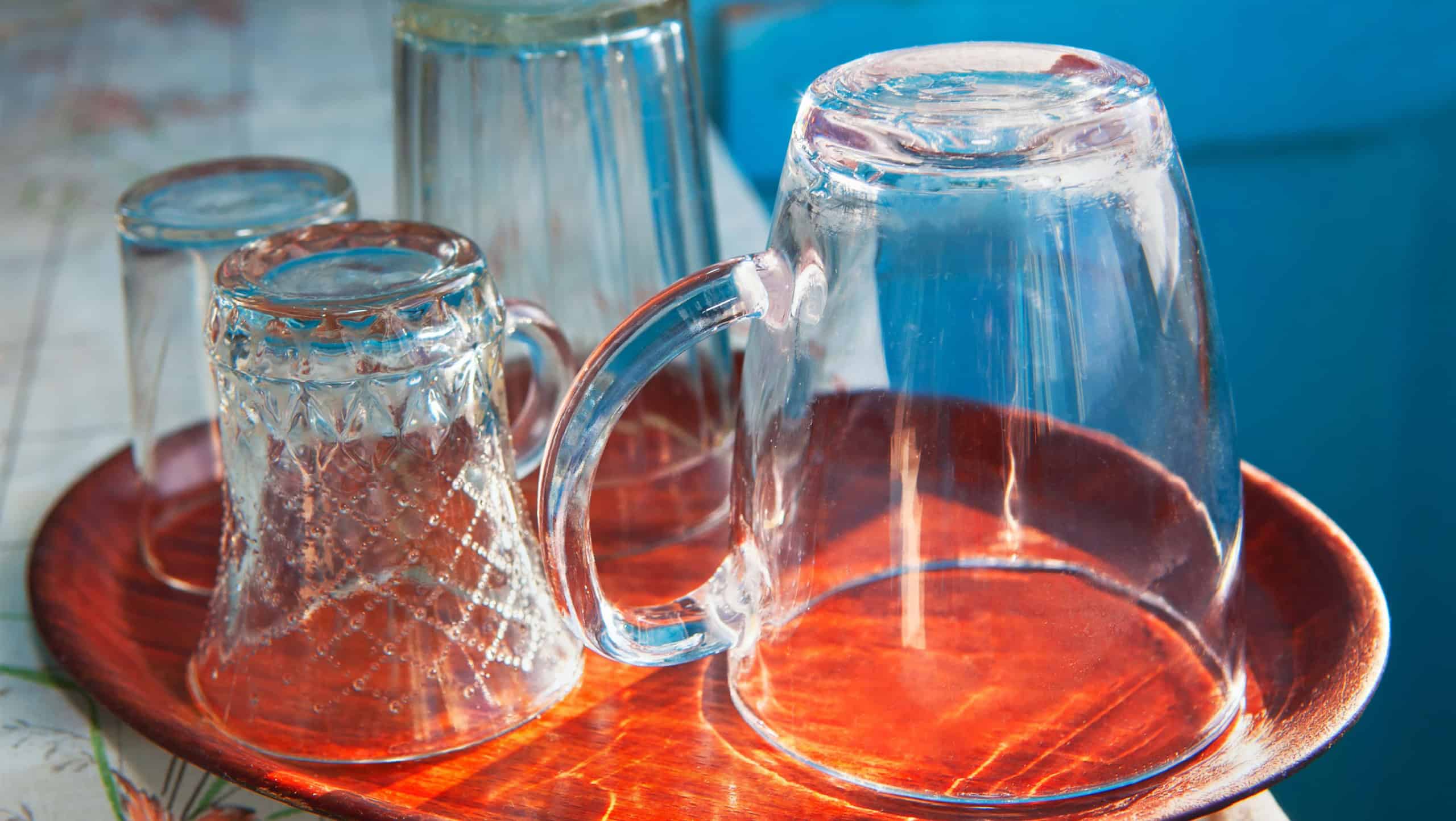
Your kitchen cabinets were likely stocked with glasses that didn’t match.
You could have a Shrek movie promo glass. You could have a mug from a bank giveaway that is chipped. You could also have a jelly jar you rinsed off and started using.
Matching wasn’t really something you thought about. These were simply the vessels you used for your daily drinks, as a matched set seemed entirely superfluous.
Flush trick
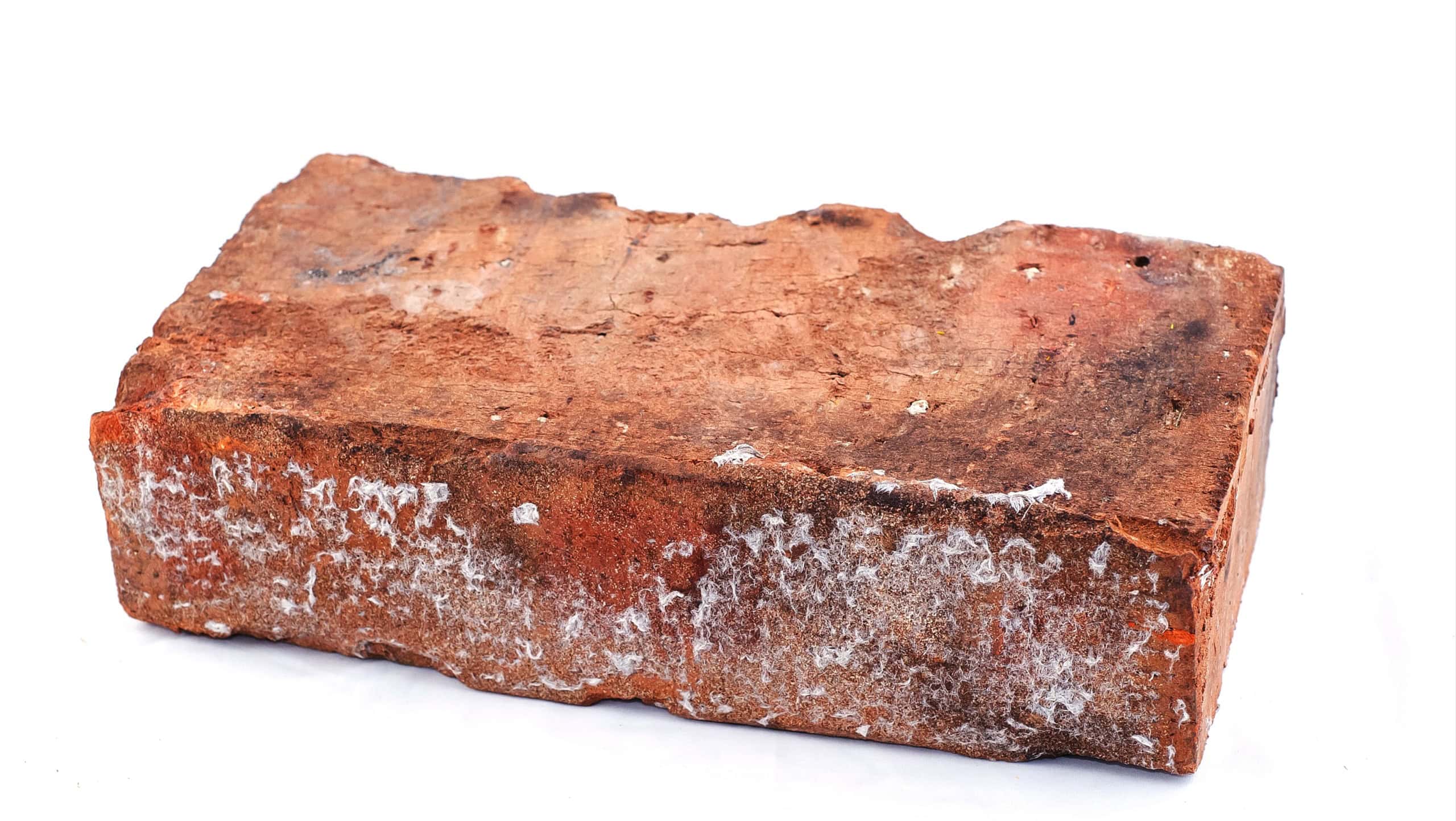
Did you ever happen to notice a brick, or maybe a can of sand, resting in your toilet tank?
That wasn’t an oversight by the plumber; it was someone’s ingenious solution for displacing water so your toilet would use less water per flush.
Every penny saved on utilities was another penny that could be spent at the grocery store or put toward gas money.
Spare bits
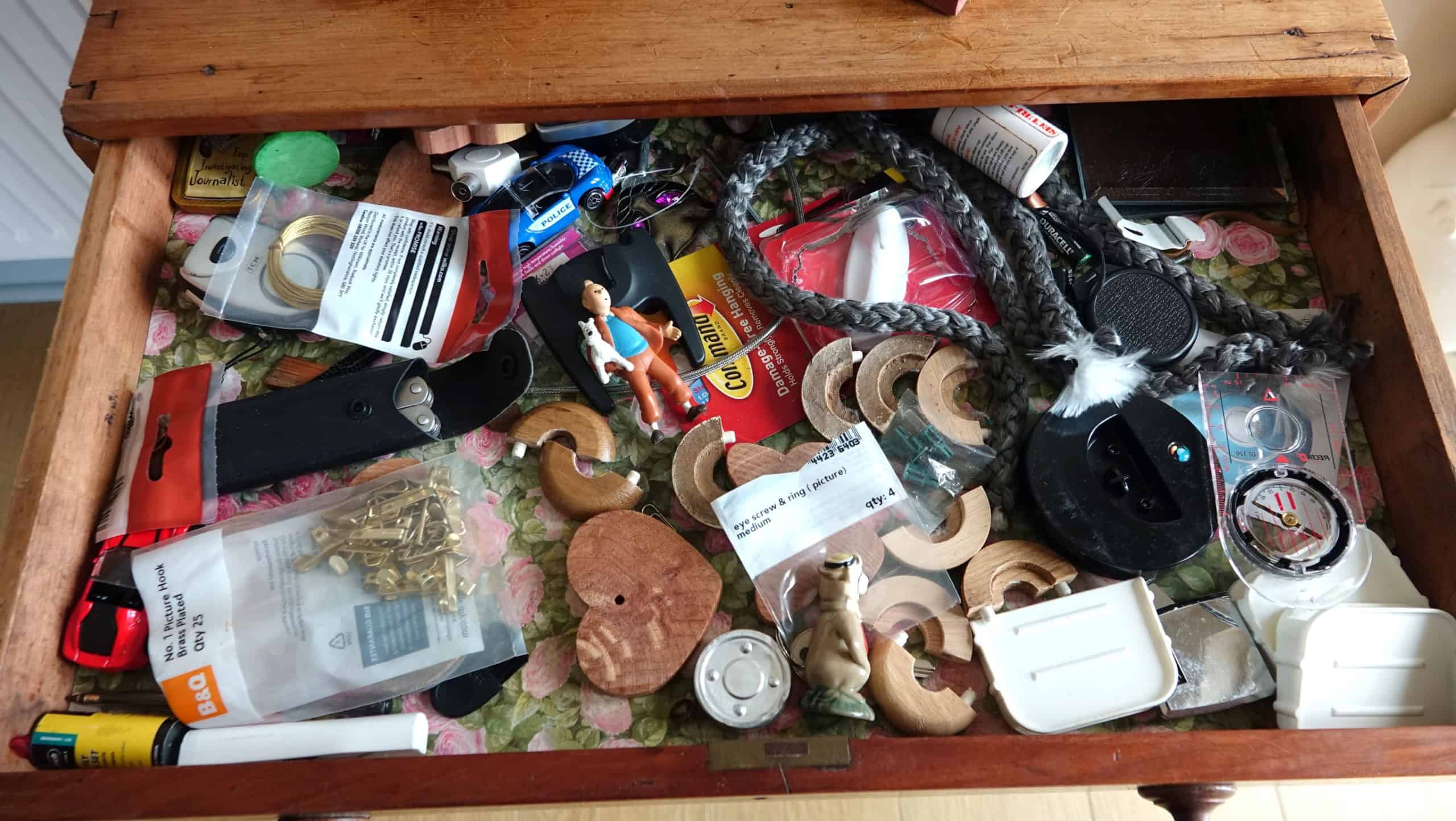
Sure, every household has a junk drawer, but if you grew up poor that drawer was a treasure trove of “may-come-in-handy” junk.
It was overflowing with keys to doors you no longer had, almost-dead batteries that could probably work if you rubbed them together just right, and miscellaneous screws picked up off the floor.
You never once thought to throw out a screw, because you knew that as soon as you did, something would inevitably break and need that particular size.
Window layers
Heavy blankets or extra bedsheets were used to cover windows instead of curtain rods.
Fastened with heavy duty thumbtacks they fulfilled two purposes: providing total seclusion and a buffer against chilly, poorly sealed windows in winter.
Buying actual curtains was never high on the list when you could achieve the same effect free of charge.
Throughout the day, a dim, amber glow would fill the room as the sun strained to get through the paisley pattern of Grandma Mildred’s favorite quilt.
Fridge stack
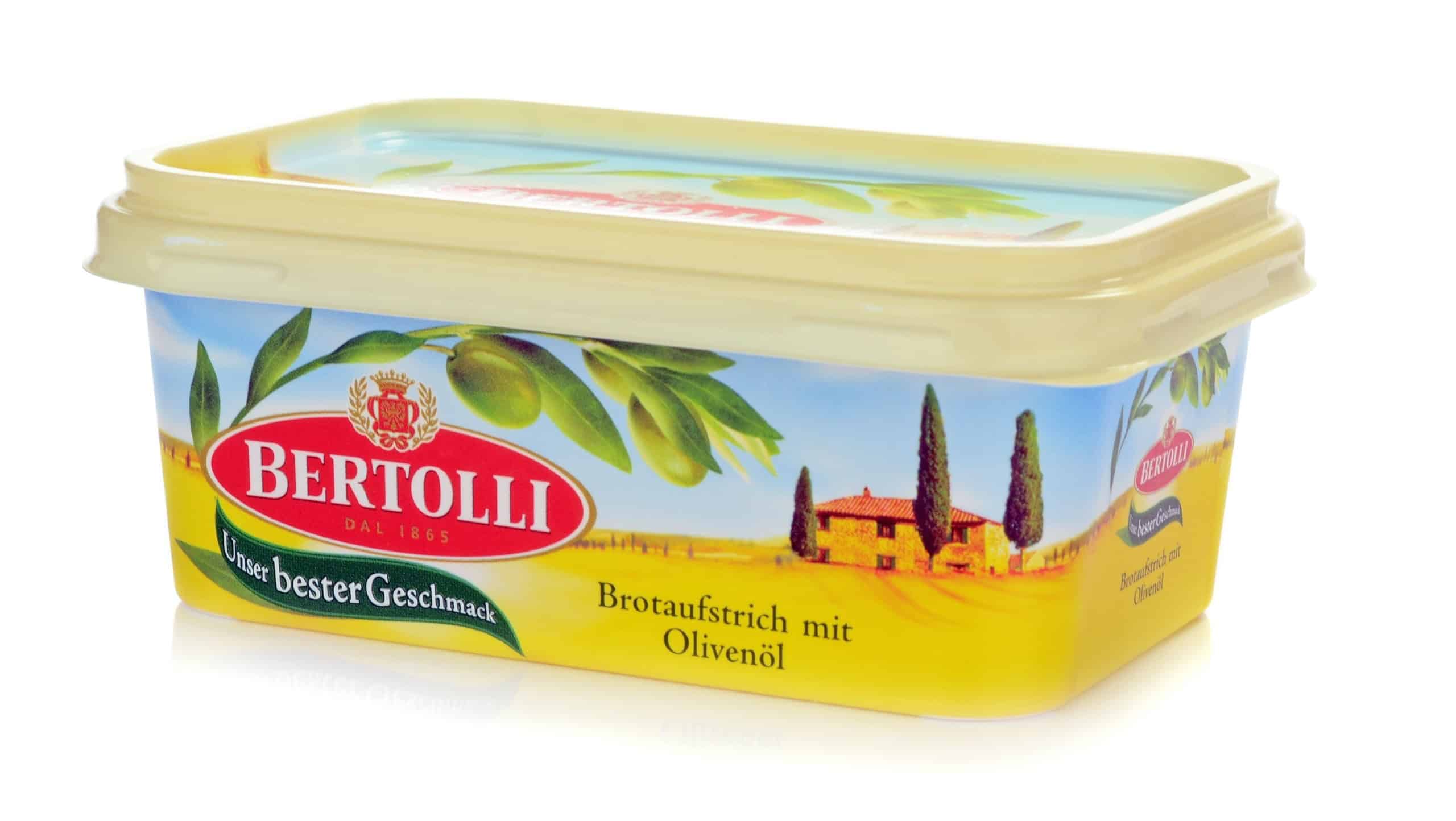
Frugal folks would scoff at the idea of spending money on brand-name Tupperware when you could use any of those perfectly good plastic tubs margarine or sour cream comes in.
You probably grew up opening the fridge to grab the container labeled “Cool Whip,” only to discover leftover spaghetti or frozen soup inside.
They were light, easy to stack, and best of all, you got them for free with the food.
Oven glow
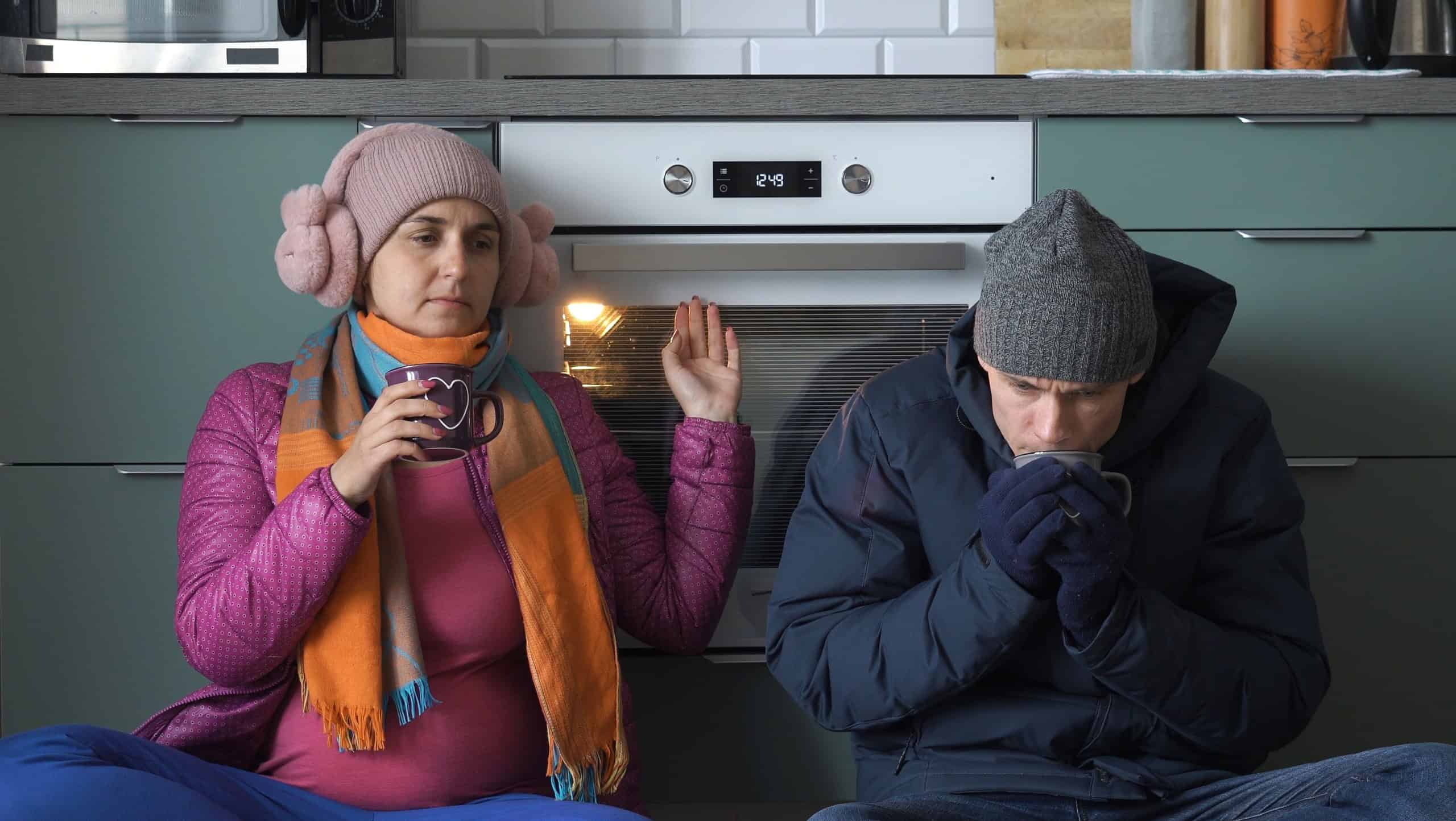
When the nights turned cold, the cooking chores didn’t wrap up just because the buzzer rang; they wrapped up once the oven was switched off and its door was left ajar.
Opening the door permitted the remaining heat to radiate into the kitchen and adjoining rooms, wringing every last ounce of warmth from the electric/gas bill you already paid.
It wasn’t uncommon for family members to linger in the kitchen, seeking that last bit of free warmth.
Used envelopes

Phone messages, grocery lists, and reminders were first written on the blank backside of your utility bill envelope or in the margins of your Sunday circular.
Buying a proper notepad or a bunch of Post-its felt like a splurge when the mail constantly offered up free paper.
That overdue notice or sweepstakes entry form often ended up with To-Do lists scrawled on it.
It was your way of getting back at businesses that never stopped trying to take your money.
Bag bundle
Behind the pantry door or underneath the sink sat the bag of bags. It was a giant, overstuffed plastic bag filled with hundreds of other grocery bags. These weren’t discarded after one use.
They were liners for every little wastebasket throughout the house and doubled as wrap for drippy shoes or lunch goo.
Nobody in their right mind would have used a real trash bag for a small bathroom bin. Wasting cash on such a thing was simply unthinkable.
Thanks to this swollen plastic cocoon, you never had to purchase one roll of small garbage liners during your entire life.
Sources: Please see here for a complete listing of all sources that were consulted in the preparation of this article.

