

We’ve heard someone say something that sounds kind of reasonable, but only the smartest of us get that nagging feeling that there’s a lot more to the story.
The agreement nobody checked

There are some people who love saying, ‘Everyone knows that,’ and it’s particularly common to hear it during an argument. But only smart people recognize the problem here. This phrase doesn’t make it clear who exactly everyone is, and it could simply be their friends.
Maybe it’s just the three people they spoke to yesterday. Either way, they’re pretending there’s group agreement on the situation when, chances are, there probably isn’t. Someone with good critical thinking skills knows that having some people on your side doesn’t make something a fact.
The answer that seems obvious
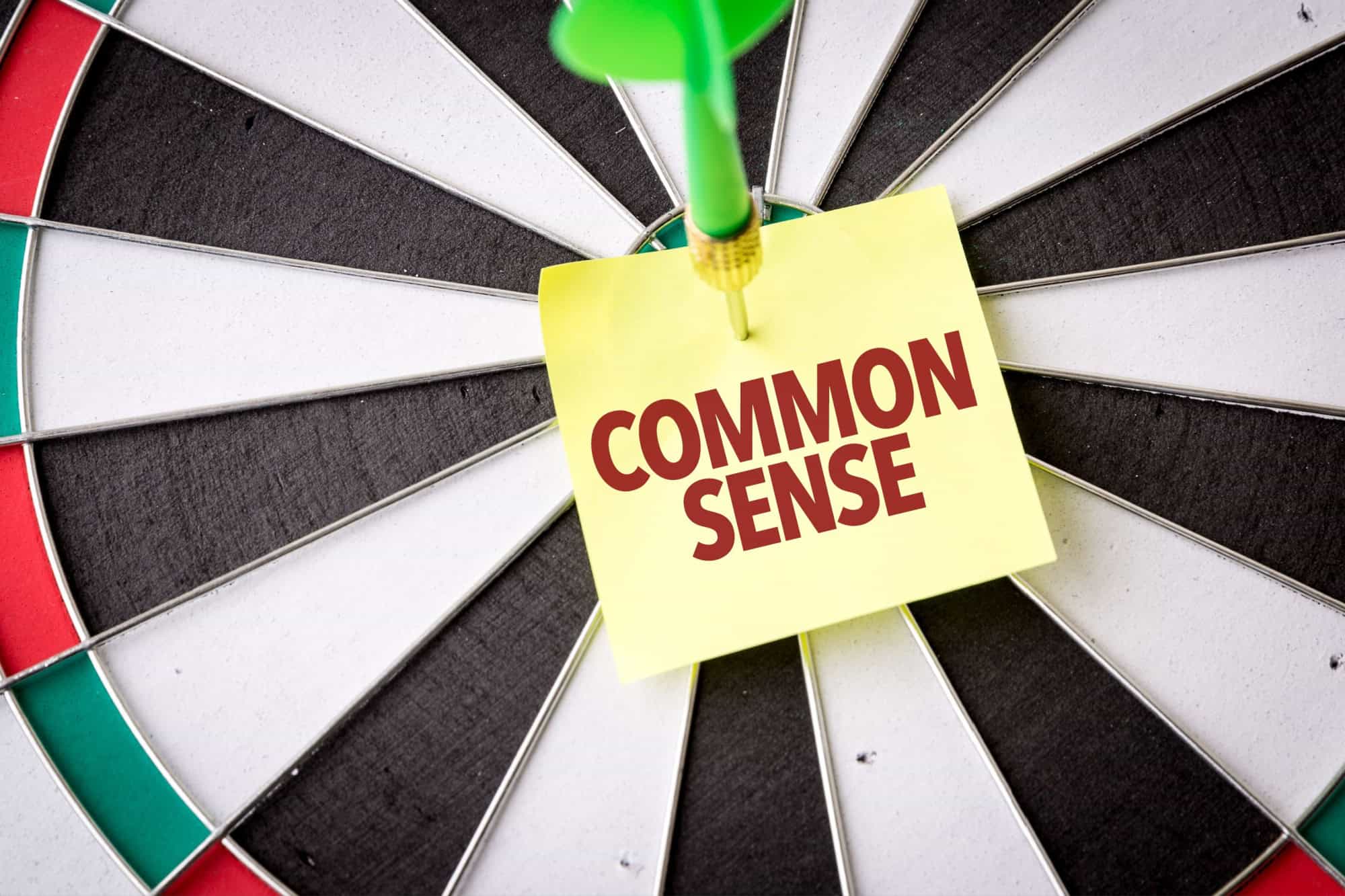
Whenever someone doesn’t want to explain themselves, they’ll probably rely on saying something like, ‘It’s just common sense’. Perhaps they genuinely believe it. The thing is, smart people understand that common sense isn’t a universal thing, and it depends on many factors.
It depends on what you’ve experienced and what you’ve been taught. In fact, just hearing something enough times might make you think it’s common sense because it’s so believable. Only intelligent people question whether it’s logical or simply repetition.
The innocent explanation

It’s so easy to be convinced that someone else is telling the truth because, well, ‘There’s no reason they would lie.’ No reason that you know about, anyway. Smart people recognize that lies aren’t always caused by obvious things, and we don’t always know everything about another person’s situation.
Highly intelligent people aren’t somehow better at spotting lies. But they are better at recognizing that other people may have unclear reasons for lying, and they’re a lot more wary about ruling out motives they don’t see.
The impressive scientific claim

Nothing quite makes an argument more believable than the phrase, ‘It’s scientifically proven.’ It just seems so reliable. The thing is, smart people know that scientific findings aren’t always definitive. Even researchers can reach conclusions that later evidence challenges.
Science is there to support an argument, but it can’t prove anything by itself. Besides, a phrase like this doesn’t even explain what kind of ‘science’ was involved, as it could be a flawed study or something else unreliable. These people are suspicious of such sweeping claims.
The news that never arrived

‘If it were true, we’d have heard about it.’ It would be nice to live in a world where that kind of thinking could be real, and it’s only highly intelligent people who recognize that we don’t. They know that there are many genuine news stories they might’ve missed because they were busy.
Major developments can easily pass people by. Let’s not forget the important findings hidden away in medical journals, either. The truth is, having no evidence for something is very different from having no idea whether the evidence exists, and smart people get that.
The personal success story

There’s always that one person who swears by something because, ‘It worked for me.’ Maybe it did. There’s no reason to assume that they’re making up their experience, of course. Yet smart people know that anecdotes aren’t enough by themselves.
They’re well aware that someone’s personal story is exactly that, their personal story. It’s not a fact, and it’s not something that should apply to every other person because that’s not how the world works. What was successful for you might be a failure for another.
The figures that sound convincing

Numbers have a way of making almost anything sound official. You hear that gas prices have fallen by 50%, and you might think that’s true because ‘The numbers don’t lie.’ True, they don’t. But the person telling you about the numbers might be lying.
They could be twisting the numbers to make them seem a certain way, and they might be hiding certain information to make sure that the numbers look good. The digits could be accurate. But you’re not getting the whole picture.
The success nobody defined

It’s a similar story with the phrase ‘The results speak for themselves.’ Highly intelligent people recognize that results don’t always tell the whole story, especially when important context is missing.
The person presenting those results can influence how they’re understood, and that kind of distinction is really important. Questioning who’s telling you facts, not just the facts, is a highly intelligent trait.
The opportunity with a deadline

Some offers have a habit of disappearing the moment you start asking questions. Funny how that works. The person giving you the offer may say something like, ‘It’s a once-in-a-lifetime opportunity,’ as a way to convince you to do what they say.
It’s only smart people who can see through that. They know it’s a pressure tactic, and they’re not going to let someone else’s artificial deadline cloud their judgment. No, they’ll take the time to think through the decision. If it doesn’t work out, well, then it doesn’t work out. No big deal.
The silence mistaken for approval

You’ll never catch a smart person mistaking silence for approval because it’s just not their thing. That’s why, when they hear the phrase, ‘Nobody complained before,’ they start getting suspicious. They understand there are other factors at play.
Take, for example, a terrible company policy. Maybe the reason nobody complained is that the employees were too worried they’d get in trouble, so they didn’t bother to say anything. That doesn’t make the policy any better, however.
The explanation that gets skipped

‘It’s not worth getting into the details’ is quite a convenient way of ending a conversation, and it’s one that people will use when someone else starts asking difficult questions. Very smart people are suspicious of all of that.
Yes, they recognize that the details could include some important information that completely changes their answer. They know that boring details are sometimes the most vital. So, they’re keen to look at all the details when it comes to a problem, rather than brush them off.
Sources: Please see here for a complete listing of all sources that were consulted in the preparation of this article.
10 complaints you’ll never hear from intelligent people

Smart people get annoyed like the rest of us, but the difference is that they don’t have some of the most common complaints.
