

American homes looked very different in the past, and some of them featured items that have practically disappeared from modern homes, meaning you’re old if you remember having them.
The kitchen’s favorite color
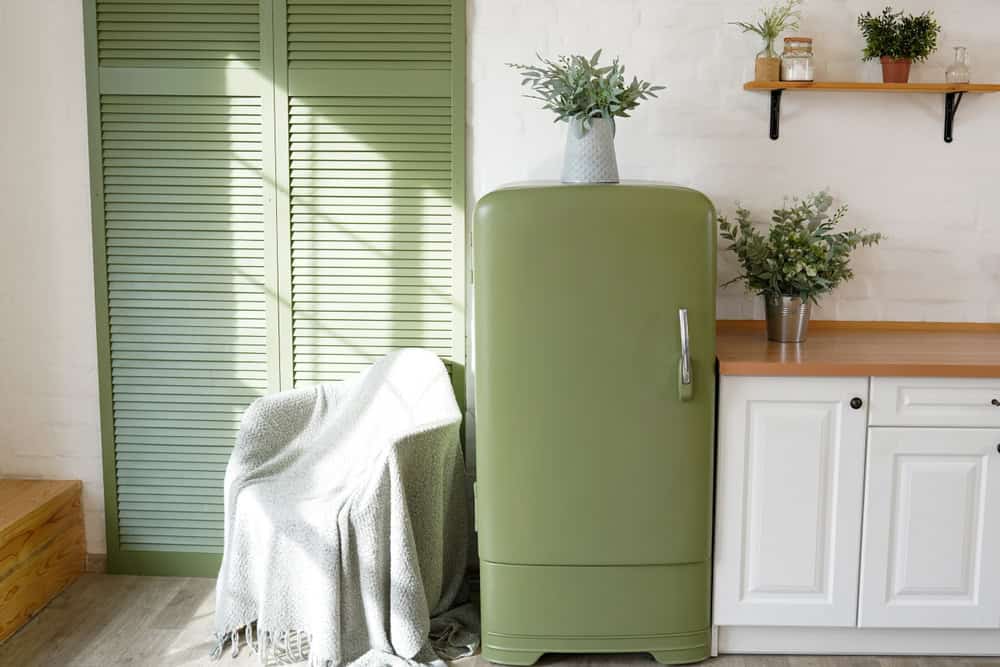
It’s weird how popular avocado green was during the 1970s, and for some reason, people thought it was the perfect color to use for a refrigerator. Other appliances came in this shade, too, like stoves and dishwashers.
You could also get harvest gold and coppertone varieties. But really, it’s the avocado green shade that most people loved, right until the 1990s, when companies introduced all-white designs instead.
The phone in the hallway
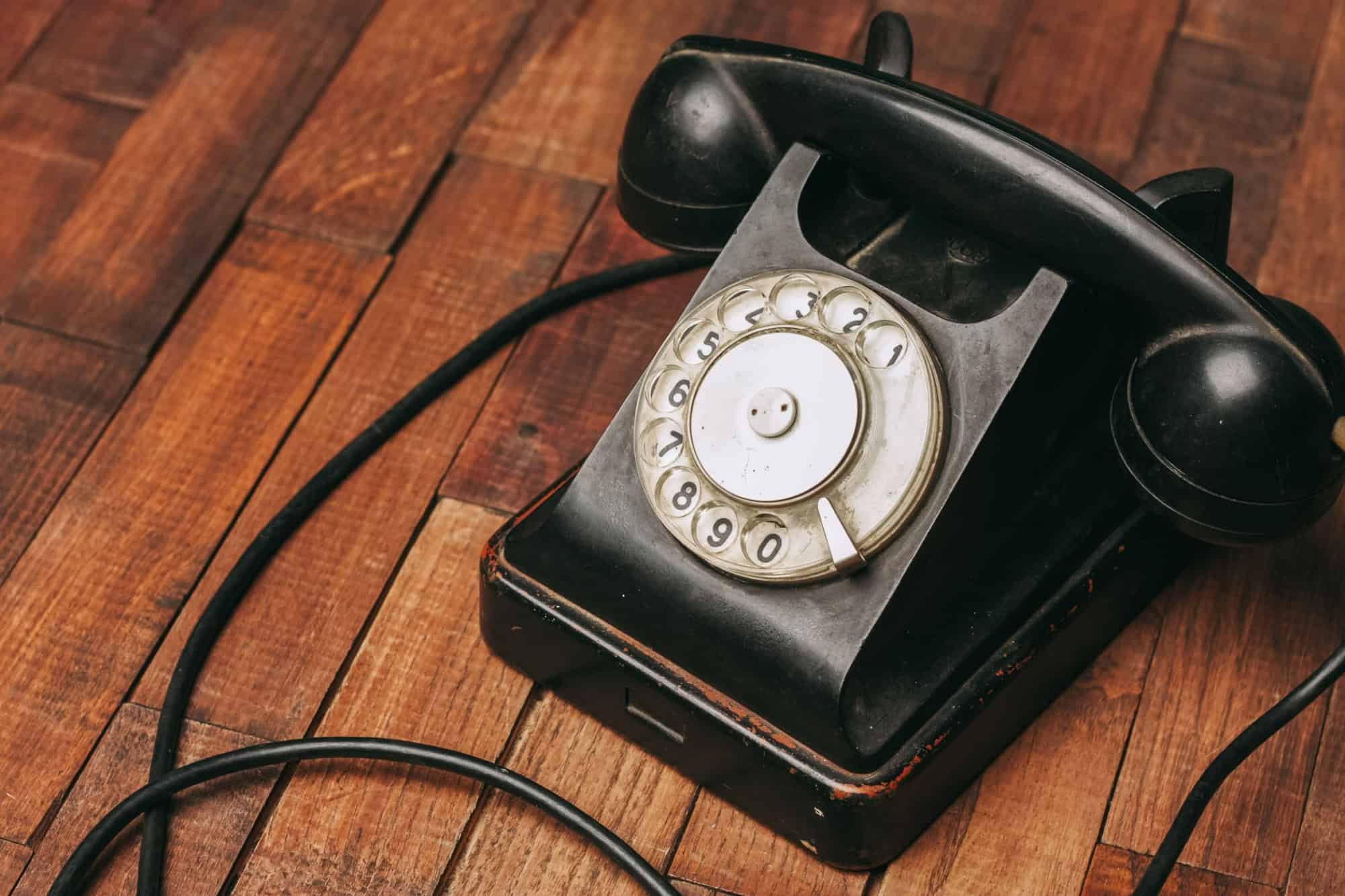
It was a lot more of an effort to make a phone call in the past, and that’s because you used a rotary telephone to do so. These involved putting your finger in a hole and turning the dial all the way around. Then you’d wait for it to spin back.
Anytime you got a number wrong, it felt like a disaster, as you’d have to start all over again. Rotary phones were a fixture in many American homes for quite a few decades. That’s why, if you remember having one, you’re likely old. It’s not a bad thing, though.
The little blinking light
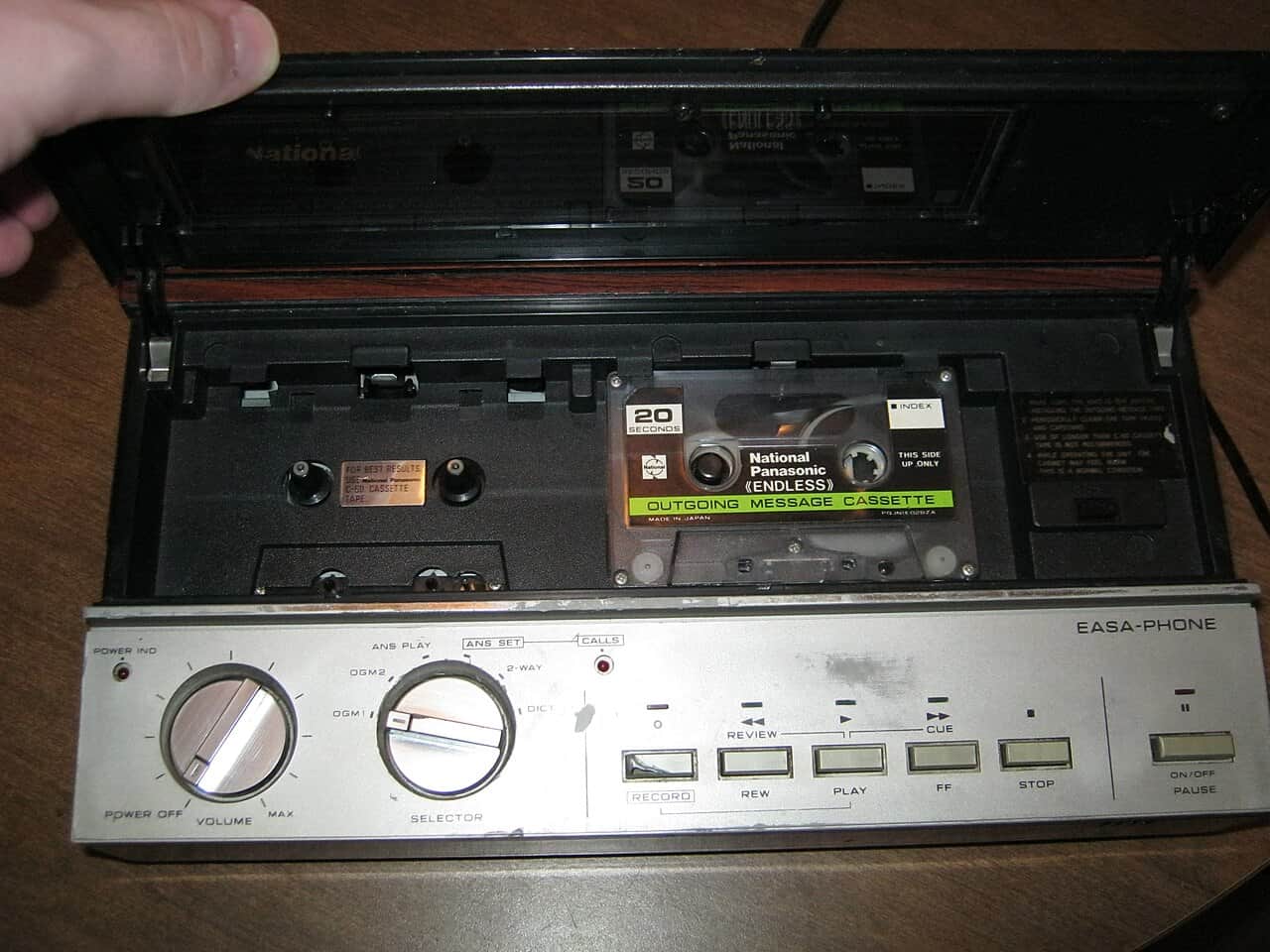
That’s not all for telephones. Many people grew up with a physical answering machine next to their telephones, and that’s because voicemail wasn’t quite widespread yet. These machines would record messages onto cassette tapes. They felt so futuristic.
You’d struggle to find any today in anyone’s house, or even in a thrift store. Our phones record messages automatically, so there’s not really a point in buying a separate machine. Only people who are a little older will remember having one of these.
The carpet that needed grooming
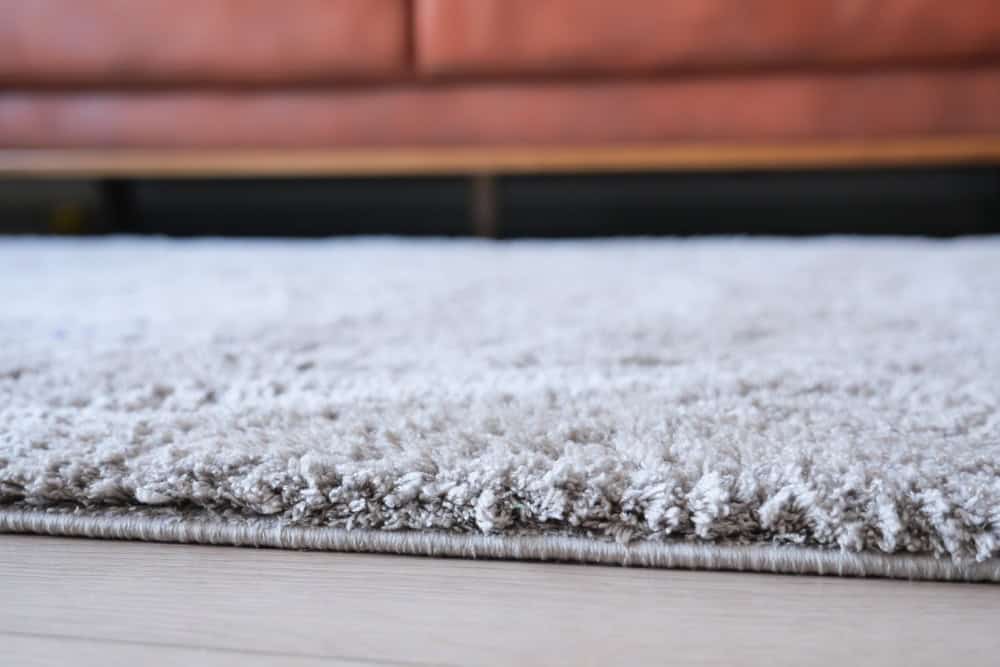
Try telling a young person today that they need to rake their living room carpet. They’d probably just laugh at you. That’s because they have no idea about shag carpeting that used to exist in the past, and it really needed that level of attention.
People loved its long, fluffy fibers during the 1970s. You couldn’t rely on a regular vacuum cleaner to restore the carpet’s appearance, and many homeowners would use special carpet rakes instead.
The lever in the freezer
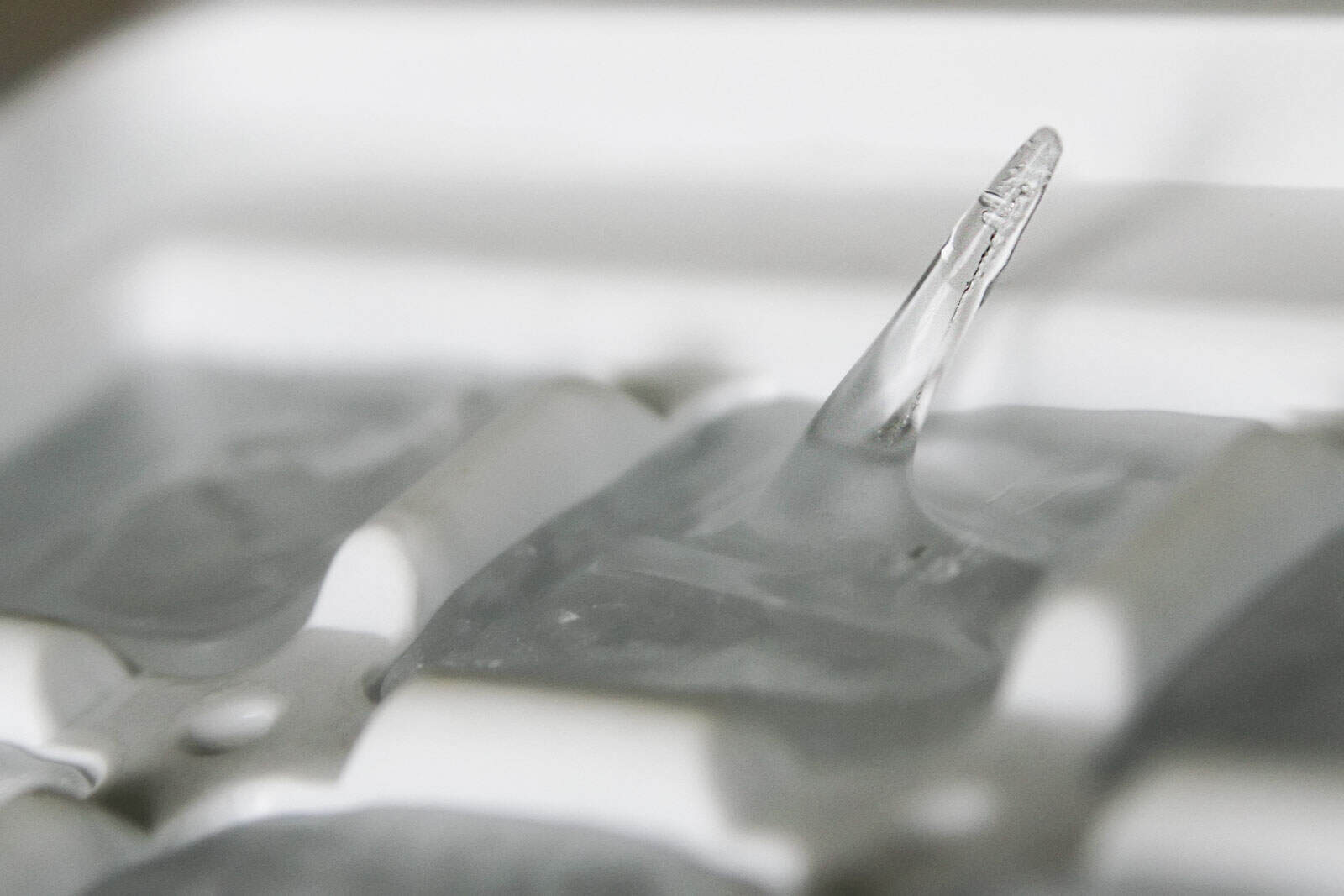
Aluminum ice trays were a lot harder to use than the modern kind. For starters, they had metal dividers and a lever running across the top, so you’d put in a lot more work to use them.
You’d start by filling the tray with water and then freezing it. Pull the lever upward, and the cubes would loosen. At least, that was the idea because the metal parts would sometimes freeze together, making it a lot harder to take everything apart.
The family car with wooden sides
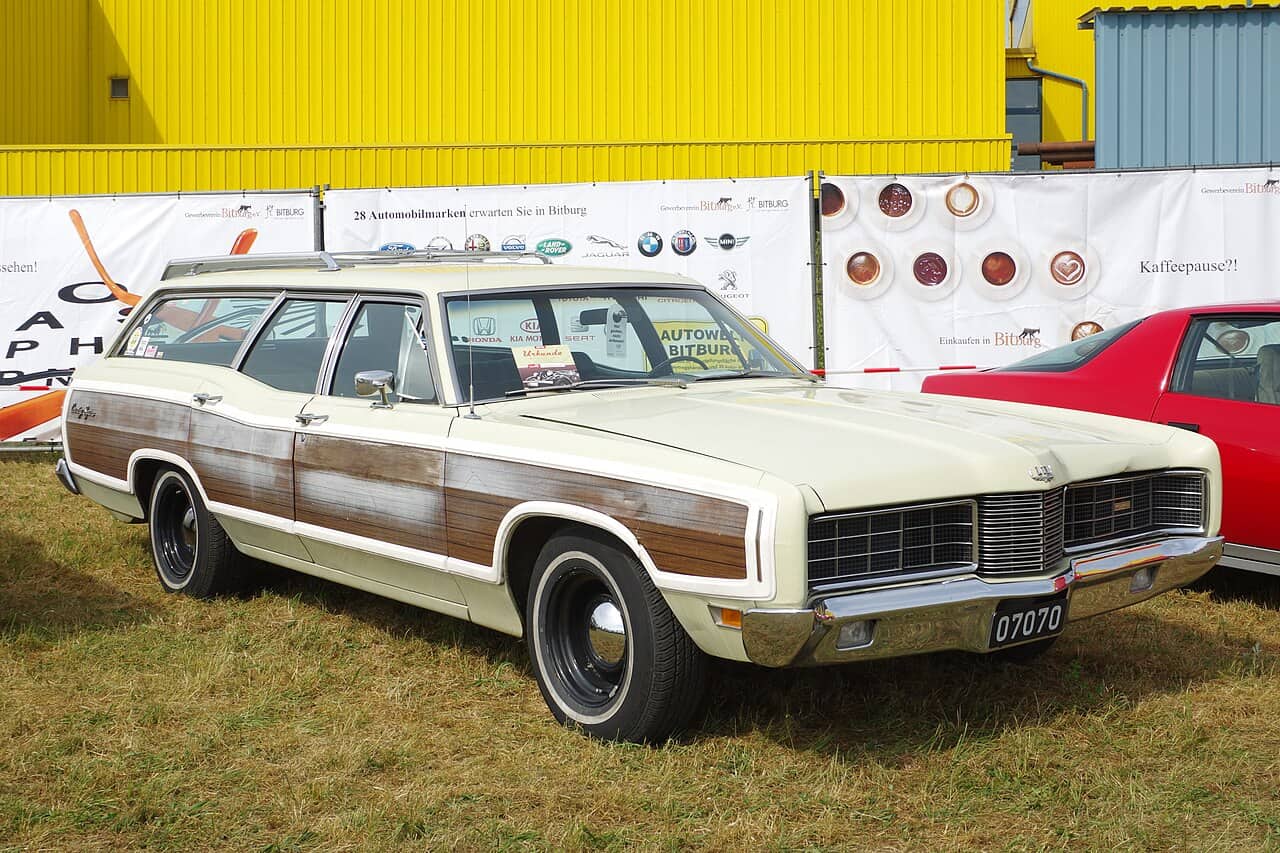
It didn’t really feel like a family road trip unless you were sitting inside an enormous station wagon. The Ford Country Squire was one of the most popular kinds, and it’s the fake wooden panels on the sides that really sold it. They were made from printed vinyl and other materials.
Some special car models had rear-facing seats, just to make long journeys rather interesting. But these kinds of vehicles don’t really exist anymore. Yes, the wood-grain styling is something from decades past.
The bed with a temperature control
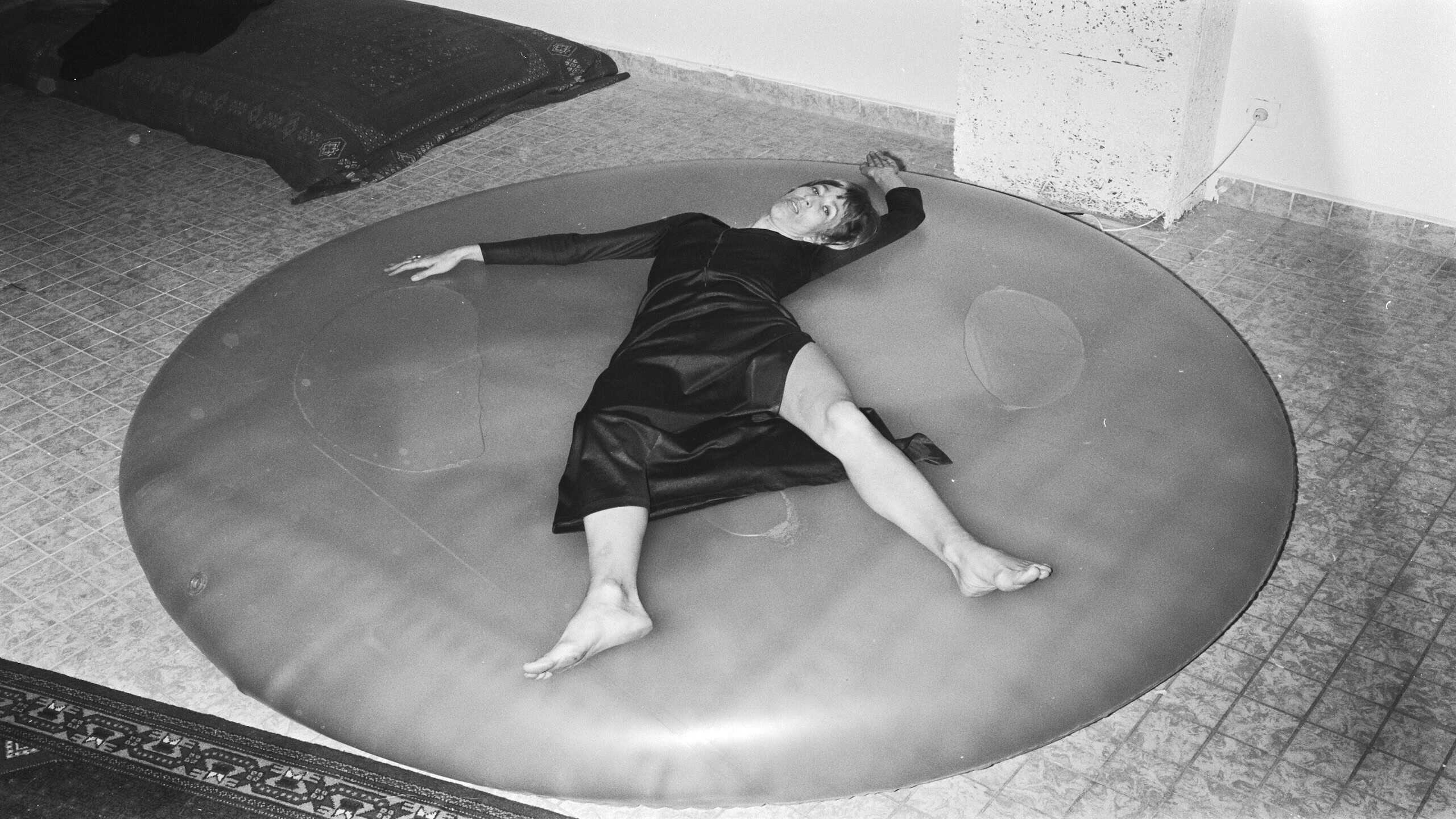
It’s hard to describe how big of a deal waterbeds used to be during the 1980s. It’s even harder to describe how much maintenance went into owning one. No, you couldn’t simply throw some sheets over a waterbed mattress, as you had to fill it with water first.
There were some models that required special conditioners to keep the water in good shape. You couldn’t forget about the electric heater underneath, either, not unless you wanted a cold night. If you grew up with a waterbed, then you’re officially on the older side.
The dinner party appliance
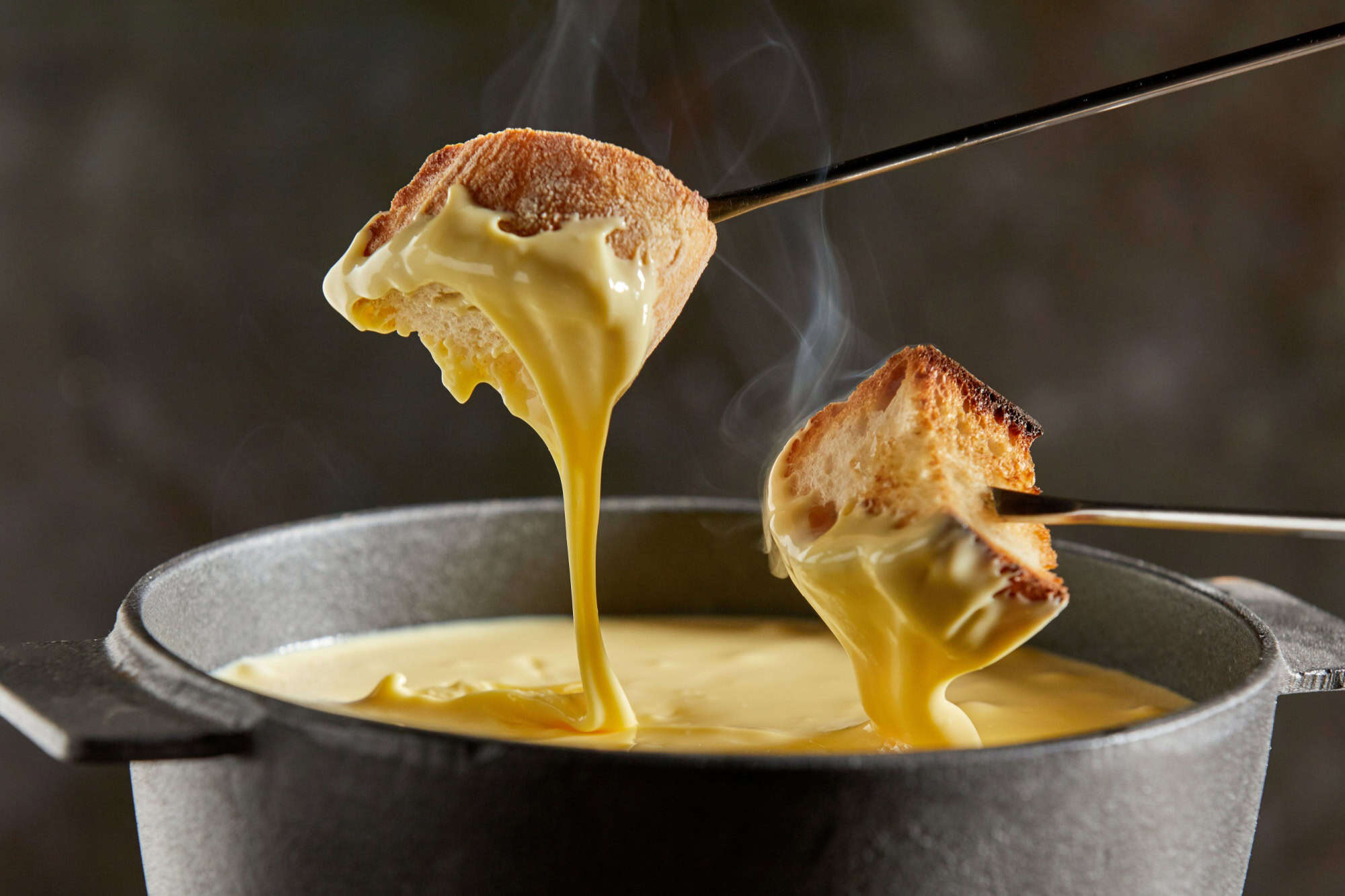
All you needed to make an entire dinner party feel fancy was a fondue. That’s what people thought during the 1960s and 1970s, so lots of families would buy special sets to entertain their guests.
You didn’t have to just serve cheese.
Chocolate and hot-oil versions were popular, too, and some households really got into it. But today, you’ll only really find fondue sets at weddings or other events. It’s unlikely that anyone will grow up with one at home.
The box beneath the television
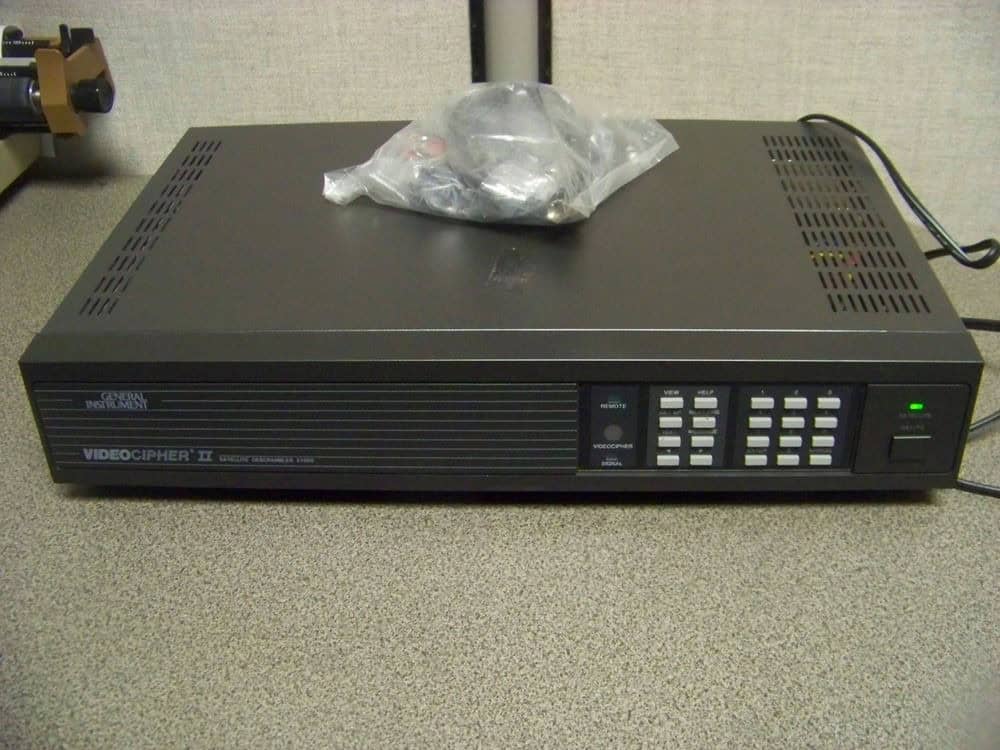
Everyone knows that TVs were different in the past. But one thing a lot of people don’t talk about is the struggle of having to change the television to channel 3 or 4, just to watch something on cable. This was because they had separate converters or descramblers connected to their televisions.
The premium channels, like HBO and Showtime, were often scrambled. So, to watch them, you needed the proper equipment to see the picture clearly, and it’s only older people who will remember dealing with this issue. Young people probably don’t even know what a descrambler is.
The bag hidden inside
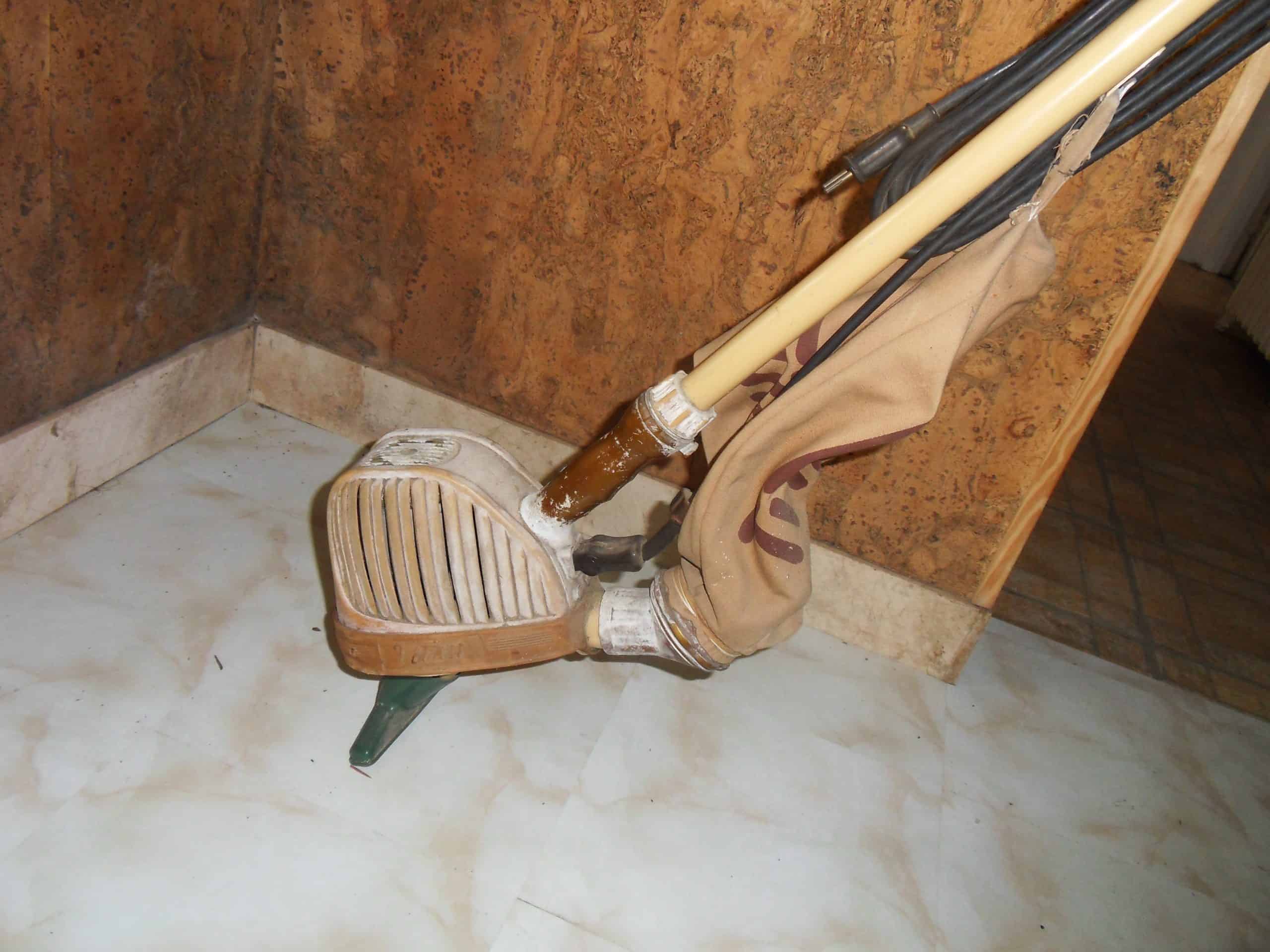
In the days before plastic dust containers became popular, emptying the vacuum cleaner was a lot harder. You had to use disposable paper bags and replace them once they were filled up. The most annoying part, however, was remembering which replacement bags your vacuum needed.
Unfortunately, you couldn’t simply mix and match. Hoover’s bags went with theirs, and other brands went with theirs. The one positive was that you didn’t have to empty the loose dust directly into the trash.
The cupboard with a surprise
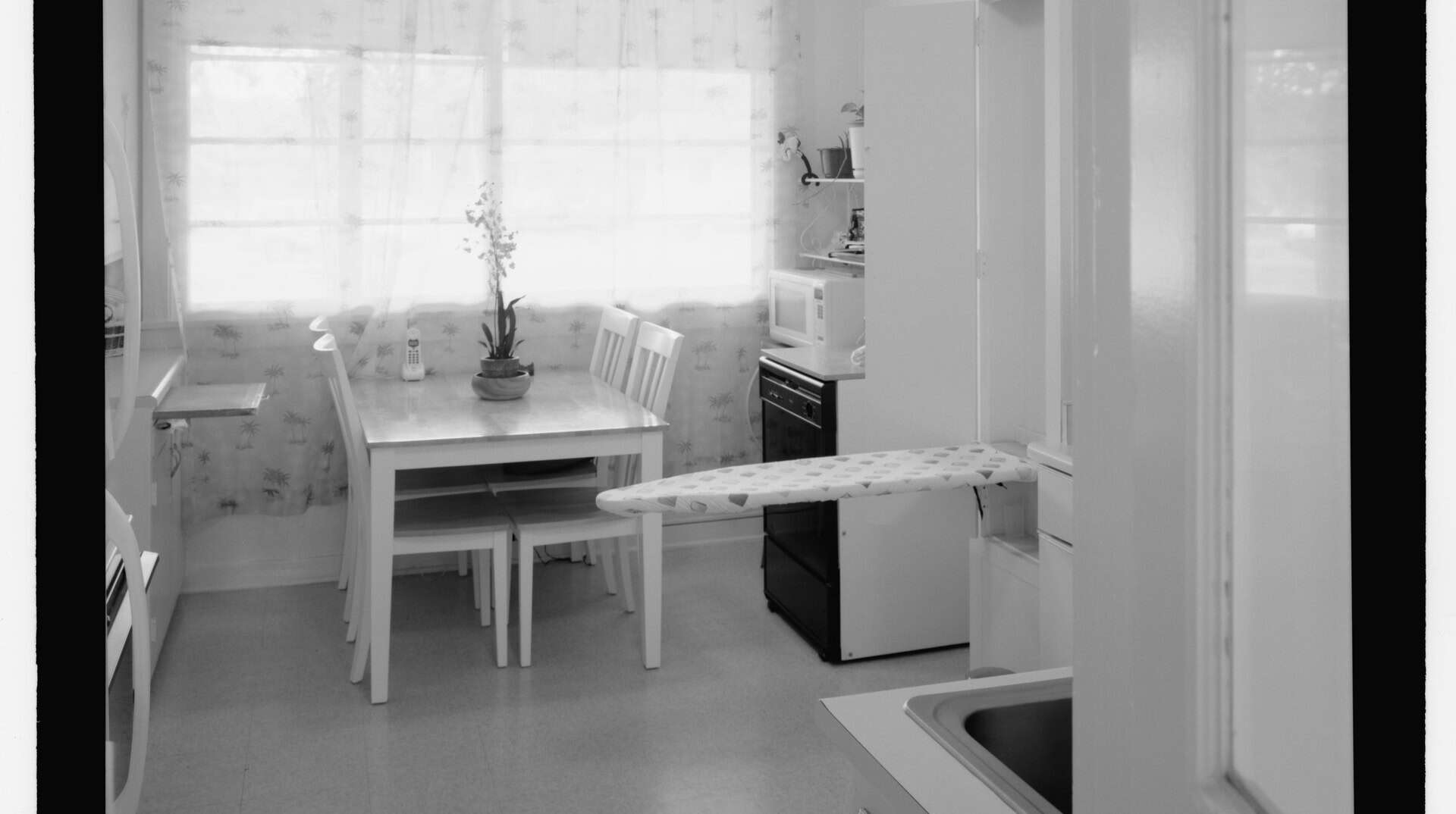
Whenever you opened an ordinary-looking cupboard in an older American home, you could end up finding something unexpected. It might be an entire ironing board. Built-in wooden ironing boards were a common feature of older American houses, especially those built during the first half of the 20th century.
They were meant to make ironing more convenient. You simply folded them down from the wall whenever you needed to press your clothes, and then when you were done, you’d lift the board back. Simple as that. Portable metal ironing boards, however, have made the whole thing pointless.
The machine for Sunday shoes
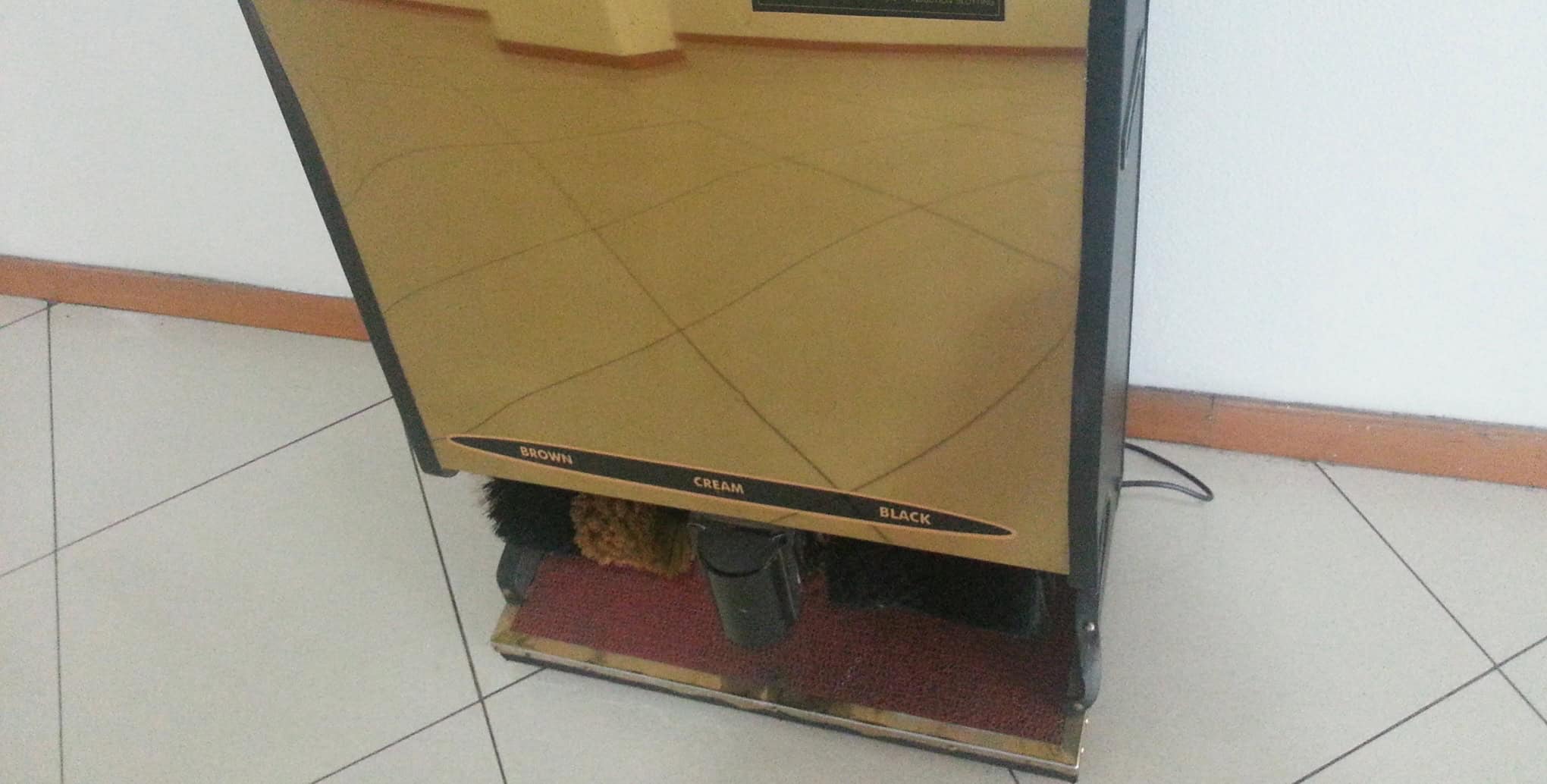
Polishing your shoes was such a chore in the past that some families bought electric appliances to do it. The most popular motorized shoe polishers were made by Sunbeam. No home was complete without one.
In fact, there were different versions that had various attachments for applying polish and bringing out a shine. People cared a lot more about having polished shoes in the past than they do today. That’s why you rarely see these machines anymore.
The little yellow containers
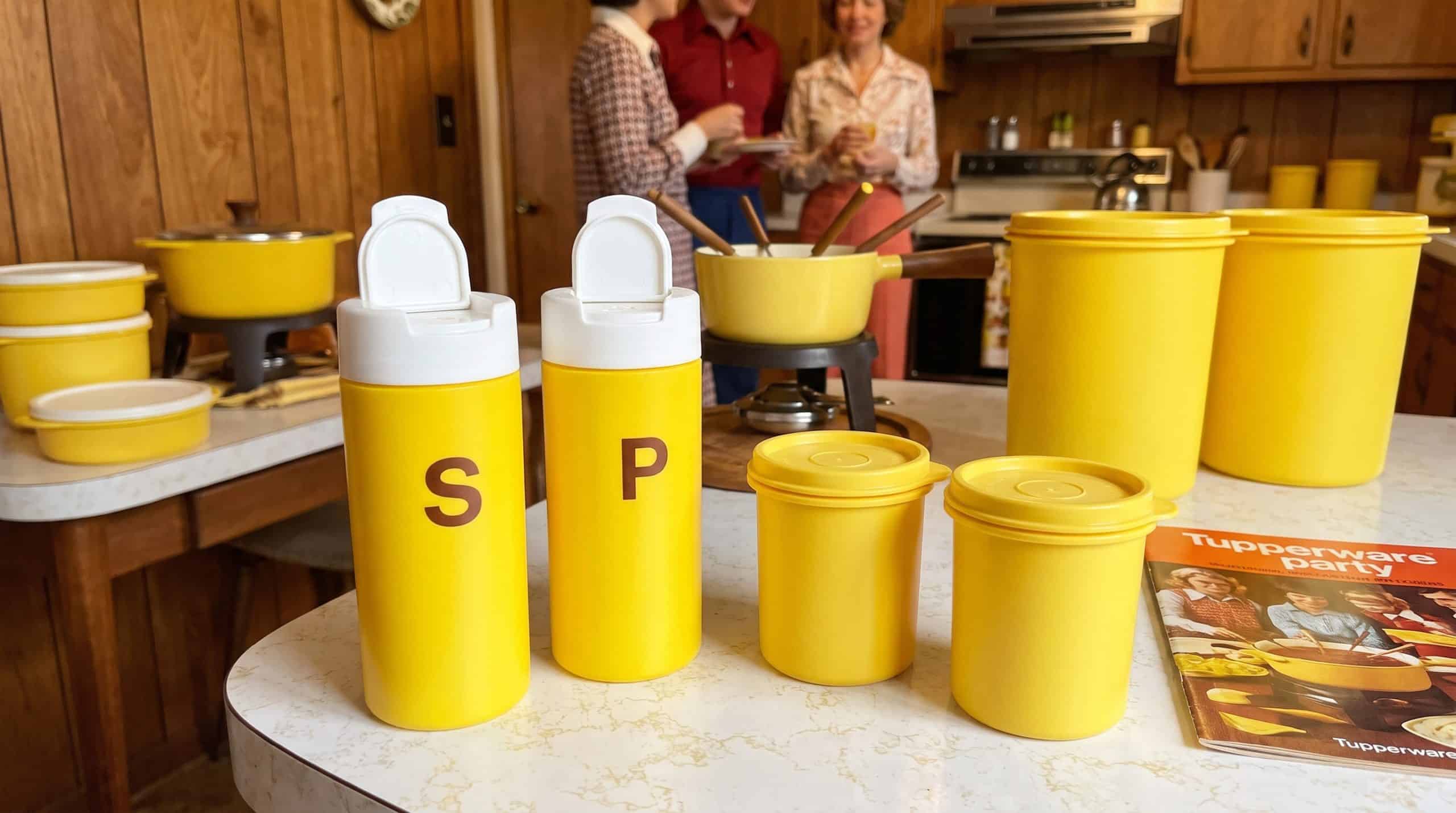
Tupperware has been popular for quite some time. But during the 1970s, the company sold a special kind of container, and it was a yellow salt and pepper shaker. Some of these shakers had flip-top covers. Others were simply miniature versions of larger kitchen containers.
These shakers were lightweight and looked so different from traditional glass shakers. That’s probably why they were such a hit. That, and the fact that Tupperware parties were pretty popular at the time, so people bought several matching items at once.
The fruit-covered walls
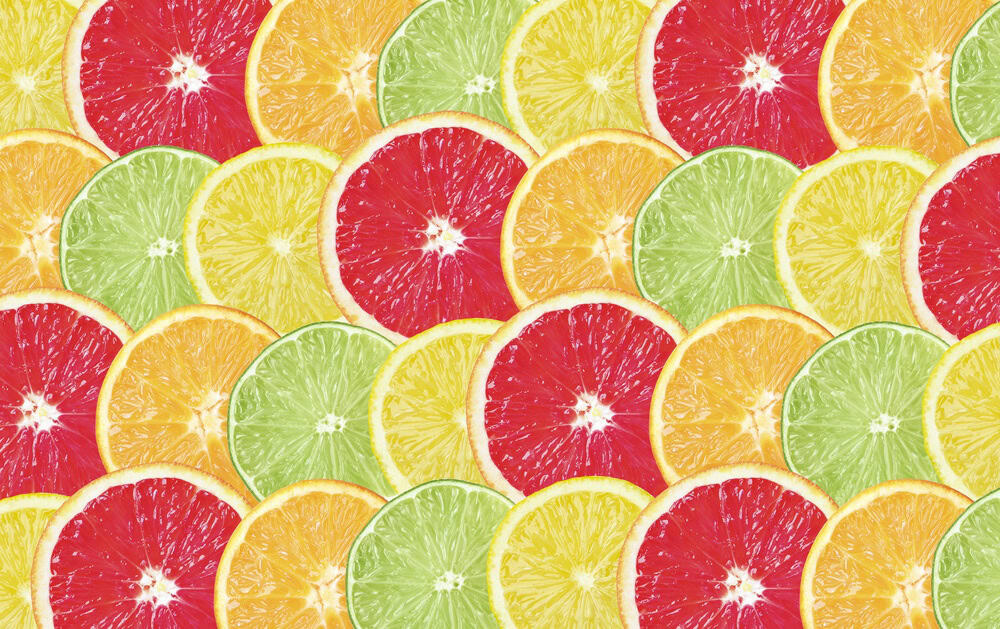
Someone decided in the 1960s that kitchens needed wallpaper covered in enormous bunches of fruit. They were right. Yes, lots of wallpaper manufacturers began making kitchen-themed patterns with these exact designs.
They had washable finishes to make them more suitable for the kitchen. You would see all sorts of food on them, like apples, pears, grapes, even cherries. There were often equally colorful curtains to match.
The flowers that never wilted
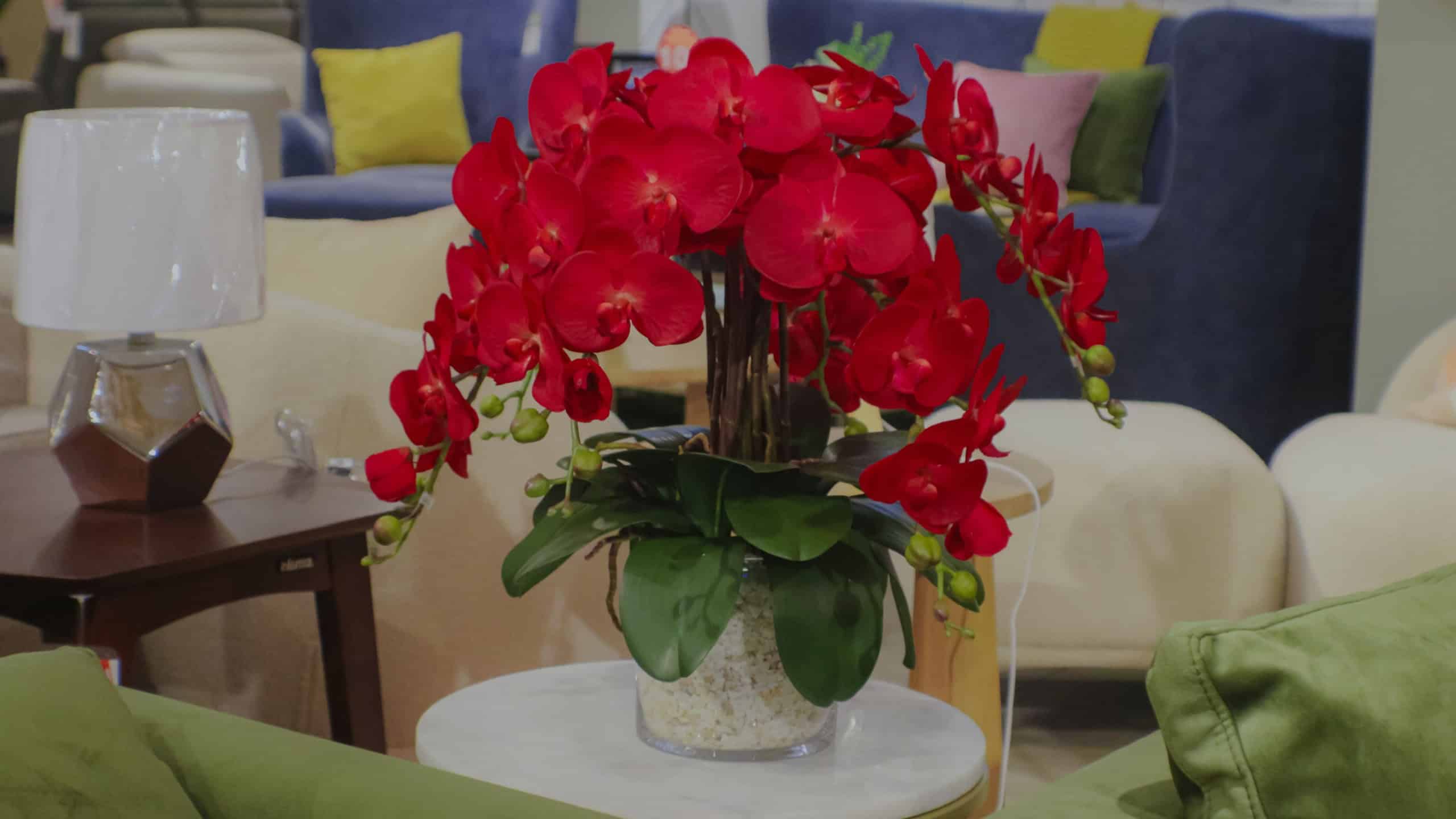
We can’t forget about the living room, as that’s where you would find an enormous vase of artificial flowers. These were a common household item during the 1980s. Some of them weren’t small either, as they featured huge fabric blossoms and plastic leaves.
They had enough greenery to take up a good portion of the table. Floral decorations do still exist, of course they do, but the sheer size of the fake kind is something from older homes.
The permanent candy supply
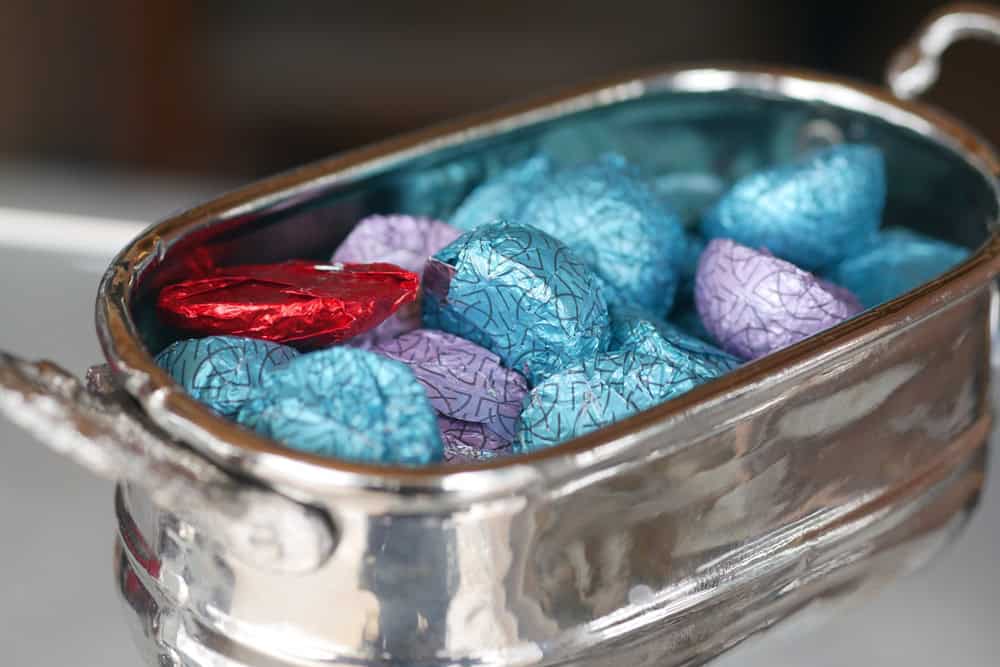
Nobody ever seemed to finish the candy in those fancy glass dishes, but still, they were always full. They might have peppermints. They might have another flavor. Either way, those individually wrapped hard candies had probably been sitting there for ages.
The dish itself was half of the appeal, and some of the most beautiful ones came with matching lids. You’d often find a dish or two sitting on a coffee table, ready for visitors. But there was no way that you could take more than one candy because that felt wrong.
The living room that matched
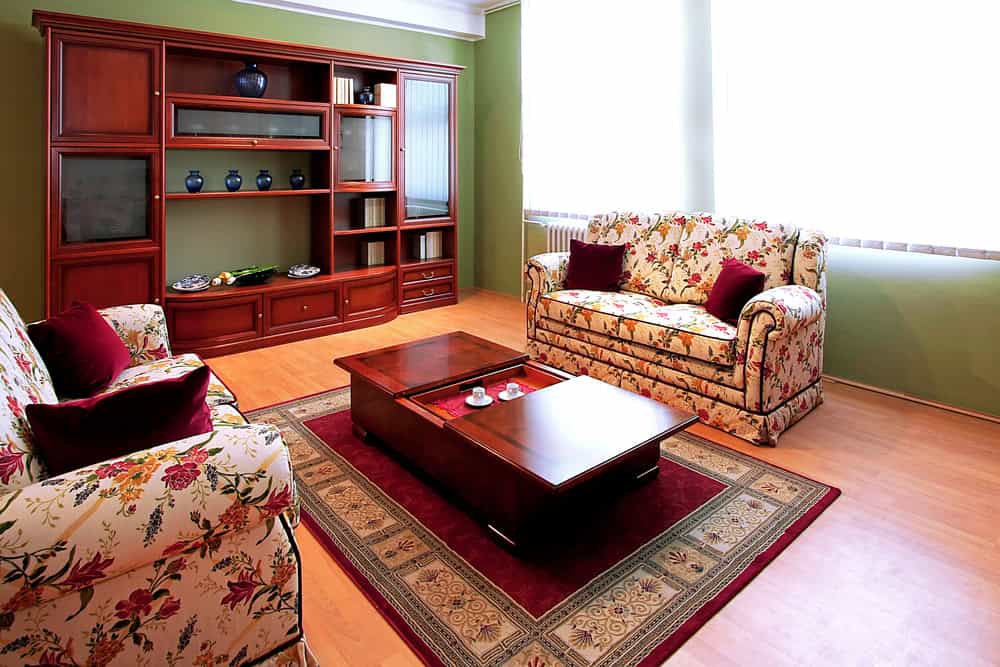
Pink roses on the sofa were lovely, and pink roses on every single armchair were even better, apparently. Yes, during the 1980s and early 1990s, matching floral furniture was the best way to decorate your home. Some families took the idea rather far.
They’d put flowers on practically everything they owned. A lot of these patterns included soft pastel backgrounds with enormous blossoms and leaves. If the curtains matched the sofa, well, that was a bonus.
Sources: Please see here for a complete listing of all sources that were consulted in the preparation of this article.
Every baby boomer has these 10 items in their garage

You’ll find a lot of the same things in baby boomers’ garages, between the paint cans and the folding chairs, as well as the items that nobody’s touched since 1998.

