

Everyone’s thrown a coin into a mall fountain before. And we don’t normally stop to think about where that habit came from, although it didn’t start with malls at all. No, people have been throwing coins into water for a very, very long time, and the story started way back in ancient springs & old village wells. Let’s find out the interesting history behind throwing coins into water for luck.
Featured Image Credit: Shutterstock.
Key takeaways
You’ll learn about:
- Why people first started tossing coins into water
- How old wells & fountains became “wish spots”
- The moment fountains moved indoors in American malls
The habit starts with water and offerings
Ancient Romans saw springs as more than simple places to get a drink. They were locations with special powers & people left all kinds of offerings there, with coins being the most common. However, people did throw other things in there, too.
In Bath, England, archaeologists found piles of coins that visitors had thrown into the hot spring because they believed the waters had healing qualities. They didn’t write their wishes down. But it’s not hard to imagine why someone might leave a “payment” for good fortune.
Wishing wells in folklore
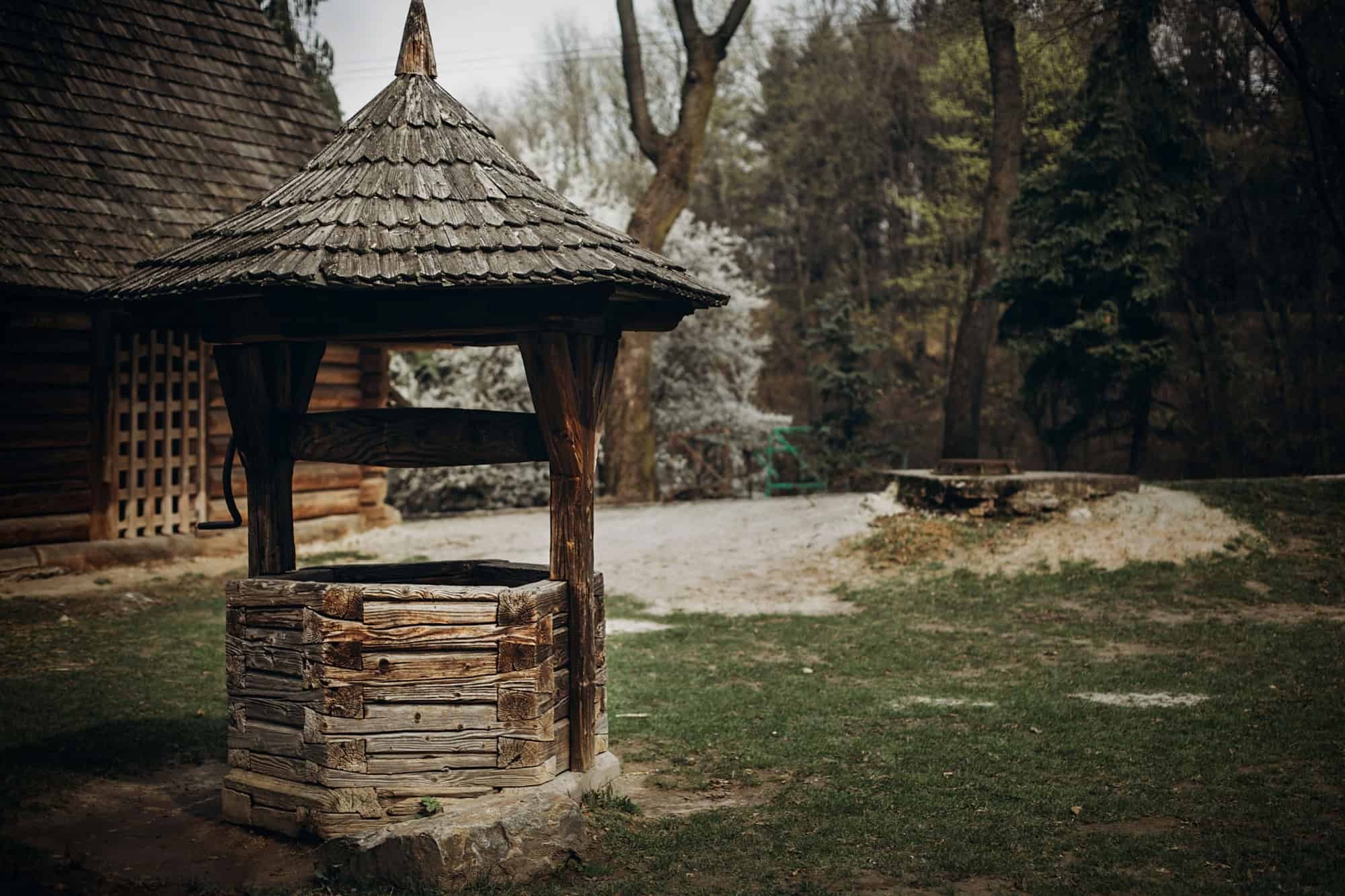
Many thousands of years later, European villages began building wells, and the idea of throwing something valuable into water stuck around. Wells were often the center of the town, so it made sense that little rituals developed around them.
People dropped coins and whispered a wish. They believed the water spirits, or sometimes saints, depending on the region, would help make it happen. Immigrants carried that habit across the Atlantic & it rather quickly became part of American life. By the 19th century, “wishing wells” were a cultural phenomenon.
From wells to city fountains
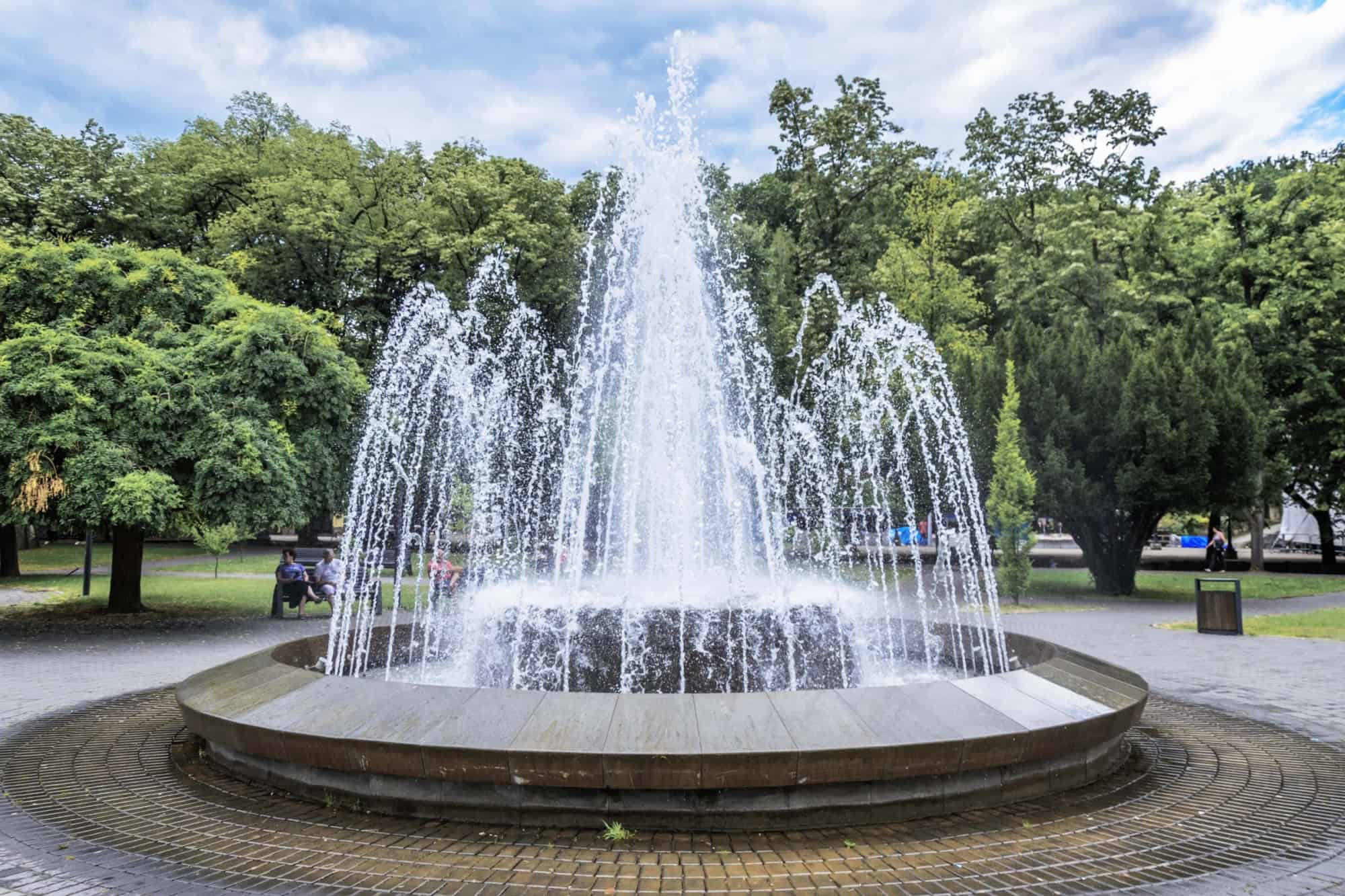
Once cities grew, public fountains started appearing everywhere, initially for practical reasons. But they also became decorative. Instead of village wells, there were big stone basins in town squares, often surrounded by sculptures or benches. People would walk by & throw a coin in, maybe close their eyes for a second, and then keep going. It soon became such a normal part of life that nobody questioned it anymore.
The mall era begins

The first enclosed American mall was built in 1956. It was the Southdale Center in Edina, Minnesota, and it was rather unlike the typical strip malls before it because it had something new. The mall had a big indoor courtyard filled with plants, sunlight & yes, fountains.
Architect Victor Gruen wanted malls to feel like town squares instead of shopping warehouses. In fact, he called it the “Garden Court of Perpetual Spring,” and included trees & flowers. He also put bubbling water features in the middle that people loved because they felt so warm and welcoming. That was quite important in cold states.
What architects said they were building

But during his designs, Gruen thought less about wishes and more about community. His mall designs were meant to bring some European plaza charm to the American suburbs, which he hoped would make people linger. And that they did.
Gruen imagined people strolling & talking, perhaps enjoying some music while they did so. Essentially, the fountains were just there for atmosphere. But they turned out to be the perfect spot for an old tradition to begin without anyone planning it.
Why malls kept adding fountains
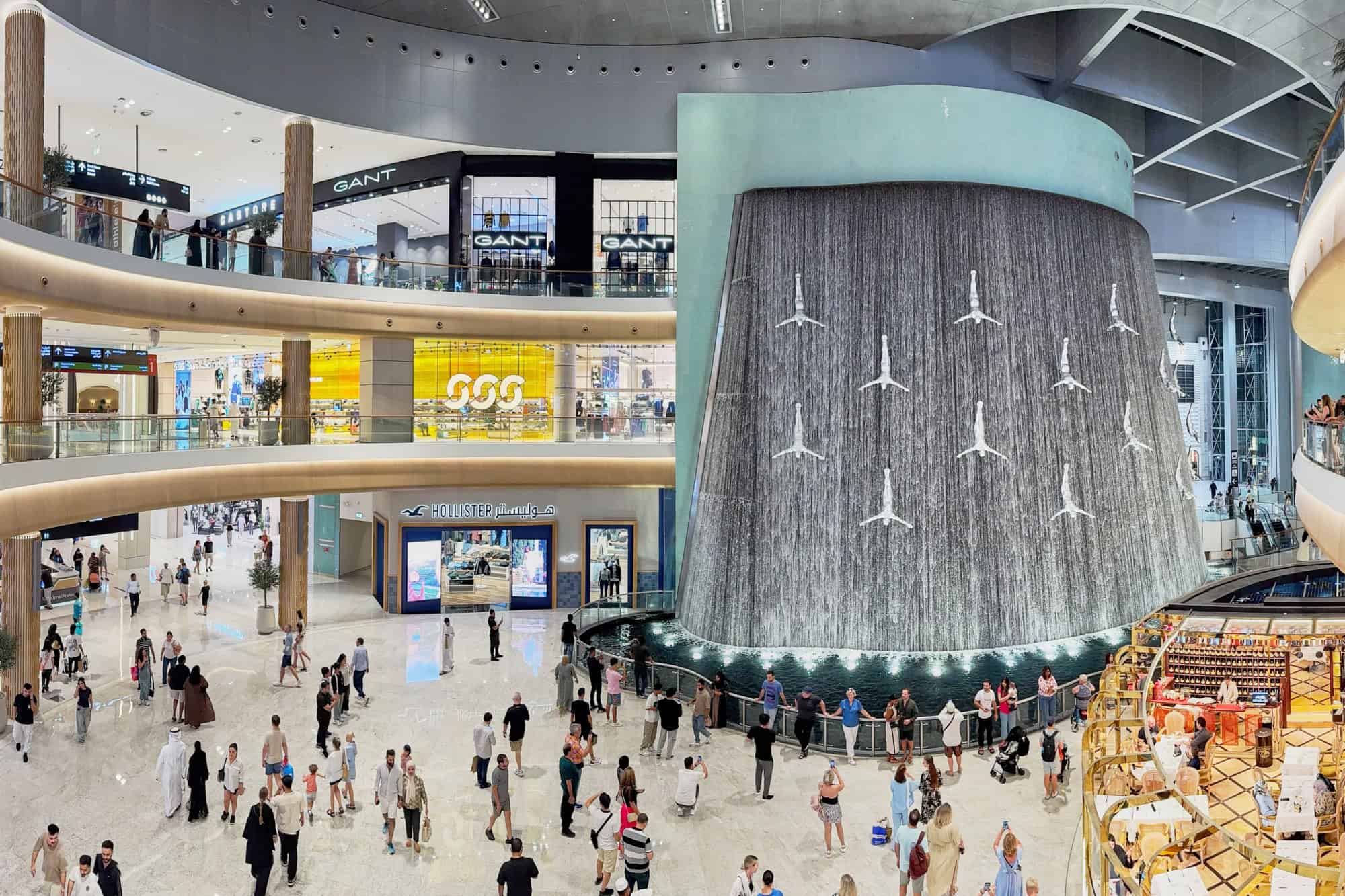
Other developers saw how well Southdale worked, and they began copying the idea. By the 1960s & 70s, mall blueprints almost always included some kind of central fountain, which gave shoppers a place to stop and sit down.
Fountains were an important part of mall construction, along with benches & planters. They softened the area to make the customers feel like they were actually somewhere, rather than simply walking through endless storefronts.
How the custom met the space
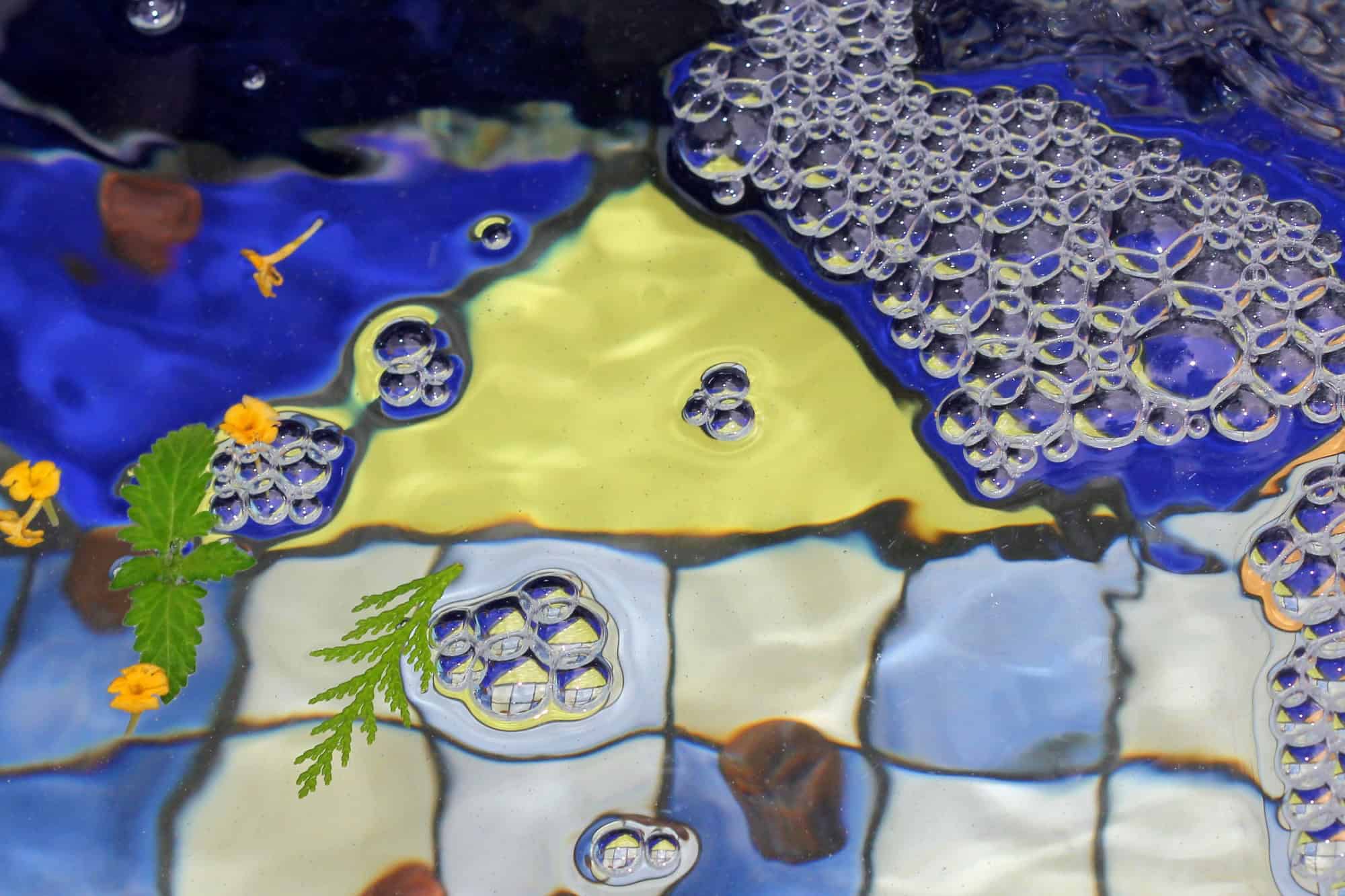
This is how everything clicked together. On one side are centuries of people throwing coins into wells & fountains. On the other, there are shiny new indoor malls with decorative fountains right in the middle of the action. It’s no wonder people started joining the two ideas.
Shoppers passed by fountains and saw the water, then reached into their pockets to throw in a coin. Of course, nobody invented a “mall wishing fountain” moment. It just happened naturally. By the 1970s, throwing coins in was so normal that maintenance crews had to scoop out piles of change from the basins. And it’s been that way ever since.
Sources: Please see here for a complete listing of all sources that were consulted in the preparation of this article.
Like our content? Be sure to follow us.

