Most of us throw a ballpoint pen into a bag or leave one rolling around in a drawer without thinking anything of it. It’s just a pen, right? But in the 1940s, you couldn’t just walk into a shop & get one, thanks to patent rules & wartime supply limits.
Why and how did this change? Let’s find out.
Featured Image Credit: Shutterstock.
Key takeaways

Here’s what you’ll learn about:
- How & why the ballpoint pen was first invented
- Why British pilots could use them, but civilians couldn’t
- How patent licenses changed who could make them in the U.S. & Europe
- The consequences once they hit the market
How the ballpoint pen began
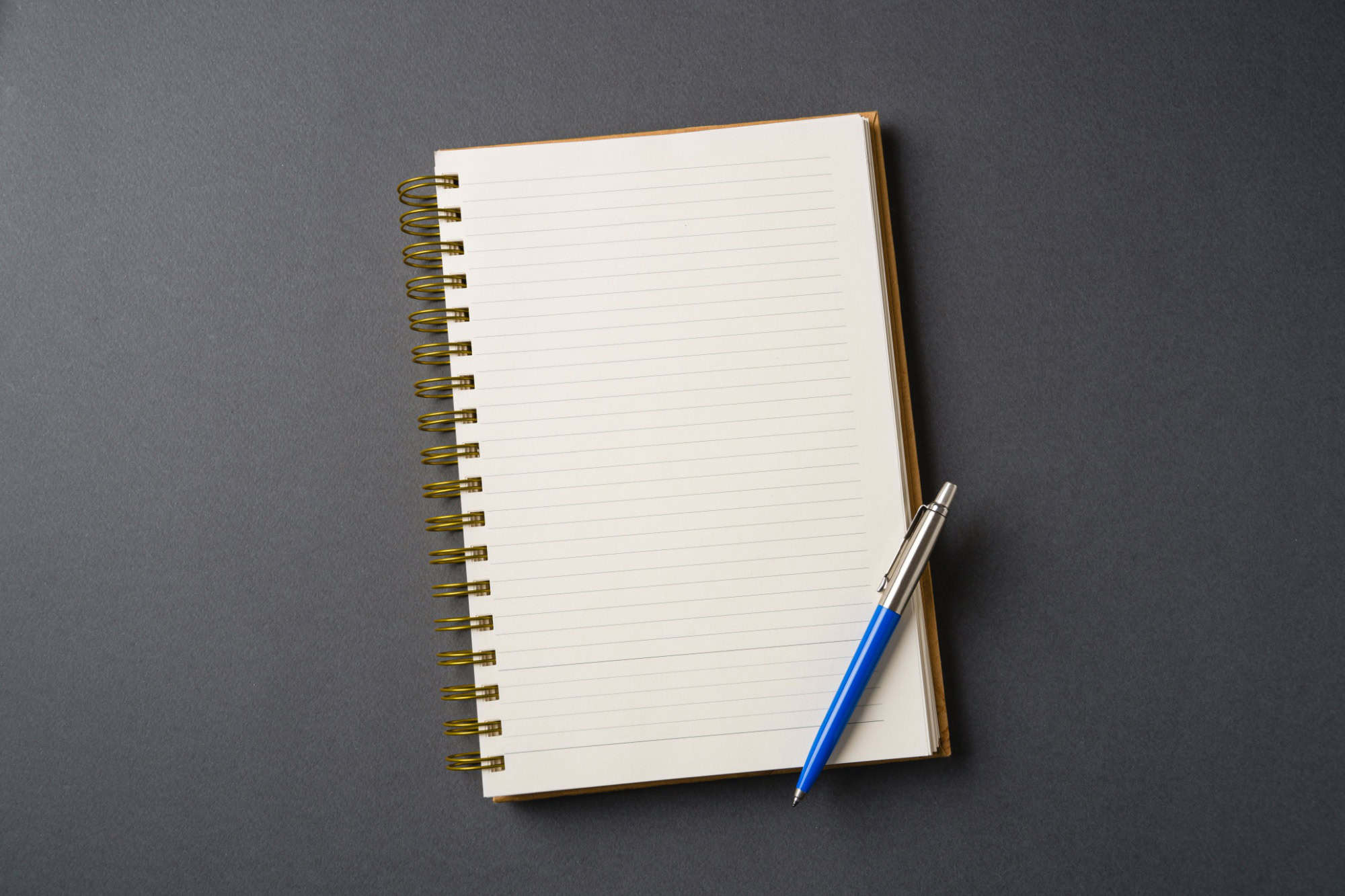
The first attempts at “ball-tip” pens emerged in the 1880s. They didn’t go anywhere as the ink gummed up or leaked. It took until 1931 for Hungarian journalist László Bíró to crack the code by pairing a thicker, fast-drying ink with a snug ball-bearing tip. Finally, it worked.
During World War II, Bíró moved to Argentina, and he opened a shop in Buenos Aires with his brother, György. They patented their version in 1943 & called it the “Birome.” They even built a factory to make them, which is where the modern ballpoint story really took off.
Why militaries wanted it

Fountain pens were a pain for pilots because, at high altitudes, the cabin pressure messed with ink flow & caused the pens to leak everywhere. However, the British Royal Air Force (RAF) noticed that Bíró’s design didn’t leak, even when it was turned upside down, so orders for it started flowing in like crazy.
That didn’t mean civilians had access to them. During World War II, the British government had tight control over what factories made & where raw materials went. This meant that production for ballpoints was immediately funneled to the RAF. Not in uniform? Then you wouldn’t get a ballpoint pen.
Just getting the license didn’t mean you had full freedom to make the pen. The Ministry set standards over how it was built & what metals and inks you could use. They also limited how many factories were allowed to produce.
Materials like metals & precision parts were reserved for military gear. Pens for aircrews fell under that umbrella. After the war, supplies finally opened up, meaning that shops began stocking them for everyone to use.
But patents did cause issues after the war. Bíró & his partners sold the licensing rights, so only certain companies in specific regions could legally make them. Exclusive deals in North America determined which brands could hit stores first.
Thankfully, this sort of control didn’t last forever. But it kept the ballpoint’s spread limited for the first few years.
What happened when the gate lifted

Once the war ended & patents started loosening, ballpoints made their way into shops worldwide. Prices dropped & factories expanded. By the 1950s, the ballpoint was on its way to replacing the fountain pen for everyday writing, meaning it was no longer just a rare tool for aircrew. It was now in kitchen drawers everywhere.
In America, the first big splash came in New York City in 1945, thanks to Milton Reynolds. He was a Chicago businessman with a nose for trends & he rushed his version of the ballpoint, nicknamed the Reynolds Rocket. While he didn’t actually invent it, he spotted the potential & moved fast.
Gimbels department store held the launch, and reports say sales hit about $100,000 in just one day. That was huge at the time. Over the next months, the sales shot into the millions. However, the pens weren’t perfect, as early Rockets had issues with leaking & skipping. Lots of customers ended up returning them.
Another pair of companies, Eversharp and Eberhard Faber, believed they had the rights locked down before Reynolds. They’d already paid for licensing connected to Bíró’s design. Yet they didn’t get their version out, leading to some courtroom drama.
But all those lawsuits didn’t kill the new product. Nope, they just made ballpoints more popular.
The modern ballpoint pen

Eventually, the novelty wore off & people wanted pens they could actually trust. This is when companies like Paper Mate and Parker created their own versions. In the early 1950s, Paper Mate created a new ink formula that dried quickly & didn’t smear.
Parker followed with the Jotter in 195. This was a pen with a retractable design & a tougher tip made from tungsten-carbide. Sure, it sounds like a small change, but it fixed a lot of the skipping problems. The Jotter ended up selling millions. It became the ballpoint Americans knew they could count on.
By the late 1950s, it was impossible to imagine an American desk without one rolling around. What would life be like without this invention?
Sources: Please see here for a complete listing of all sources that were consulted in the preparation of this article.
Like our content? Be sure to follow us.