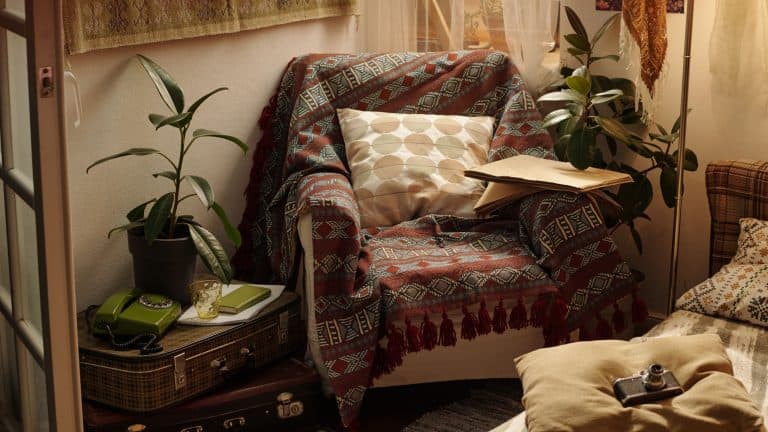

Remember the 1980s? Patterned carpets, angular rooms and heavy curtains drawn against the glare of the sun. That world seems a long way off, even though it’s only two decades behind us. Unnoticed by most of us, the spaces we live in have undergone a silent revolution.
They’re lighter, more fluid and built around our real-life needs. None of these changes make the news, but each one affects our sense of comfort and connectedness day by day. Here are 10 practical ways our homes have changed since the 80s, as per the experts.
The near‐disappearance of formal separate dining rooms
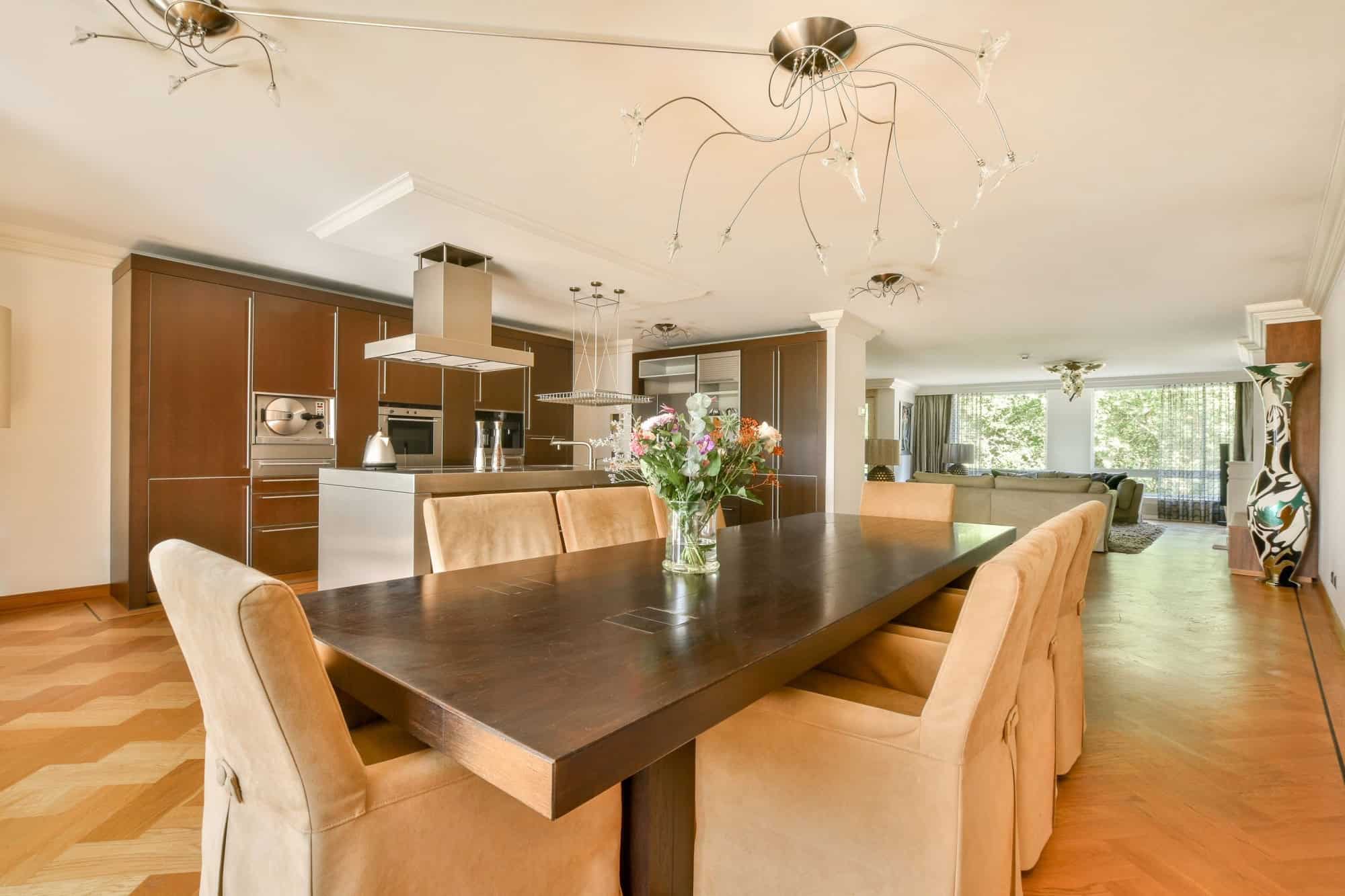
While many houses in the 1980s had a standalone dining room used for special meals or guests, in recent years the dining room has become absorbed into an open plan living area, or merged with the kitchen or lounge area.
Researching current house‑plans shows the clear “dining room” zone has become less important, swapped for a flexible eating/entertaining space. The place where we eat might be an island bench, the sofa zone, or even outdoors, not a separate “formal” room.
Kitchens moving to center‑stage living hubs
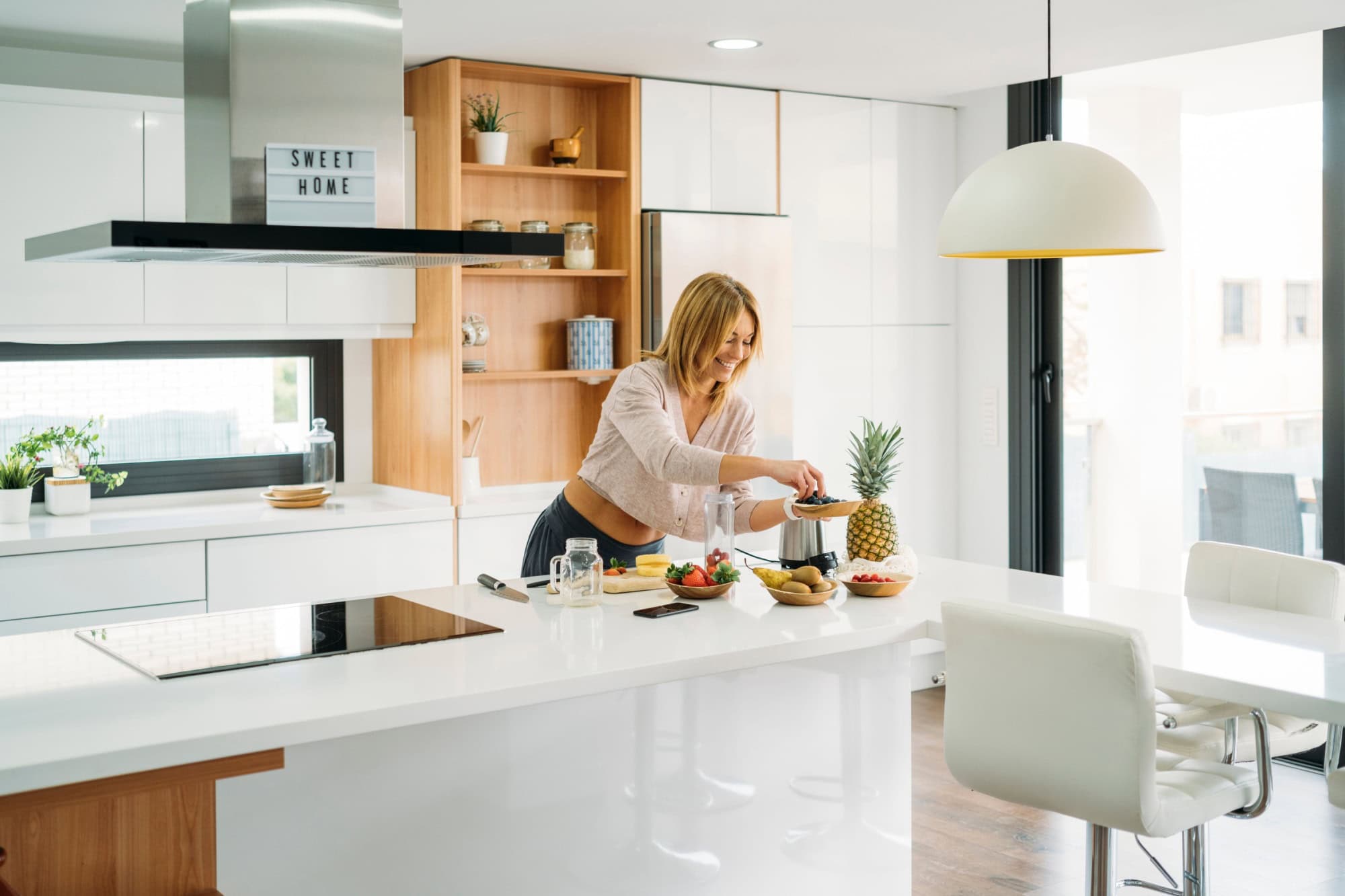
Rocky Mountain College of Art + Design highlights just how drastically the kitchen’s role has evolved. Once a place living in the shadows of the home, it was built for functionality, not fellowship.
But over time it progressed into the heart of family life. Open layouts and shared spaces ushered it into a destination for connection and conversation. The kitchen of today does more than just feed a household; it brings everyone together.
Outdoor living areas becoming an extension of indoor space
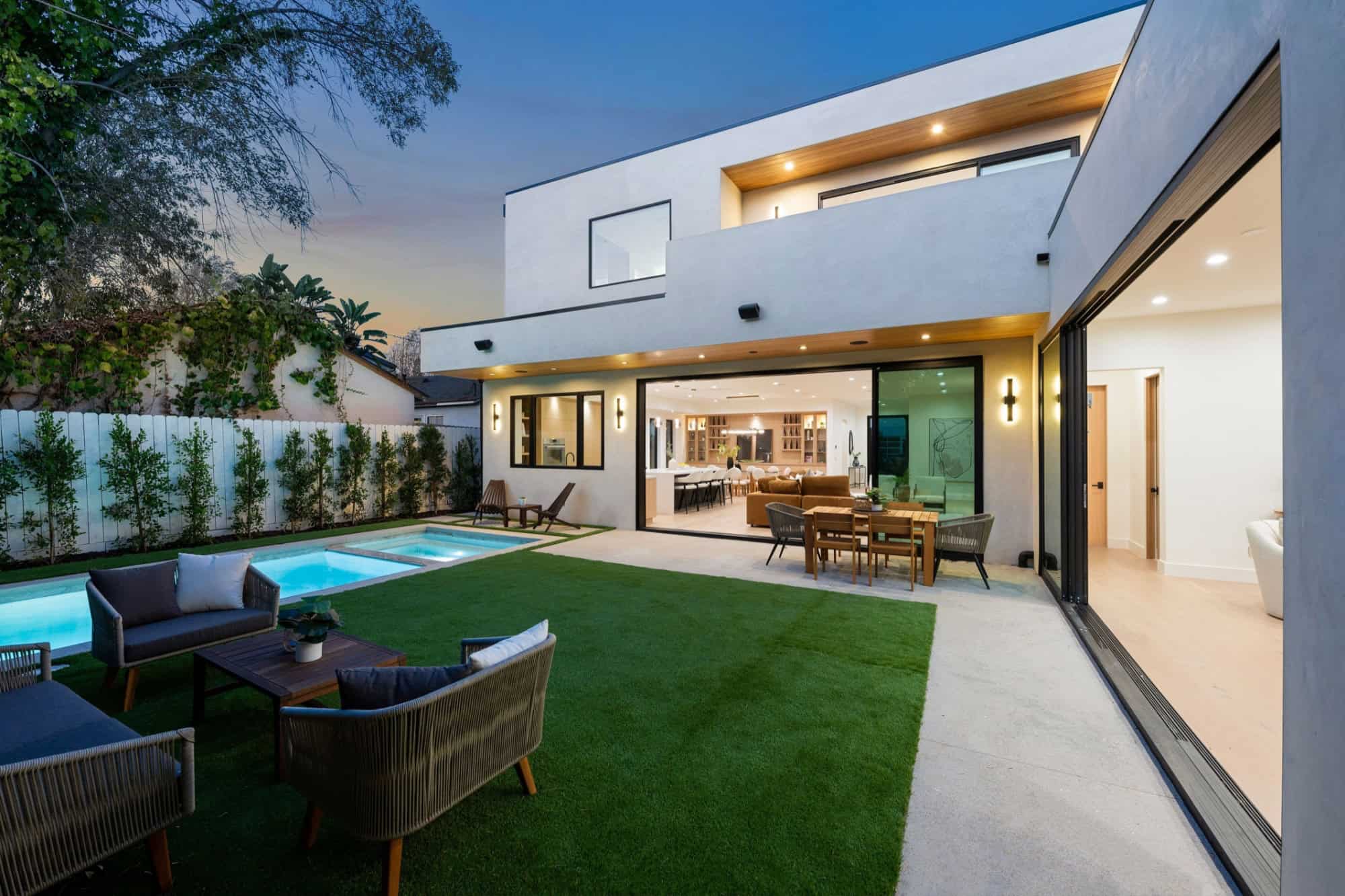
Backyards were once separate little worlds removed from the house. That’s no longer the case. More and more houses now open right onto patios, alfresco areas, and gardens.
Outdoor spaces are becoming more integrated into the home design. This relaxed design reflects more laid-back lifestyles, with families preferring flexible, comfortable spaces indoors and out (Optima Inc., 2022).
Rise of media rooms, home‑offices and other specialized spaces
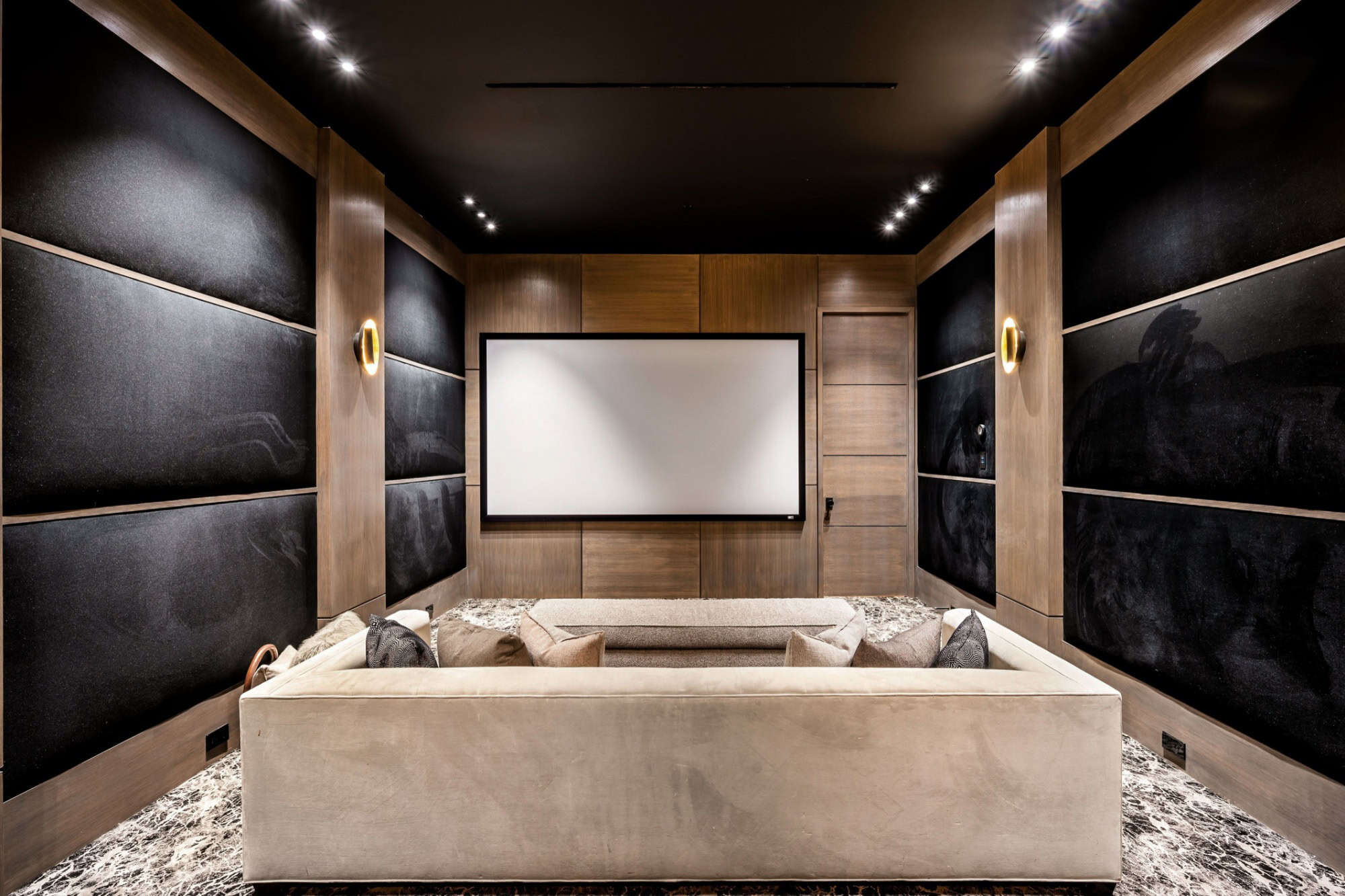
Kim Dovey argues that modern homes have a much broader diversity of rooms. Home offices, media rooms, and walk-in pantries have become very common, each with a well defined function. By the late 1980s the functional specialization of homes had increased by 50% compared to previous decades.
The garage’s evolution into a multi‑purpose space
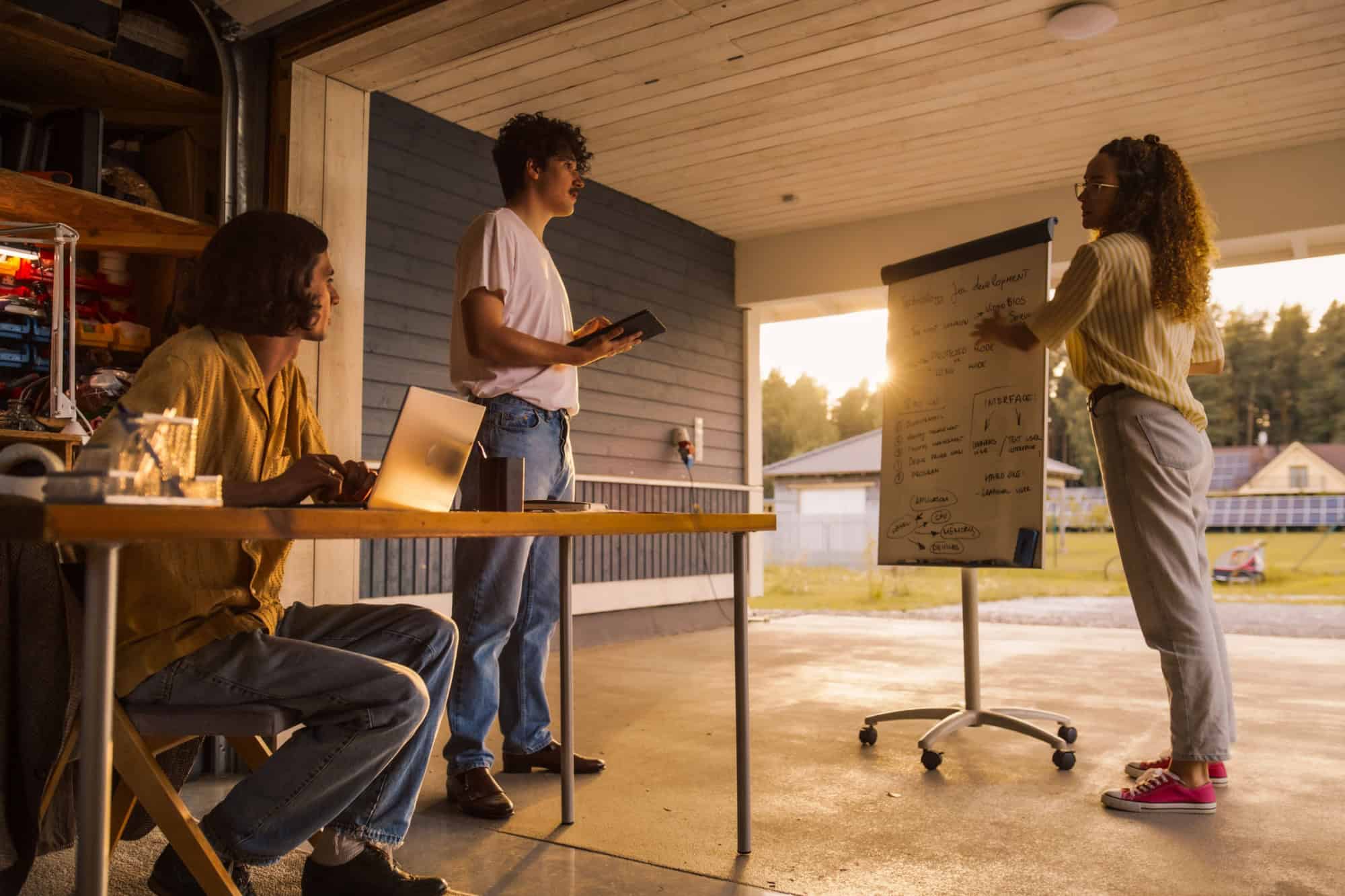
Garages once had a simple purpose: to house a car and provide some storage space. According to It’s My Nest, modern garages have a much more varied use.
They are now used by families as a gym, craft area or even a base for a home-business, and larger garages help accommodate these activities. It’s a clear sign of how daily life has diversified, bringing activities that previously took place outside the home into the home itself.
Shift from heavy patterns and textures to more minimal backdrops
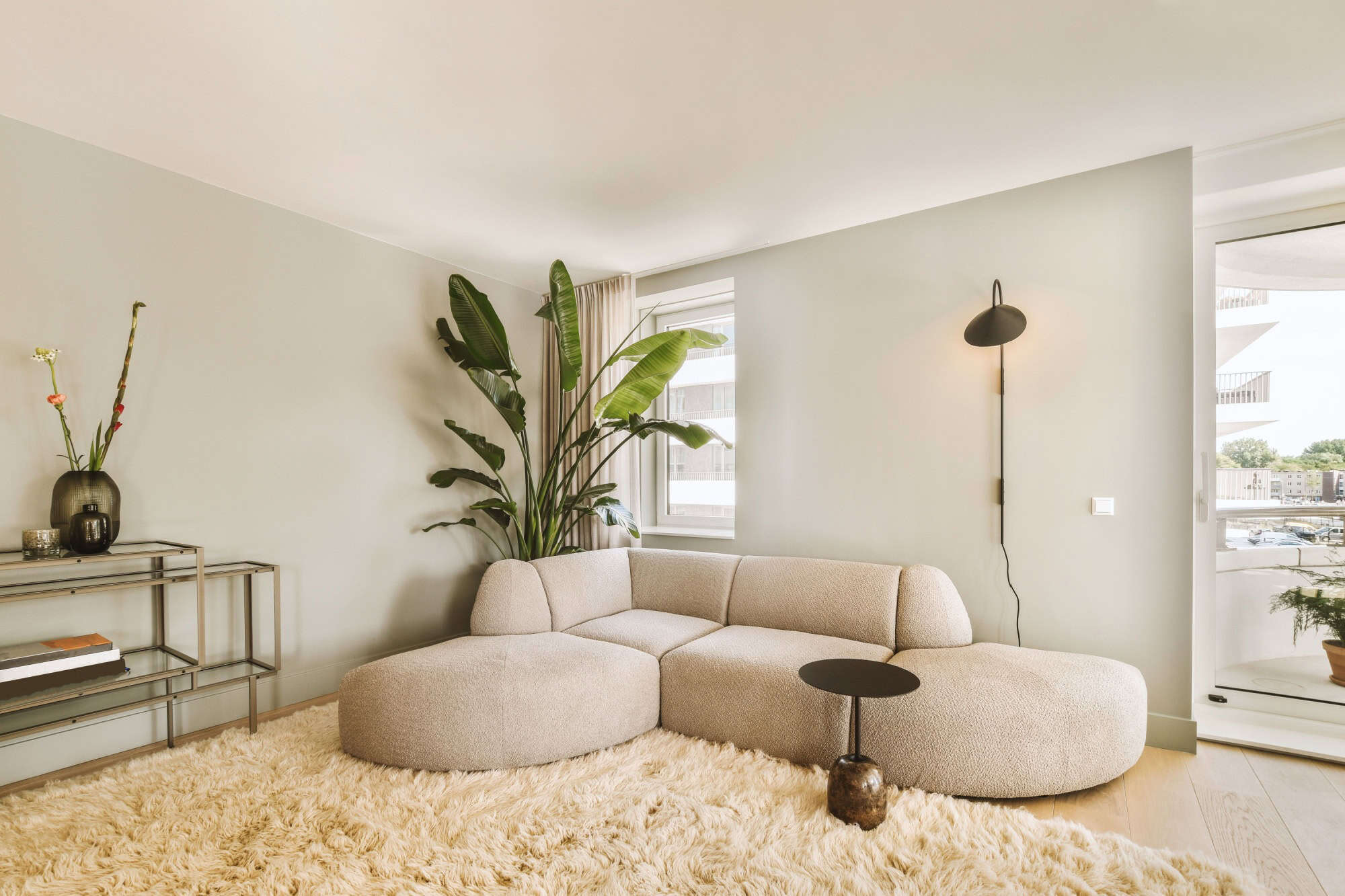
The 1980s were a time of busy wallpaper, popcorn ceilings, and patterned carpets throughout the home. Perkinson Homes says that the interiors of today have taken a much different turn.
Walls are more neutral, lines are sharper, and finishes are streamlined. Patterns are used, but not as much on walls and more on furniture or decor pieces, so the statement pieces of a room can really stand out.
Big windows, sliding doors and increased natural light
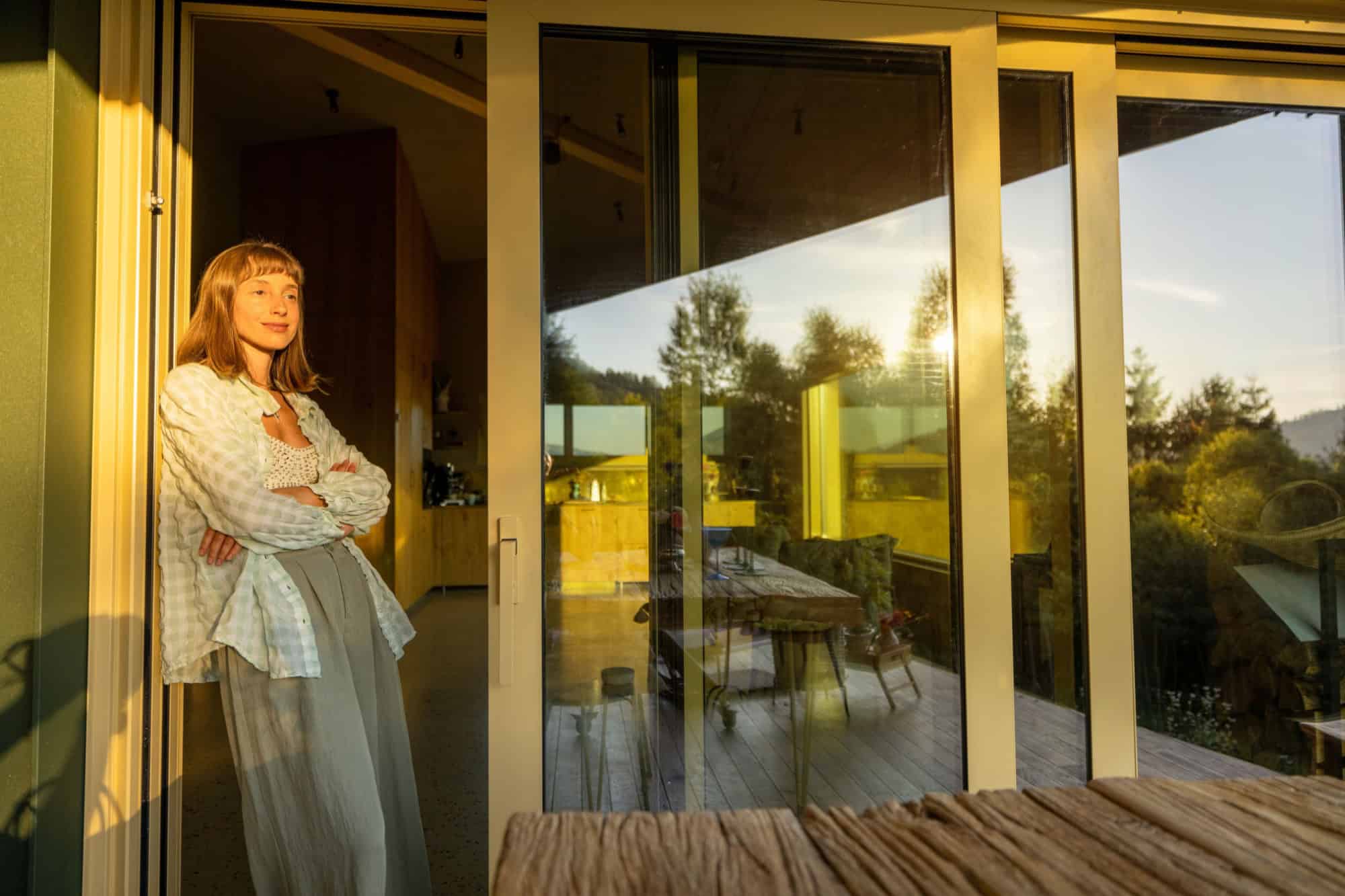
Light, according to RealEstate magazine, is one of the most dramatic shifts in home design since the 80s. Gone are the days of small windows and separated layouts. From large panes to sliding doors and bi-folds, spaces are lighter and more connected to the outdoors.
Bedrooms and bathrooms becoming larger, more “suite‑style”
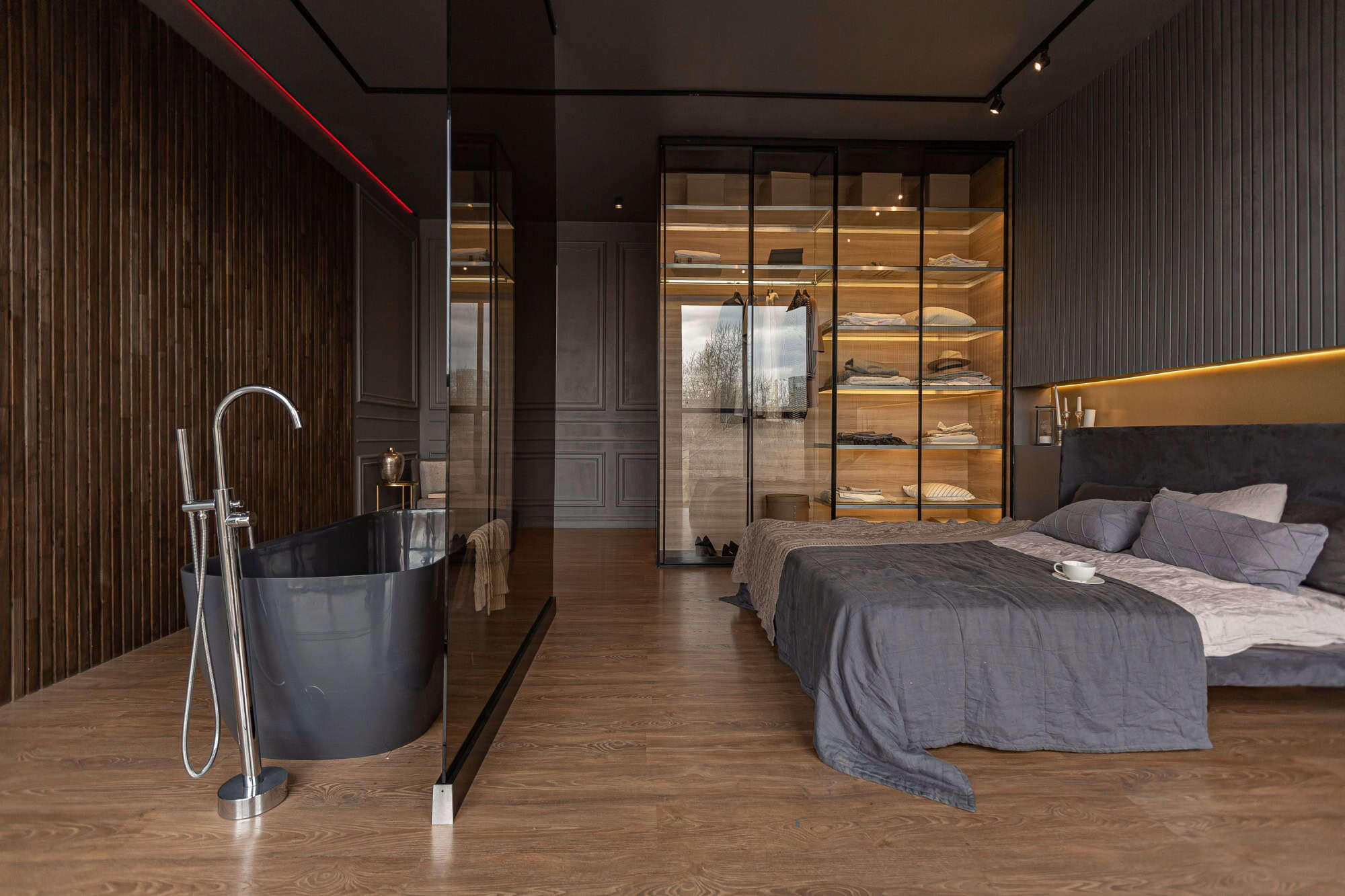
The typical 1980s home was likely to have a modest sized master bedroom and shared bathroom or small en-suite. The trend has since been for larger master bedrooms, bigger bathrooms, walk‑in closets and more personal space.
This reflects rising expectations of comfort, privacy and personal zone within the home.
Homes getting smarter, not just in gadgets but in infrastructure
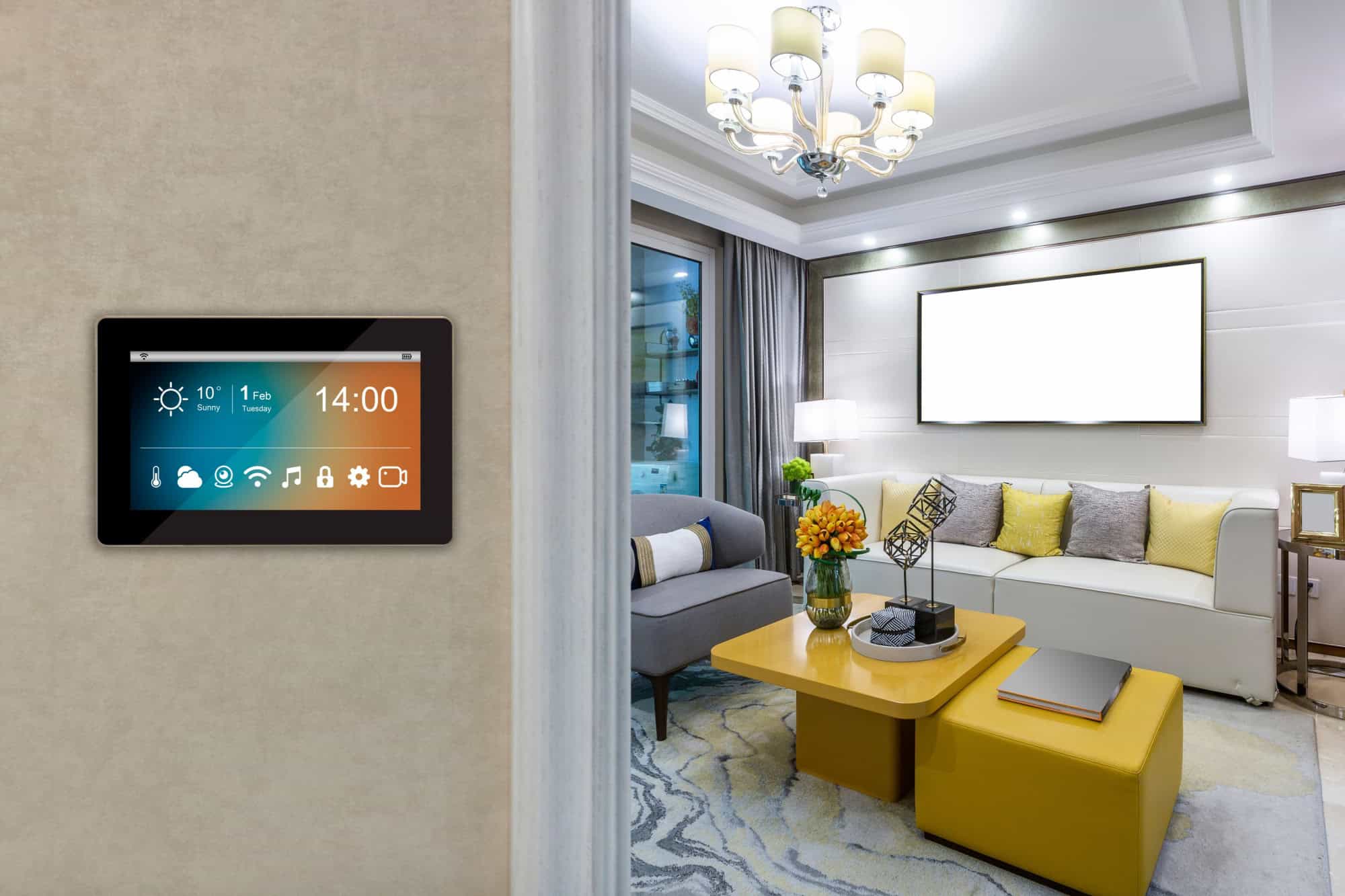
Although some homes in the 1980s had built-in entertainment or intercom systems, more and more homes are being built today with wiring and smart control built in, along with zoning for heating/cooling and flexible wiring for work/entertainment.
The expectation for smart infrastructure exists now even though not all homes currently feature high‑tech systems.
Sustainability quietly becoming part of every build
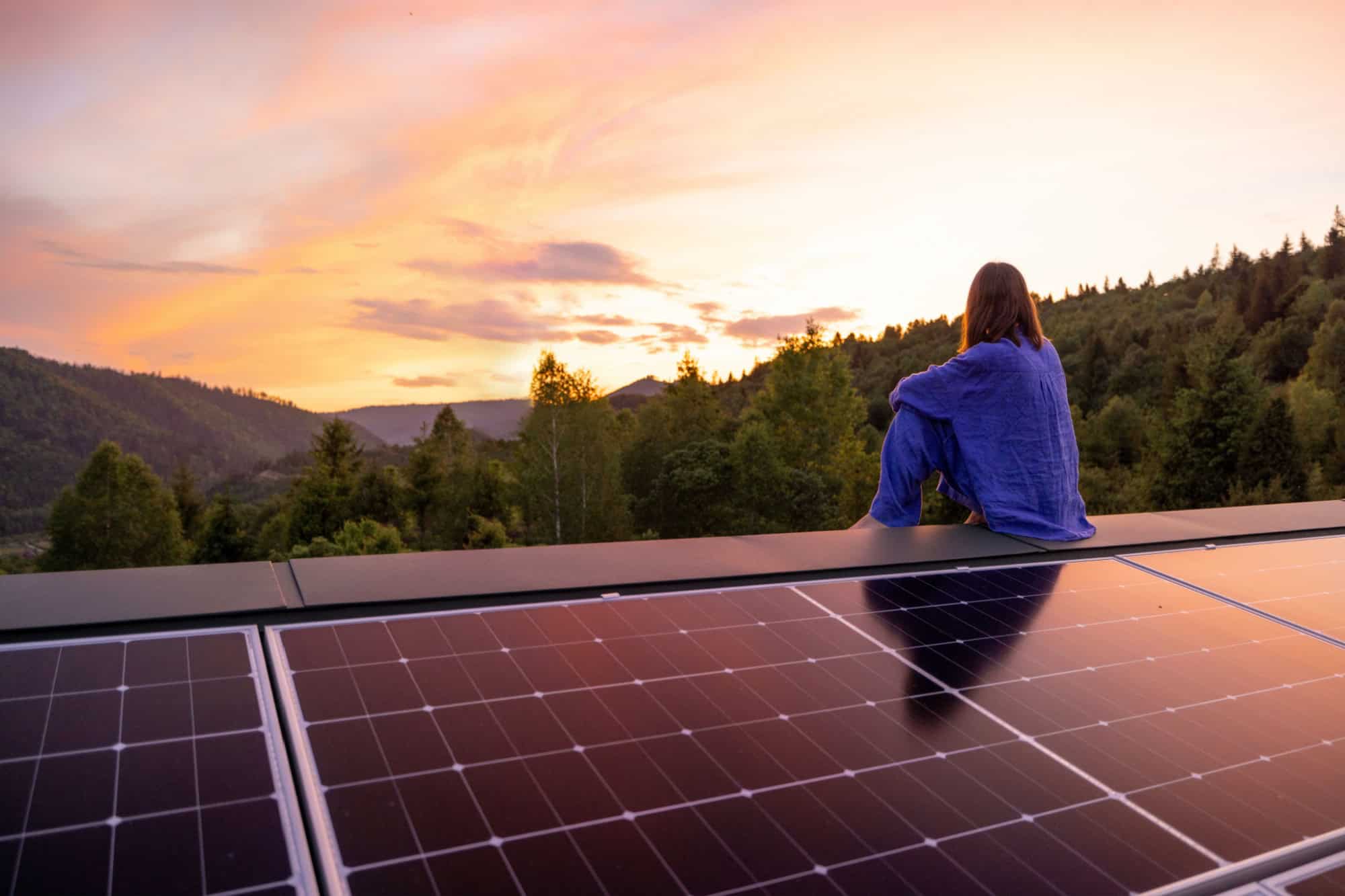
Homes were once a matter of size and aesthetics. These days, they are also a matter of performance. Many builders are starting to pay more attention to a home’s breathability, thermal mass, and energy consumption. If a 1980s equivalent came back to life, their idea of a “modern” home would seem incredibly inefficient today. Thin walls, leaky rooms, and energy-guzzling light fixtures were the norm. Current designs put more effort into working with the environment, rather than against it. Solar panels and super-insulated walls are fast becoming as standard as a front porch once was.
Sources: Please see here for a complete listing of all sources that were consulted in the preparation of this article.
Related Stories:
