

Money isn’t always the root cause of sibling rivalry when it comes to inheritance. Siblings may fight about which one did more for their parents against who did the least or who supported their parents’ poor habits. These subconscious pressures have the potential to create conflict even between siblings who have traditionally been close. Here are nine ways inheritance can cause simmering sibling rivalry.
Featured Image Credit: Shutterstock.
Emotional attachments to family heirlooms

It’s odd to think that a chair, a watch or a necklace can be at the heart of a feud between siblings. They are not merely objects with financial value. Memories are attached to them and it’s part of family history. No amount of equal distribution under the law will remove that. Studies have shown how emotion and memory can result in extended disputes between siblings.
Unspoken expectations of equal treatment

If a child feels deprived of attention, money, or recognition, bitterness sets in. The tendency to harbor resentment is especially high among siblings where parents clearly favored one child over the other during their lifetime. Research in family psychology has indicated that inequity (real or perceived) often results in prolonged tension and may even cause irreparable damage to sibling relationships.
The money gap

It can be awkward if one sibling is floundering with bills and debt, while another seems to be doing fine financially. Such financial disparities cause siblings to perceive equal legal inheritance as unfair. Research shows that siblings tend to act based on their personal views of fairness or necessity instead of following the objective division of resources.
Misunderstood actions

Sibling rivalry may occur when it seems that one child has more influence than another over a parent. This can be financial issues, choices about the family home or other decisions. Even if the parent was not acting out of favoritism, other siblings may feel marginalized. That perception can breed genuine resentment.
Legal challenges and contestations

Disputes about a will usually begin with its reading and interpretation. One sibling may feel the document is unjust, ambiguous, or forged by an outside party. Another may argue it accurately and completely conveys the decedent’s intent. Even a minor ambiguity can fuel months of tension, anxiety, and arguments that outlast all reasonable expectations.
Historical resentments resurfacing
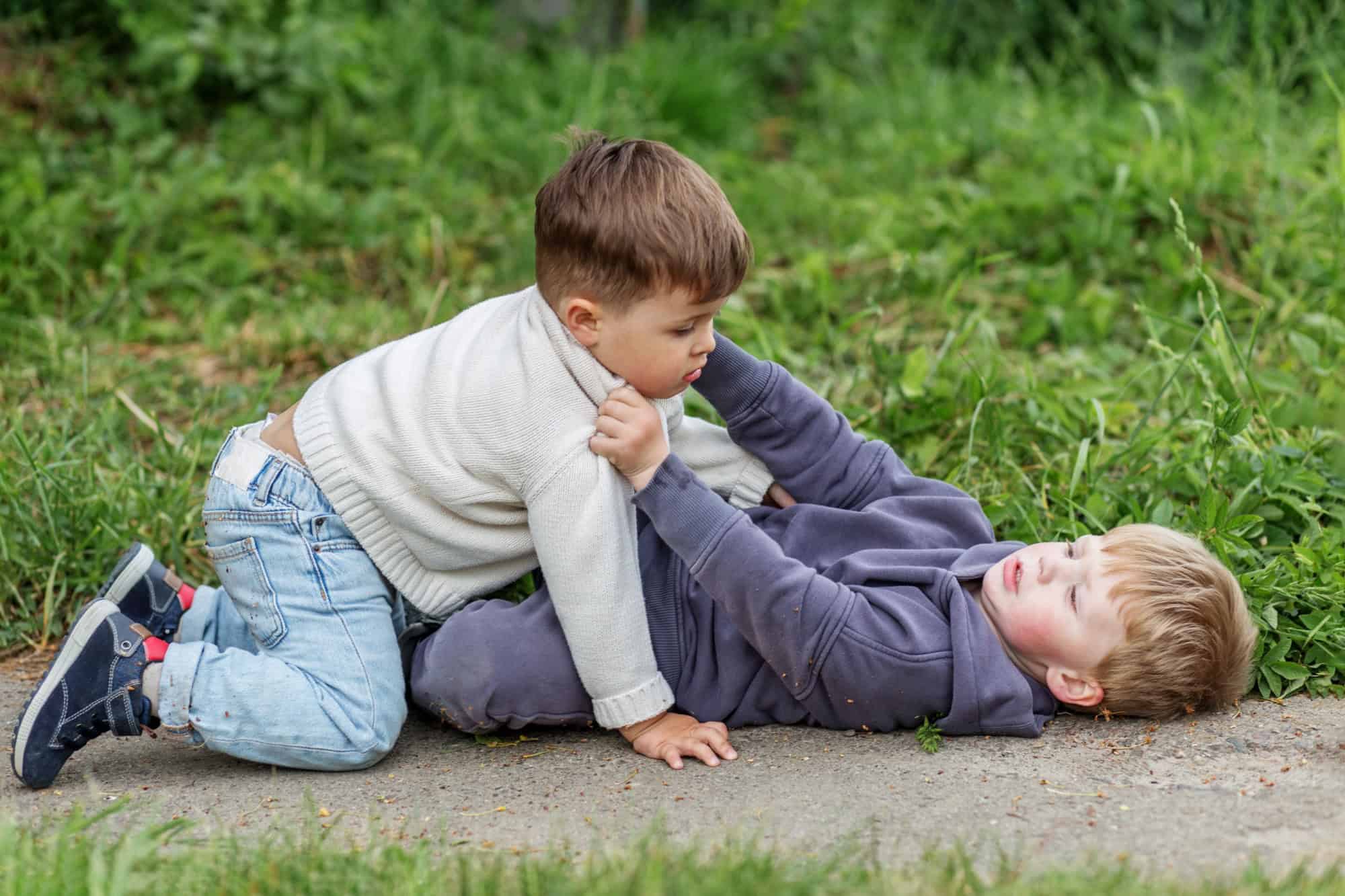
Sibling meetings to discuss inheritance often feel like time travel. Old grievances, childhood disputes, and silent rivalries can rear their heads once more. No matter how straightforward or legally sound a division may be, those old scars can still fester, making an otherwise simple conversation emotionally fraught.
Different grieving processes

Siblings grieve in different ways after a loved one dies. One may wish to hold on to letters or mementos. Another may be ready to move on and get rid of them. The clash between different coping methods makes inheritance talks highly dangerous. Family studies show such miscommunications can cause long-term friction.
Cultural expectations and obligations

Consider, for example, South Asian traditions, where the firstborn son is often “expected” to inherit the family home or land. Old family customs may trigger sibling arguments even when a parent’s will tries to prevent them. The younger children may feel overlooked or believe it’s unjust, and what should have been a legal verdict quickly becomes an emotionally charged debate.
Ripple effect on children

Sibling disputes over inheritances can also damage the children. Kids may overhear grievances, or be asked to take sides or use undue influence over parents. As they grow up, they develop their own sense of fairness or favoritism, and the conflict can last for generations. A battle between siblings may cast a very long shadow indeed.
Sources: Please see here for a complete listing of all sources that were consulted in the preparation of this article.
Like our content? Be sure to follow us.