

Most of us hate that feeling when we realize we’ve been doing something the “wrong” way for years—how did nobody tell us about it sooner? It turns out that our houses are packed with a ton of little design secrets that were made to make life easier, yet somehow never made it into the instruction manual. Here are ten household items you’re probably using all wrong. They’re sitting right under your nose, slightly misused, since forever.
Featured Image Credit: focuspocusltd/Depositphotos.com.
Aluminum Foil Boxes
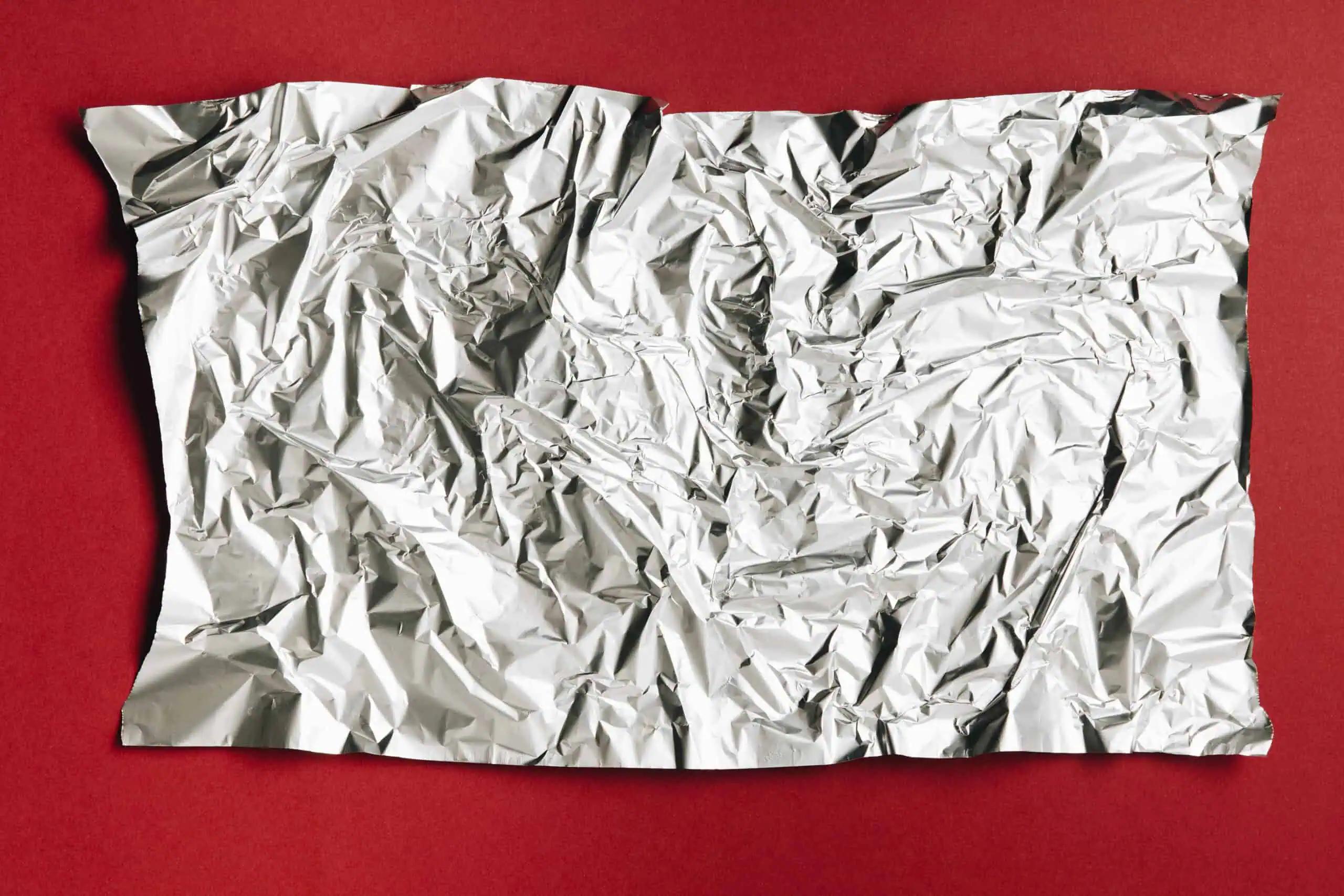
Those tiny dotted shapes on the sides of a foil box aren’t just for decoration—they’re press-in tabs that are supposed to lock the roll in place. Without them, you’re stuck with a runaway roll every time you try to tear a sheet, although most don’t even notice them because they blend right in with the rest of the box. They’re usually labeled “Press Here” or something just as subtle, and when you do, the cardboard crimps in to keep the tube from sliding out.
Dishwashers
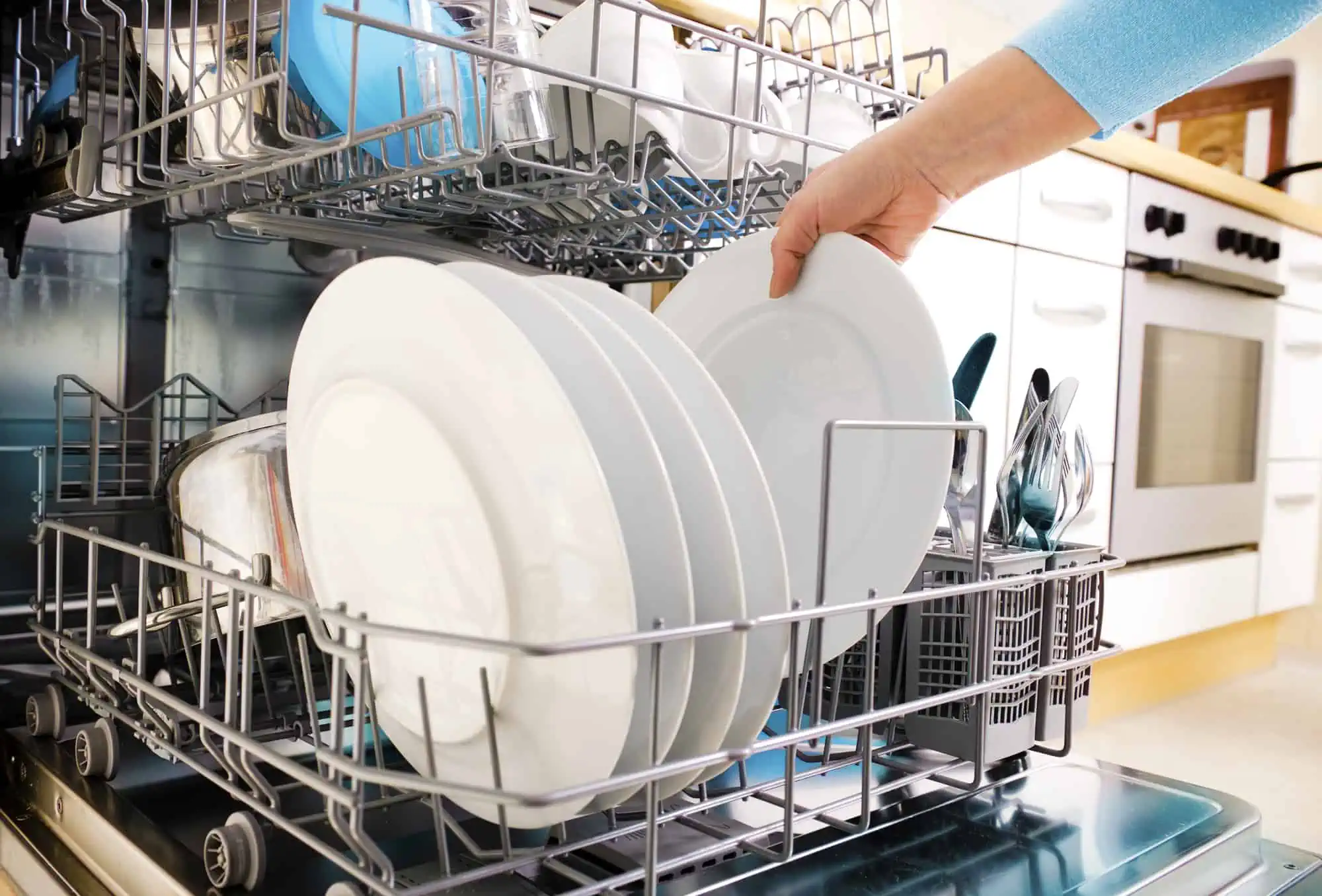
Anyone with a dishwasher has probably tilted a wine glass or smashed a pan into the bottom, just to make them fit, but it doesn’t have to be that way. Most dishwashers allow you to move the top rack up or down using a lever or clip on the side. You just need to adjust the height depending on what you’re washing, which makes a big difference when you’ve got tall plates or extra-large mugs. It also helps prevent dishes from blocking the spray arms underneath.
Kitchen Shears
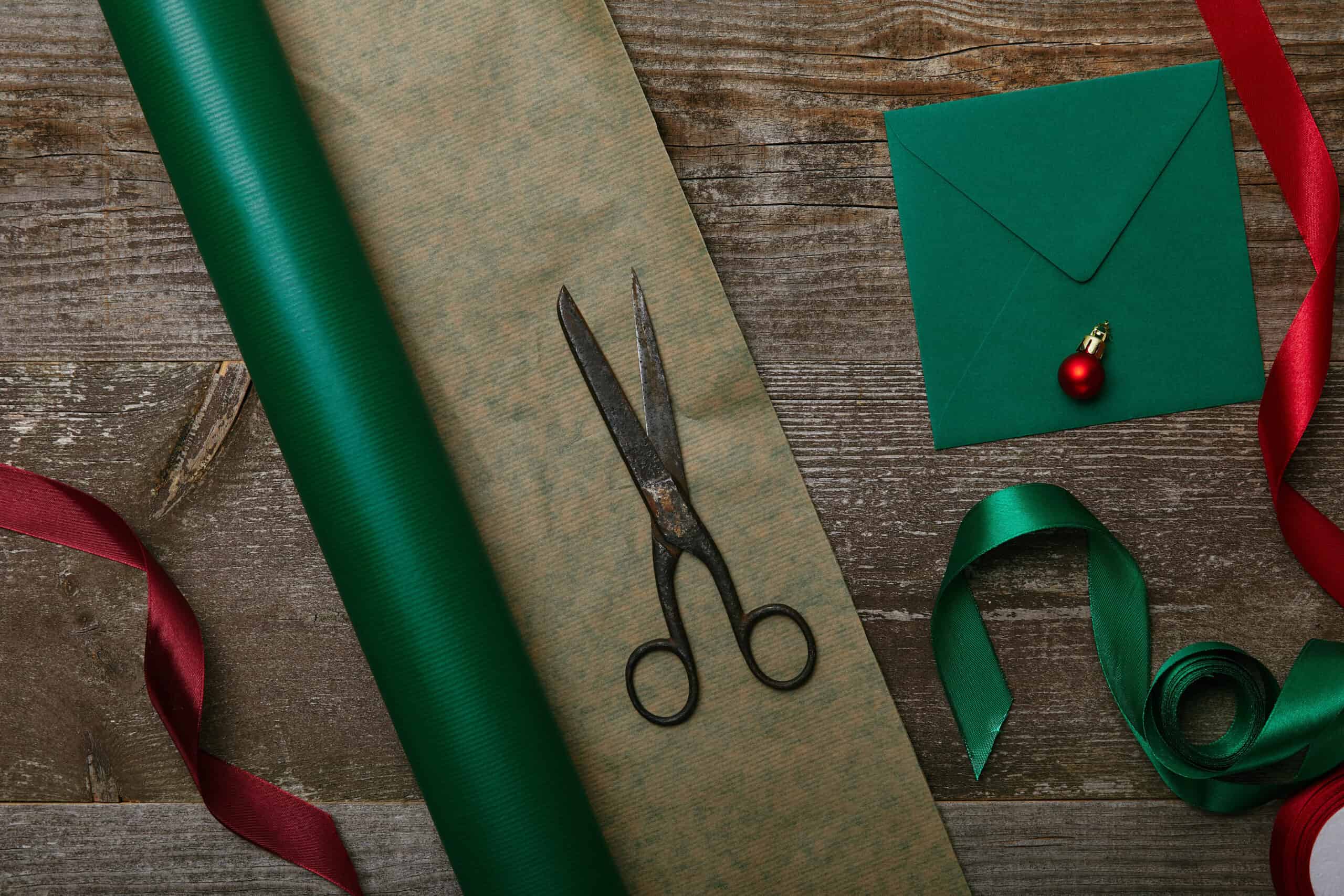
The majority of kitchen scissors usually separate into two pieces and that’s so you’re able to actually clean them properly—otherwise, food bits get stuck on the hinge. Just twist or pull them apart using the hinge-release and you’ll see all the built-up stuff that’s been collecting there. That tiny gap traps a lot more than you’d think, especially if you’re cutting meat or herbs, and no amount of rinsing gets in there unless you split them.
Toasters
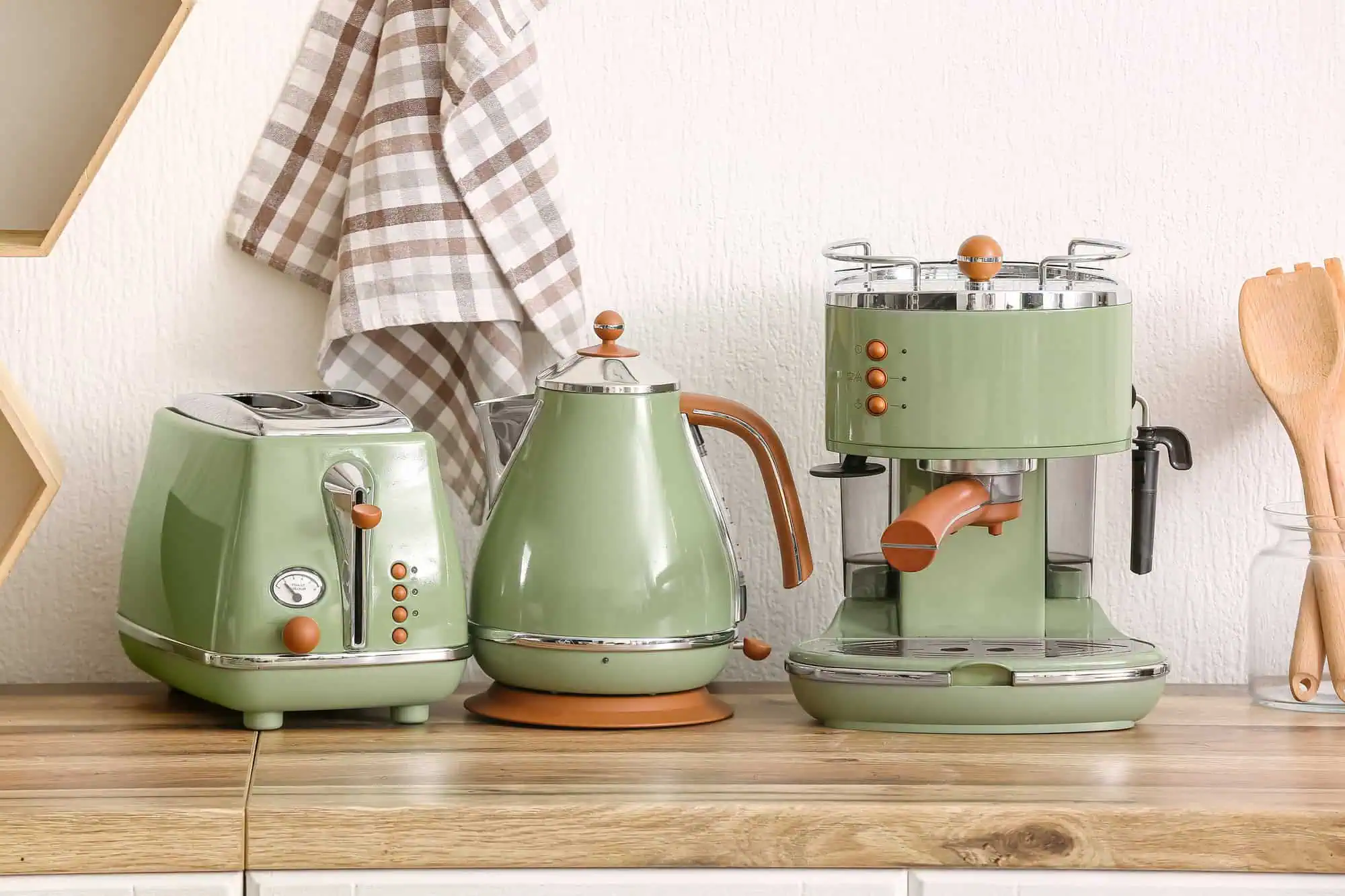
If you smell burnt toast every time you use your toaster, then it’s probably not the bread, but rather, the crumb tray at the bottom that almost no one ever checks. It’s literally designed to collect all the bread crumbs from every slice you’ve toasted—pull it out, dump it & wipe it. Leaving the crumbs to sit there may even be a fire risk if enough of them build up, so make sure you clean it out.
Fridge Drawers
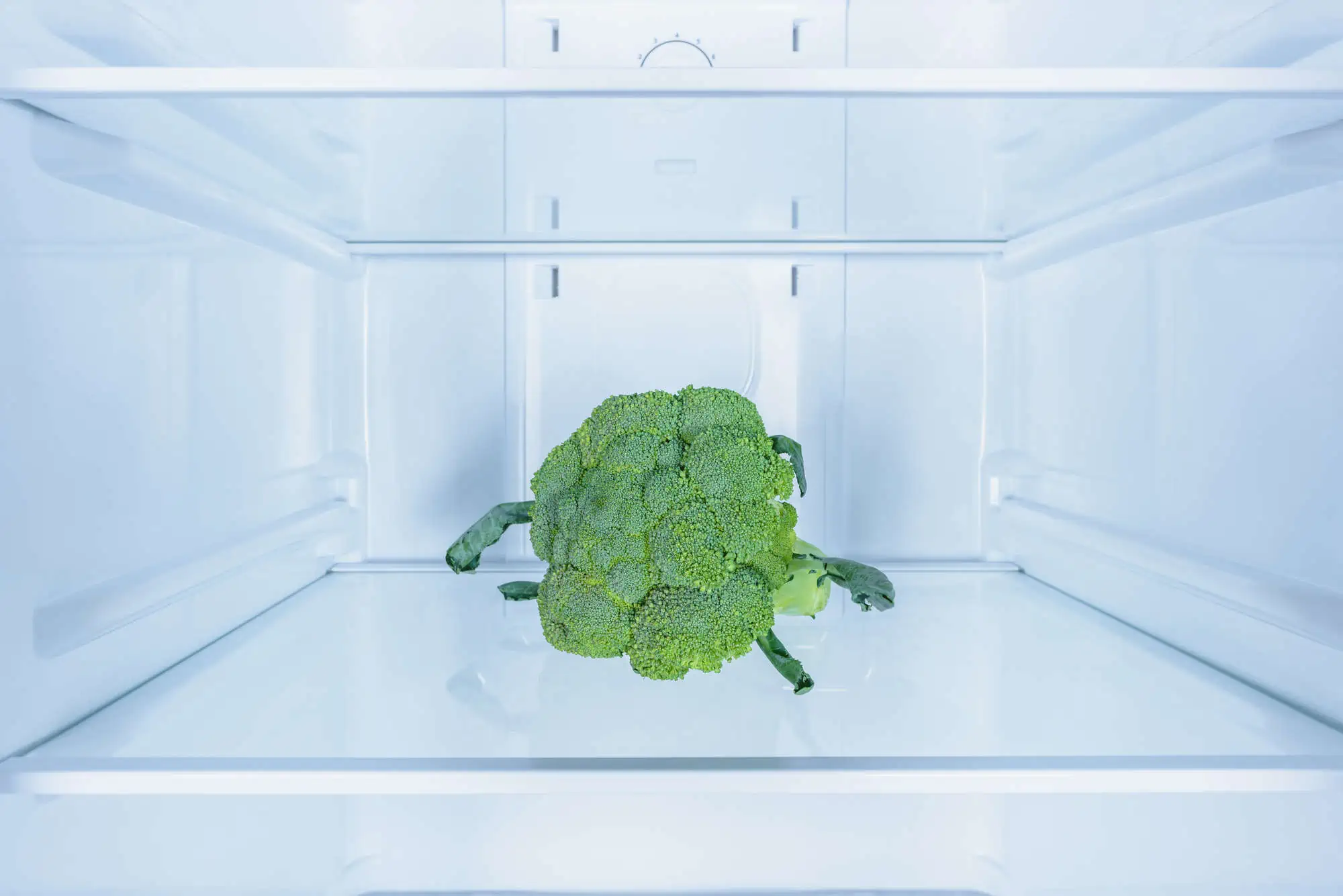
Those little sliders in your fridge drawers are designed to keep your produce fresh by changing the humidity—keep it dry for fruit & with more moisture for veggies. Throwing everything in wherever will make your stuff wilt a lot faster, so make sure you match the food to the drawer. The majority of fridge drawers will have a vent that you’re able to open or close to control how much air gets in.
Microwaves
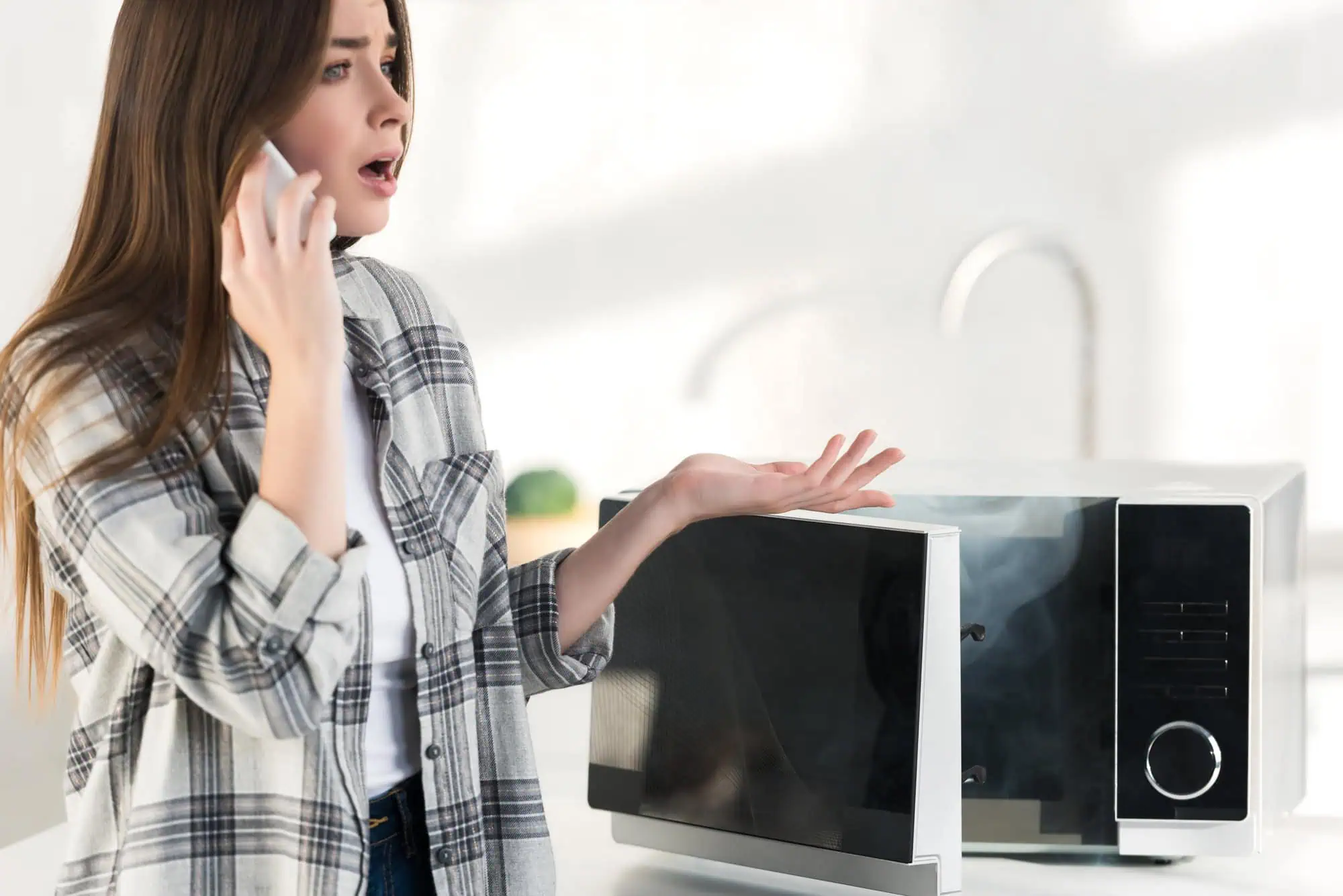
Pressing “Add 30 Seconds” on the microwave seems like the easy option, but not all microwave brands actually agree on what it should do. On some, hitting it a few times will cause the microwave to stack the time—on others, every press resets the countdown. As such, if your leftovers come out half cold or boiling hot, the button might be the issue, so it’s well worth figuring out how yours works.
Laundry Pods
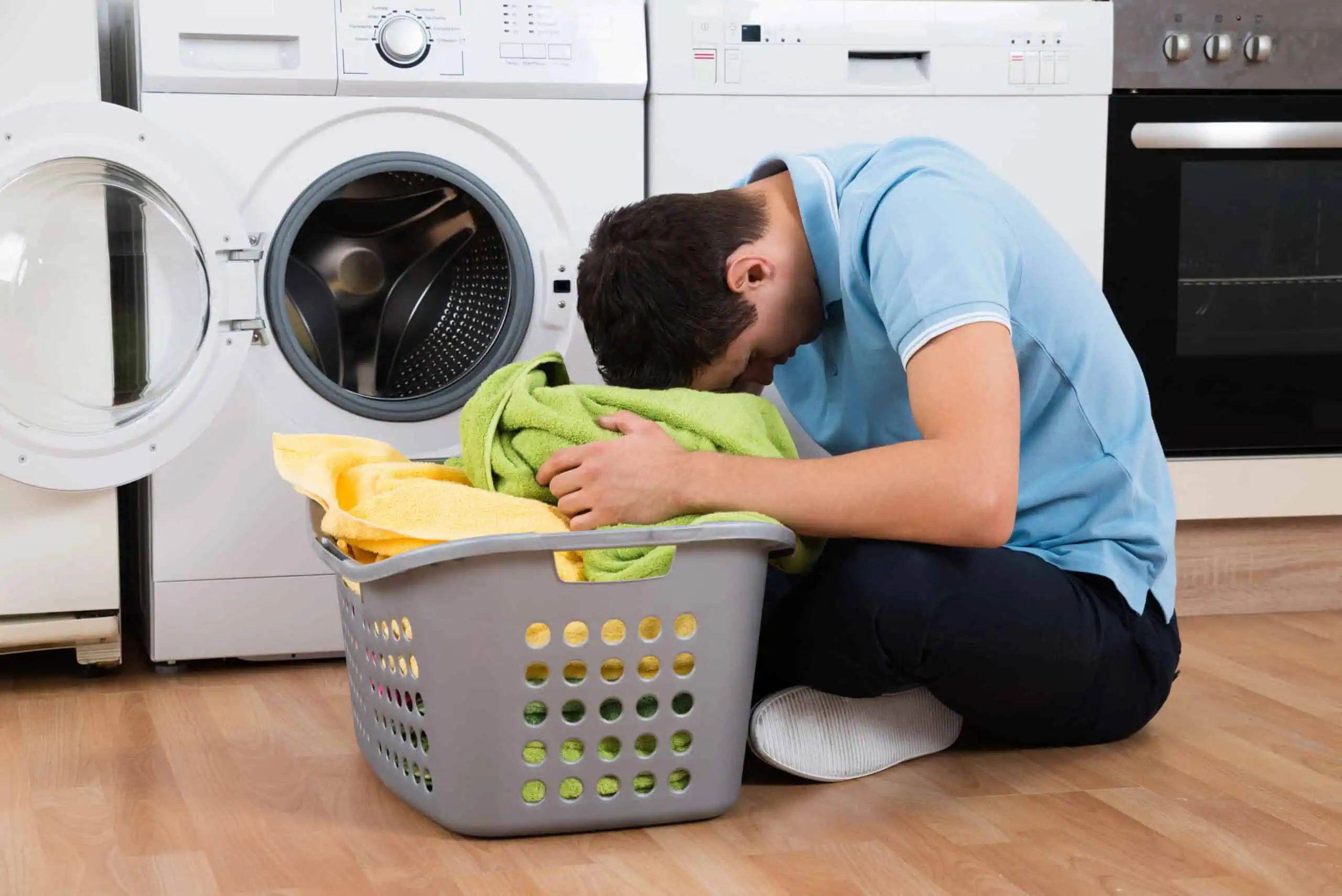
You definitely shouldn’t throw laundry pods on top of your clothes because that’s not how they’re built to work—they’re supposed to go under the laundry, directly in the drum. This way, they dissolve evenly in the water and if they stay on top, they might get stuck to your shirt. Some machines don’t add water right away to the top of the load, which means the pod just sits there, doing nothing. Simply put it in first and let the machine do its thing properly.
Blenders
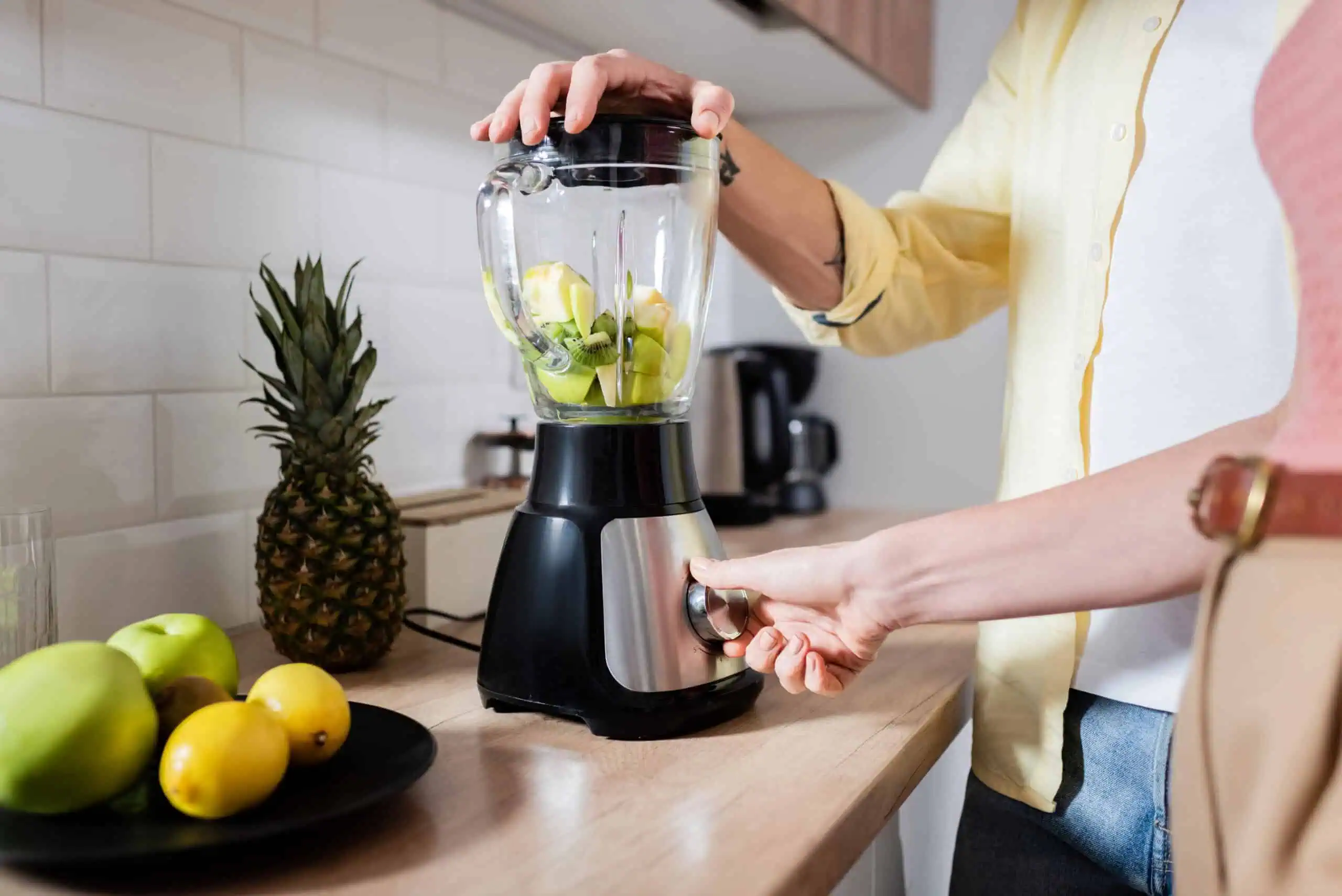
Making hot soup and using a tightly sealed blender lid is simply asking for trouble, as most blender lids have a little cap in the center that you may twist off. Doing so allows the steam to escape—but leaving it on while blending something hot will cause pressure to build up. Simply remove that cap & loosely place a towel over the hole to release steam safely while keeping things contained.
Extension Cords
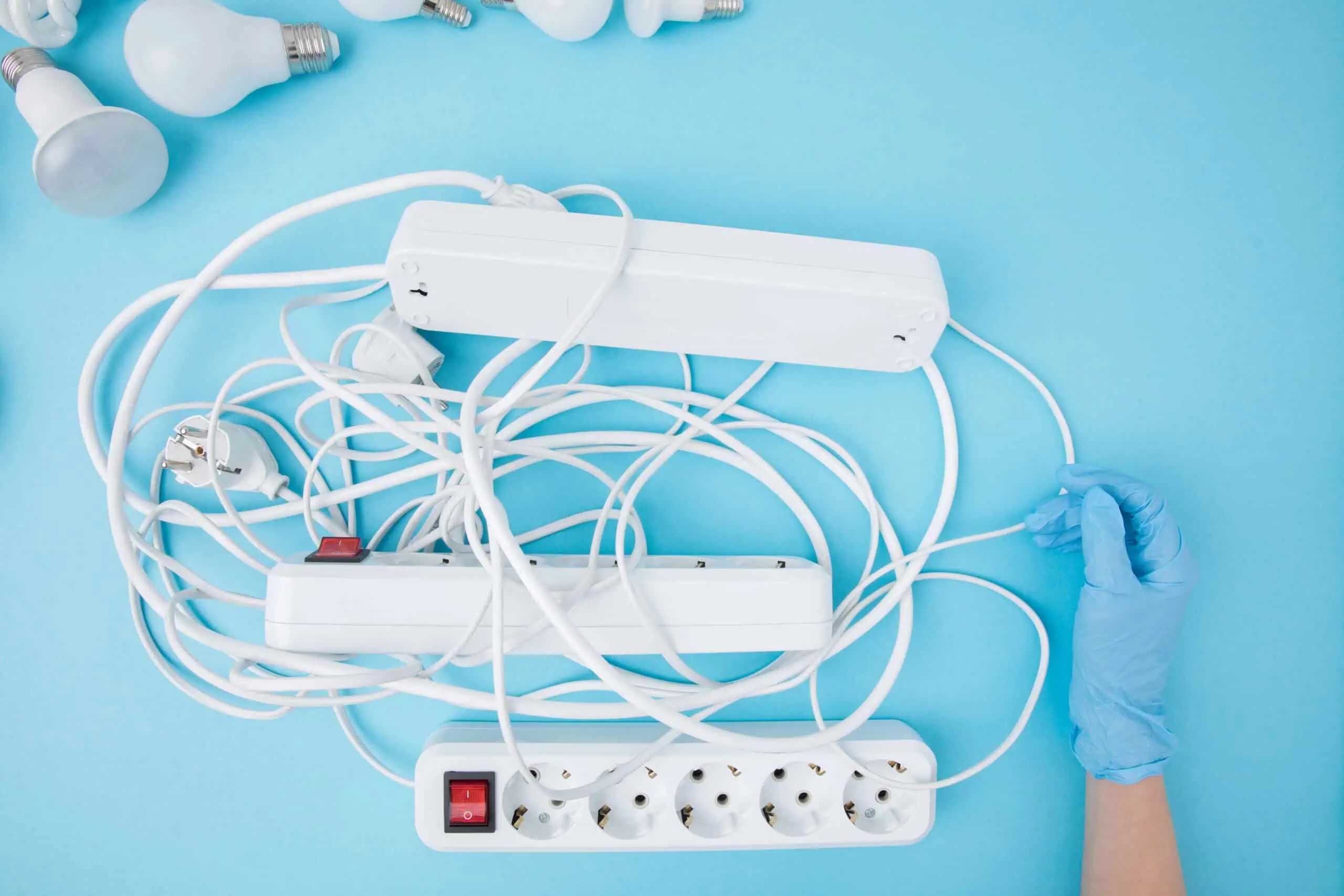
One fact people learn the hard way is that extension cords & appliance cords are actually meant to loop around each other before you plug them in. That loop adds tension so they don’t come apart mid-use, which is particularly helpful when you’re using power tools, holiday lights, or anything that tugs on the cord. You’ll never have to worry about the vacuum suddenly stopping mid-clean when the plug’s halfway across the room.
Ceiling Fan

Most ceiling fans have a little switch on them that controls the direction the blades spin, although many people usually ignore it or don’t even know it’s there. In summer, the blades should spin counterclockwise to push air down & cool the room, while in winter, clockwise on low speed is the way to go. That pulls cold air up and pushes warm air from the ceiling down along the walls. A fan going in the wrong direction wastes a lot of energy.
Disclaimer: This list is solely the author’s opinion based on research and publicly available information.
Like our content? Be sure to follow us on MSN.