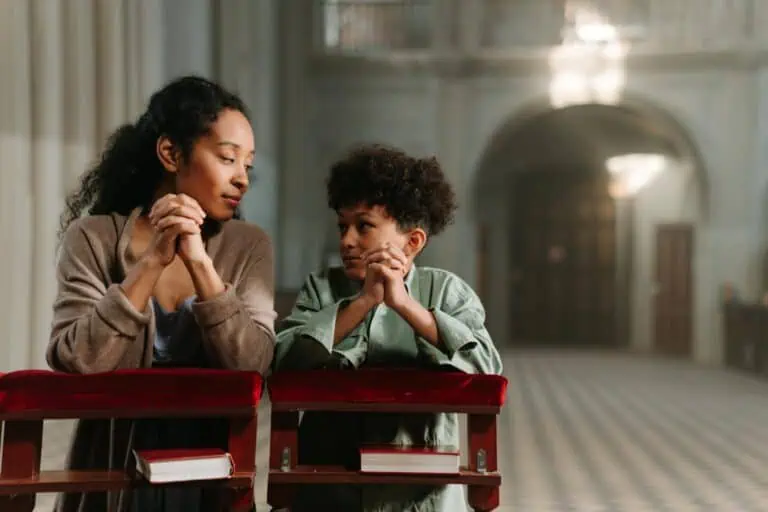

Plenty of important events have changed what modern Christianity looks like throughout history. And today we’re learning about the ten biggest ones! These events have had a lasting impact on how people practice & understand their faith. From Christianity’s humble beginnings to major reforms, each event has been pretty influential.
Featured Image Credit: Pexels.com.
The Crucifixion of Jesus Christ
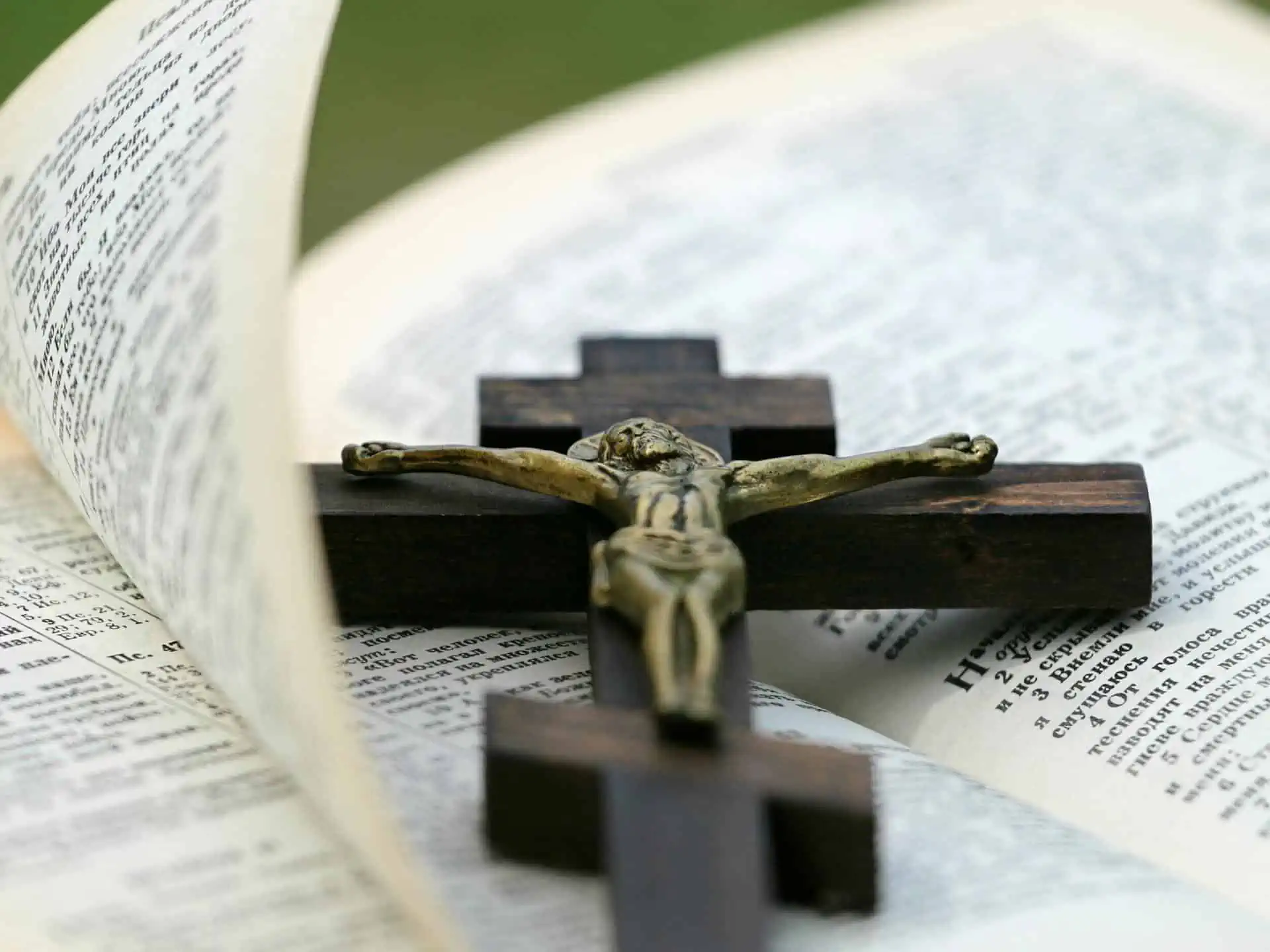
The crucifixion of Jesus around 30 A.D. is where Christianity really begins and it’s the moment Christians point to when they talk about Jesus dying for people’s sins. It’s at the center of Christian teachings and is one of the major factors for how the religion spread far & wide. His crucifixion was more than a mere religious symbol.
The Council of Nicaea (325 A.D.)
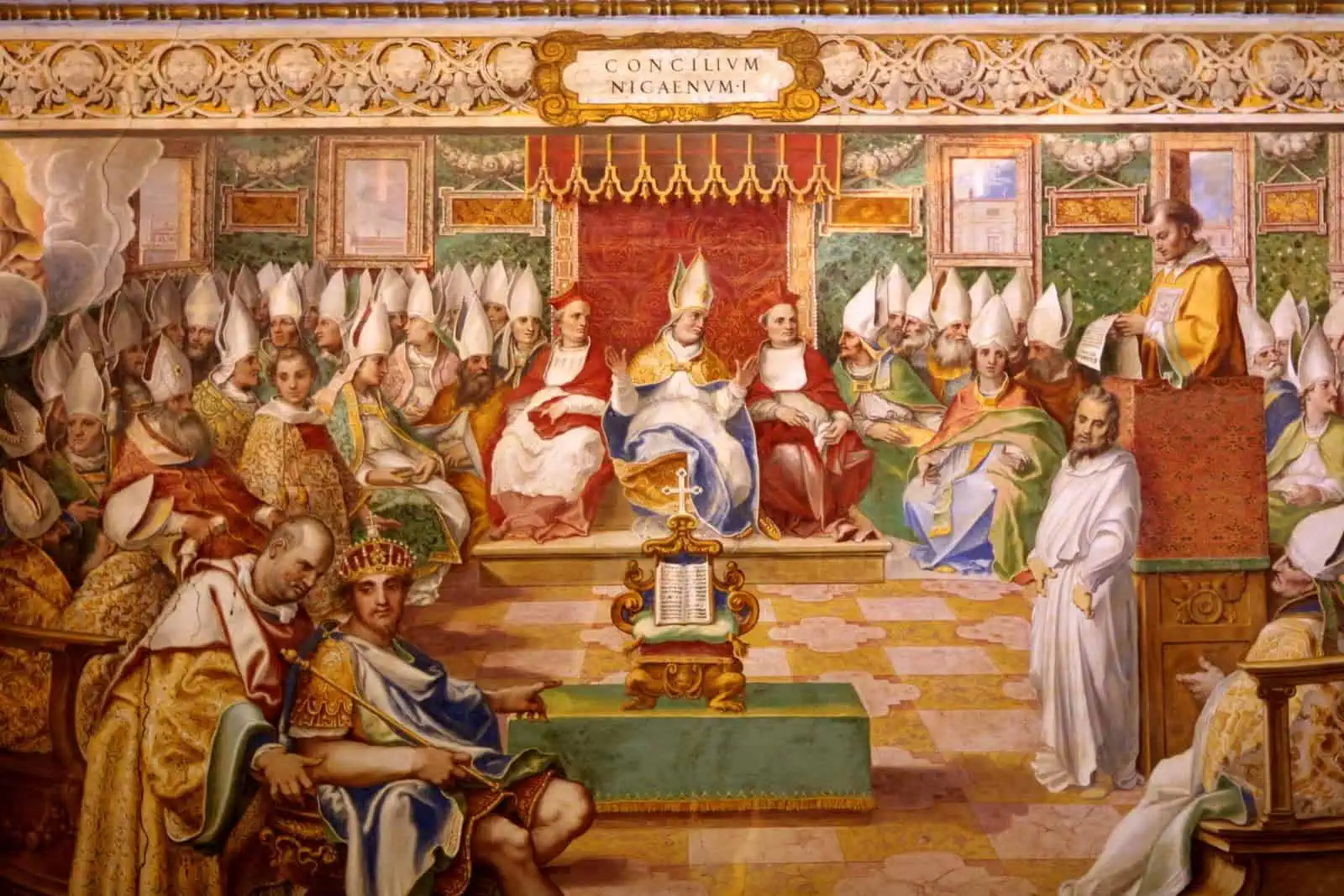
Back in 325 A.D., Roman Emperor Constantine called for a meeting known as the Council of Nicaea. It involved Christian leaders getting together to hash out some of the biggest disputes in the church, leading to the creation of the Nicene Creed. Essentially, it was a statement of what Christians believe & the moment helped everyone get on the same page.
Like our content? Be sure to follow us.
The Fall of Rome (476 A.D.)

As you might expect, the fall of Rome in 476 A.D. was a huge deal for Christianity. The church stepped into the power vacuum left behind, soon becoming a powerful force that influenced all parts of daily life. You could feel the church’s impact across the whole of Europe and it started a new era for religion.
The Great Schism (1054 A.D.)

In 1054, the Christian church split into two—the Eastern Orthodox Church & the Roman Catholic Church. It happened after years of constant bickering and later, it became known as the Great Schism. It showed there were now two main paths in Christianity, affecting people’s personal faith as well as their politics.
The Protestant Reformation (1517 A.D.)
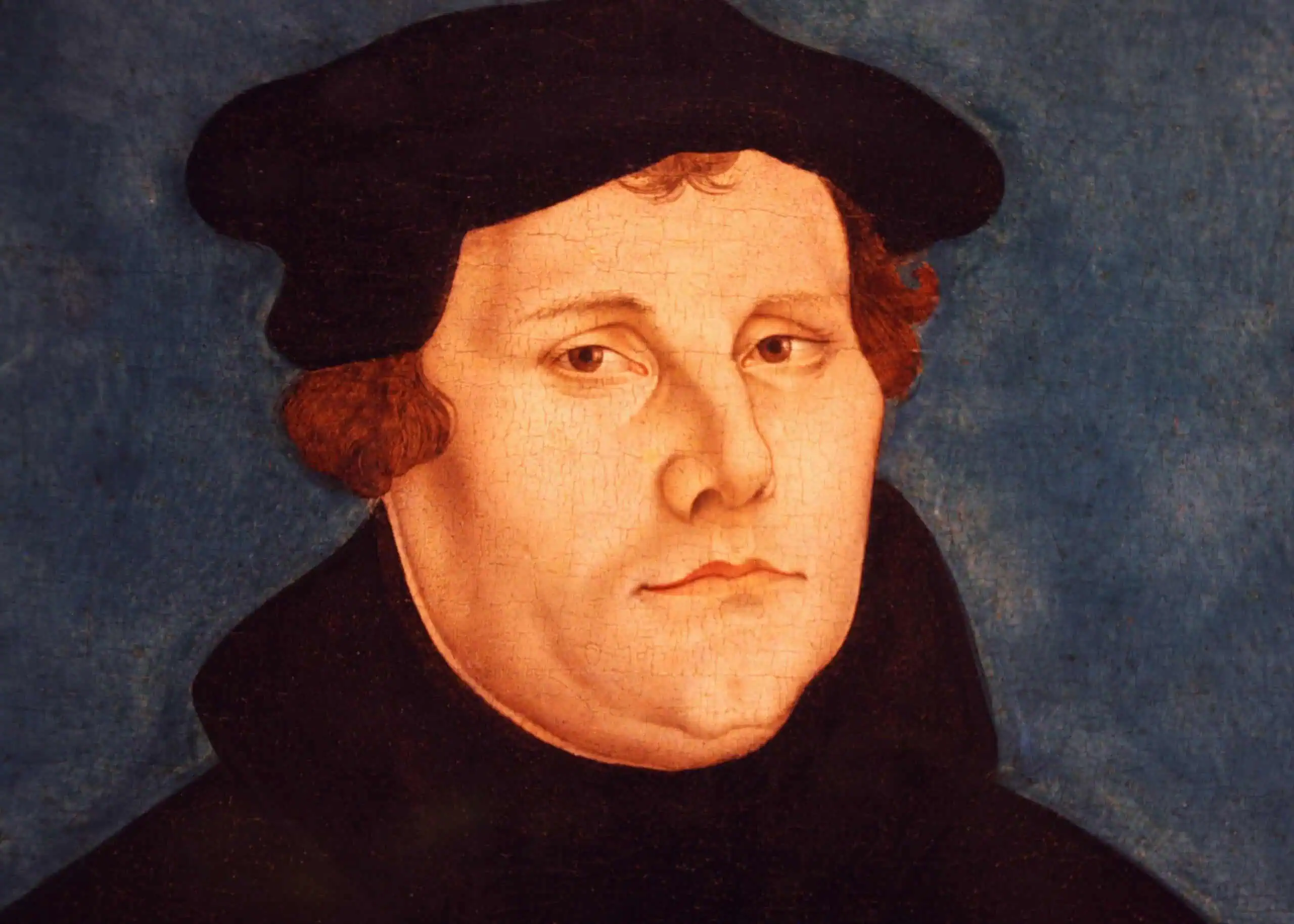
Martin Luther kicked off the Protestant Reformation in 1517 by nailing his 95 Theses to a church door. Essentially, it was a list of things he thought were wrong with the Catholic Church. His Theses led to a huge movement that created a bunch of new Christian denominations. But more than that, it also changed a lot about how Christians worship & think about their faith.
The English Reformation (1534 A.D.)

In 1534, the English Reformation started when King Henry VIII decided to create his own church, the Church of England. Why? Because he wanted a divorce that the Catholic Church wouldn’t allow. Such a development transformed England’s approach to religion & culture, later allowing for more religious reforms.
The Council of Trent (1545-1563 A.D.)

Of course, the Catholic Church wasn’t just going to sit back and watch as the Protestant Reformation unfolded. Between 1545 and 1563, they created the Council of Trent to clean up the church & clarify Catholic teachings. Think of it as their way of making a comeback—they wanted to bring back followers who were turning to Protestantism.
The Discovery of the New World (1492 A.D.)
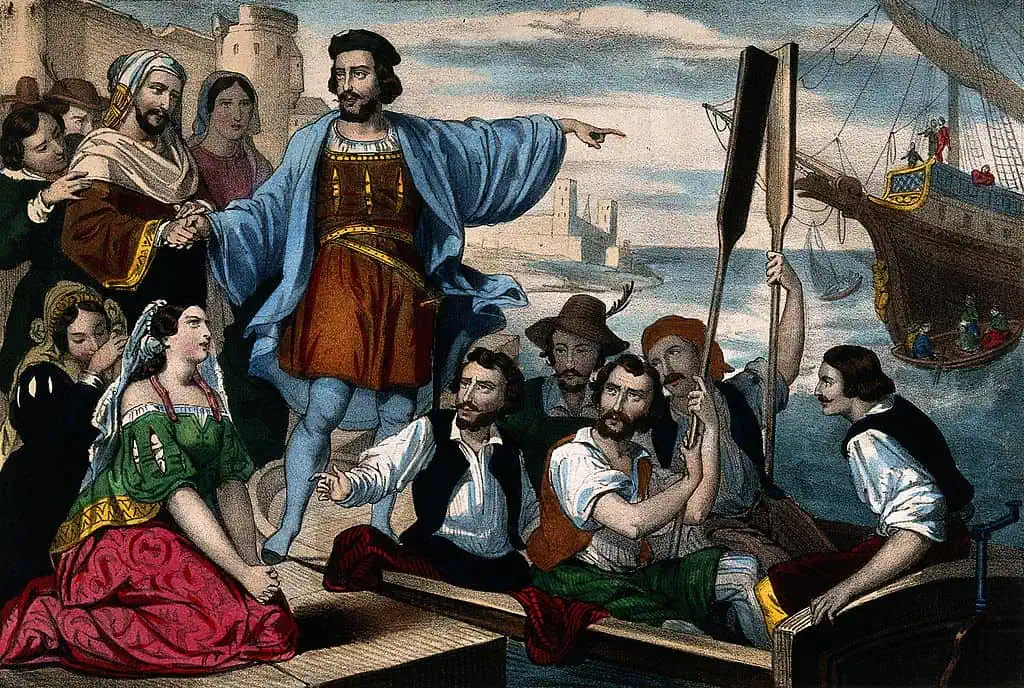
When Columbus landed in the Americas in 1492, it opened up a whole new frontier for Christian missions. Christianity spread across the New World and quickly expanded, increasing the religion’s reach & influence. Beyond exploring new lands, it was a moment that involved spreading Christian teachings across the planet.
The Second Vatican Council (1962-1965)
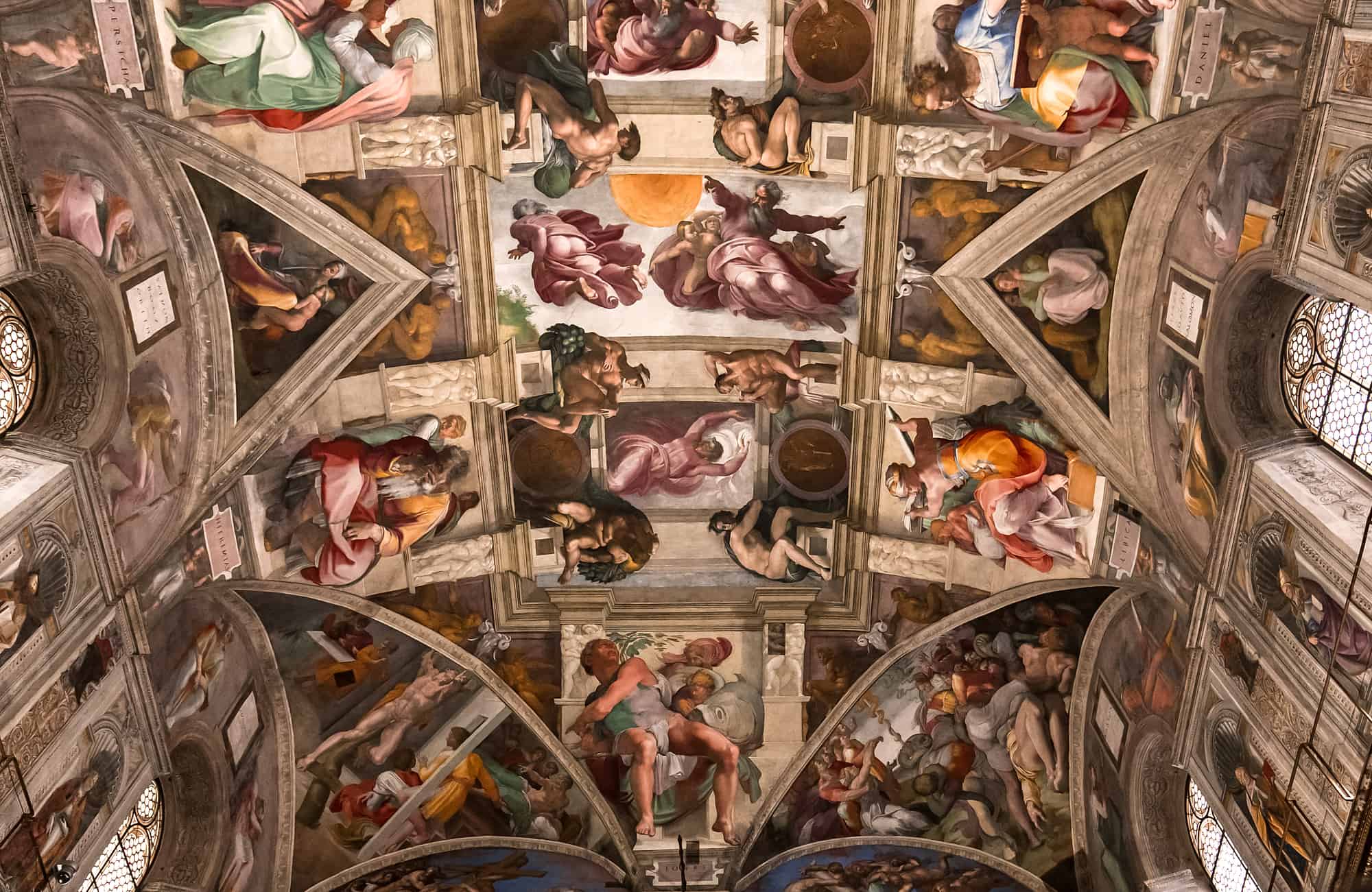
The Second Vatican Council took place from 1962 to 1965 and involved updating the Catholic Church. Eventually, they made some big changes, like allowing services to be held in local languages instead of just Latin. It was pretty groundbreaking! These changes helped make the church more relevant in a rapidly changing modern world.
The Rise of Pentecostalism (Early 20th Century)
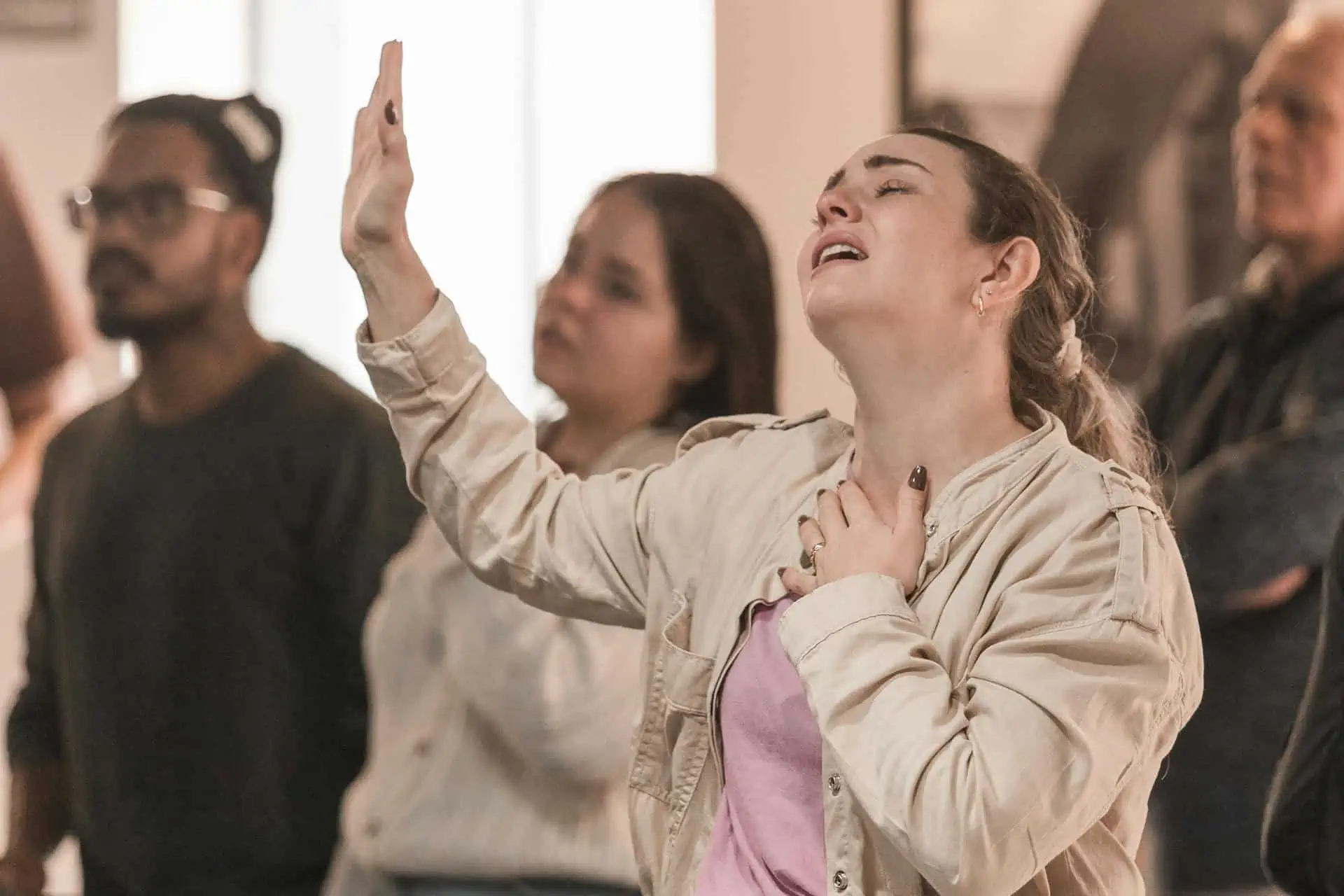
Pentecostalism started picking up steam in the early 20th century and really changed the landscape of modern Christianity. Believers support personal experiences with God & the Holy Spirit, turning religion into an even more personal thing. The movement has grown incredibly quickly. It’s also affected Christian worship & community life around the world.
Disclaimer: This list is solely the author’s opinion based on research and publicly available information.
Like our content? Be sure to follow us.
Read More: