

Even the most ardent atheist historians agree Jesus of Nazareth lived.
Tacitus
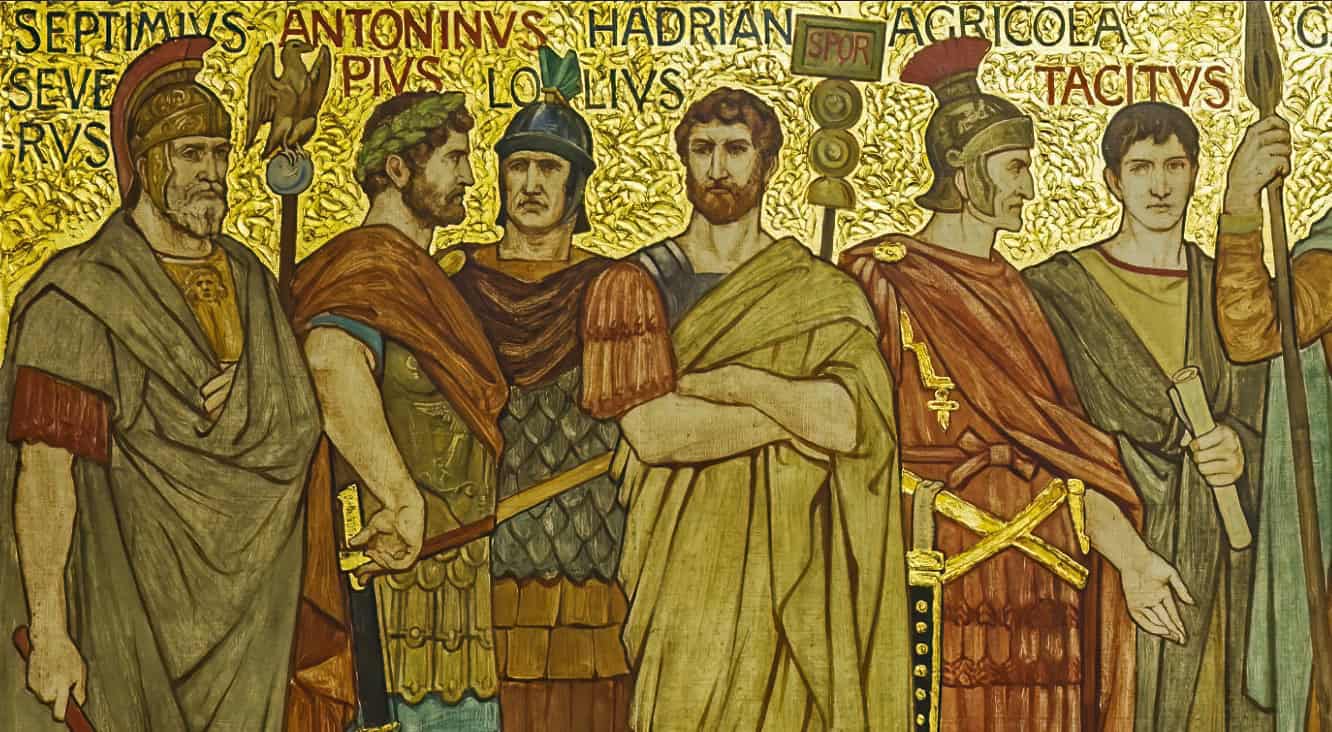
One of the strongest pieces of evidence we have actually comes from a Roman historian called Tacitus.
Tacitus was not a fan of Christians, he described them as a “deadly superstition.” However, in his notes, he casually states that their leader was put to death by Pontius Pilate.
The best part about history is that he had no reason to fabricate this or make it better for the Christians. He simply was noting what happened during a criminal execution during Nero’s rule.
The historian’s blatant anti-Christian stance strengthens the validity of his statement about Jesus.
James, Jesus’ brother

Josephus matters so much to historians because he is an outsider testifying. In his recounting of James’ death, he inserted Jesus’ name for clarity.
He’s not preaching conversion here, he’s simply trying to be clear who James is. Historians get excited about this fact because this isn’t a religious tract, it’s just straightforward reporting.
Fabricating a miracle is significantly less difficult than casually mentioning a family member.
The crucifixion

During that time period, a hero didn’t die a slave’s death. They conquered things. Crucifixion was embarrassingly painful and people avoided discussing it.
The gospel writers certainly wouldn’t have celebrated Jesus’ crucifixion; it was hardly a victory for their hero. The opposition would’ve loved that reason to ridicule them.
Why did this incredibly difficult detail end up in the narrative? Because it was true.
Celsus

You want proof that someone was real? Look to their enemies. Celsus was one of the earliest opponents of Christianity and spent his life refuting it.
He mocked Jesus’ birth. He mocked his disciples. He mocked everything Jesus taught. But you will never see Celsus claiming Jesus was mythical.
Claiming Jesus was purely fictional would have been a fatal blow to the religion. It would have made Celsus’ job ridiculously easy. That’s why historians see his lack of comment on the matter as a strong indication that Jesus was real.
The timeline

In Jesus’ case, the gap is extremely short. We’re talking years, maybe a generation.
The tales weren’t being passed down through layers of people. Those telling the stories could have, if they’d chosen to, gone and talked to Jesus’ relatives.
So you don’t have a lot of time for a fully fleshed-out myth to develop.
Small, local details

Here’s something to think about. One way to spot a made-up tale is when the story’s overall vibe feels off.
But everything about the Gospel stories lines up with 1st-century Palestine. The economics, politics, architecture, even the names of the characters, are common names of that era.
Someone attempting to contrive something like this outside of Palestine would have gotten details wrong. It just shows the authors knew the region.
Movement origins

It would have been impossible to start a movement founded on a non-existent person in a small, literate community.
The Judean community was close-knit. Rumors spread quickly, and records were kept. If the story of Jesus was fraudulent, the critics living at the time had every means to prove it.
Just a quick check of the local burial grounds or tax rolls could have debunked the whole thing.
Early texts and disagreements

One mark of a fabricated story is that it smells like it was composed by one person with an agenda.
The accounts of Jesus read like they were written by men desperately trying to recall. There are inconsistencies in language and sequence of events that make it seem unedited.
The lack of editing in the earliest manuscripts is a massive historical tell that they are genuine.
It points to one real man changing the world, with everybody else scrambling to keep pace.
References to Jesus in different types of writing

If Jesus had been a fictional character, we would only find him in the fan fiction of his followers. He doesn’t.
He’s all over Roman documentation, Jewish history and snarky commentaries. They didn’t know each other. Most of them hated each other. So, when a Roman official and a Jewish historian both talk about the same rebel? A huge “tell.”
It wasn’t some conspiracy of one group of liars trying to make everyone else repeat their fiction. It’s a trail of documentation that circles back to one real, historical figure.
The behavior of His followers

Most humans lie to avoid trouble, not get into it. Christ’s earliest followers were tortured and mocked for their story.
If they were making up a “Christ” for amusement, the game would’ve ended when Romans invaded. But they didn’t waver until the end, and that’s how humans naturally respond to truth.
Historians can’t help but find this convincing, because myths don’t create martyrs. For those who witnessed it, Jesus was undeniable.
Sources: Please see here for a complete listing of all sources that were consulted in the preparation of this article.
10 remarkable facts about Mary, the mother of Jesus
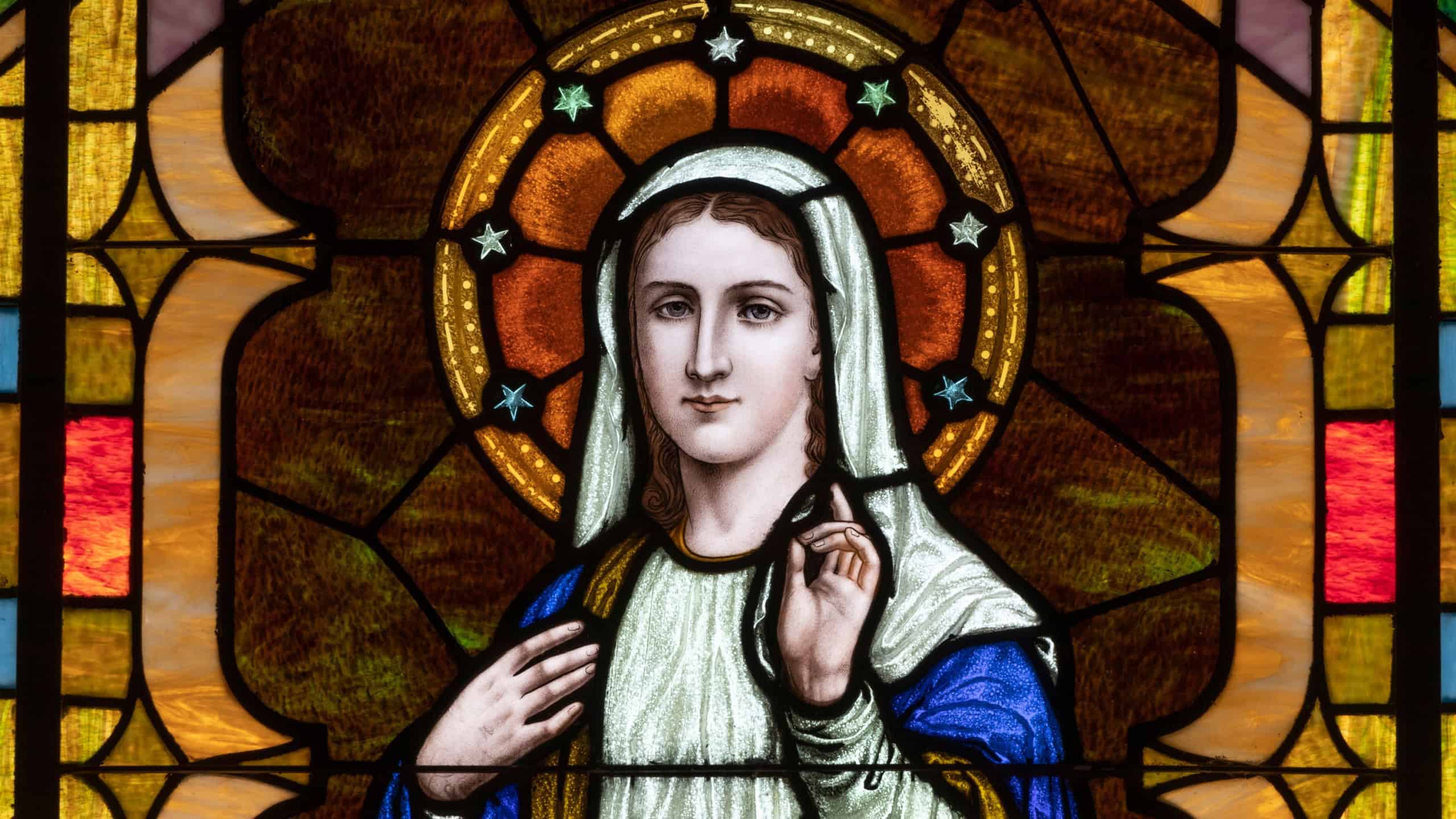
Mary’s easily one of the most important people in all of biblical history, and here are ten remarkable facts about her that you may not know.

