
The name “Jesus” is a modern fabrication; 2,000 years ago he would have answered to very different original names.
Yeshua
Yeshua was his given name. Aramaic speakers would have pronounced it something like “yay-shoe-wah.”
That name was everywhere back then, much like “Josh” is these days. Growing up in northern Galilee, he probably had a strong local accent as well.
Some historians think many people living in that area dropped or changed certain sounds. For example, when he pronounced his name, it may have sounded slightly more slurred than how someone from the cosmopolitan city of Jerusalem would pronounce it.
Yeshua bar Yosef
There were no last names during this time period. So, individuals were often identified by their father’s name.
In formal settings, or when introduced to someone new, he would be referred to as Yeshua bar Yosef, or literally, Yeshua son of Joseph.
His formal name was the one used by neighbors and in official paperwork, like the records kept by the local tax collector or the carpenter nearby.
Yeshua Ha-Nozri

Since Yeshua was such a common name at that time, those writing later frequently added clarification of which Yeshua they were referring to.
One method was by adding their place of origin. In his case it was Yeshua Ha-Nozri.
Although this means “Yeshua of Nazareth” some believe the term Nozri was also a code word of sorts.
When pronounced in Hebrew it is close to the Hebrew word meaning a branch or shoot. Some try to connect this to ancient Jewish messianic prophecies of a Messiah to come.
Mari
None of his disciples or followers would have ever referred to him by his given name. That would have been disrespectful to a Rabbi.
They would have referred to him as Mari, which was equivalent to saying “My Master” or “Sir.”
That wasn’t about declaring divinity; it was just how a student addressed their Rabbi out of respect.
Iēsous
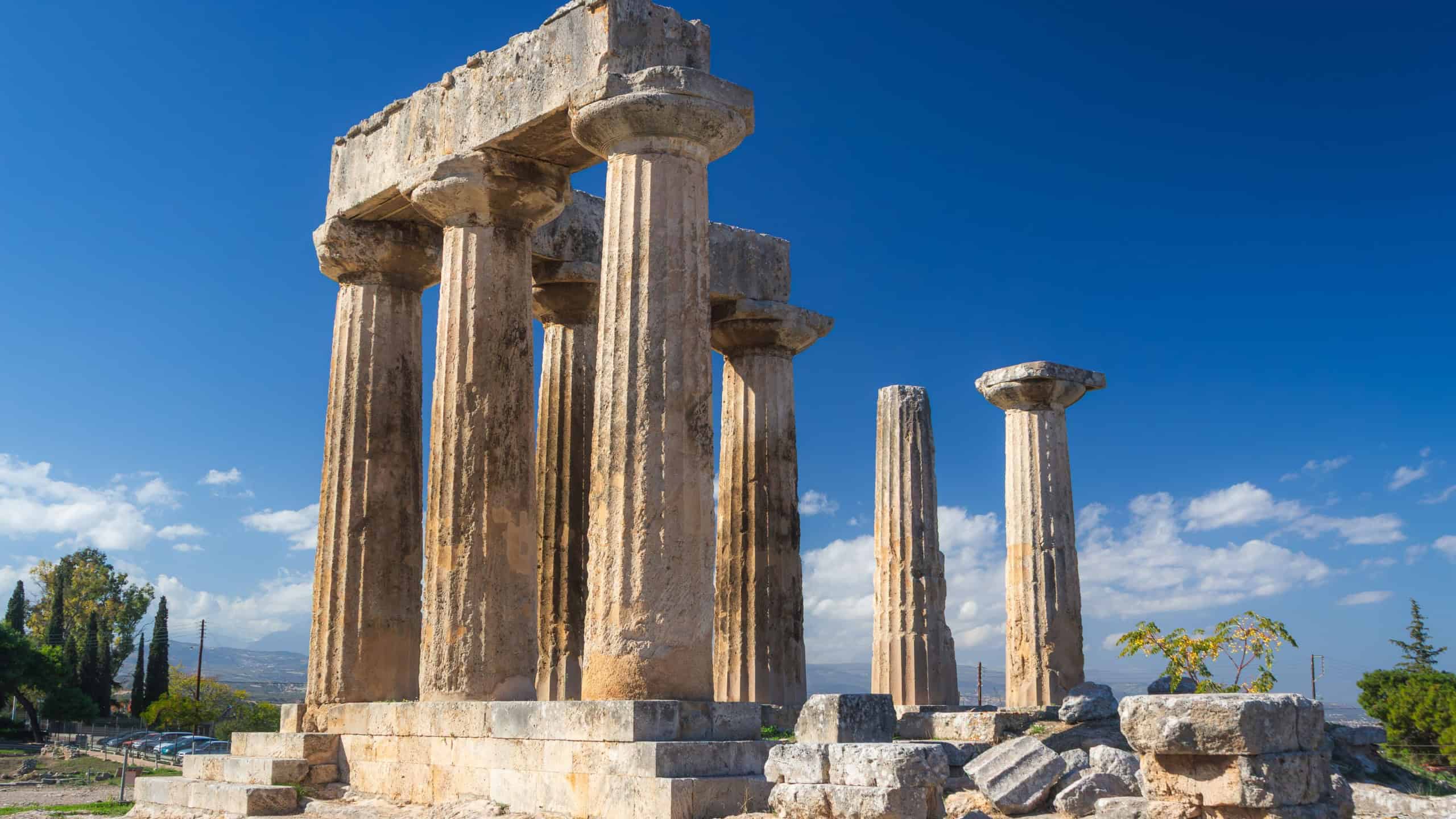
As he began to visit larger Greek-speaking communities, his name began to change to Iēsous.
Greek lacked a “sh” sound, so Yeshua couldn’t be pronounced exactly as it was. The name was also altered by Greek letters and their sounds.
Eventually, this Greek version was adopted in the earliest parts of the New Testament.
Rabbouni
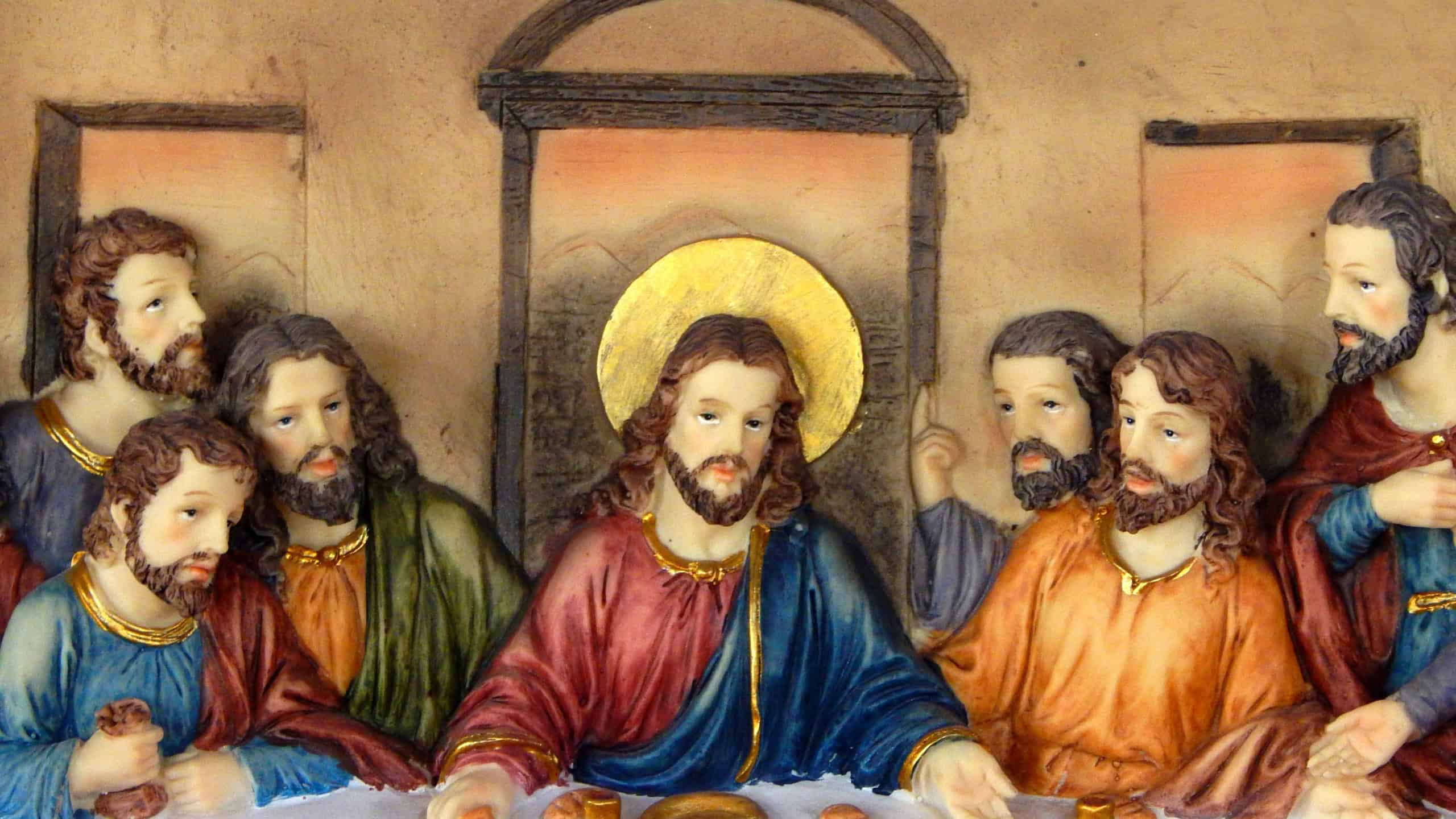
From time to time, in moments of deep feeling, his closest companions would call him Rabbouni.
The term is a stronger, more heartfelt version of the familiar word “Rabbi,” or teacher. It reflects considerable fondness, coupled with reverence.
We know this was an actual word they used because in the story where Mary Magdalene first sees him after his resurrection, the Bible retains the Aramaic word.
Son of Mary
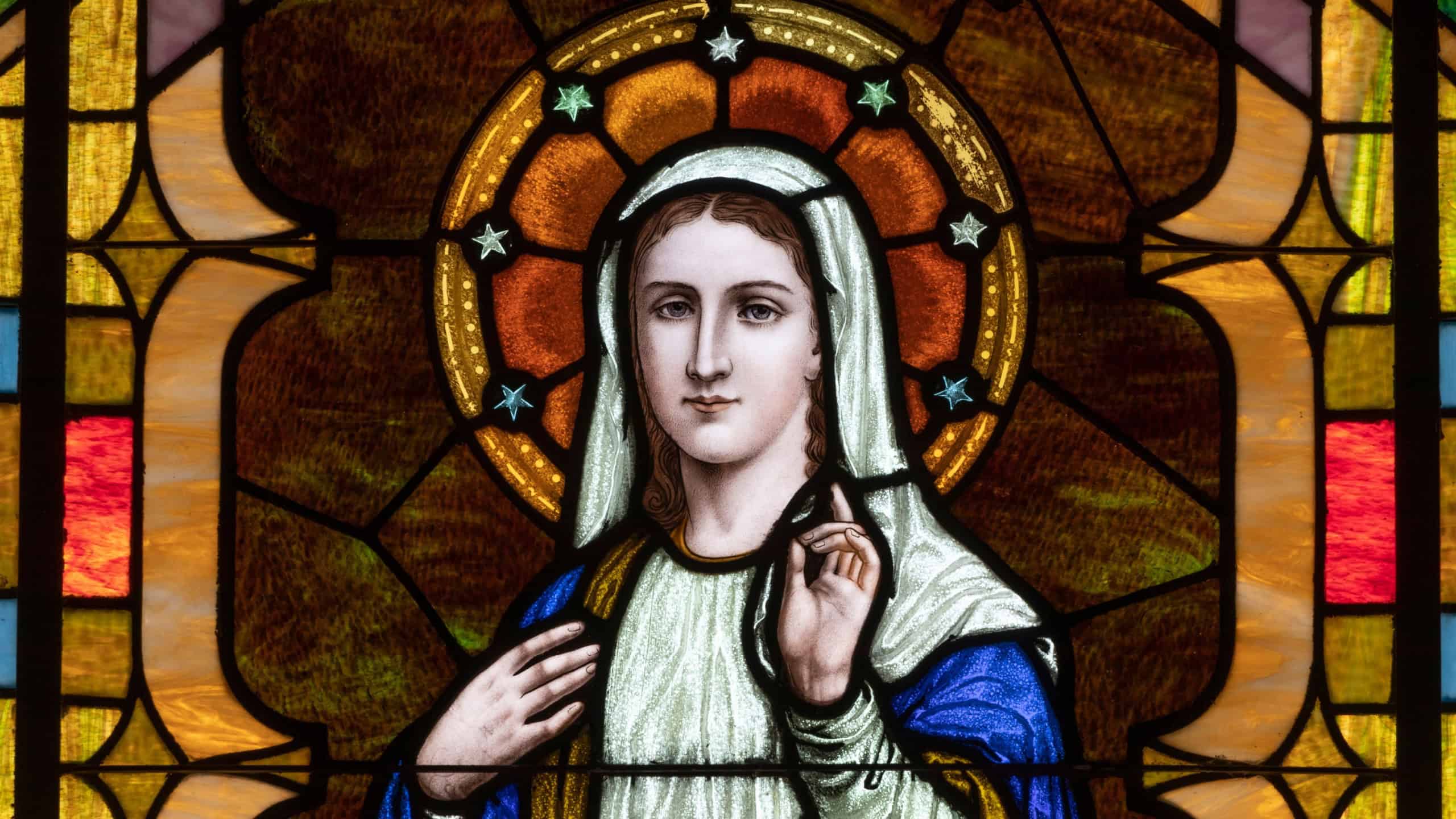
Neighbors in his hometown began referring to him as “Son of Mary” rather than using his father’s name.
In ancient times it was rude to refer to a man by his mother’s name.
So when people refused to call him by his father’s name and instead called him “Son of Mary” what they were gossiping about was the legitimacy of his birth.
Yeshua Ha-Mashiach
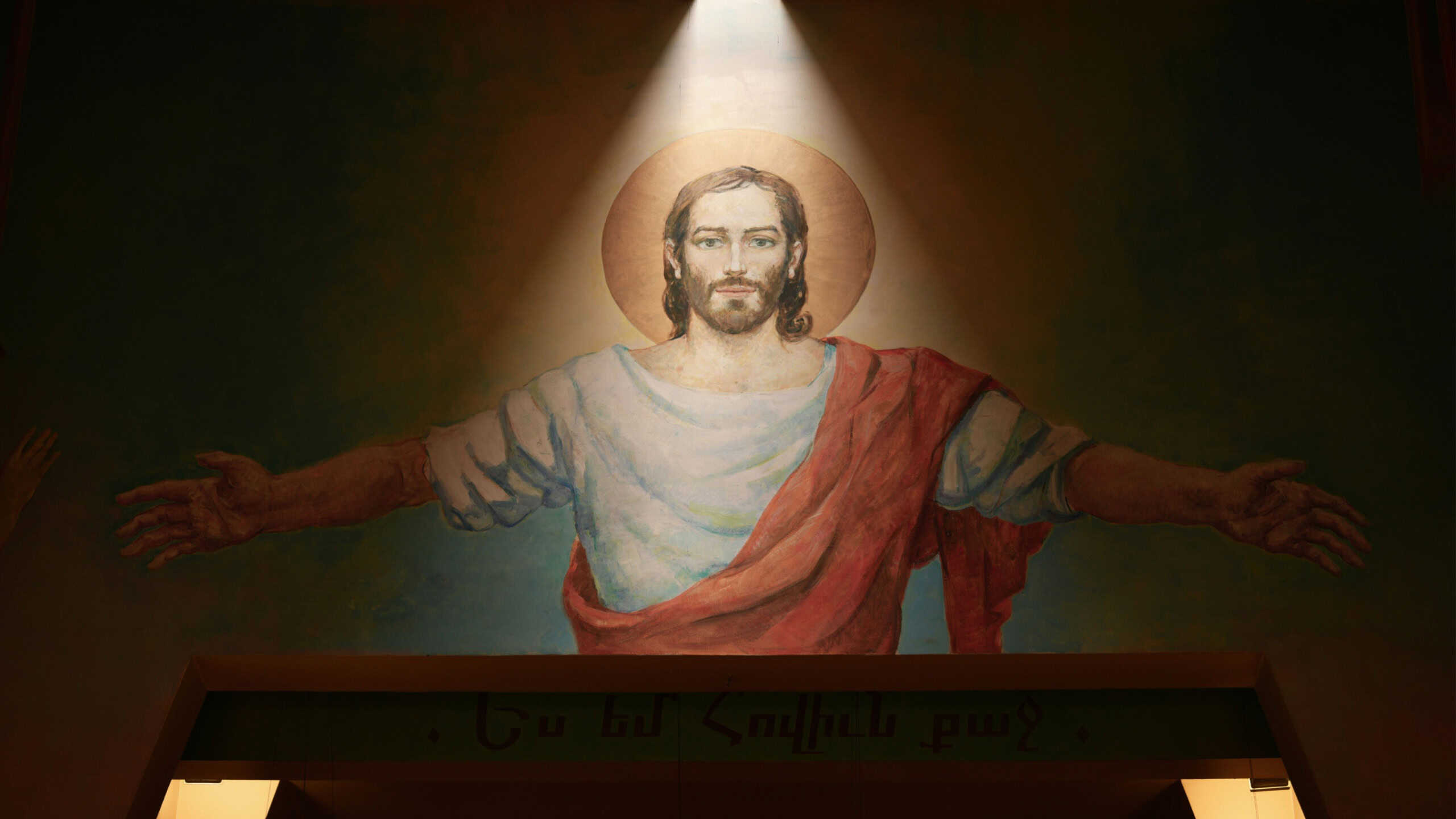
“Christ” wasn’t a surname; it was a title signifying “The Anointed One.”
In the language of his time, he was known as Yeshua Ha-Mashiach. That was pretty much the same as proclaiming Yeshua the Messiah, in those days.
That wasn’t what he was called at birth; it was what he was meant to do.
Iesus
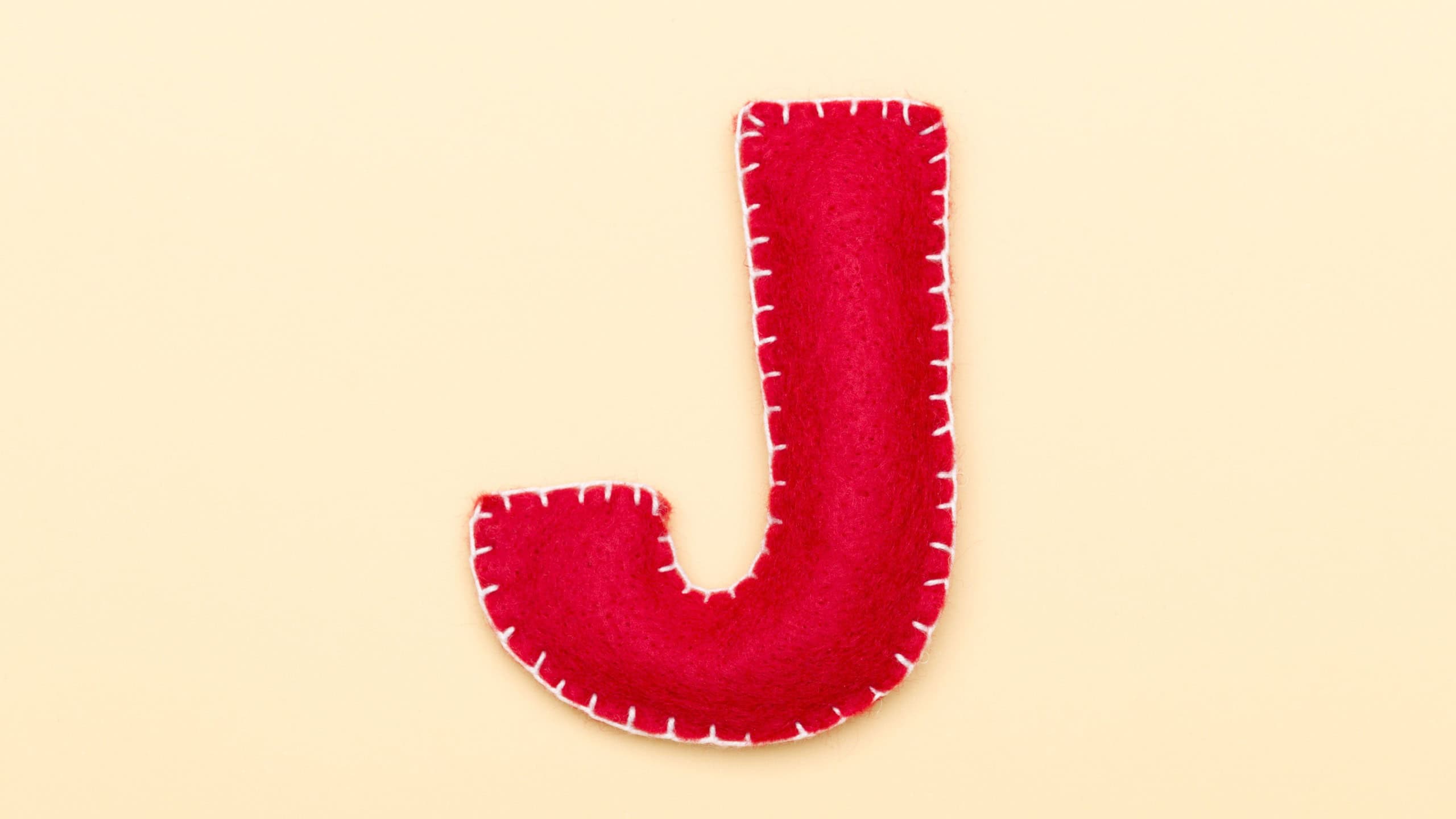
Did you know that the letter J didn’t always belong in the alphabet?
Back in the day, the letter ‘I’ stood in for ‘J’ in Latin and early English. The way we now write “Jesus” would have been spelled “Iesus.”
As languages morphed, the way we said and wrote his name gradually adapted to what we recognize today.
Sources: Please see here for a complete listing of all sources that were consulted in the preparation of this article.