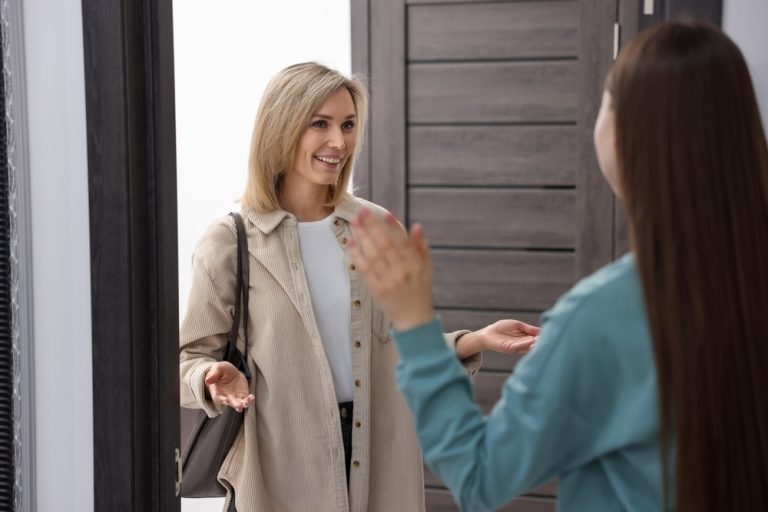

Digging beneath décor, here are 10 structural and environmental clues your brainy, keen-eyed guests notice upon first entering any space.
How space actually functions
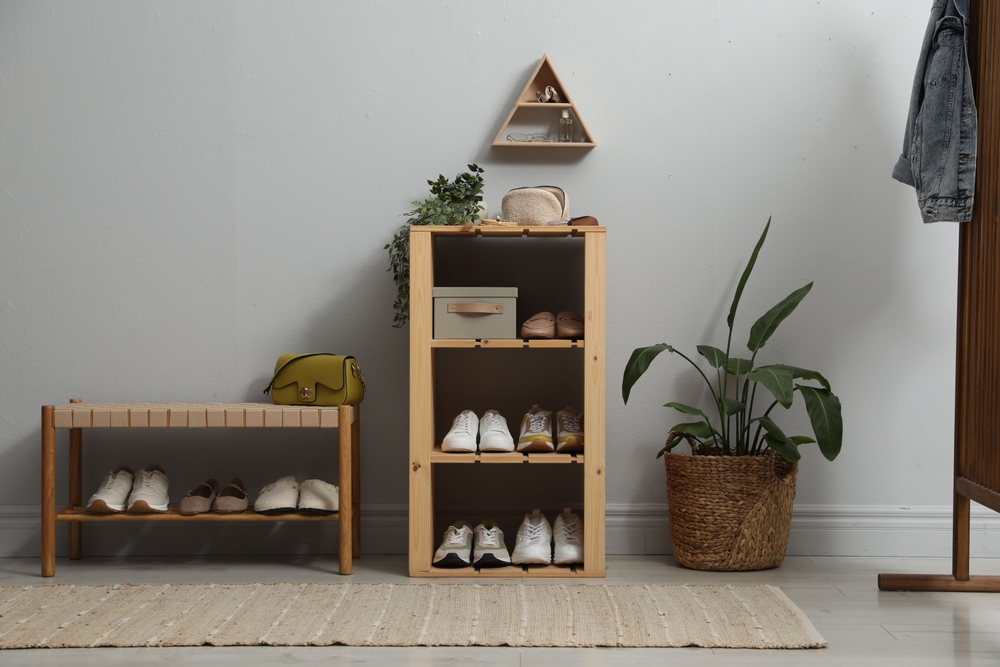
Occasionally a highly observant visitor will peek behind the curtain of décor to observe how functional the home truly is for the people who live there.
Where do they typically put their shoes, bags, and keys when they come in? Is there enough storage? Can they easily access frequently used items? Does the setup make common chores a breeze or a hassle?
For some people, simply seeing if a house is organized or chaotic isn’t the whole story. They look through the physical setup to grasp how their surroundings influence the inhabitants’ actions.
You can still have an aesthetically pleasing foyer that’s awkward to use if you don’t have a sensible place for visitors to set down their belongings.
Ease of movement through entry
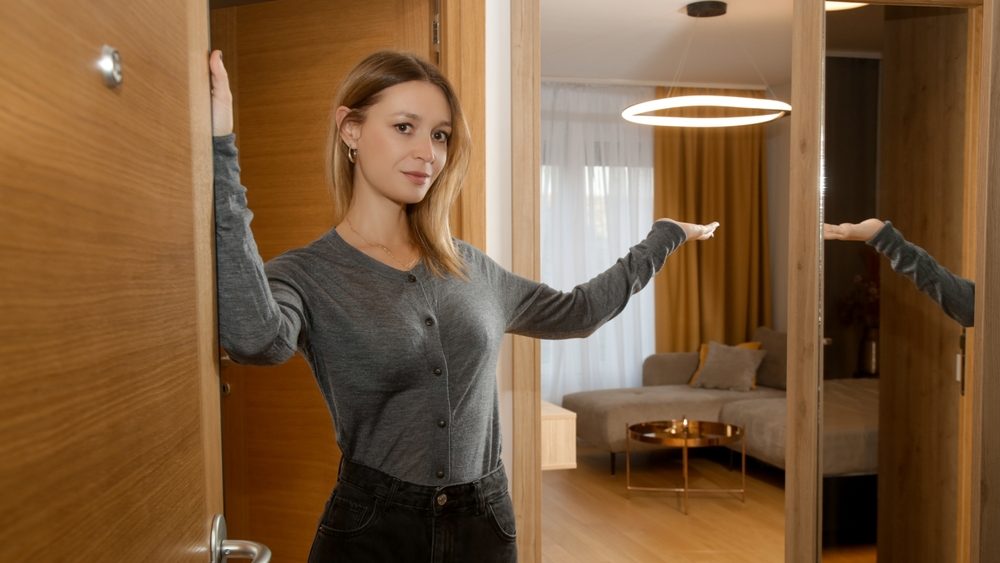
Seconds after walking into someone else’s home, a perceptive visitor can begin to mentally map the space.
They assess the natural flow through the room, where the hallway continues, which spaces are inaccessible and whether bulky furniture causes strange bottlenecks. They might even guess where someone would likely head next.
It’s not just about being able to see clearly. The ability to get around inside is also tied to visuospatial working memory, a system that lets us keep track of and mentally rearrange details about where things are situated.
Room acoustics
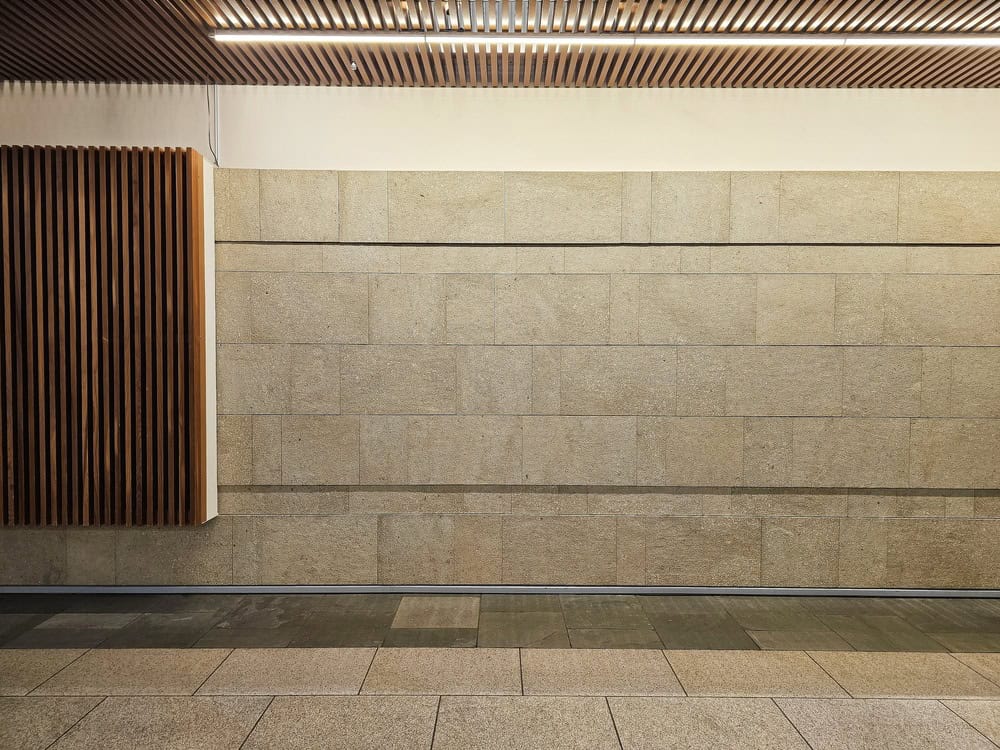
It’s not uncommon for someone to register a room’s acoustic quality before they’ve identified the source of that sound.
If a room is big and has hard floors and bare walls, it may create a noticeable echo. Adding curtains, carpets, upholstered furniture and other soft materials changes the sound by altering how sound waves react.
A keenly observant visitor could attribute that sonic impression to the space’s design rather than simply thinking, “This place is noisy.”
Lighting aesthetics
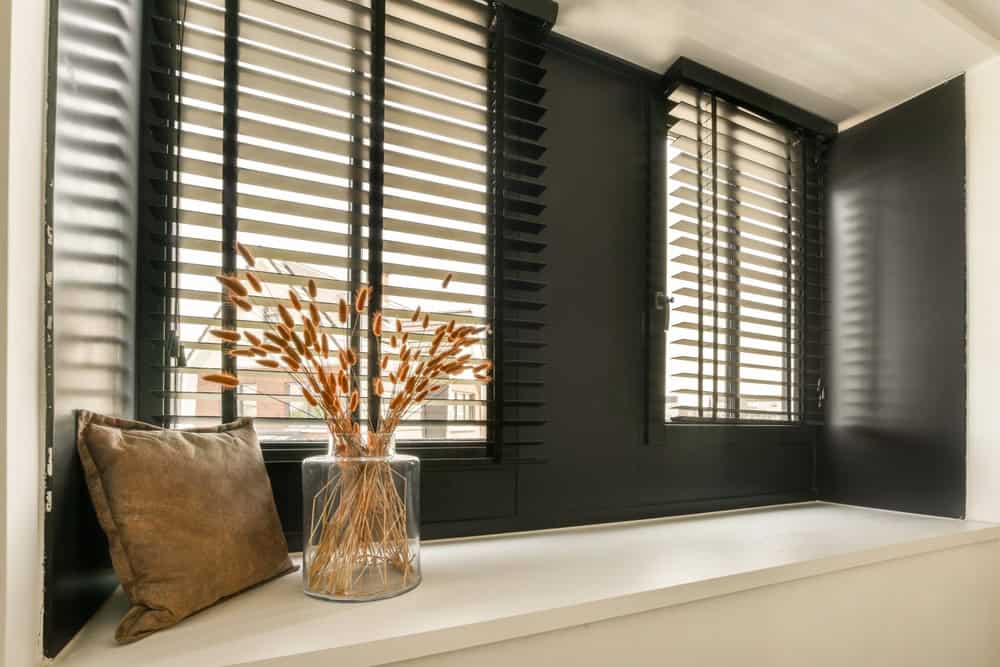
Say you’re passing through a room. A smart eye would pick up on more than just how well-lit the space is.
They might notice where the light is originating from; which areas benefit from natural sunlight; where shadows are cast and if artificial light is being used to supplement a darker area of the room.
One room can have multiple atmospheres based on the direction, intensity, and timing of where it is lit. Studies into indoor environmental conditions have looked at lighting as one of many physical characteristics that can impact how people perceive built environments.
Inherently personal objects
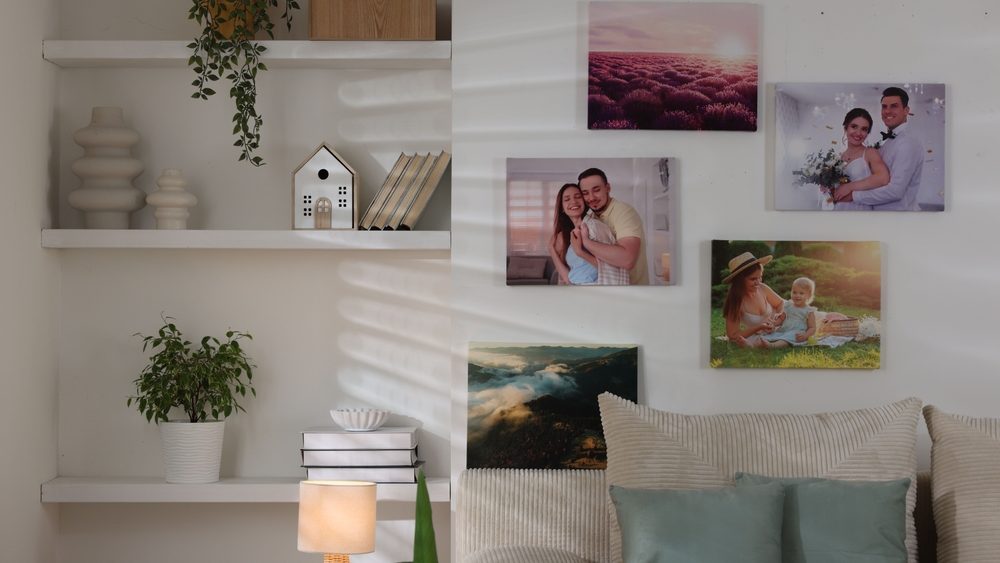
Books, photographs, art, souvenirs and hobby-related items can give a sharp-eyed visitor a glimpse into the owner’s world.
Studies have shown how people can make valid judgments about residents by looking at photographs of their homes.
In one study, people were able to draw conclusions about homeowners’ self-concept by looking at interior and exterior photographs of their homes. In another study, participants were able to detect residents’ territoriality from looking at exterior photographs of their home.
Hard to reach places
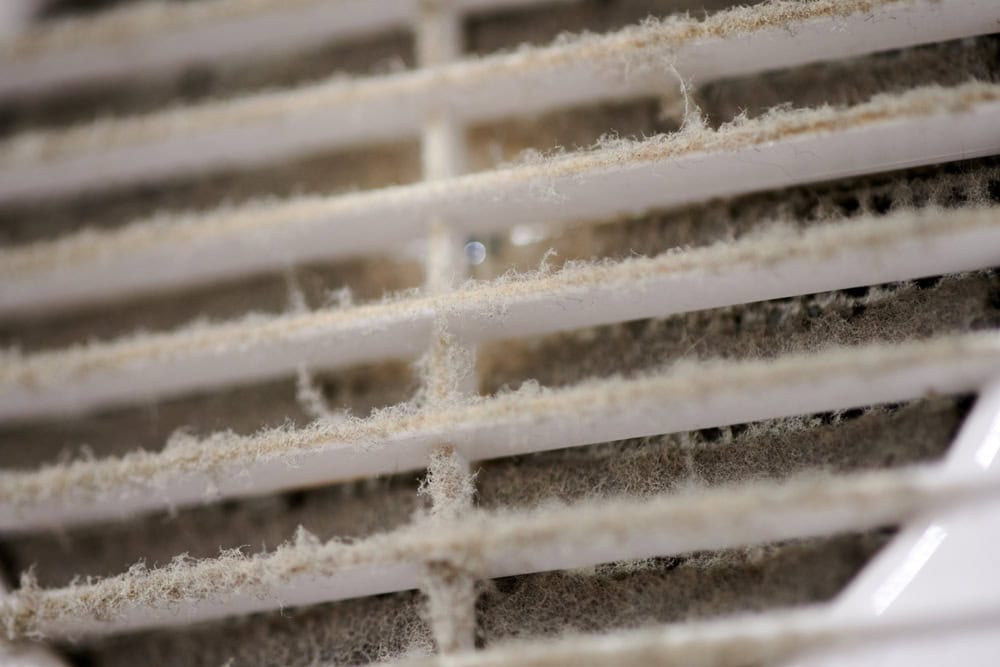
People naturally focus on things that are obvious. Things that jump out, like dusty vents, frequent-use handle smudges, or neglected corners, are easy to spot.
Rather than assuming “this person is messy,” a thoughtful person would hesitate. Kids, dogs, dust, physical limitations and different priorities, plenty of things could explain why the cleaning wasn’t done.
The smarter observation is that, the cleaning was harder or not necessary, as opposed to the owner being lazy in some way.
Whether everyday features are easy to use
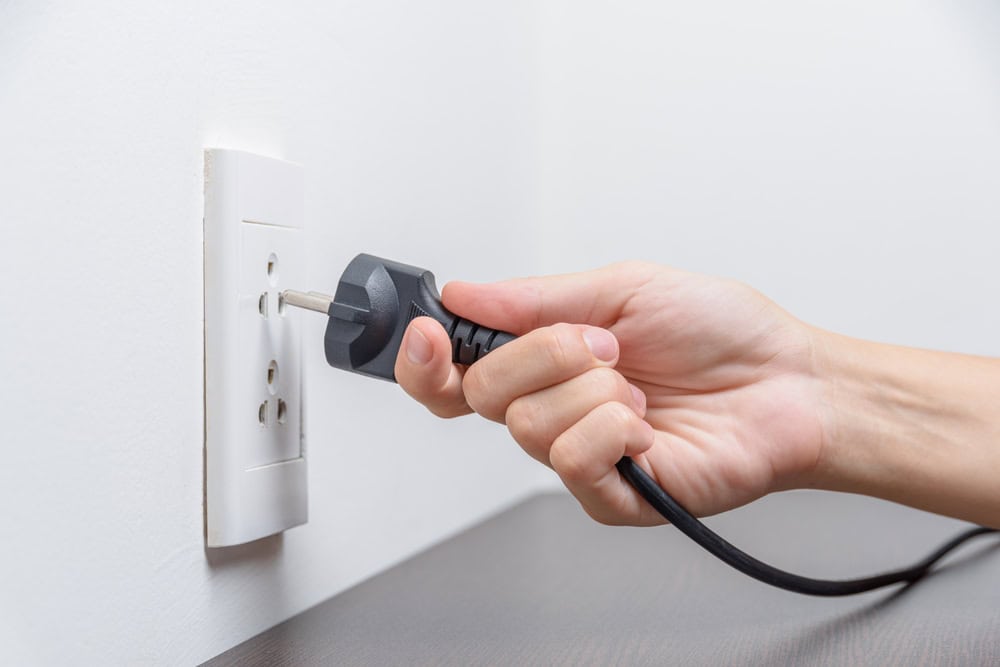
When exploring a room, someone with a critical eye could unconsciously assess it as if they were planning to stay.
Where would you charge your phone? Can you reach the light switch from the entrance? Does that cabinet actually open all the way? Wait, is there an outlet behind the chair? Would someone need to walk around the sofa every time they needed to get to another room?
Of course, they are small logistic issues. However, to get a handle on these, one must picture how the space actually works. And spatial ability research has tried to understand how people differ in how well they understand and learn about spaces.
House plants
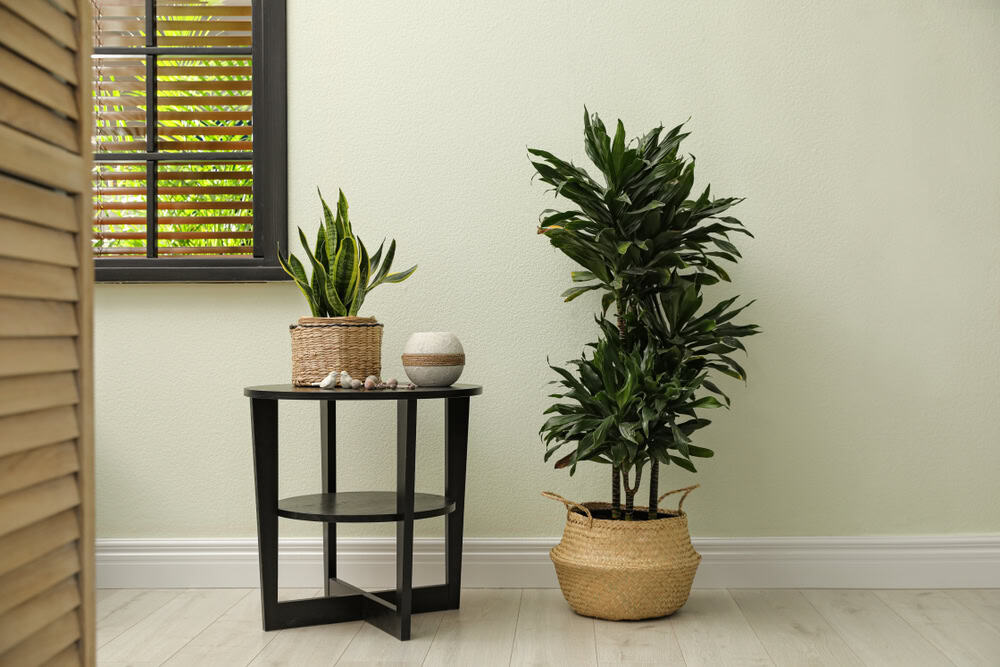
Plants are living things that can instantly draw our attention when we enter an interior. We notice if there is greenery, if it looks healthy and freshly watered or dry and neglected, or if the plant is artificial.
From there, a smarter guest will go beyond and observe how the plants have been positioned, how much light they seem to get, if their scale is appropriate to the space and if their overall condition matches their environment.
Just because a plant is dying doesn’t mean the owner is a negligent person. Maybe they just bought it, moved it to a new spot or it is just a needy plant. And your brainy guest sees through this.
Where the furniture faces
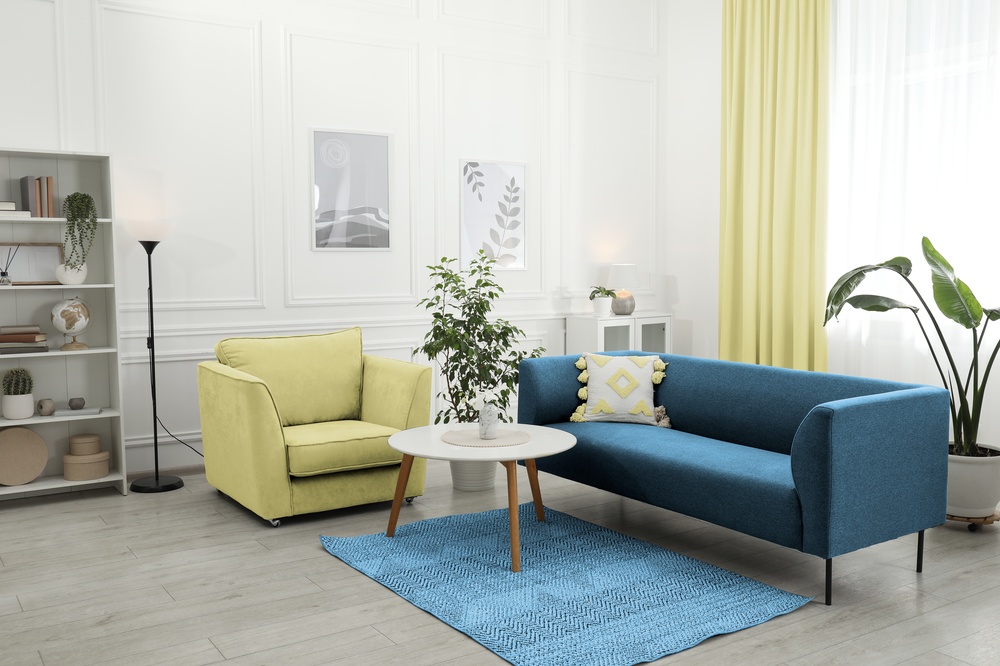
The arrangement of furniture subtly prompts potential uses of a room.
Two chairs facing each other suggest sitting down and talking. Placing a sofa so it faces the TV directly indicates a different arrangement. A dining room next to the kitchen suggests still another flow of activity.
Environmental psychology has shown how physical space affects human behavior and interactions. Studies of houses have found that home settings also have social meanings in addition to physical and personal ones.
So a savvy observer might not immediately decide, “They must love watching TV,” just because the sofa faces the television set. The placement of windows, doors, power outlets, and architectural constraints may also come into play.
What the house smells like underneath
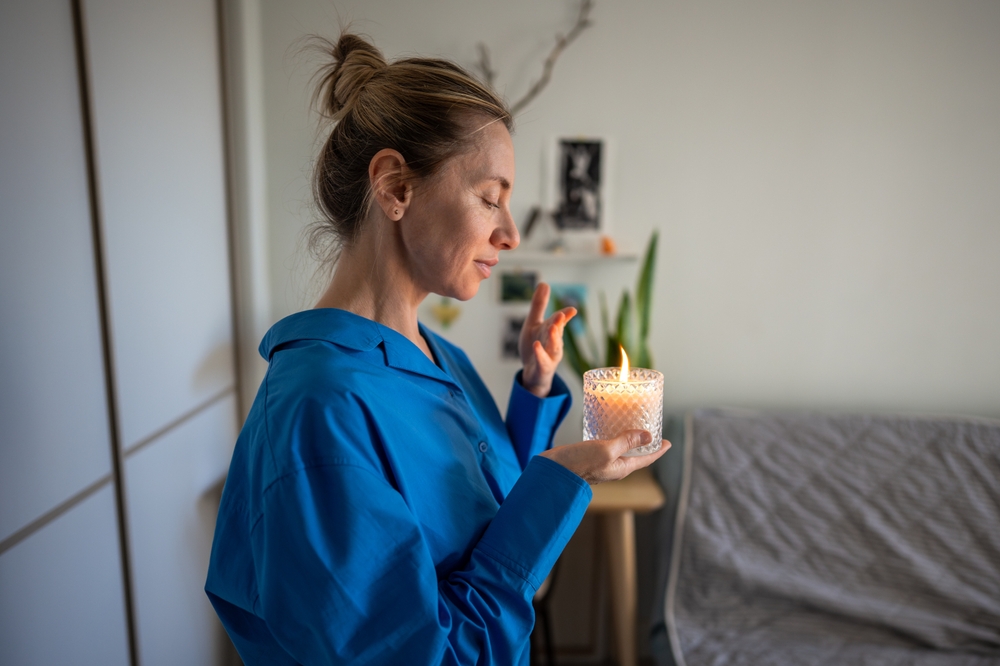
A person’s nose can pick up on cues about a home before their mind even registers the source. Cooking, pets, cleaners, mold, perfume, candles and air fresheners can all alter the odor of a room.
It’s even possible for a very observant person to differentiate a space’s original smell from a scent added to mask something. Your brainy guest knows that the scent is just another layer of the environment that can tell you something your eyes cannot.
Sources: Please see here for a complete listing of all sources that were consulted in the preparation of this article.
Like our content? Be sure to follow us.
10 complaints you’ll never hear from intelligent people

Smart people get annoyed like the rest of us, but the difference is that they don’t have some of the most common complaints.

