

You’ve most likely looked at a dollar bill hundreds of times, maybe even crumpled one into your jeans pocket without a second thought, but American cash has lots of tiny design details that go beyond mere decoration. And these aren’t conspiracy theories or wild guesses—they’re actual things the designers put there on purpose. You might need to squint a little to see them, though. Here are eleven hidden messages on US currency that prove that there’s a lot more to the surface than just paper & ink.
Featured Image Credit: Vadymvdrobot /Depositphotos.com.
The Owl Hiding in the One Dollar Bill

Look at the top right corner of a $1 bill and you’ll see a tiny owl poking out of the ornate border near the big number “1,” which is so small that most people miss it. But once you see it, you can’t unsee it, and while some people think it looks more like a spider, the small head & rounded eyes are a big giveaway. It’s carved into the same pattern as the scrollwork, so it blends in with everything else and is likely meant to be an anti-counterfeiting measure.
13 Stars Above the Eagle’s Head
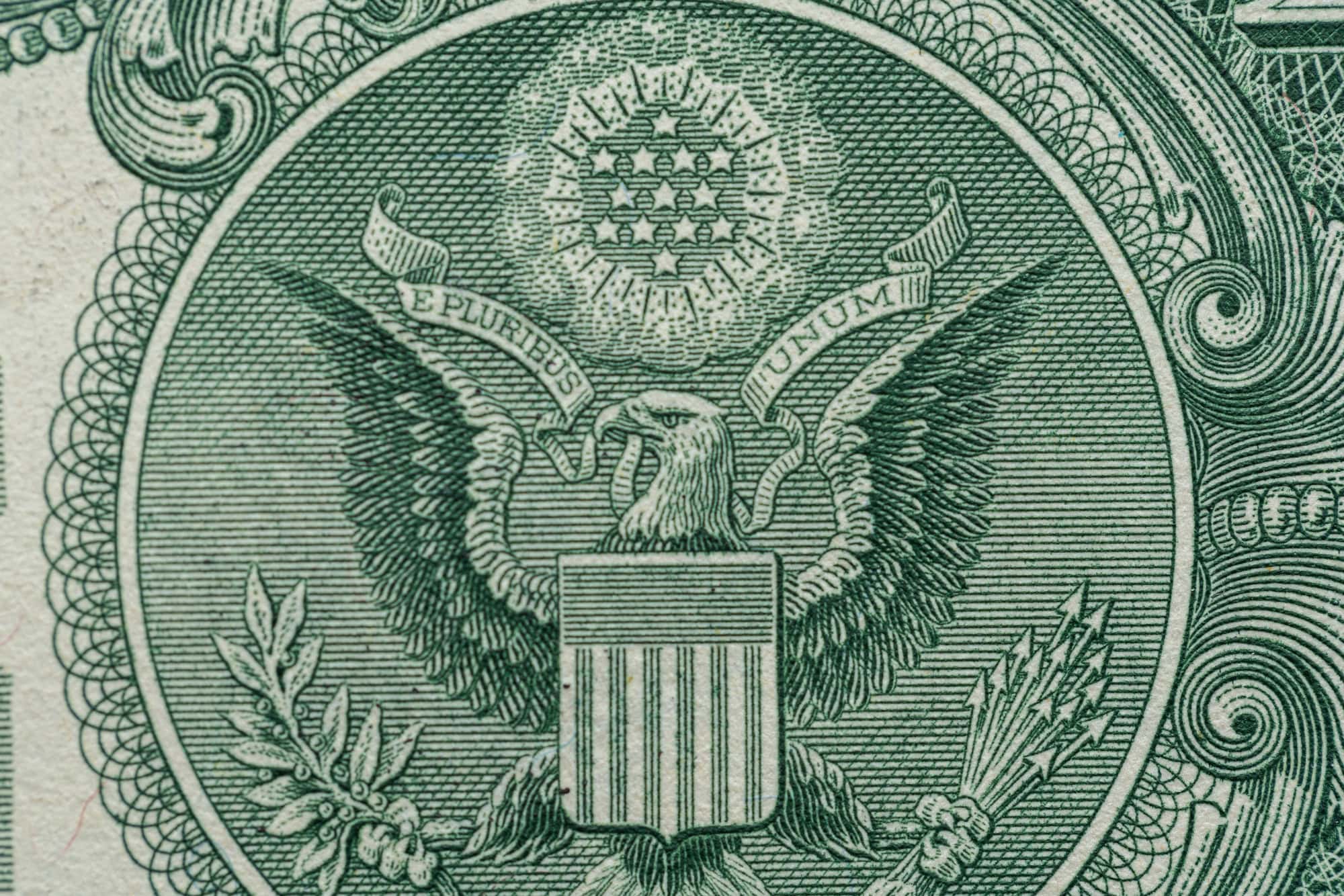
Also on the $1 bill, but the reverse side, is an eagle with a whole constellation above its head—specifically, thirteen stars floating in a weird little formation that’s not random either. They’re arranged into a hexagram, like a six-pointed star, and are meant to symbolize the first thirteen states that joined together to make the United States of America.
Microprinting Around the Portrait

Check out the space around the portrait on a $10 or $20 bill, and you’ll see ridiculously tiny words like “TEN DOLLARS” or “USA,” which may look like lines but are actually microprinted text. It’s so small that most printers wouldn’t be able to copy it clearly—that’s kind of the point, and you can also find microtext on other parts of newer bills. Look near the security threads or around the edges of the seals.
Hidden “USA” Ribbon in the $100 Note

That blue stripe running through the latest $100 bill is more than a flashy design choice, because if you tilt the thing back & forth, you’ll see bells turn into 100s. The word “USA” is also secretly printed in that strip, although it’s woven in rather tightly. The ribbon is actually 3D and made with hundreds of thousands of tiny lenses that create motion as you move it, while the “USA” part isn’t even visible from all angles—you have to catch the right light and look at it long enough. This is one of the reasons it’s so hard to copy.
The “Series” Year Isn’t the Year It Was Printed
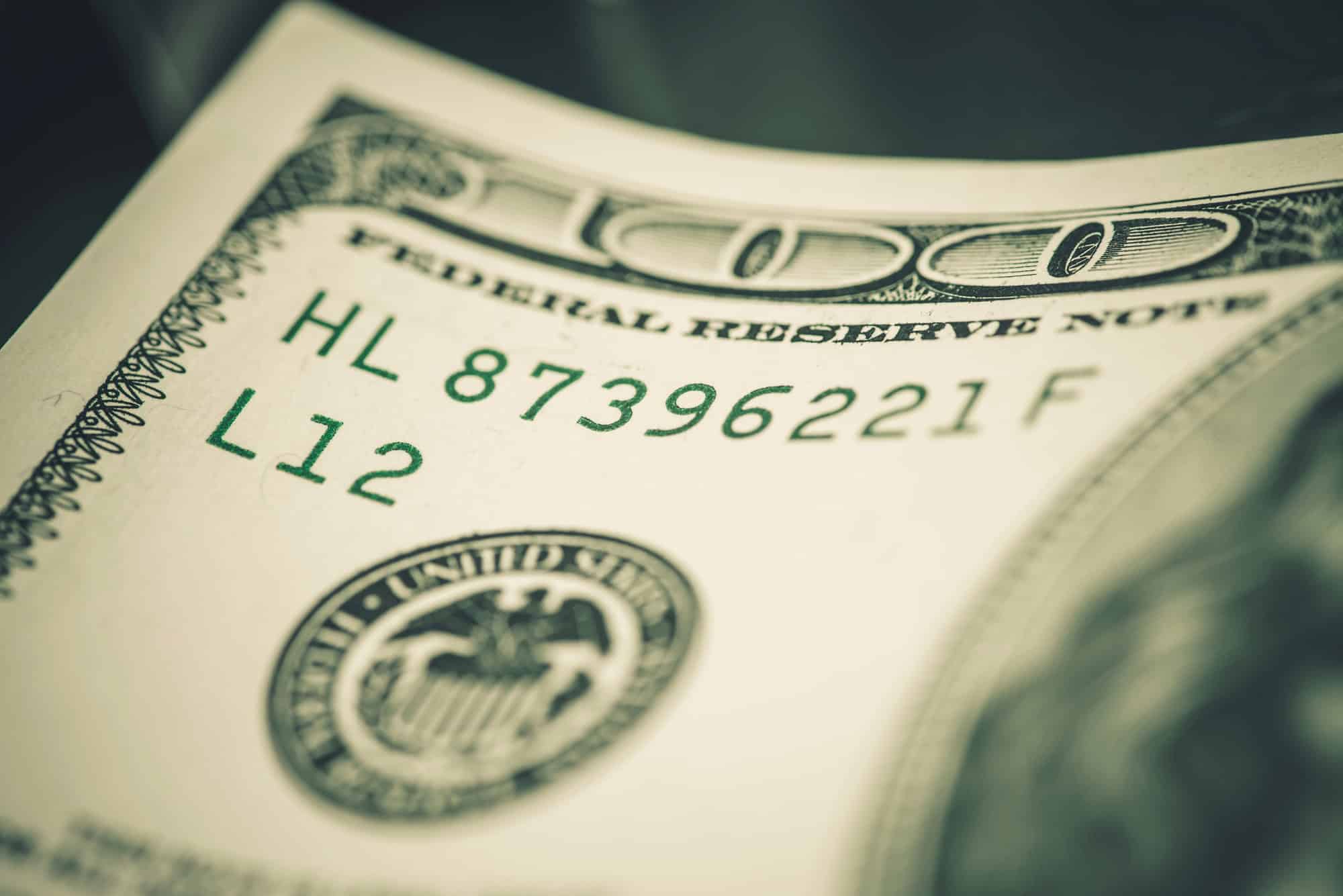
You’d think the “Series 2017” on your $20 means that the bill was printed in 2017, but that year just means the design was updated or a new signature was put on. Your actual bill could’ve been printed years later, and there’s no print date on U.S. currency, just this vague little series label. If the Secretary of the Treasury or the Treasurer of the United States changes, that’s enough to trigger a new series year, and sometimes the same design sticks around for years with only minor changes.
The Latin Motto No One Translates

Right above the pyramid on the back of the $1 bill, there’s a line in Latin that reads Annuit Coeptis, although nobody really knows what it means. Originally, the Latin said Deo Favente, and if you’re not an expert in ancient language, it roughly means “He approves our beginnings.” Some theories say that it’s meant to reference the Eye of Providence, which symbolizes how God knows everything, but the “He” isn’t exactly clear.
“E Pluribus Unum” in the Olive Branch
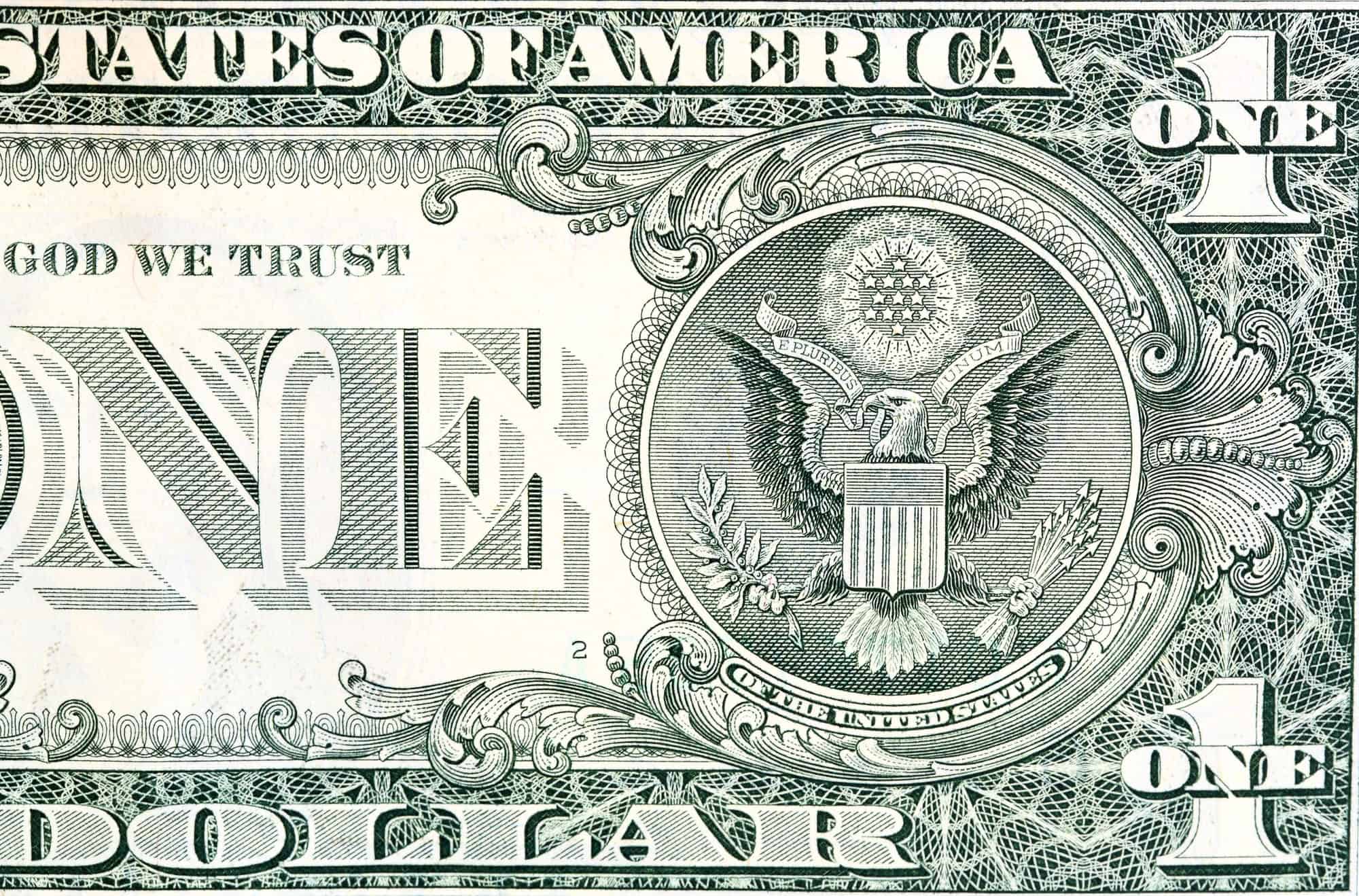
Another little bit of Latin is on the dollar’s back, where the eagle’s clutching a ribbon in its beak like it’s delivering a message—look close and you’ll see the words E pluribus unum written right on that ribbon. It’s Latin for “Out of many, one,” and has more meaning than most people realize, as E pluribus unum has thirteen letters, too. It was also the unofficial motto of America until In God We Trust became the official one in 1956.
The Shield on the $5 Bill Has Hidden Numbers
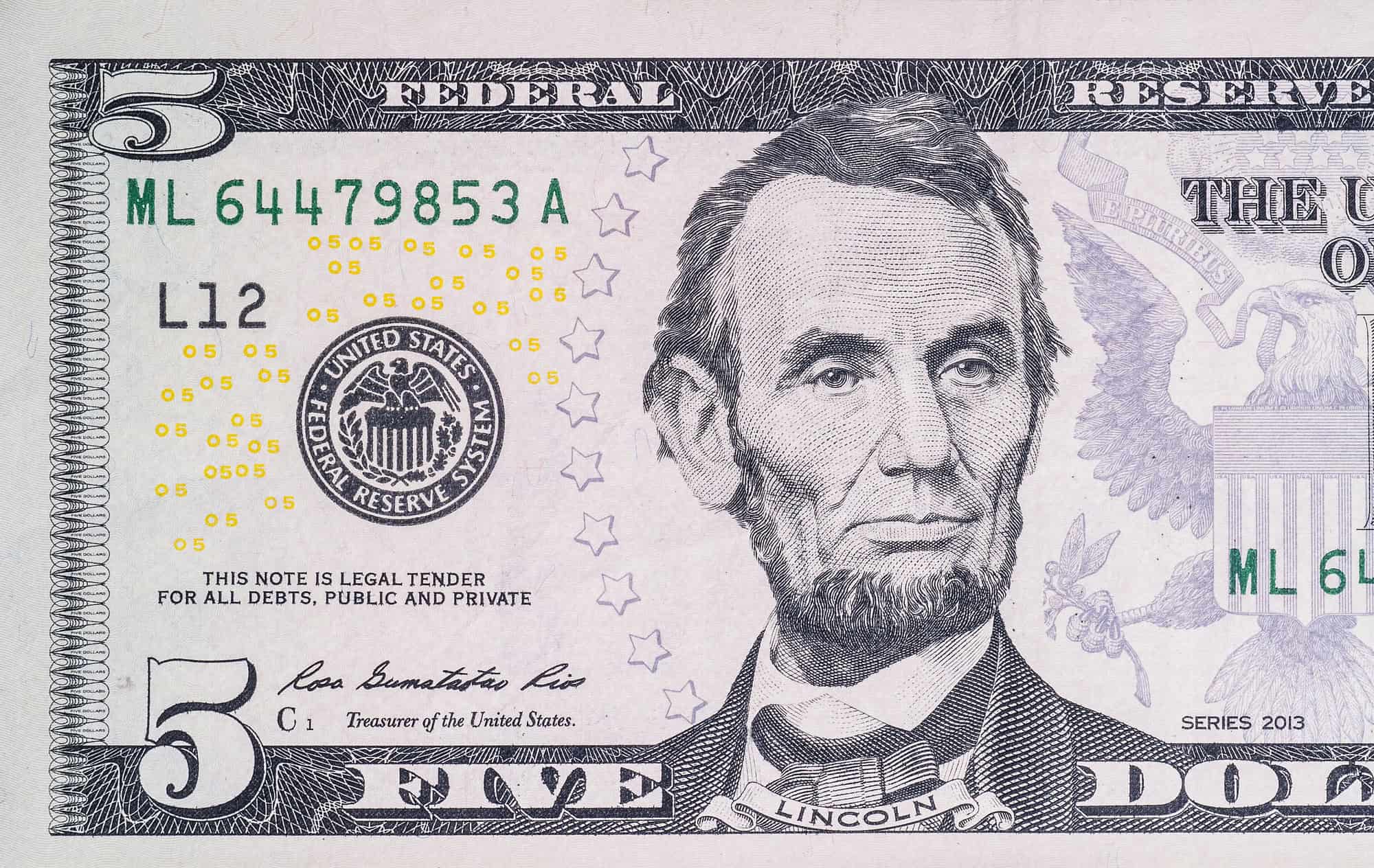
Whenever you look at the newer $5 bill, your eye probably goes to Lincoln or the giant purple “5,” but over to the right, inside that big shield graphic, are a bunch of tiny yellow “05”s. They’re printed in a light yellow ink that fades into the background unless you tilt the bill, and they’re not always visible. It’s one of those things that’s clearly meant to be hidden, but you can find it with a bit of effort.
The Spiderweb Near the Front Number “1”
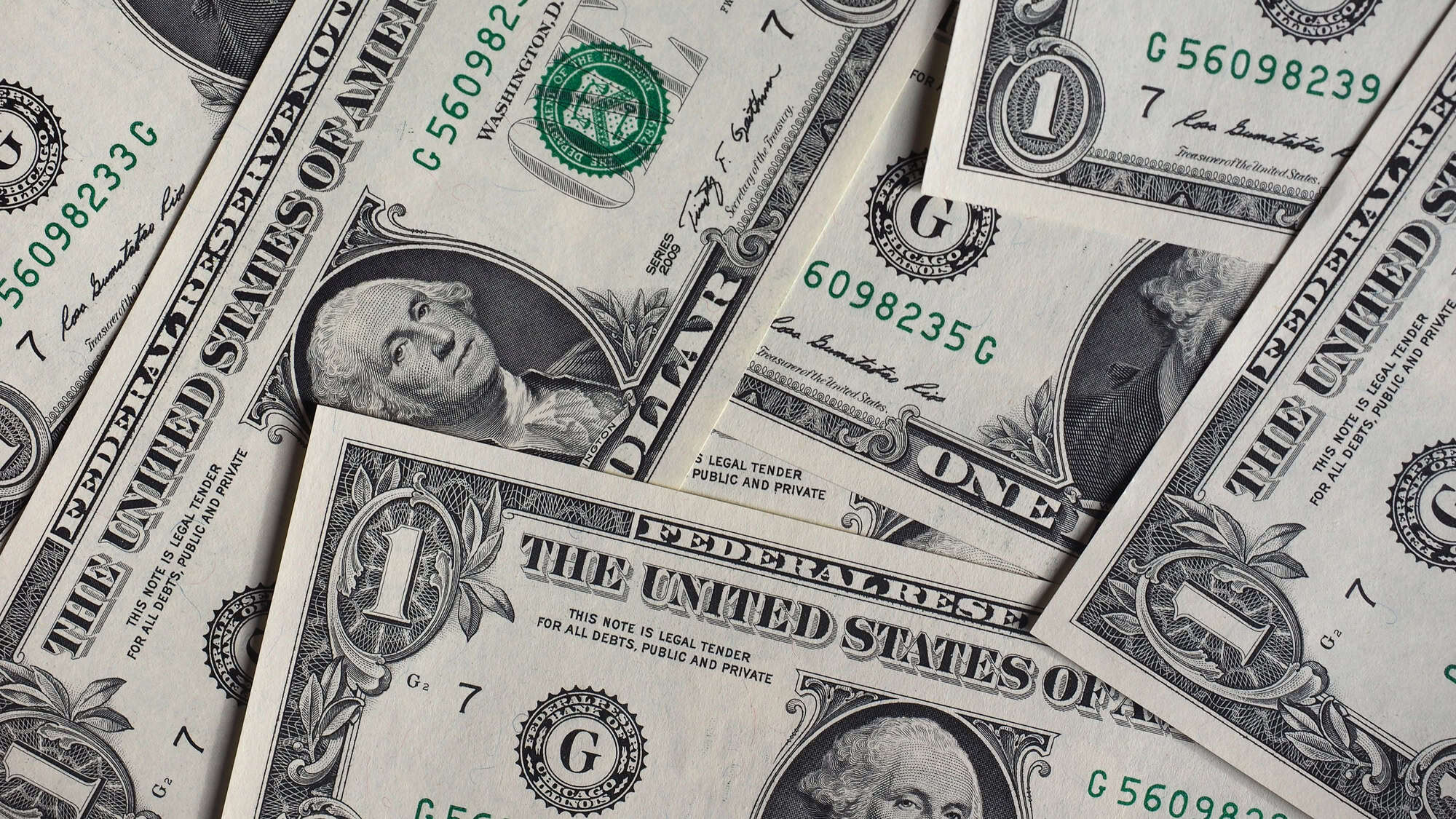
Some people swear there’s a spider hiding on the $1 bill, as there’s a pattern that looks exactly like a web that wraps around the big “1” on the front. It’s easy to think it’s a tangle of lines, but it’s clearly designed in a specific way—the lines are rather clean & evenly spaced. They also curve in a circular pattern around the number, and whether it’s supposed to be a spiderweb or not, it definitely doesn’t look random.
The Unfinished Pyramid
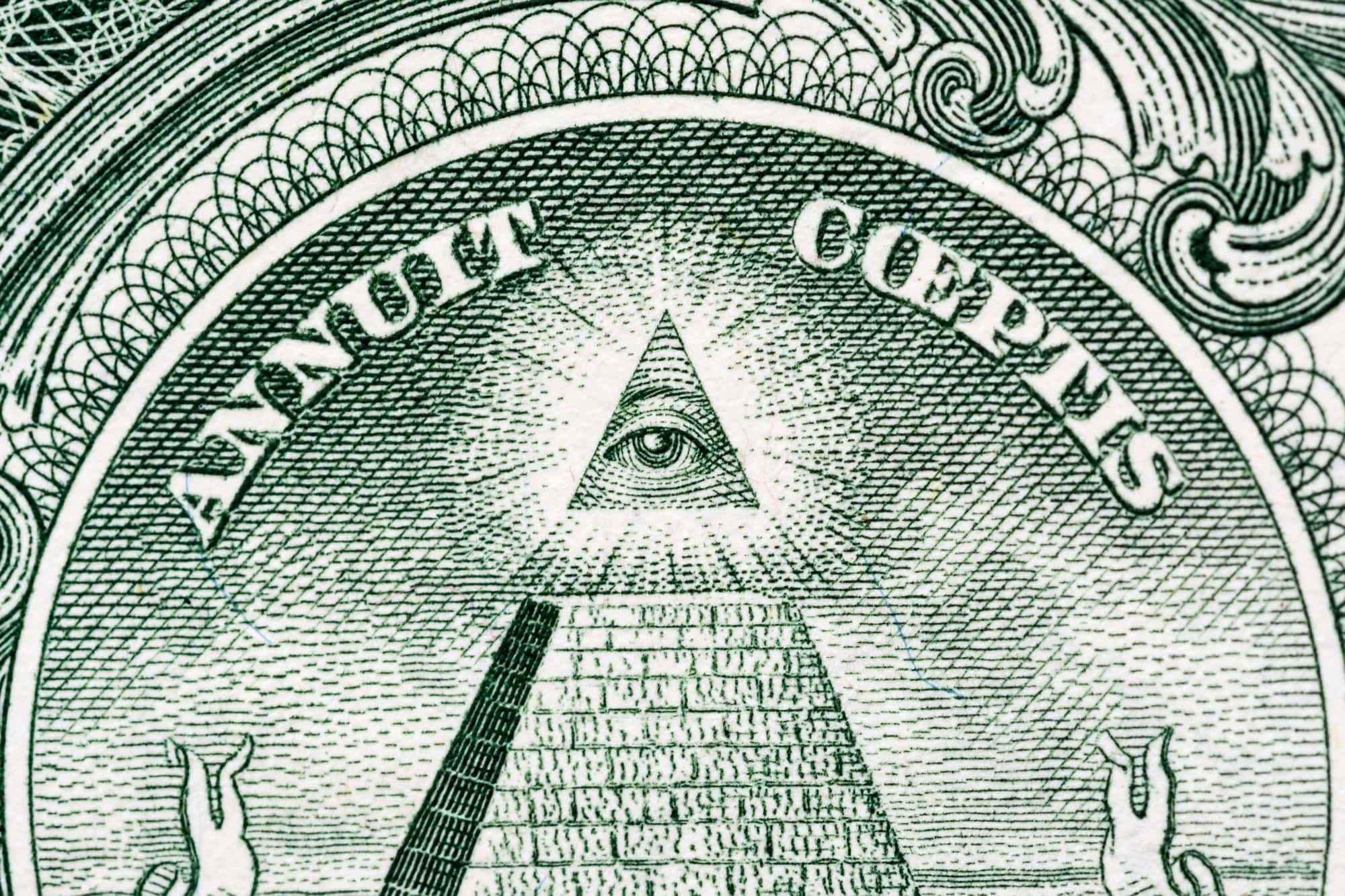
The pyramid on the back of the dollar bill is missing a top, and if you count the layers, it has exactly 13 steps—yes, that number again. The bottom pyramid part is shaded to look three-dimensional, and the layers are clearly separated, with the pyramid itself representing the USA’s ongoing progress. The thirteen, once again, is meant to show the thirteen original colonies of our nation.
The “MDCCLXXVI” At the Base of the Pyramid
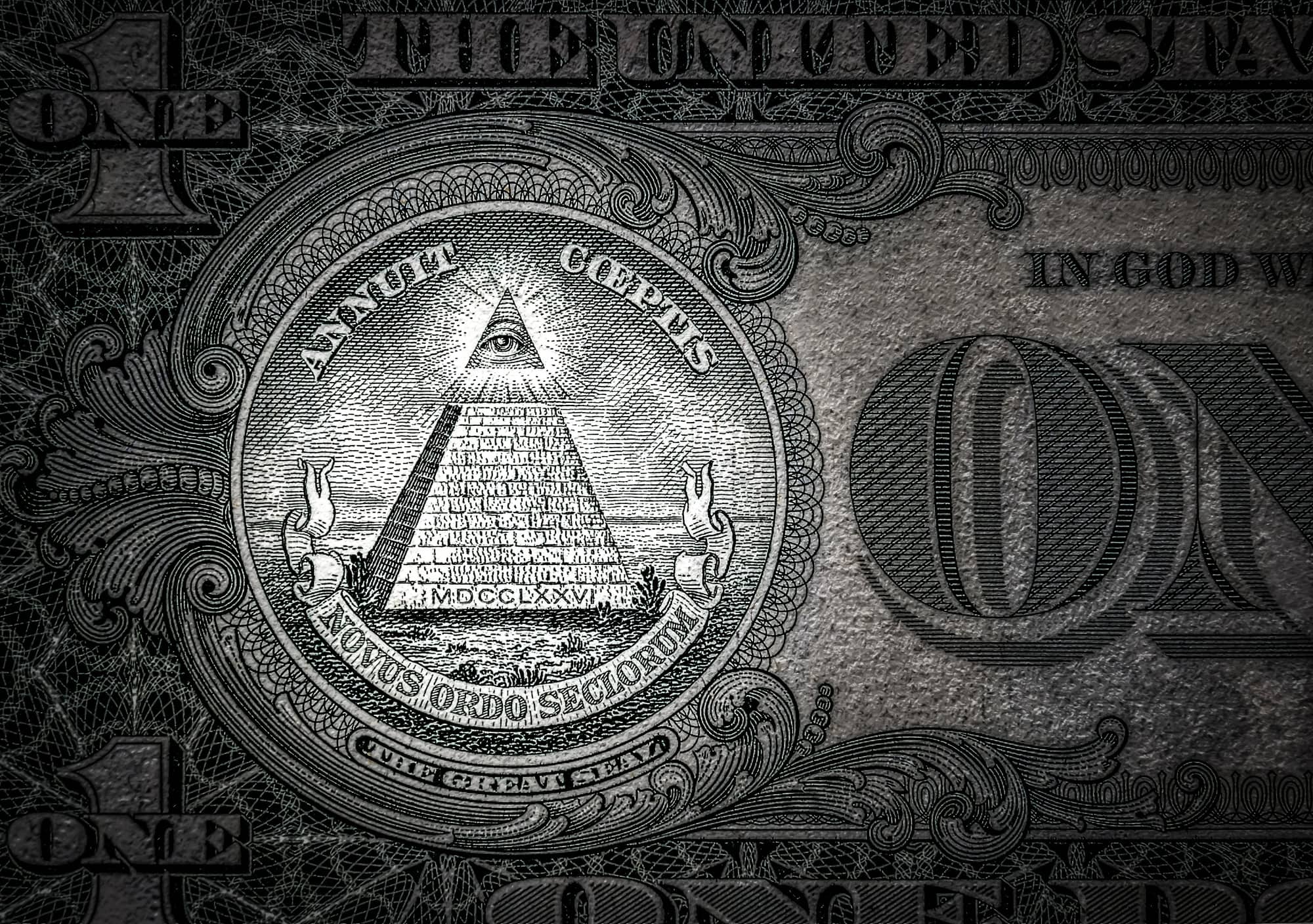
Right at the bottom of the pyramid on the $1 bill, there’s a row of Roman numerals, MDCCLXXVI, which most people skip over since it blends in with the bricks & shadows. But if you actually read the numerals, they add up to 1776—the year of American independence, and it’s built directly into the structure of the pyramid itself. As there’s no explanation for the numbers anywhere on the bill, you’d probably never know what it stands for unless you know Roman numerals or decide to look it up.
Disclaimer: This list is solely the author’s opinion based on research and publicly available information.
Like our content? Be sure to follow us on MSN.