

You might be surprised by how many everyday things are starting to feel less permanent, and some of them might disappear entirely by 2030.
The fork in the bag
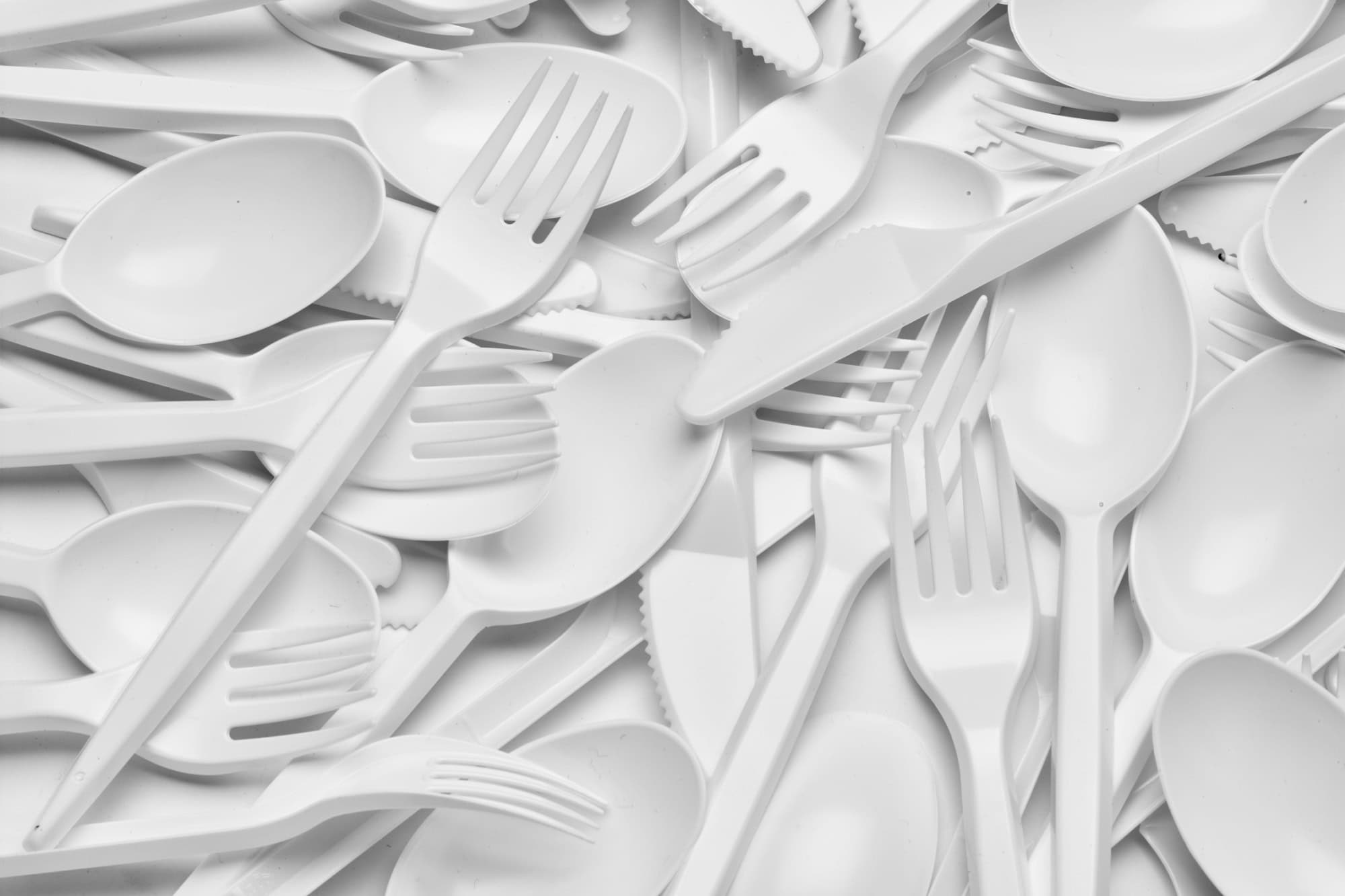
Getting a plastic fork with your takeout used to feel normal. It’s not so much anymore. By 2030, it might stop happening entirely, especially since laws in states like California ban automatically giving out disposable plastic. That means no plastic spoons or knives.
No condiment packets, either, unless the customer asks for them. It’s not like all of this plastic cutlery is going to disappear overnight or anything, but it’s likely that it’ll disappear in just a few years’ time.
The checkout habit

That’s not all for plastic. Starting in 2024, Colorado banned the majority of stores from providing single-use plastic carryout bags in their store, and California did something similar in 2026. What does that mean for the future?
We’ll probably no longer get these bags when we leave the store, and we’ll have to rely on our reusable bags instead. All those crinkly grocery bags will probably end up as clutter in our garages.
The tiny drink helper

It’s a weird one. Plastic straws haven’t exactly disappeared, and rightly so because there are some people who need to use them to drink. But the days of them coming with every drink you ordered? Those are long gone.
A few states have changed the rules to make plastic straws request-only. It won’t be long, though, before they completely vanish, and anyone who relies on them gets a more environmentally friendly replacement.
The coffee run

You might think disposable coffee cups are easy to recycle. They look like paper, after all. But no. They’re made in a way that makes recycling them way harder than it needs to be, and that’s why some stores are starting to charge extra for them.
You have to pay around 25 cents for disposable drink cups in Berkeley, for example. Marin County does something similar. However, chains like Starbucks are moving toward reusable cups. It might be time to say goodbye to the single-use cups.
The lower slope

Anyone who’s thinking about going to a low-altitude ski resort might want to go ASAP. A lot of these places are melting at a rate faster than we ever imagined, and they might be gone completely by 2030. They don’t have the same cold cushion that higher mountains do.
It’s not true for all of them, of course. Some lower resorts could still have good seasons. But for the most part, warmer winters are causing major problems for lower-level ski resorts, and they might turn into grassy mountains by 2030.
The gritty ingredient
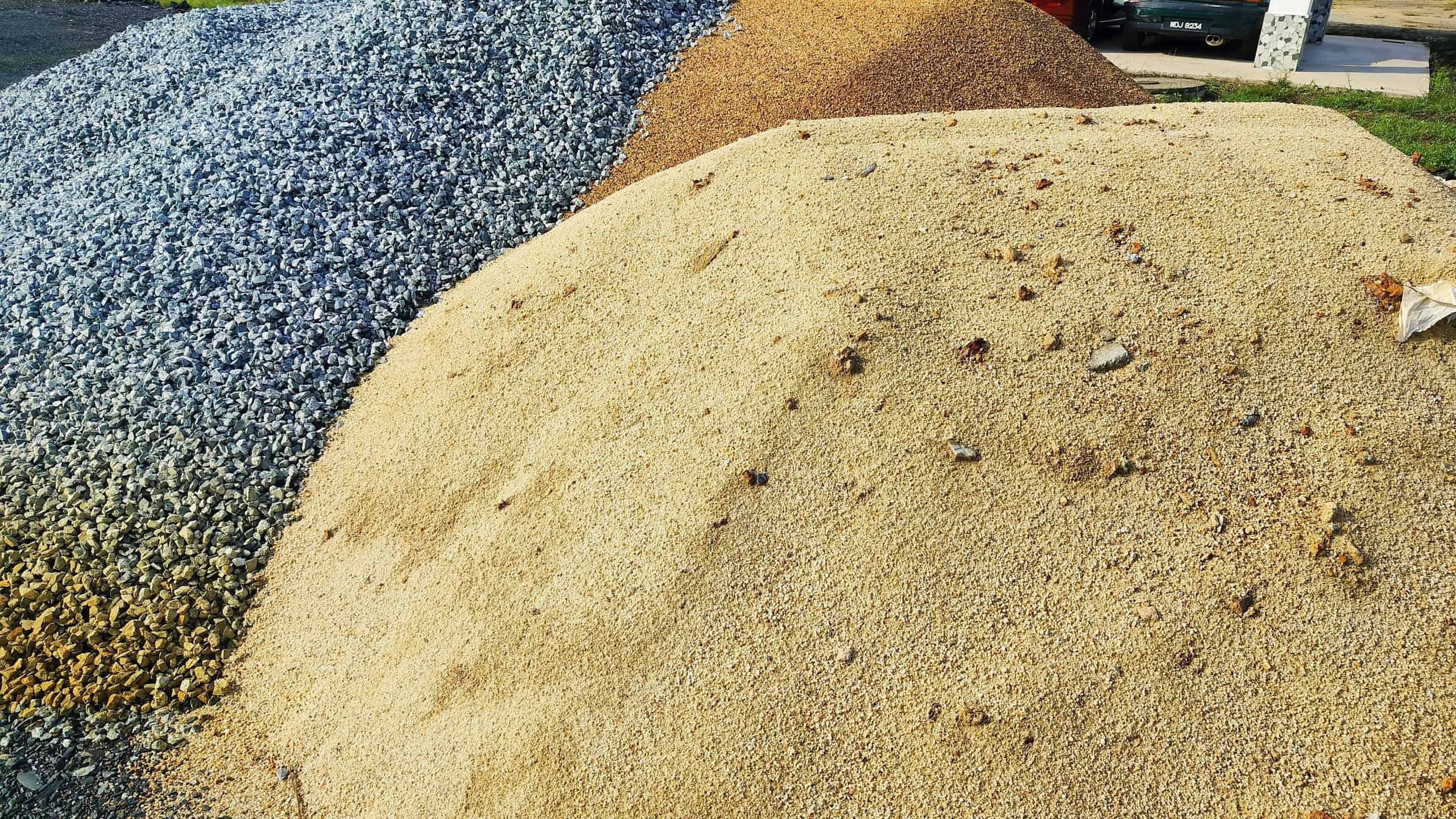
It’s easy to think sand is endless. It’s sand. However, there’s a special kind of sand that works differently from desert sand, and it’s called construction sand. All sorts of construction materials rely on it, like concrete and asphalt. Don’t forget about glass.
This special kind of sand comes from marine areas, but the demand for it is seriously outrunning the supply. It’s possible we might run out of it by 2030. If we don’t run out, it’ll definitely become something a lot more expensive, at least.
The driveway default
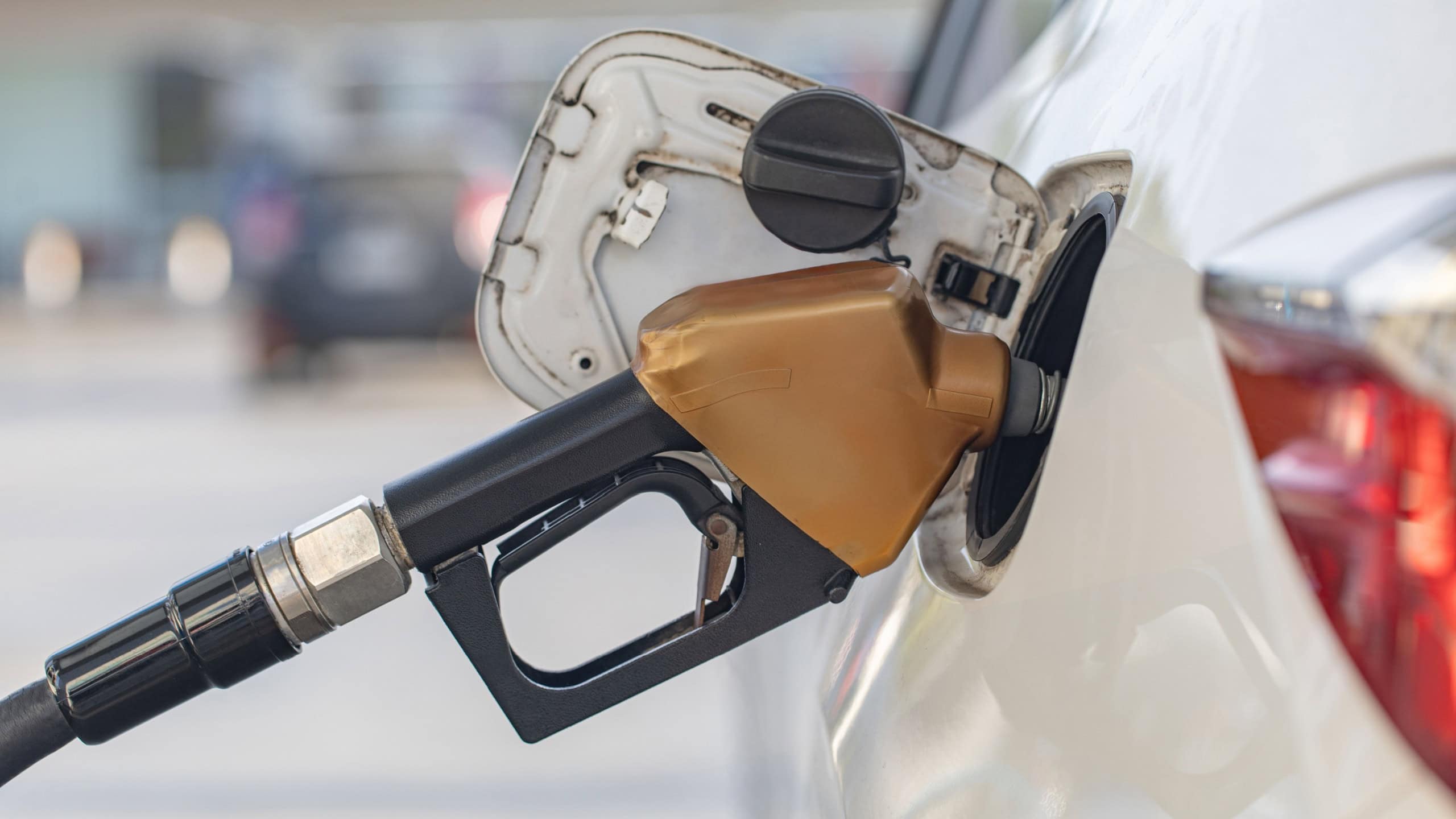
Even the highways are going to start looking different, although it’s not because gasoline cars are all going to vanish. They’ll still be around. However, it’s unlikely that car companies will continue to make new, purely gasoline cars by 2030.
Electric cars and hybrid models are becoming way more common. They’ll probably make the gas-only option into one small lane of the market, while entirely new models might not exist at all.
The pocket cloud
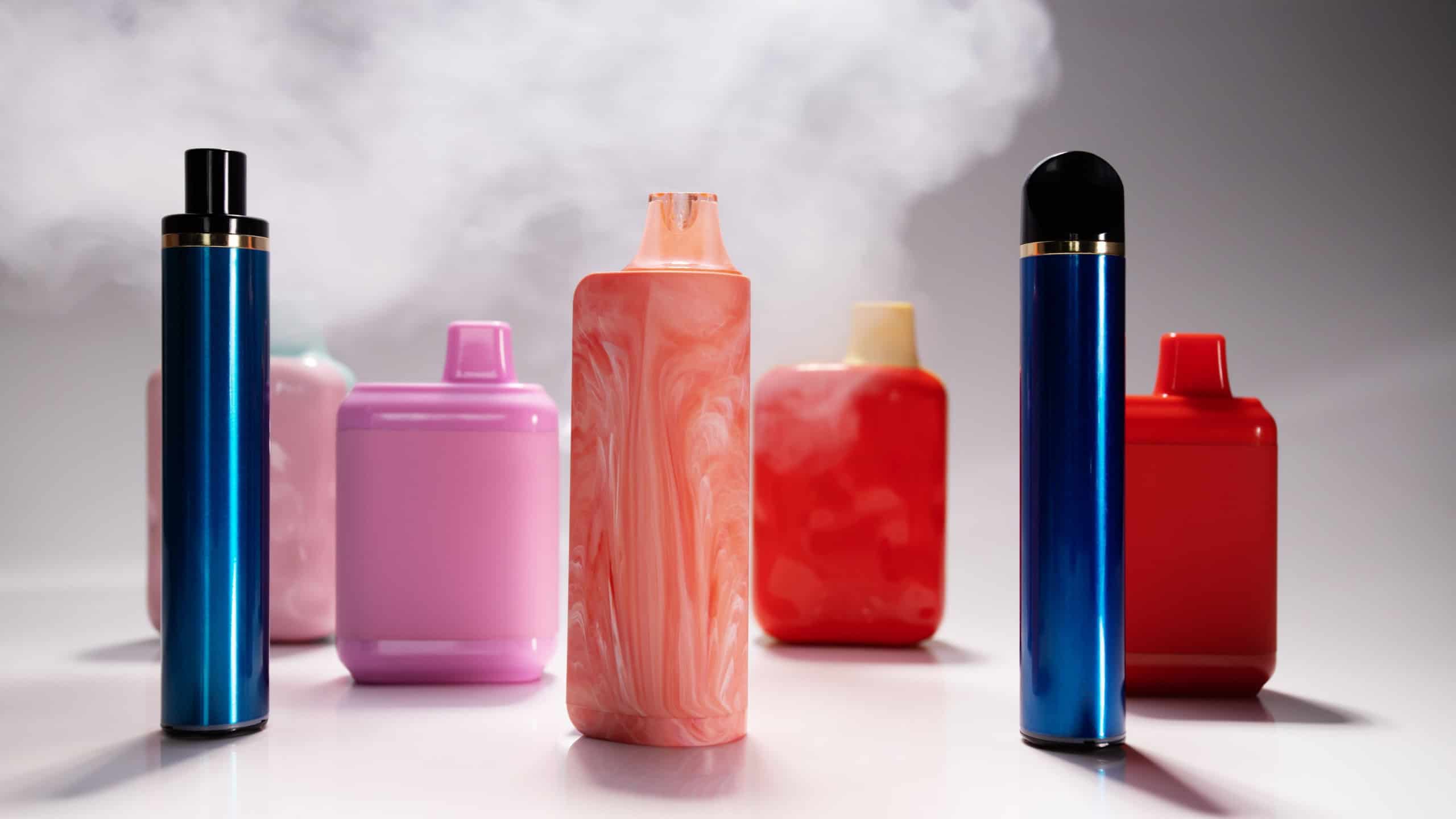
It’s strange how quickly disposable vapes went from niche to basically everywhere. Gas stations or corner stores, you can get them in a lot of places these days. Not for much longer, though. The FDA has started clamping down on these devices, and some states have their own laws.
They’re not exactly good for the environment or human health. Vapes will still be around by 2030, yet those displays of cheap throwaway vapes will probably look a lot less packed pretty soon.
The pantry bottle
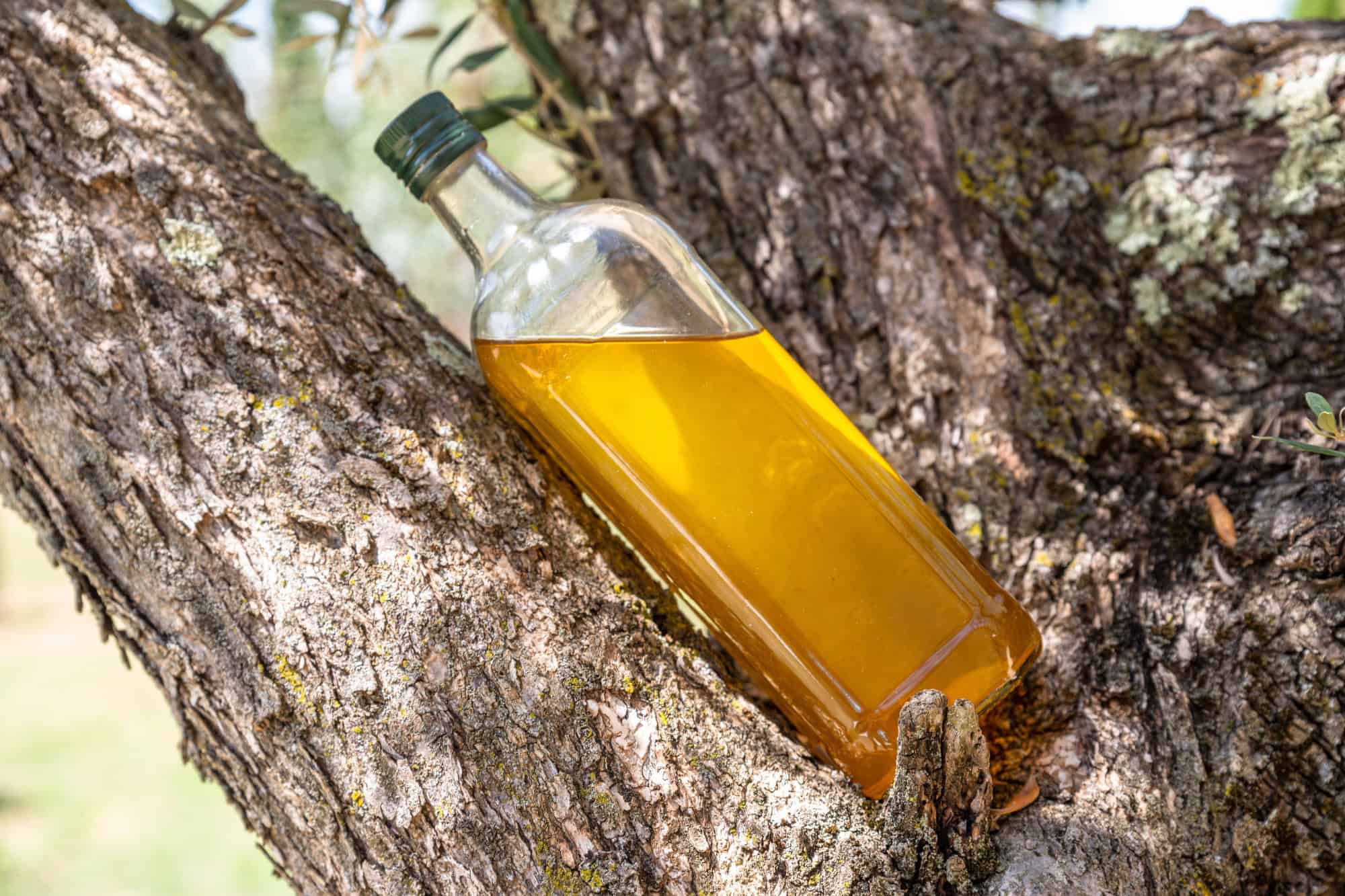
Cheap olive oil’s one of those things that’s not looking so cheap anymore. It’s all because of the decline in global olive oil production over the last few years, especially in places like Spain. Extreme heat and droughts have caused far weaker harvests.
It’s possible that some years could improve. That’d be good. But unfortunately, by 2030, it’s likely that we won’t be able to depend on a bargain bottle of real olive oil anymore. The price’s going to jump up quite a bit.
The buzzing tube

The real problem with fluorescent light tubes has nothing to do with their buzz or actual light, really. No, it has more to do with what’s inside. Some of them contain mercury, and you don’t need us to tell you how dangerous that is. Mercury also makes disposal a lot more challenging.
LEDs, however, last longer and use a lot less electricity, so it shouldn’t be a surprise that they’re going to take over the fluorescent kind. We’ll probably only see them in older fixtures. But it’s unlikely you’ll be able to buy any replacement tubes in hardware stores in 2030.
The underwater color

Coral reefs are way more important to the ocean than you might realize. They’re pretty, sure, but they’re also so important for marine life. Unfortunately, around 90% of all reefs across the world are under threat from human actions and warming.
Acidification’s another issue. Many of them are already suffering from bleaching, and they might be irreparably damaged by 2030. It’ll be a lot harder to find the bright and crowded reefs that we’re used to.
The tiny card

Anyone who’s had a physical SIM card knows how annoying they are. They’re tiny, and they’re so easy to lose. Why do they always need a paperclip, too? These issues are part of the reason they’re starting to disappear.
Nano SIM cards are more popular in newer phone models, but e-SIMs are taking over. No chip, no swap. That’s probably why the original physical SIM cards are going to be extinct by 2030.
The shiny box

You used to buy a game and carry it home in a case. Then you peeled off the plastic. Insert the disc. These days, though, there’s not even a disc drive, and you’re lucky to get even a manual in the game cartridge’s packaging.
Most games are digital now, too. Discs are going to be with collectors only in 2030, while for regular players, subscriptions and online access are going to be the way to go. It’s the end of an era, really.
The loose change
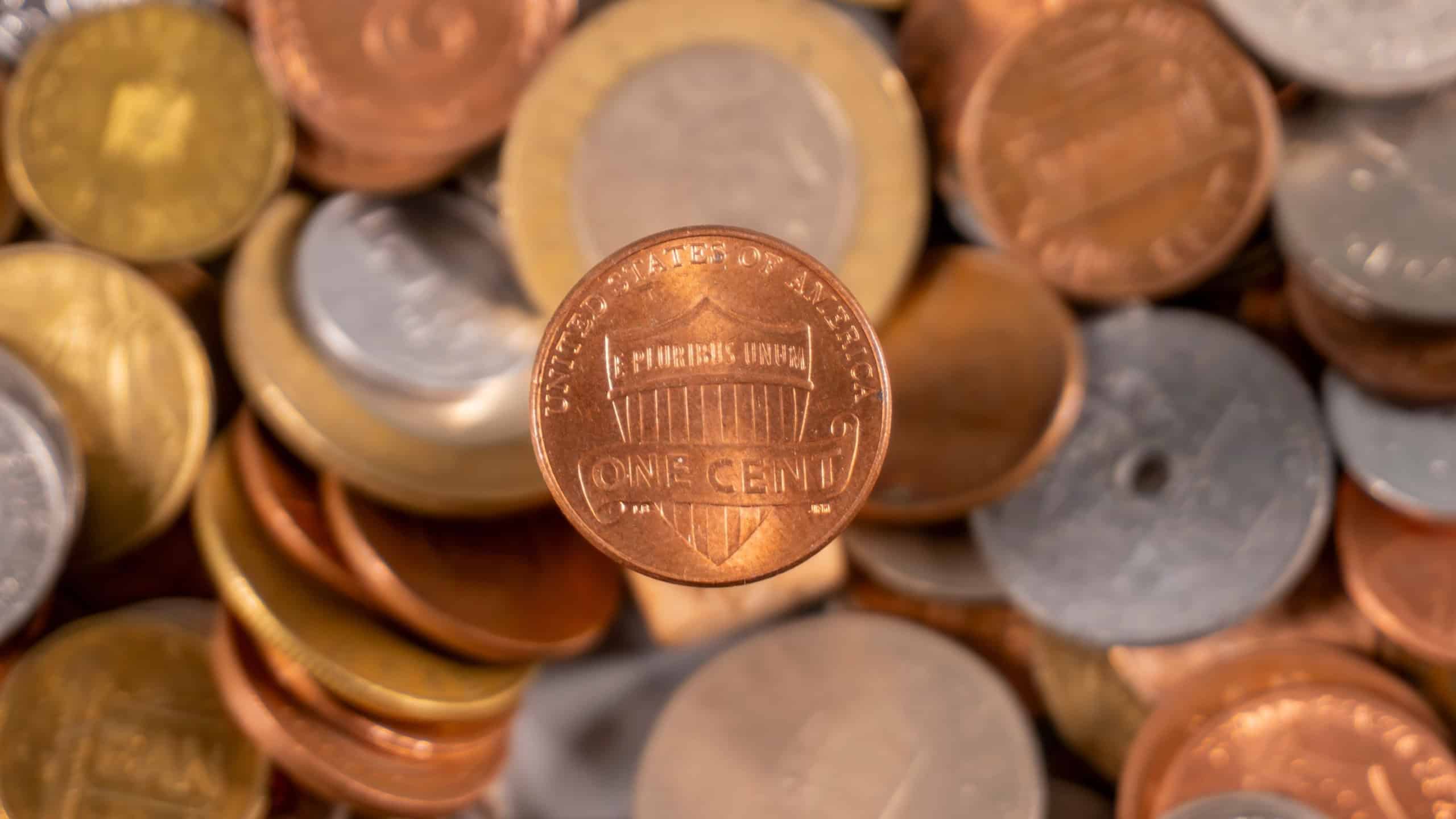
Let’s get one thing straight. Pennies are being canceled out of existence, so you can keep holding on to them in those random coin jars. They’ll still be legal tender in 2030, too. The only difference?
You won’t find any new ones in circulation because the U.S. stopped making them. Getting a penny back in change will be more of an idea in concept, not reality. Maybe they’ll be worth a little more because of that.
The red sweetener
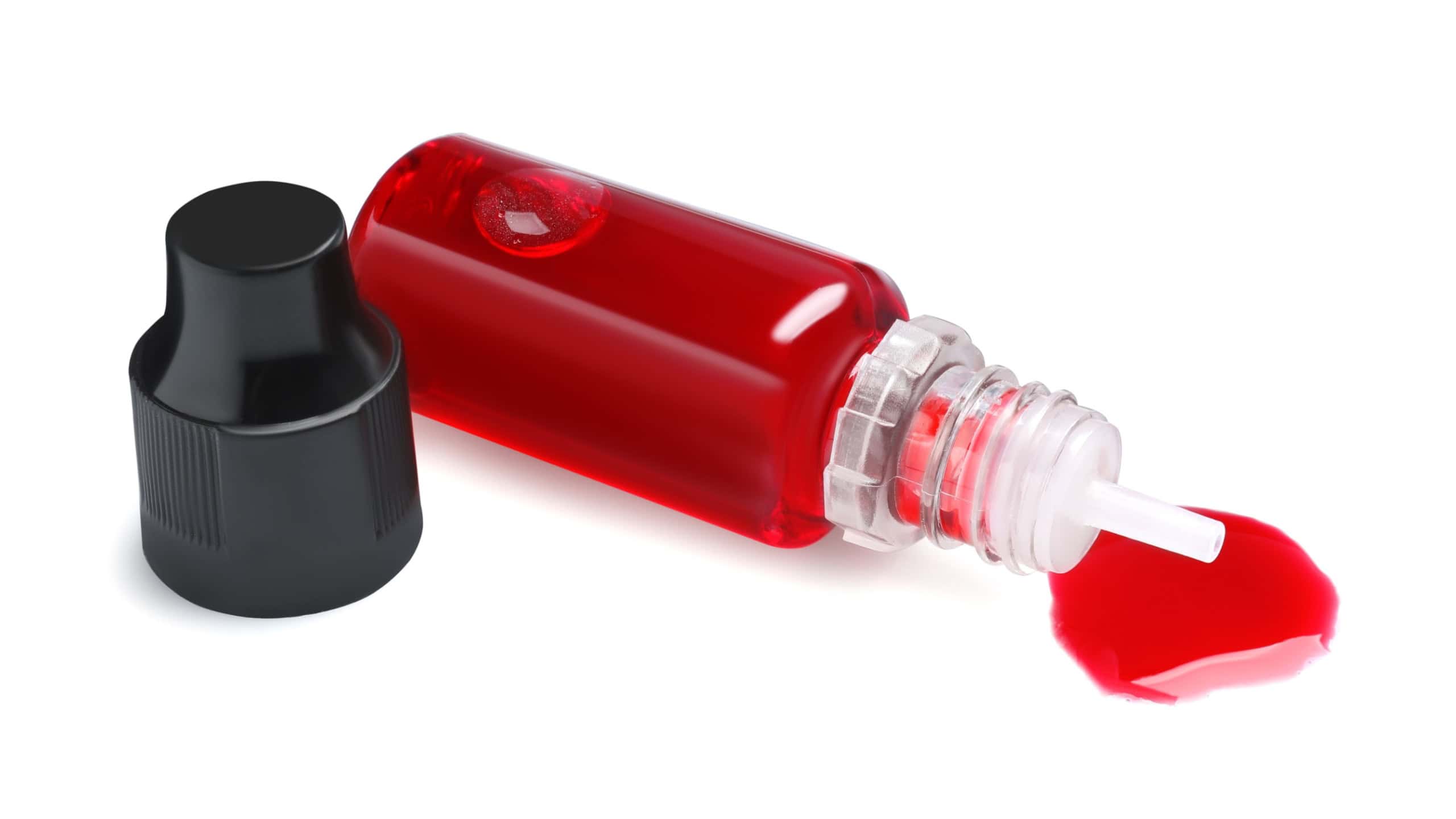
Most people only notice Red Dye No. 3 after someone points it out. But you’ll find them in all sorts of things, like candies and snacks. Frosting and baked goods feature it, too. It won’t be for much longer.
The FDA has started restricting the use of Red Dye No. 3 in food and ingested drugs. Companies have until early 2027 to change their recipes. By 2030? You’ll only find the ingredient on old labels, not anything new.
Sources: Please see here for a complete listing of all sources that were consulted in the preparation of this article.
11 items you should toss without thinking twice
Everybody has at least one ridiculous object that they keep holding onto, but it’s time to admit that it should’ve been thrown out a decade ago.

