

Traveling to new countries is quite exciting and that’s especially true when it comes to trying out local food—but most of us don’t realize how different table manners are around the world. What might be polite here in America may be considered rude somewhere else. Here are thirteen foreign dining rules that Americans should get to know to make sure they leave a good impression. Doing so will help you fit right in and it could even impress the locals!
Featured Image Credit: ArturVerkhovetskiy /Depositphotos.com.
Slurping Noodles is Polite in Japan
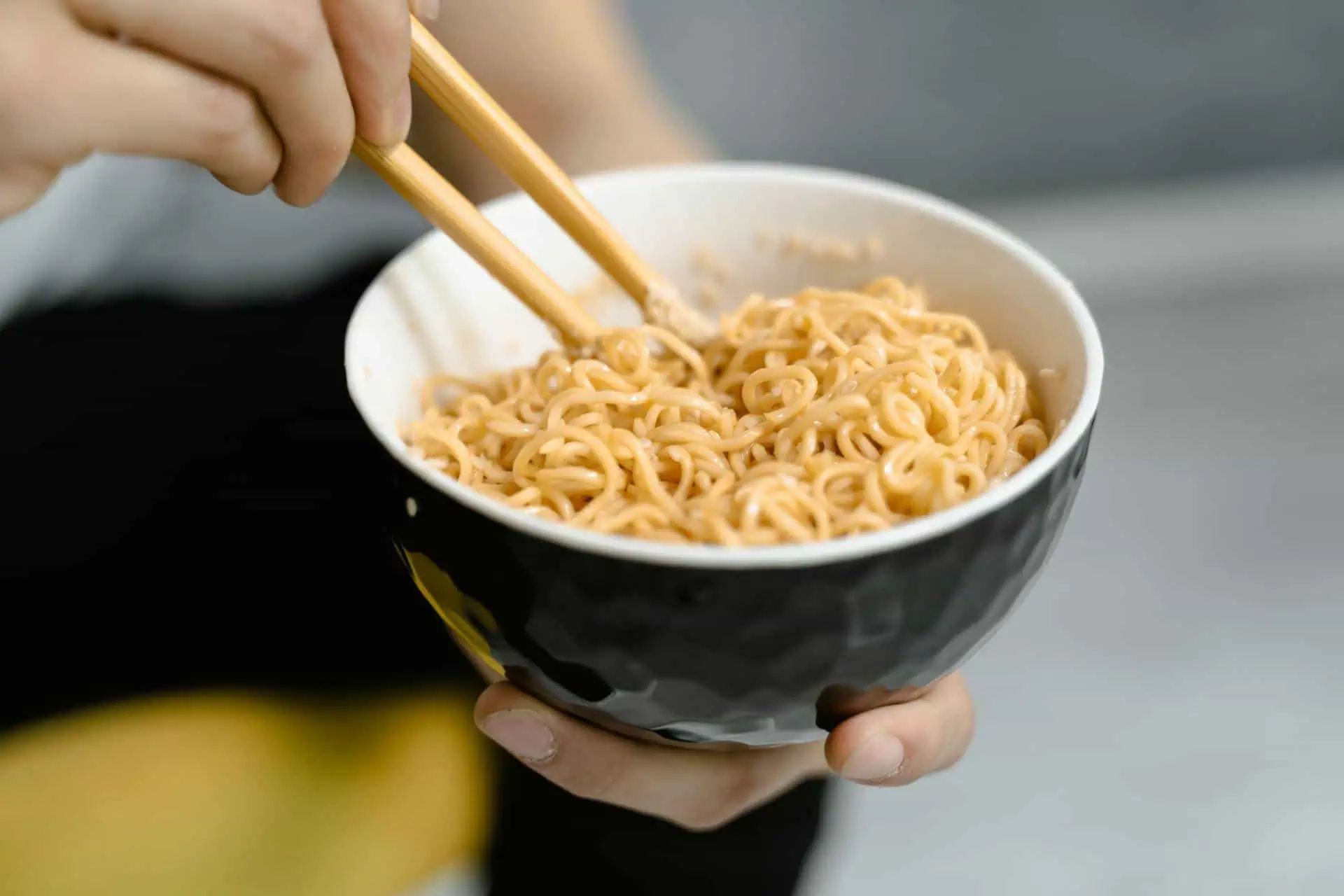
Making noise while eating noodles is actually a good thing in Japan because slurping shows that you’re enjoying your meal & appreciating the chef’s skills. Don’t hold back on the slurps when you’re eating ramen or soba in a Japanese restaurant, even if it does feel a little strange at first. Doing so is a friendly gesture that people over there will appreciate!
Use Both Hands When Receiving Drinks in Japan

Also in Japan, the polite approach is to use both hands when someone offers you a drink which involves holding your glass or cup with two hands as they pour—if you’re the one pouring, you do the same with the bottle. It sounds like a small gesture but many Japanese people see it as a thoughtful act & even business events follow this custom. You’ll probably see others doing it without even thinking so you should feel free to join in.
Keep Your Hands on the Table in France
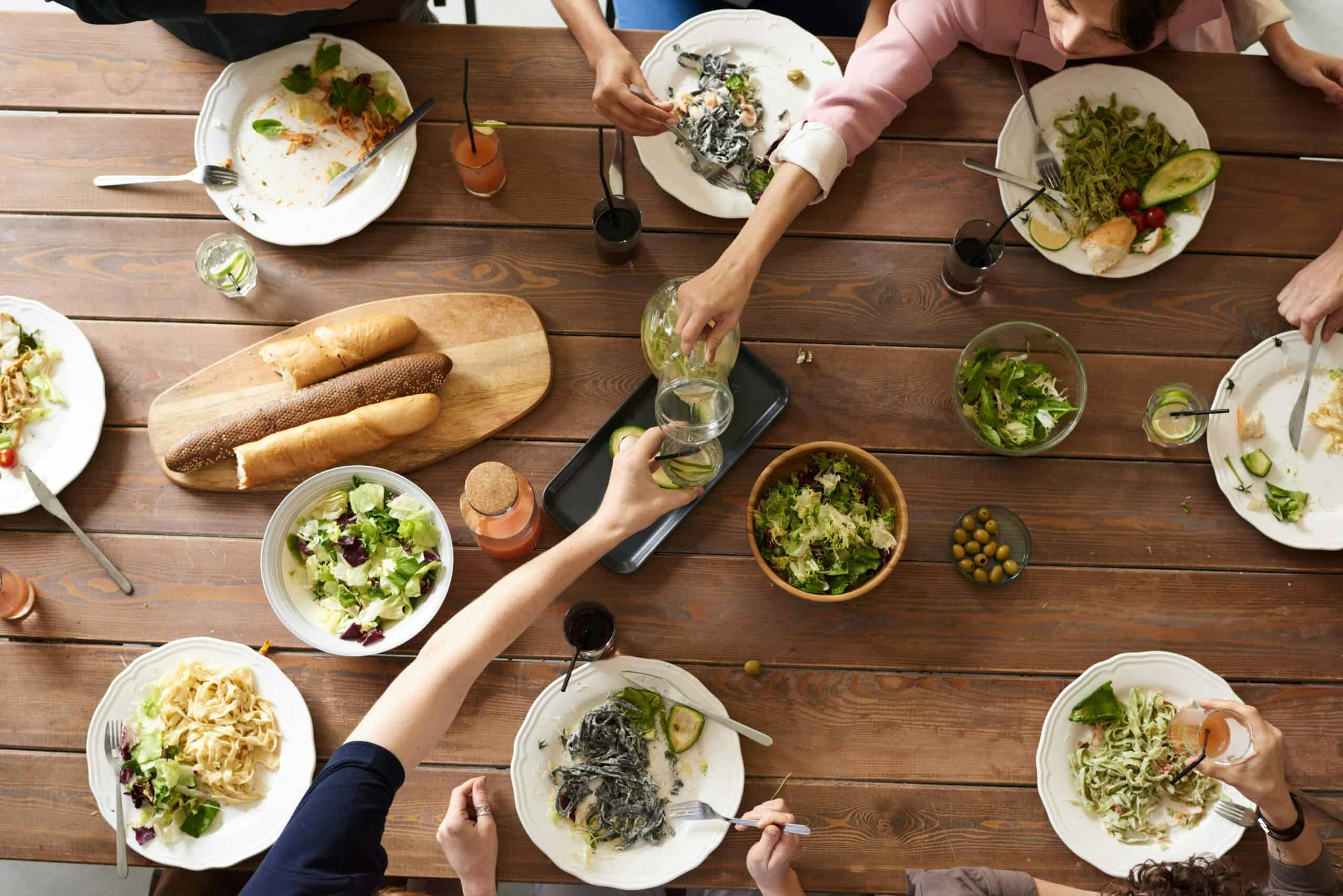
It’s polite to keep both your hands visible on the table when you’re in France and resting them in your lap is often seen as being impolite—the practice dates back to old traditions & many French people still follow it today. Keep your hands where everyone is able to see them whenever you’re enjoying your croissants or coq au vin. You don’t want people to think you’re rude just because you’ve hidden your hands from them!
Fold Your Salad, Don’t Cut It in France

Many French people also believe that slicing your salad with a knife is a mistake because the usual approach is to fold those big leaves into more manageable pieces with your fork. Like many dining customs, the rule comes from traditional table manners—and also because folding your salad keeps it in its best form, since you aren’t tearing the leaves. It takes just a few seconds to remember to do this and it shows that you respect French dining methods.
Only Use Your Right Hand in India

Most Indian people only use their right hand for eating and they usually see their left hand as unclean—this rule applies even if you’re left-handed. It doesn’t matter if you’re tearing naan or scooping up curry because you should stick to using your right hand to respect local customs. Naturally, it does take a little getting used to but it’s an important part of Indian dining etiquette so make sure that you don’t forget to do it!
Use a Spoon Instead of a Fork in Thailand

Grabbing a spoon is the usual way to enjoy food in Thailand & the fork mainly serves to push food onto that spoon as locals believe that putting the fork straight into your mouth is rude. You should be mindful when you’re about to dig into pad thai or green curry and, instead, you should let the spoon do the job of delivering each bite. Following their way of eating shows that you respect the manners they’ve valued for generations.
Skip the Cappuccino After Breakfast in Italy

Locals are pretty particular about their coffee habits in Italy and they’ll usually keep cappuccinos for the morning hours—ordering one long after breakfast may lead to you receiving some funny looks! They typically switch to espresso once breakfast is over & that means it’s best to do the same whenever you’re craving a pick-me-up after lunch or dinner. The custom is tied to how Italians like their meals & following such guidelines will help you blend in when you’re there.
Wait for the Eldest to Eat First in South Korea
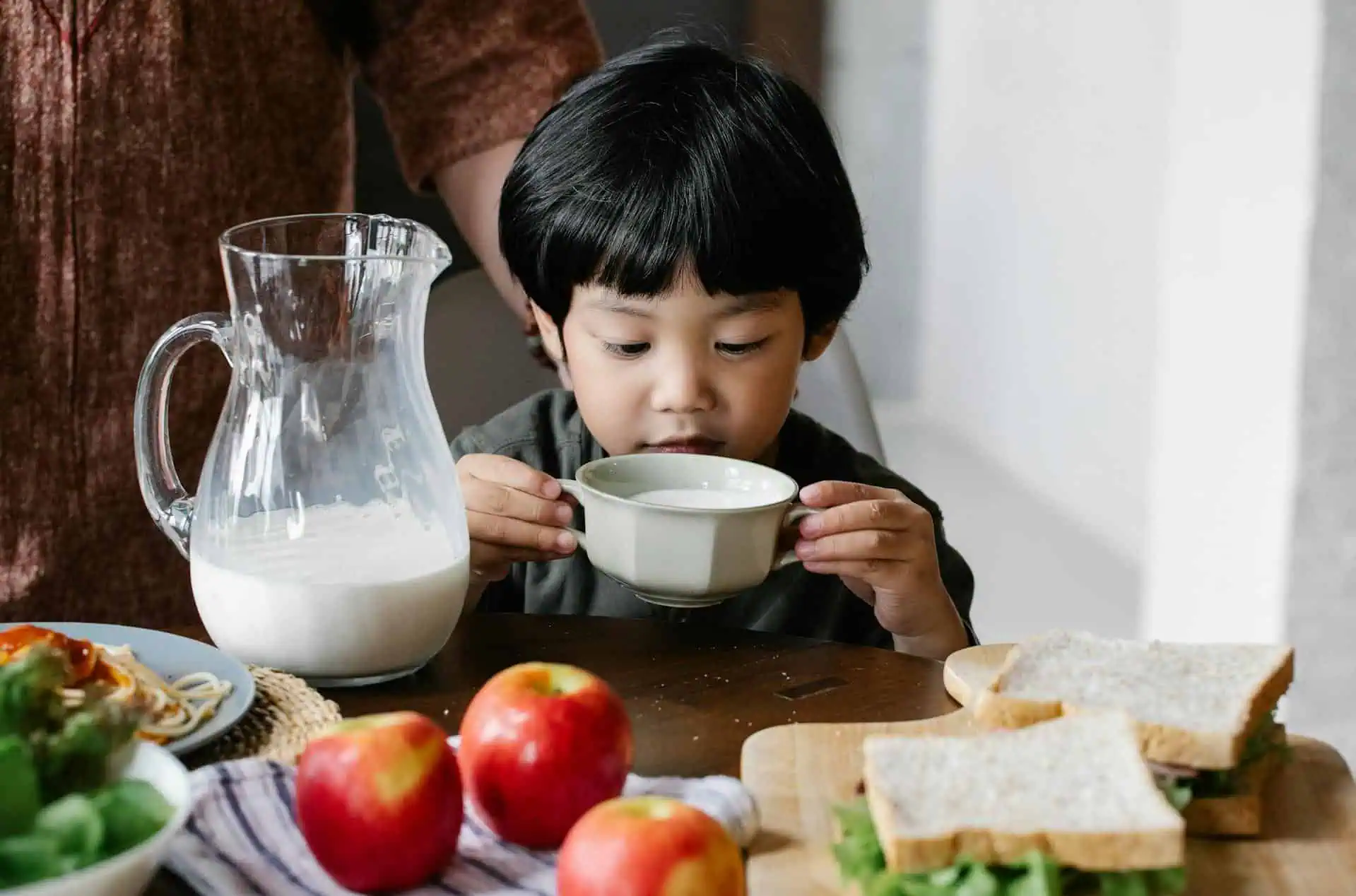
In South Korea, they strongly believe in respecting older people so you should hold off on picking up your chopsticks until the oldest person at the table starts eating—it’s rude to do so otherwise. Of course, it’s an odd custom for anyone not familiar with the local traditions but it’s also simple enough and it means a lot to those around you. Pay attention when you’re at a gathering, whether that’s at a big event or a casual get-together, by waiting for the eldest person to begin.
Leave a Bit of Food on Your Plate in China

In China, eating every single bite off your plate suggests that you want more & didn’t get enough which comes across as rather rude—instead, leave a little food behind to show that you feel full. It’s a way of recognizing the generous portion given to you & this is a tradition that people have passed down through families for a long time, so most locals are used to it. As such, remember to leave a small portion left on your plate when you’re at someone’s home or in a restaurant!
Pour Tea for Others Before Yourself in China

Most Chinese mealtimes involve drinking tea and one unwritten rule is to pour for others before filling your own cup because it’s a sign of thoughtfulness & fits in with the idea of dining as a shared experience. When you pick up the teapot, look around and top off your companions’ cups first—they’ll usually return the favor after you do so. You’ll see this happening among families, friends & colleagues so it’s worth remembering when you’re at a Chinese table.
Don’t Ask for Extra Condiments in Spain
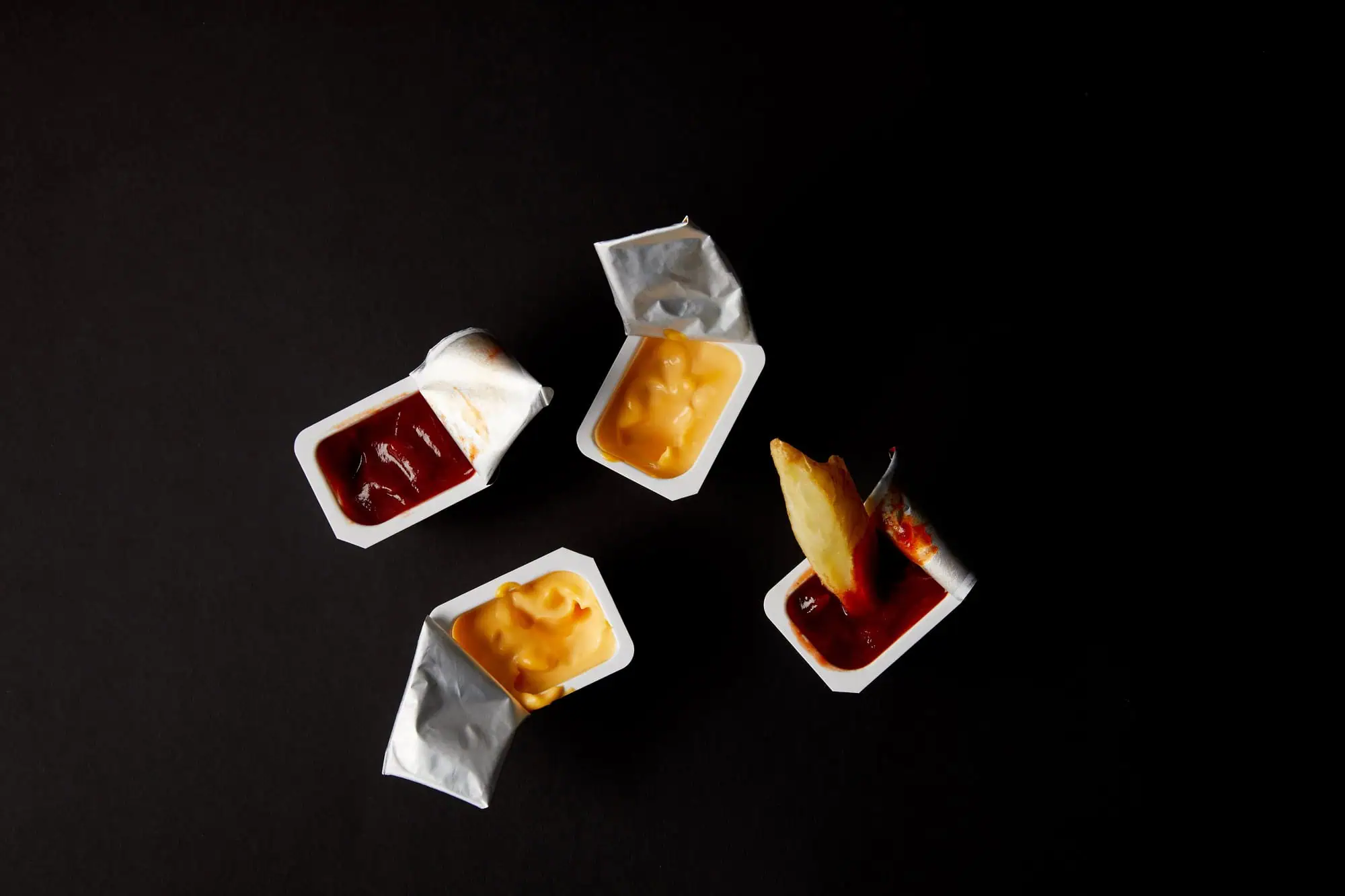
Many Spanish people believe asking for extra sauces or condiments offends the person who made your meal because they think it means they didn’t season your food well enough. As such, sample the dish as it’s served, whether you’re biting into tapas or savoring paella. Spanish chefs often take pride in getting every flavor just right & they want you to experience the final creation how they made it—you might be surprised by how every ingredient plays off the others!
Use Utensils for Everything in Chile
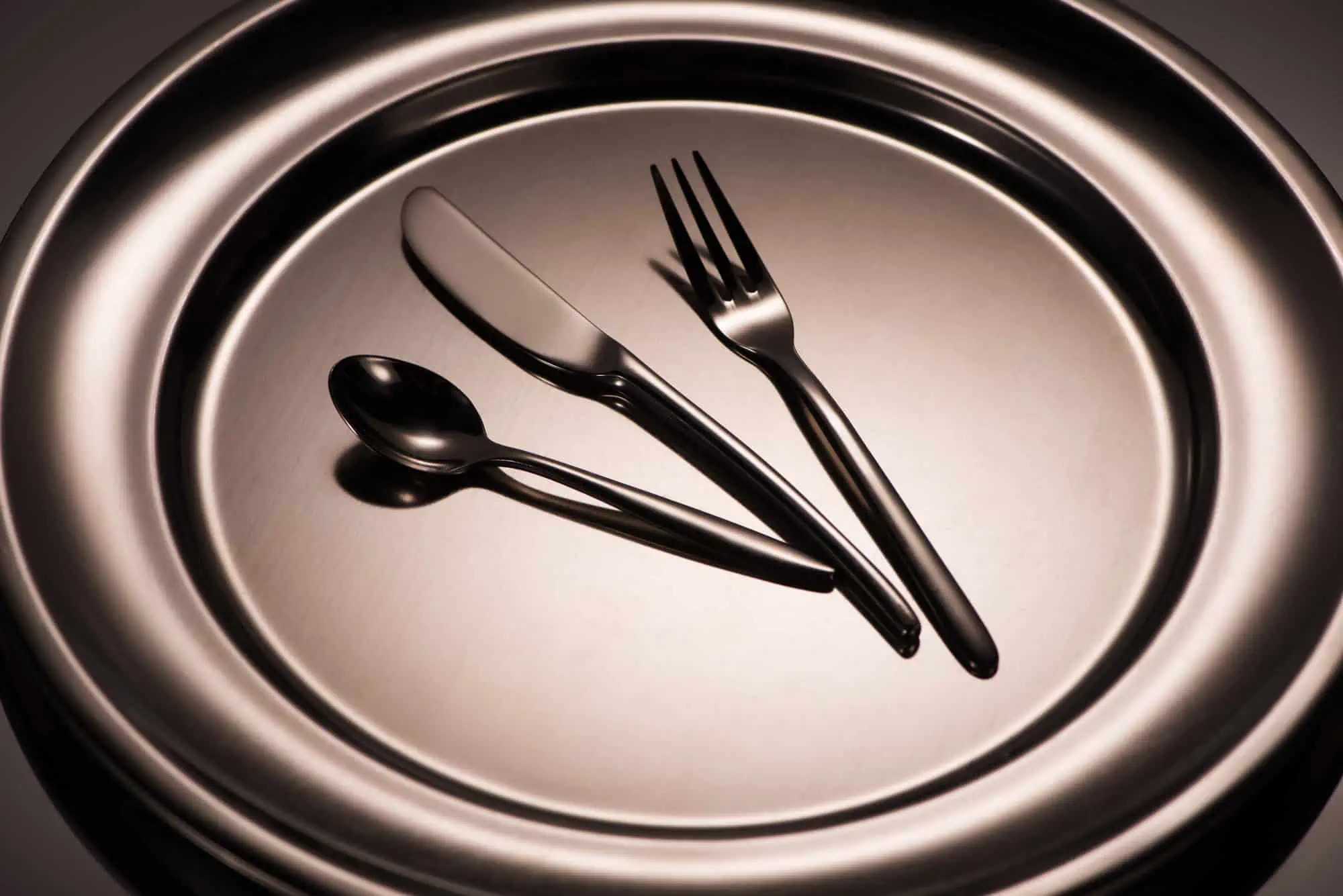
People in Chile tend to use utensils for just about every meal—including foods you might usually pick up with your hands like pizza and fries. They’ll handle these dishes with a knife & fork and while some travelers might find it rather unexpected, it’s fairly common across the country. Even if it’s easier to eat with your hands, you should absolutely avoid it over there.
Avoid Clinking Glasses When Toasting in Hungary
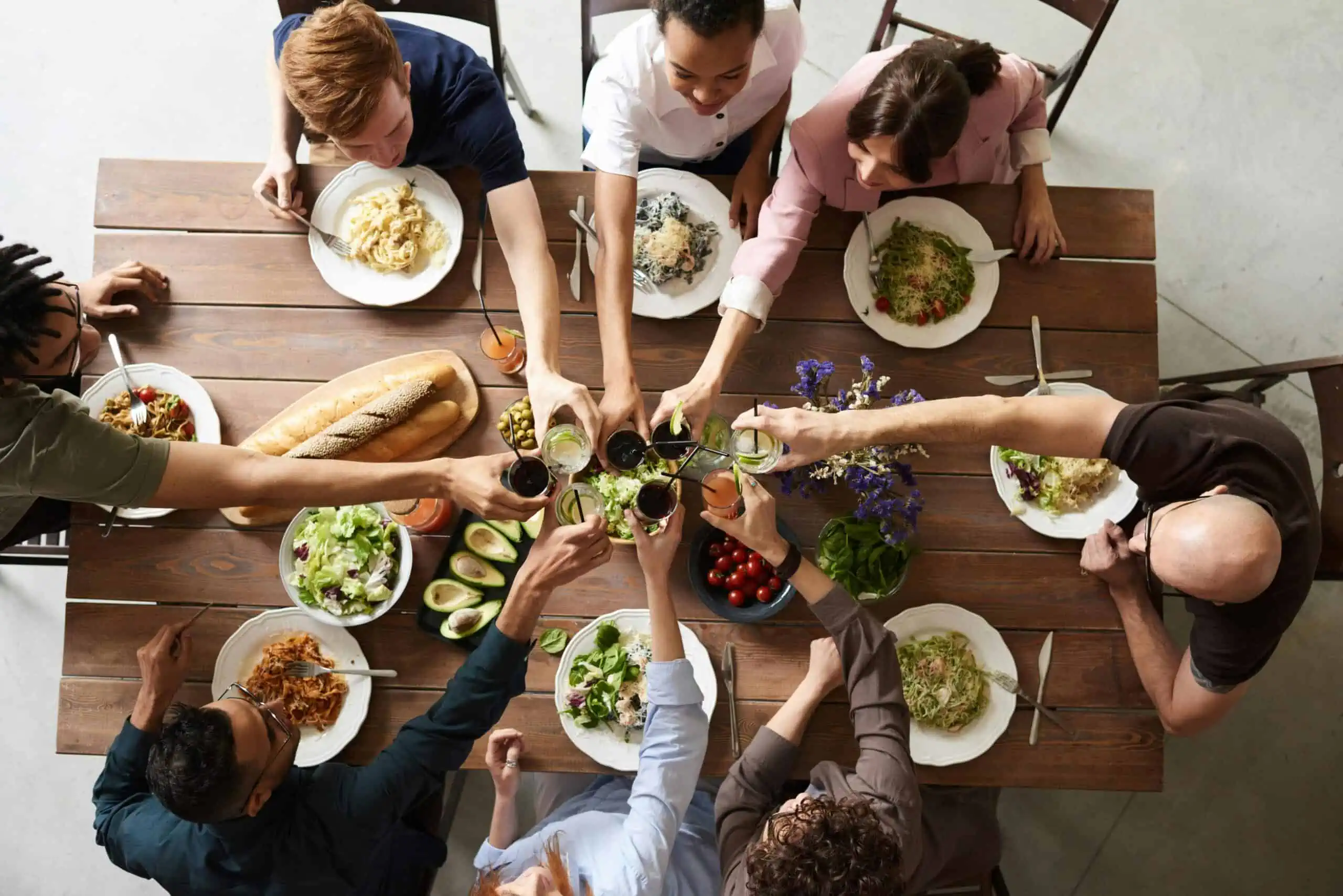
In Hungary, lots of locals still avoid clinking glasses because, supposedly, the Austrians celebrated the 1848 Hungarian revolution with a toast, which means it’s more common these days to raise your glass without tapping it against someone else’s. Instead, people make eye contact & say “Egészségedre” (meaning cheers) and give a small nod. Who would’ve thought clinking glasses could be so offensive?
Disclaimer: This list is solely the author’s opinion based on research and publicly available information.
Like our content? Be sure to follow us on MSN.